Tag Page May16

#May16
LataraSpeaksTruth

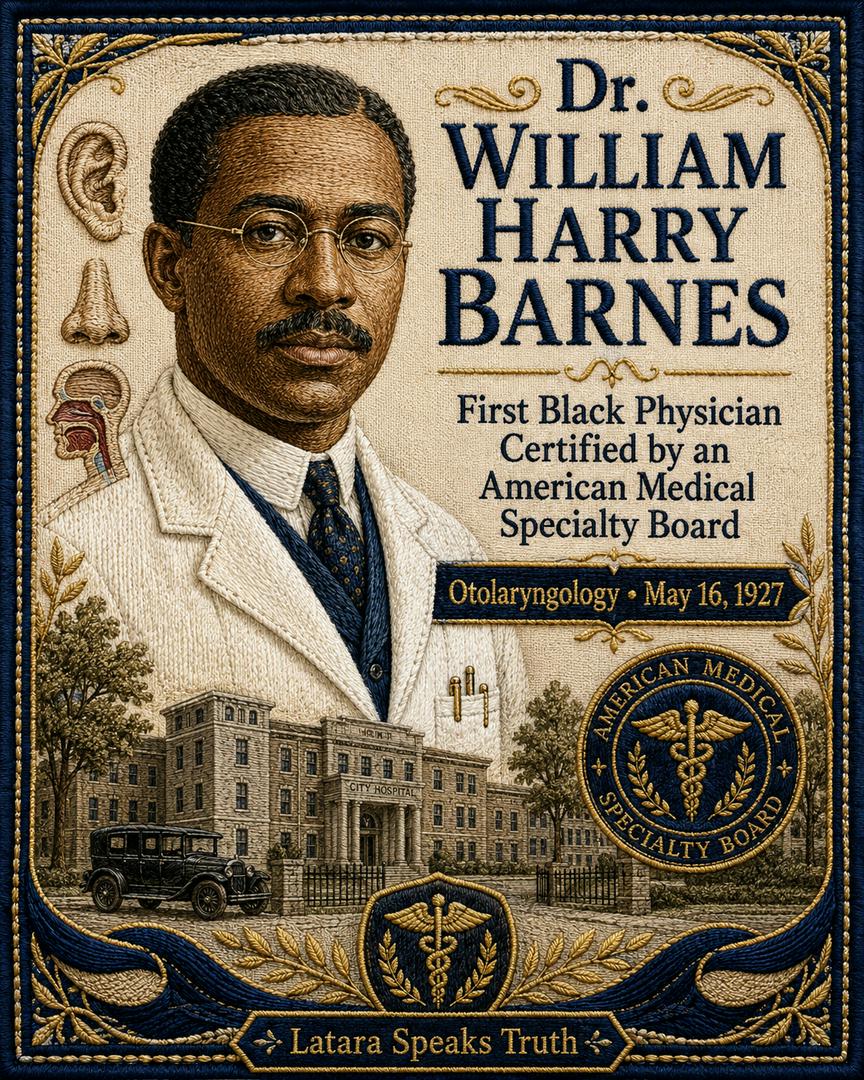
May 16, 1927, marked a quiet but powerful breakthrough in American medicine. On that day, Dr. William Harry Barnes became the first Black physician certified by an American medical specialty board. He earned certification in otolaryngology, the branch of medicine focused on the ear, nose, and throat. That may sound like a simple credential today, but in 1927, it meant much more. This was a time when Black doctors were often shut out of major hospitals, professional networks, training programs, and medical institutions. Even with talent, education, and skill, access was never equal. Dr. Barnes pushed through anyway. Born in Philadelphia in 1887, he worked his way through school and later graduated from the University of Pennsylvania Medical School in 1912. He went on to build a respected career in otolaryngology and became chief of the Department of Otolaryngology at Frederick Douglass Hospital in Philadelphia. His achievement was not just personal. It opened a door. Board certification signaled that a physician had met a professional standard in a specialized field. For Dr. Barnes to earn that distinction during segregation showed both his excellence and his refusal to let the barriers of his time define his ceiling. He later became a leader in organized medicine, including serving as president of the National Medical Association in 1936. His work helped create space for future Black specialists in fields where they had long been excluded or overlooked. Dr. William Harry Barnes did not just practice medicine. He made history inside it. His name deserves to be remembered not only as a skilled physician, but as a barrier breaker who proved that Black excellence belonged in every room, every hospital, every board, and every specialty. #BlackHistory #May16 #WilliamHarryBarnes #BlackDoctors #MedicalHistory #HiddenHistory

LataraSpeaksTruth

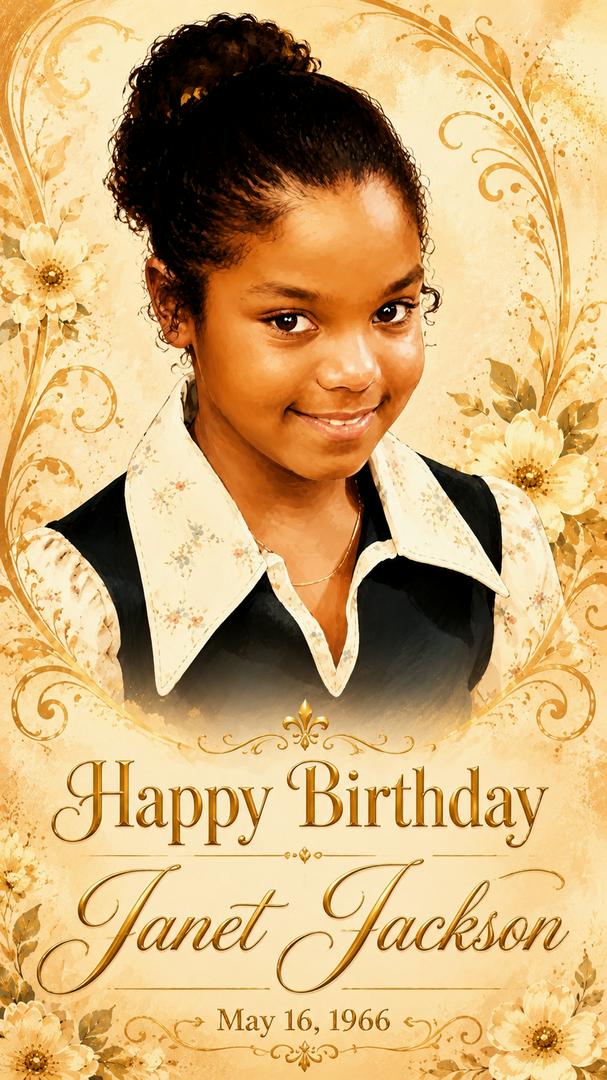
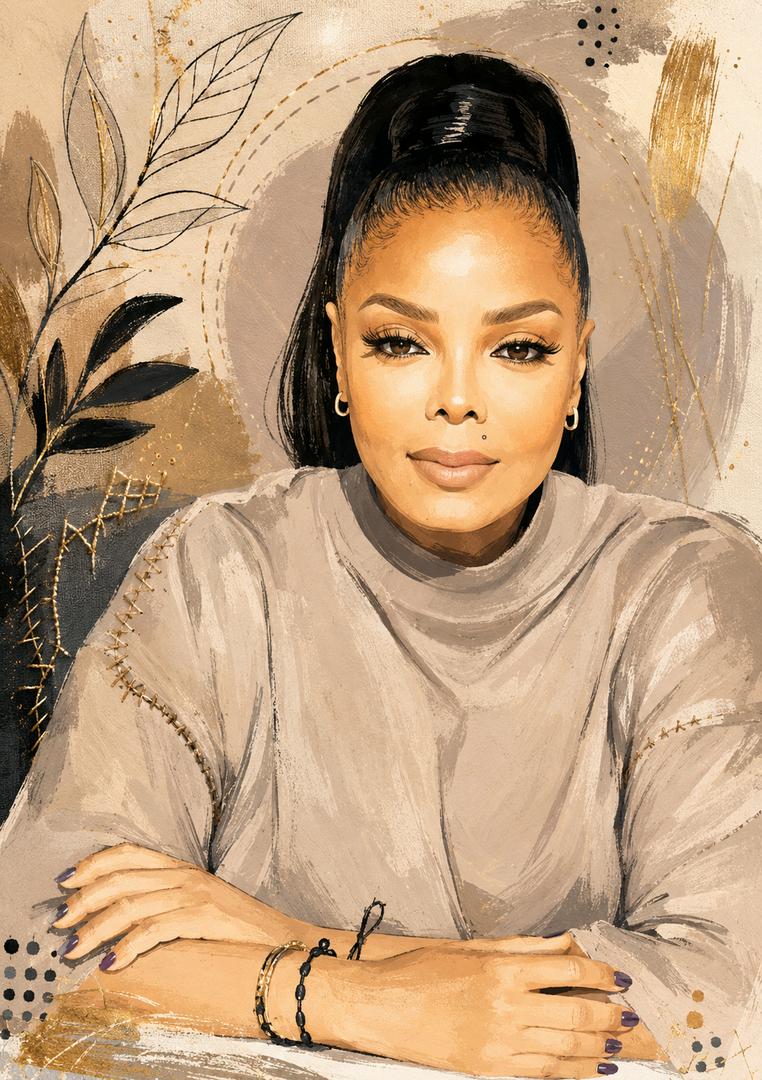
May 16, 1966… Janet Jackson was born in Gary, Indiana. She was born into one of the most famous musical families in American history, but Janet Jackson’s legacy cannot be reduced to her last name. That is what makes her story powerful. Janet came from the Jackson family, but she built a lane that belonged to her. She stepped out from behind the shadow of her brothers and became one of the most influential entertainers of her generation. She was not just singing songs. She was shaping sound, fashion, choreography, image control, and stage performance. Her 1986 album Control was more than a career breakthrough. It was a statement. The title said exactly what Janet was claiming. Control over her voice. Control over her image. Control over the direction of her life and career. Then came Rhythm Nation 1814 in 1989, an album that mixed dance, pop, R&B, and social awareness in a way that felt bold for its time. Janet used music videos like mini films, turning choreography into storytelling and performance into visual power. She became known for precision. The sharp moves. The military-style routines. The quiet confidence. The soft voice paired with strong command. Janet did not need to overpower the room to own it. That was her gift. She proved that influence does not always have to be loud. Sometimes it is controlled, disciplined, creative, and undeniable. For many women artists who came after her, Janet helped lay the blueprint. The dancing singer. The artist who showed that music videos could be more than promotion. They could carry story, image, movement, message, and identity all at once. Janet Jackson was born into fame, but she earned her own place in history. And that is the part worth remembering. #JanetJackson #MusicHistory #BlackMusicHistory #OnThisDay #May16 #RhythmNation #Control
You've reached the end!
Tag: May16 | LocalAll