Tag Page MedicalBreakthrough

#MedicalBreakthrough
justme

Scientists have made a breakthrough in Alzheimer’s research by using focused sound waves—specifically low-intensity ultrasound—to break down toxic brain plaques linked to memory loss. These plaques, mainly composed of beta-amyloid proteins, disrupt communication between neurons and are a core hallmark of Alzheimer’s disease. The technique works by temporarily opening the blood-brain barrier using precisely targeted sound waves. This allows the brain’s natural immune system to clear plaque buildup more effectively, without the need for invasive surgery or high-dose drugs. Early clinical trials have shown improved memory recall and cognitive function in some patients. Unlike traditional treatments that slow symptoms, this method targets the physical cause of degeneration. Researchers emphasize that the treatment is non-invasive and can be repeated safely under controlled conditions. If results continue to scale, sound-based therapy could redefine how neurodegenerative diseases are treated—raising hope that memory loss may no longer be irreversible. #AlzheimersResearch #MedicalBreakthrough #BrainScience #UltrasoundTherapy #FutureMedicine

justme

In a groundbreaking medical breakthrough, doctors have successfully restored a patient’s sight using the world’s first 3D printed cornea. This innovative procedure involved creating a cornea layer by layer using biocompatible materials, perfectly tailored to the patient’s eye. The 3D printed cornea integrates seamlessly with natural tissue, allowing light to pass through and vision to be restored. The technology represents a major leap in ophthalmology, offering hope to millions suffering from corneal blindness worldwide. Traditional cornea transplants often face shortages of donor tissue, rejection risks, and long waiting lists. 3D printing provides a customizable, scalable solution that could revolutionize treatment and make sight restoration more accessible. Experts emphasise that while this is the first successful case, ongoing research and clinical trials are essential to ensure long-term safety and effectiveness. This achievement highlights the power of combining medical science and cutting-edge technology to solve complex health challenges. For the first time, patients who were previously untreatable now have a path to seeing the world clearly again. #TheSciencePulse #fblifestyle #MedicalBreakthrough #VisionRestored

justme

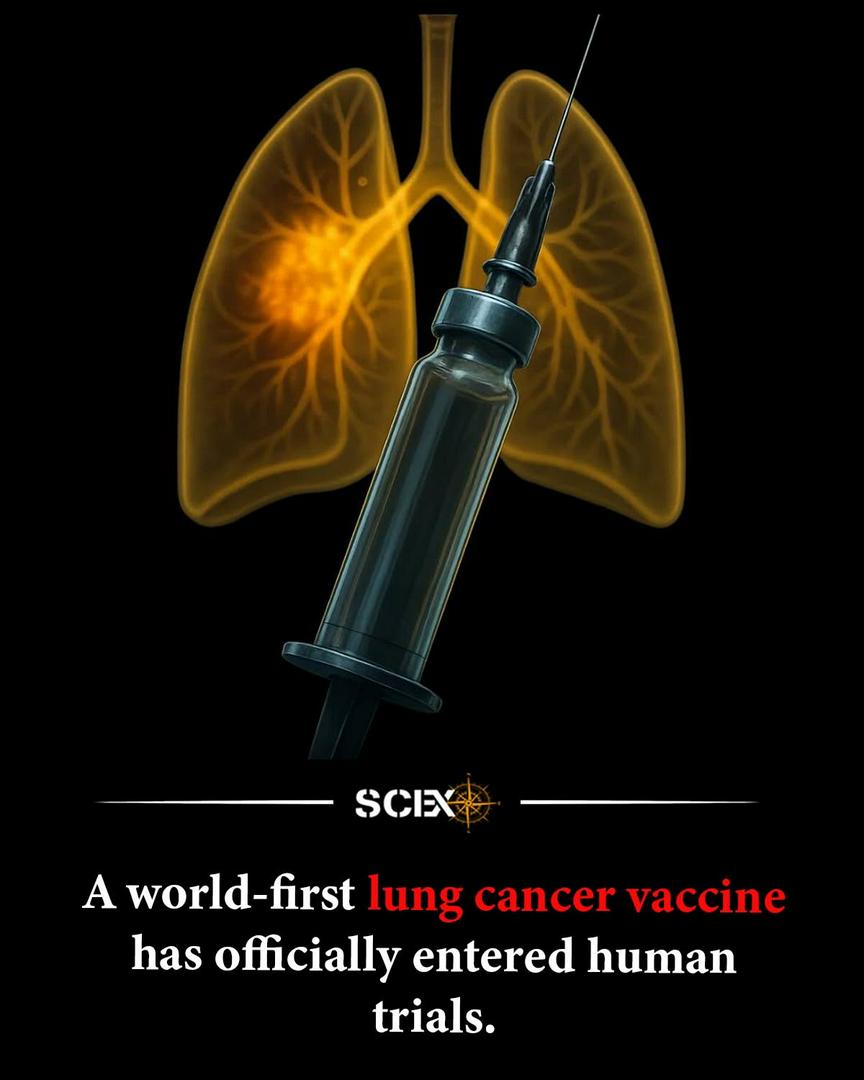
A major milestone in cancer research has just been reached. For the first time, a lung cancer vaccine has entered human clinical trials, marking a new chapter in how the disease could be treated in the future. The experimental vaccine, BNT116, has been developed by BioNTech, the biotechnology firm widely known for its role in creating an mRNA COVID-19 vaccine. This time, the mRNA technology is being used to tackle non-small cell lung cancer (NSCLC) — the most common and deadliest form of lung cancer worldwide. Instead of attacking tumors with traditional chemotherapy or radiation, BNT116 works by training the immune system to recognize cancer-specific markers. The goal is not only to destroy existing cancer cells but also to prevent the disease from returning, something that remains a major challenge for lung cancer patients today. The phase 1 trial is now underway at 34 research centers across seven countries, including the UK, the United States, and Germany. While early-stage trials focus primarily on safety, researchers are hopeful that this approach could eventually transform lung cancer into a condition that is easier to control — or even prevent from coming back. If successful, this vaccine could represent a shift toward personalized, immune-based cancer treatments, offering new hope to thousands of patients worldwide. Source: BioNTech / Clinical trial announcements #LungCancer #CancerVaccine #mRNA #MedicalBreakthrough #CancerResearch #ClinicalTrials #Biotech #FutureOfMedicine #ScienceExplorist #fblifestyle

justme

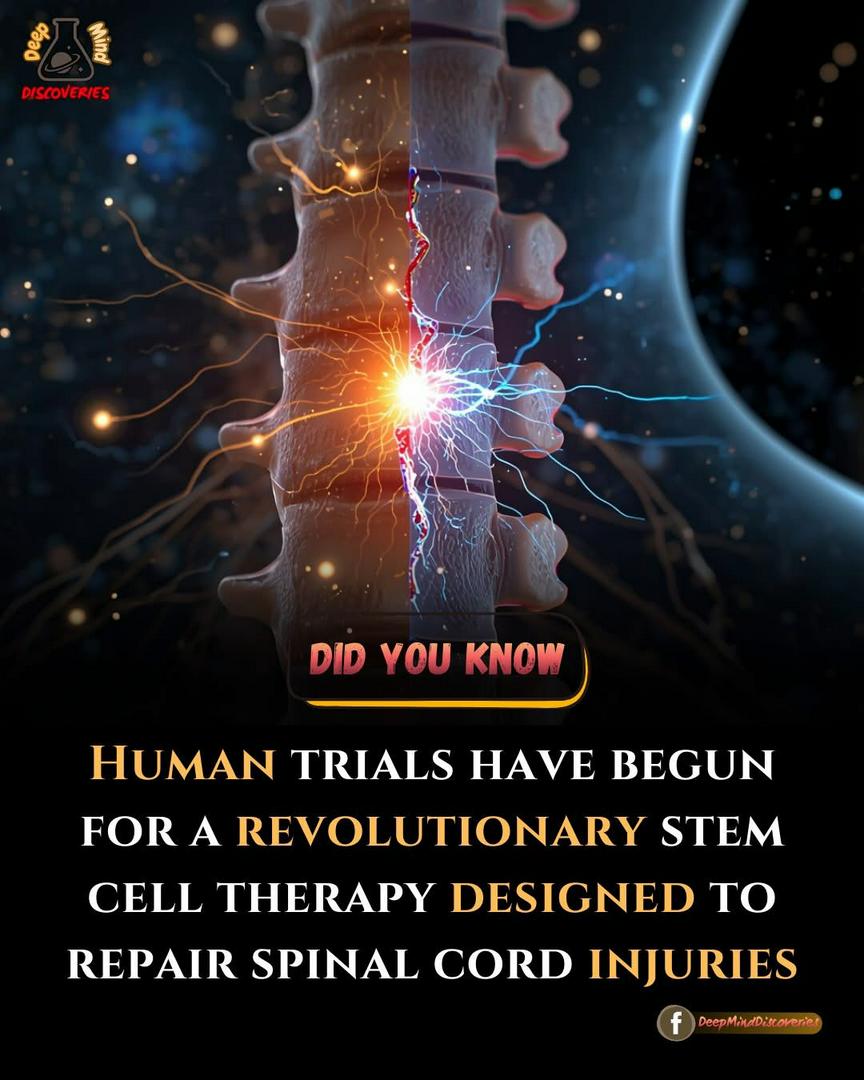
The End of Irreversible: Reversing Spinal Cord Paralysis. 🧬🚶‍♂️✨ A historic milestone in medical science has arrived. For the first time, human trials are underway for a cell therapy that aims to do the "impossible"—repair the human spinal cord and restore movement to those with paralysis. The Regenerative Breakthrough: 🔬 Stem Cell Scaffolding: Scientists are using specialized stem cells to act as a biological "bridge," repairing shattered nerve tissue and reconnecting the brain to the body. ⚡ Restoring the Signal: Unlike current treatments that only manage pain, this therapy works to replace damaged neurons, potentially allowing electrical signals to flow through the spine once again. 🌍 A Global Shift: For millions living with spinal cord injuries, the medical narrative is changing from "learning to adapt" to "learning to walk again." The Path Forward: Beyond Management: This represents a shift from reactive care to regenerative cure, targeting the root cause of paralysis. Hope into Reality: While these are early human trials, the successful preclinical results have paved the way for a new era of independence and mobility. Redefining Recovery: We are witnessing the first steps toward a future where "permanent" spinal damage is a thing of the past. We are not just witnessing a medical trial; we are witnessing the birth of a new era for humanity. 🌍🙌 #MedicalBreakthrough #SpinalCordInjury #StemCellResearch #RegenerativeMedicine #FutureOfScience #HealthInnovation #ParalysisRecovery #ScienceNews #Hope

justme

Brazilian scientists have revealed a groundbreaking spinal cord regeneration drug that could change the future of paralysis treatment. After years of intensive research this experimental therapy is designed to stimulate nerve regrowth and reconnect damaged neural pathways that were once thought to be permanently lost. Spinal cord injuries often result in lifelong paralysis because nerve cells in the central nervous system struggle to regenerate. The newly developed drug works by activating biological mechanisms that support nerve repair reduce inflammation and encourage the formation of new connections across injured sections of the spinal cord. In laboratory studies and early human trials patients showed measurable improvements in nerve signaling muscle response and partial recovery of movement and sensation. Researchers explain that timing and dosage are critical and the therapy is being carefully tested to ensure safety and effectiveness. While it is not yet a guaranteed cure results suggest that even long term paralysis may not be as irreversible as once believed. #TheSciencePulse #MedicalBreakthrough #Neuroscience #fblifestyle

justme

Scientists at institutions like the West Virginia University Rockefeller Neuroscience Institute and the University of Oxford are pioneering a non-invasive medical frontier: using focused ultrasound to treat Alzheimer’s disease. This groundbreaking technique uses precision sound waves to temporarily and safely open the blood-brain barrier—a protective layer of cells that usually blocks 98 percent of medications from entering the brain. By briefly loosening this barrier, researchers can deliver higher concentrations of anti-amyloid drugs directly to the regions where they are needed most to clear toxic protein buildup. The mechanism involves injecting microscopic bubbles into the bloodstream, which vibrate when hit by targeted ultrasound waves, creating a temporary "window" in the brain's defenses. Recent clinical trial results published in 2024 and 2025 have shown that this approach can accelerate the reduction of amyloid plaques by over 30 percent compared to traditional drug infusions alone. Remarkably, some studies suggest that the ultrasound pulses may even stimulate the brain's own immune cells, known as microglia, to more aggressively clear out debris and potentially improve cognitive function without additional medication. As of early 2026, the medical community is moving toward larger-scale human trials to confirm these promising results and explore the technology's potential for other neurodegenerative conditions like Parkinson’s and ALS. Because the procedure is non-invasive and the blood-brain barrier typically reseals within 24 hours, it offers a safer, highly targeted alternative to invasive brain surgeries. This innovation represents a paradigm shift in neurology, turning sound into a precise tool that could one day slow the progression of dementia and restore quality of life for millions of families. #AlzheimersResearch #Neuroscience #MedicalBreakthrough