Tag Page MentalHealthAwareness

#MentalHealthAwareness
Dashcamgram

A story that once sparked debate is now bringing reflection. Jordan James Parke became widely known after revealing he spent around $150,000 on cosmetic procedures to achieve a look inspired by Kim Kardashian. His transformation quickly went viral, igniting global conversations about beauty standards, celebrity influence, and self-expression. Some viewed his journey as bold and unapologetic — a person fully owning their image and identity. Others saw it as a powerful example of the intense pressure modern beauty culture can create. Either way, his story forced people to confront uncomfortable questions: How much of our appearance is personal choice? How much is social influence? And how far do people feel pushed to fit certain ideals? Now, news of his passing shifts the tone entirely. Behind viral headlines and dramatic transformations are real human beings — with real emotions, real struggles, and real lives beyond the screen. Sending condolences to his loved ones during this difficult time. #JordanJamesParke #BeautyStandards #CelebrityInfluence #MentalHealthAwareness #SelfExpression #PopCulture #RealLifeStories #Reflection #CulturalImpact #RestInPeace #HardConversations

Melissa Tirona

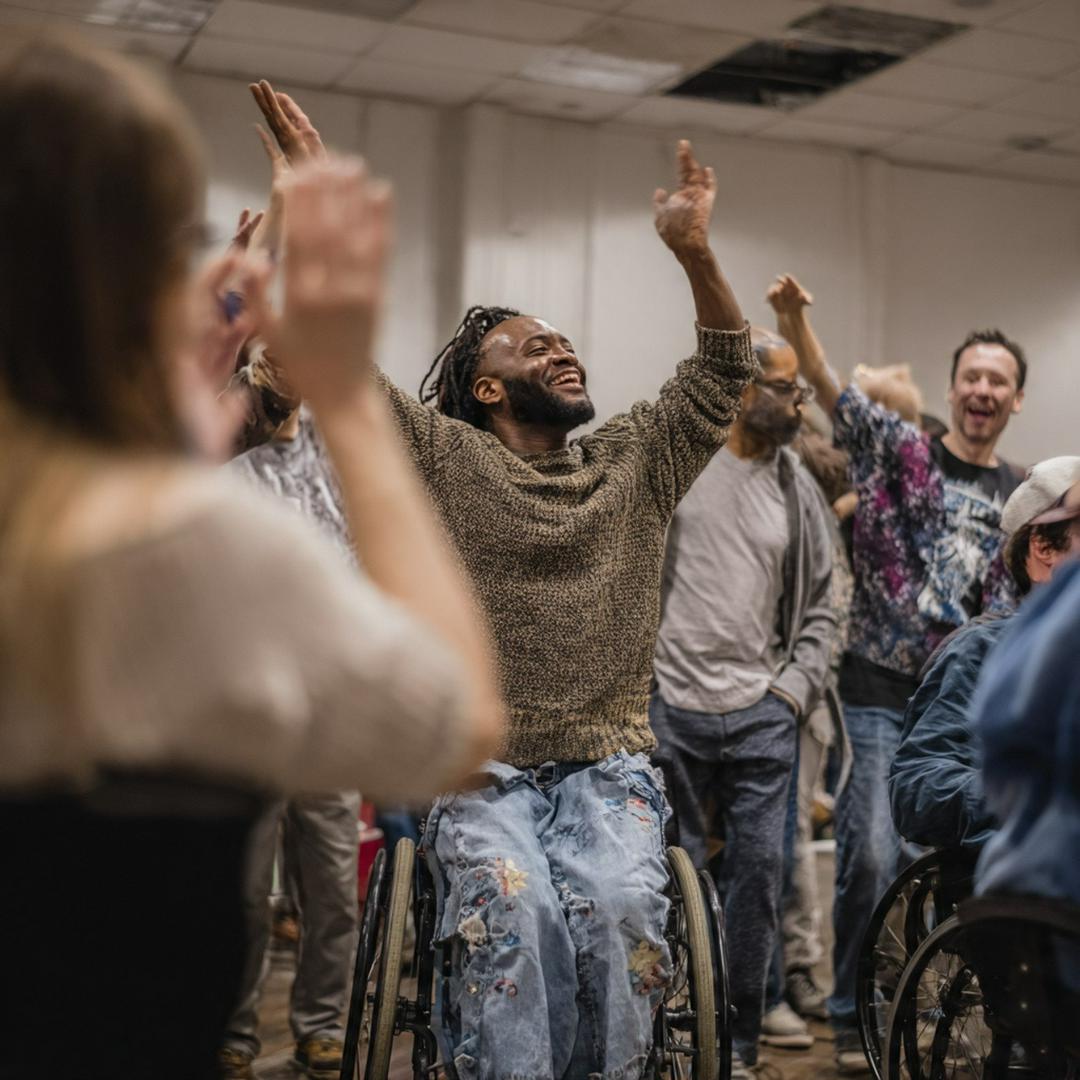
Ever heard of #psychodrama therapy? It's a form of #therapy that uses action and creativity to explore and heal emotional struggles. By acting out scenarios, participants can gain new insights, process trauma, and develop coping skills. ✓Role-playing to explore different perspectives ✓ Using props and space to express emotions ✓ Focusing on spontaneity and creativity ✓Building empathy and self-awareness As I'm learning in my psychodrama therapy class, I'm curious to see how this approach can support recovery and growth. I'm intrigued but also have questions. 🤔 -> How does it ensure safety for clients sharing trauma? -> Can it be adapted for diverse needs and comfort levels? -> What's the role of the Peer Specialist Sober Coach/ Life Coach in guiding the process? I'm not completely on board yet ~~> my first thought is it could feel chaotic or out of control as trauma surfaces 🤯 I am curious to explore more and see how it can support recovery and growth! #whatsaysYou 👉 #PsychodramaTherapy #MentalHealthAwareness #TraumaHealing #TherapyJourney #RecoveryIsPossible #CelebrateRecovery #HealingThroughAction #CreativeTherapy #TherapistLife #ExploringTherapy #justdoit #NAMIonline Programs | NAMI https://share.google/zT2qQ37SYpRgAFVJK

justme

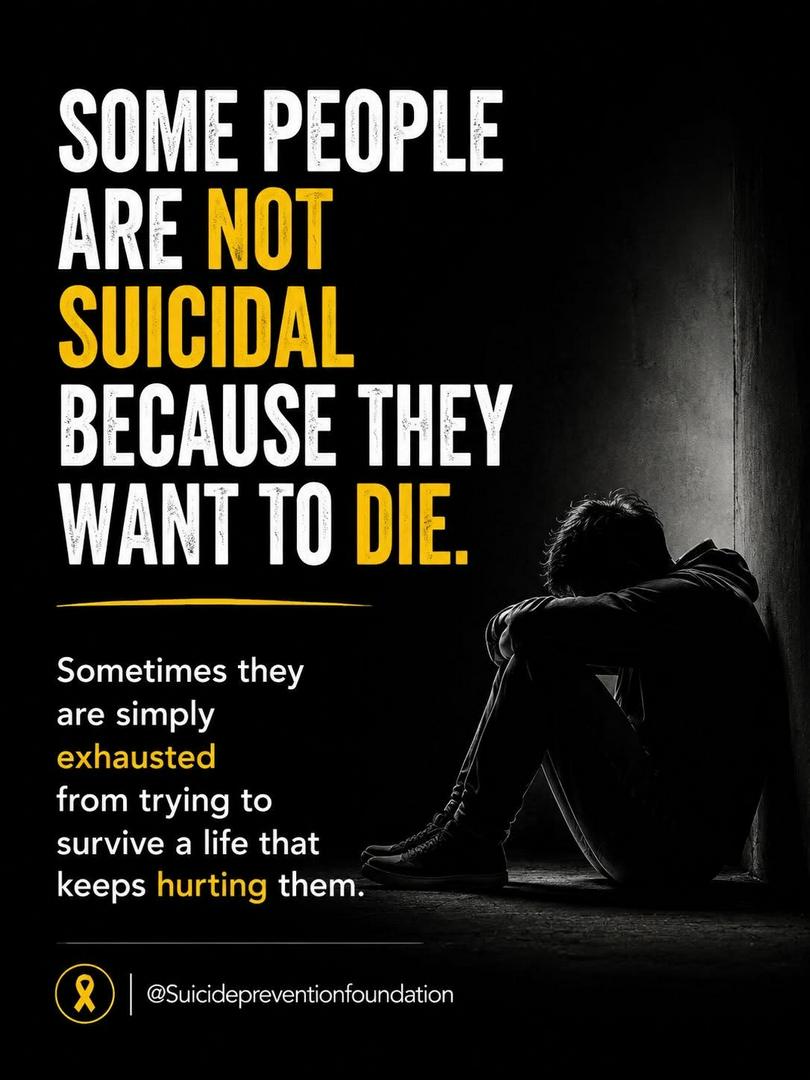
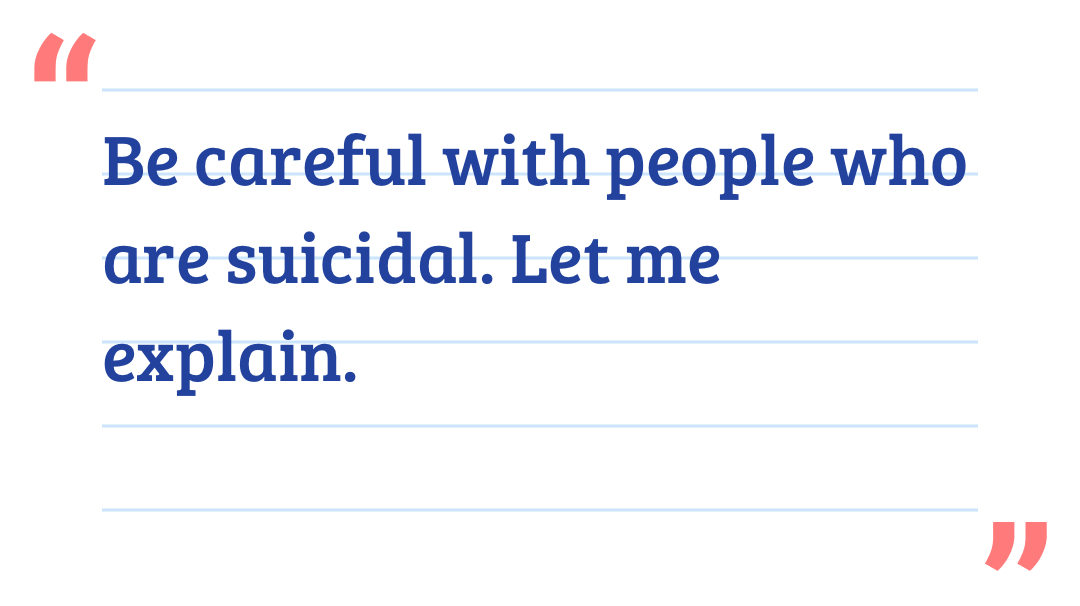
Be careful with people who are suicidal. Let me explain. 1. They still show up. To work. To school. To family events. And then collapse when they’re finally alone. 2. They listen to everyone else’s problems, but feel like a burden for having their own. 3. Their laughter sounds real, but it’s often a shield they’ve perfected over time. 4. They don’t always want to die—they just want the pain, the noise, the heaviness to stop. 5. They function well enough that people assume they’re fine, so no one looks closer. 6. They may give hope to others while quietly losing it themselves. 7. Their hardest moments happen in silence—late at night, in the shower, during the drive home. 8. They don’t always say “I’m suicidal.” Sometimes they say “I’m tired,” “I’m empty,” or nothing at all. 9. They apologize for existing, for needing reassurance, for taking up space. 10. They survive the day for others—but don’t know how to live it for themselves. So when we say check on people, don’t make it a slogan. Sit with them. Ask twice. Listen without fixing. Stay longer than feels comfortable. Because the people who seem “strong,” “okay,” or “used to it” are often the ones fighting the hardest battles in silence. And silence can be dangerous—but connection saves lives. 💛 #mentalhealthawareness #suicideprevention #mentalhealth

Dashcamgram

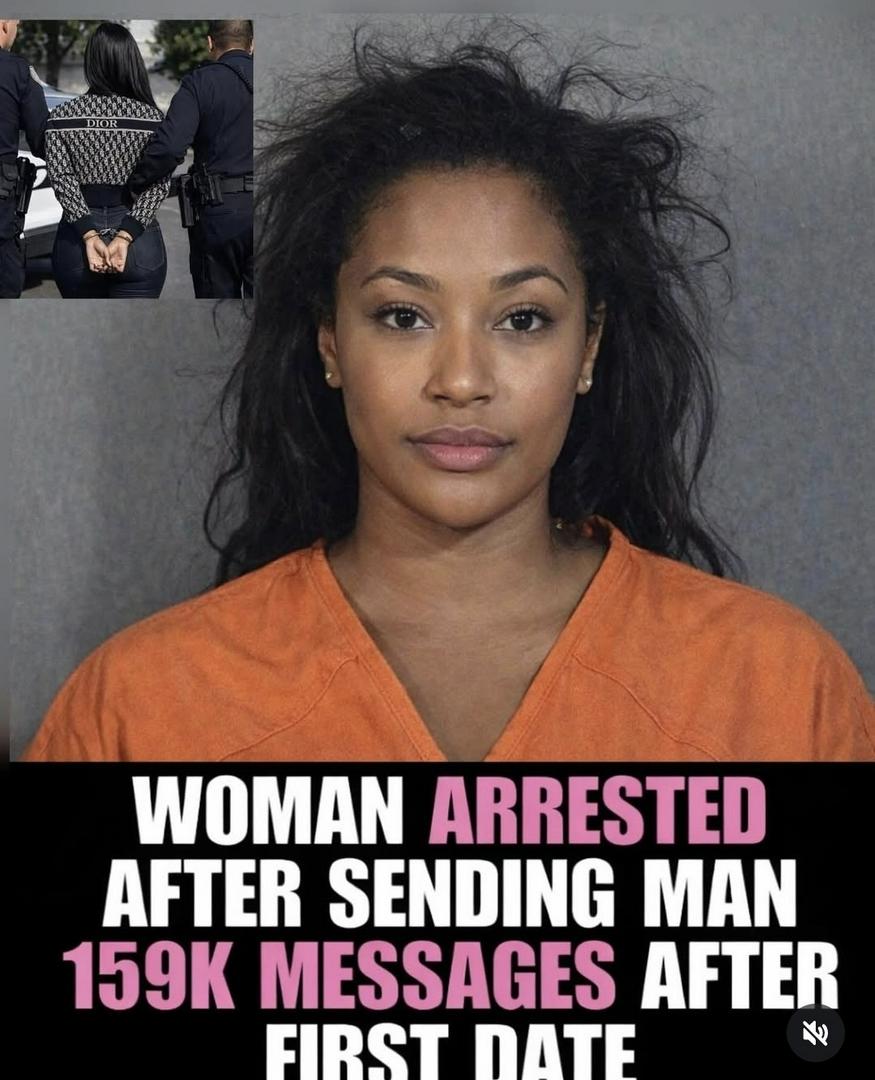
This one is wild — and honestly a little scary. A woman was reportedly arrested after sending a man over 159,000 messages following their first date. Let that sink in. One date turned into nonstop calls, texts, voicemails, and messages across platforms. Authorities say it escalated to harassment, leading to her arrest. At first glance, people laugh at stories like this. But underneath it is something deeper: boundaries being ignored, obsession replacing connection, and someone clearly spiraling instead of stepping back. Dating is supposed to be mutual. Interest should be reciprocated. Silence is an answer. When someone doesn’t respond, the move isn’t to double down — it’s to respect the space. This is also a reminder that mental health struggles don’t always look dramatic at first. Sometimes they start quietly, behind a phone screen, one message at a time. Protect your peace. Set boundaries early. And if someone shows you who they are… believe them. #DatingGoneWrong #ViralStory #RealLifeNews #BoundariesMatter #MentalHealthAwareness #RespectTheNo #ModernDating #RedFlags #TrueCrimeLite #OnlineSafety #KnowYourWorth #HardTruths #StaySafe

Buzz Crest

Clark Goodman, a high school senior just months away from graduation, tragically died by suicide on Monday, January 26th, 2026. His aunt, Jennifer Vandeburg, confirmed the heartbreaking news, expressing deep sorrow over the loss of her nephew. The tragedy has prompted passionate pleas from community members urging parents to recognize warning signs in their children. Rich Leone emphasized that young people rarely verbalize suicidal thoughts directly. Instead, they display subtle behavioral changes, speak differently, or act out of character. Leone stressed that parents must actively engage in their children's lives, creating space for open communication. Clark's death highlights the critical importance of mental health awareness among teenagers. Experts note that young people often struggle silently, making parental attention and involvement essential. Family time, whether through simple activities like drives together or shared meals, can provide crucial opportunities for teenagers to open up about their struggles. A memorial service honoring Clark's life will take place at 10am on Saturday, February 7th, 2026, at Smoky Hill United Methodist Church, located at 19491 E. Smoky Hill Rd, Centennial, CO 80015. The Goodman family requests prayers during this devastating time. Clark's death serves as a sobering reminder that communities must prioritize youth mental health and create supportive environments where struggling teenagers feel heard and valued. #ClarkGoodman #MentalHealthAwareness #YouthSuicidePrevention #TeenMentalHealth #ParentalSupport #SuicidePreventionMatters #EndTheStigma #MentalHealthMatters #CommunitySupport #RIPClarkGoodman

Dashcamgram

This is Amanda Bynes — but the story is bigger than just her. Teen stardom has a pattern, and it’s not pretty. It takes kids who are still forming their identity, hands them fame, money, and pressure, then expects them to carry it like adults. The applause comes early. The expectations come fast. And the support usually comes too late. Amanda didn’t “fall off.” She grew up in an industry that rewards performance, not protection. One that celebrates you at your peak and quietly disappears when you struggle. This isn’t about judging outcomes — it’s about questioning the system. Why do we keep watching this happen and acting surprised every time? Child stars don’t need endless criticism or nostalgia comparisons. They need grace, boundaries, and humanity. Because fame doesn’t raise kids. People do. And too often, no one was really there. #AmandaBynes #TeenFame #ChildStars #HollywoodTruth #FameIsntFree #MentalHealthAwareness #ProtectYoungTalent #BehindTheScenes

John Spencer Ellis

How can you spot a pathological liar? Ever wondered if someone’s lies go beyond the occasional white fib? Let’s dive into the world of pathological lying – a behavior that’s more than just dishonesty. Clinically, pathological lying (also known as pseudologia fantastica or mythomania) is defined as a persistent, pervasive, and often compulsive pattern of excessive lying that causes significant impairment in social, occupational, or other areas of life. It leads to marked distress, poses risks to oneself or others, and lasts longer than six months. Unlike everyday lies told for gain or to avoid trouble, these are habitual, elaborate falsehoods without clear motive – the liar might even believe them or mix truth with fantasy. It’s not a standalone diagnosis in the DSM-5 but often links to personality disorders like narcissism or antisocial traits. Experts note it’s disproportionate to any benefit, manifesting over years. Spot it in action? Here are two everyday examples: 1 The Chronic Storyteller at Work: Imagine a colleague who constantly fabricates grand tales about their weekend adventures – claiming they partied with celebrities or climbed mountains – even when no one’s asking. These lies pile up, erode trust, and isolate them, but they can’t stop, despite the fallout. 2 The Family Fabricator: Think of a relative who invents health crises or dramatic family secrets to garner sympathy and attention. They might say they’re battling a rare illness (when healthy) or accuse others falsely, creating chaos without remorse or reason. If this sounds familiar, set boundaries and encourage professional help – therapy can uncover roots like low self-esteem. Knowledge is power! #MentalHealthAwareness #PathologicalLying #TruthMatters #itsnotyou #malignantnarcissistproblems

Tag: MentalHealthAwareness | LocalAll