Tag Page Military

#Military
vasqueztravis

america’s sons go to war, politicians’ sons go to college

Every time this country sends troops abroad, it’s not the sons of senators or congressmen boarding those planes. It’s the boys from Ohio steel towns, the kids from Texas farms, the young men who grew up fixing cars in their dad’s garage. They wear the uniform, they fight, and too often, they don’t come home. Meanwhile, the sons of Washington elites sit in classrooms at Yale or Harvard. They’ll graduate into think tanks, hedge funds, or government jobs their last names already secured. We call it “patriotism.” But let’s be real—patriotism has always been a bill handed to the working class, paid in blood, while the rich cash in the dividends of “freedom.” So here’s the question no one in power dares to ask out loud: if every senator’s son had to fight on the frontlines, how many wars would america actually fight? #Politics #MiddleClass #Military

america’s sons go to war, politicians’ sons go to college
WaveFable

The Draft Debate — Will America Force Its Youth to Fight Again?

The whispers are getting louder: could America bring back the draft? With tensions rising in the Pacific and Europe, military recruitment is hitting historic lows. Gen Z isn’t signing up, and the Pentagon knows it. Behind closed doors, officials are discussing “selective service reform” — a softer term for what might eventually mean mandatory service. Supporters argue that national defense requires shared sacrifice. But critics say it’s a desperate move to fix decades of policy failure. Why should young Americans fight wars started by politicians who never sent their own kids to battle? The last time America drafted soldiers, it tore the country apart. Streets filled with protests, campuses erupted, and trust in government collapsed. Are we really ready to reopen that wound? If Washington insists on fighting wars abroad while ignoring the divisions at home, the real battle might not be overseas—it might start right here. #Military #Draft

The Draft Debate — Will America Force Its Youth to Fight Again?
Cops911

The United States Marine Corps – A Symbol of Strength and Loyalty

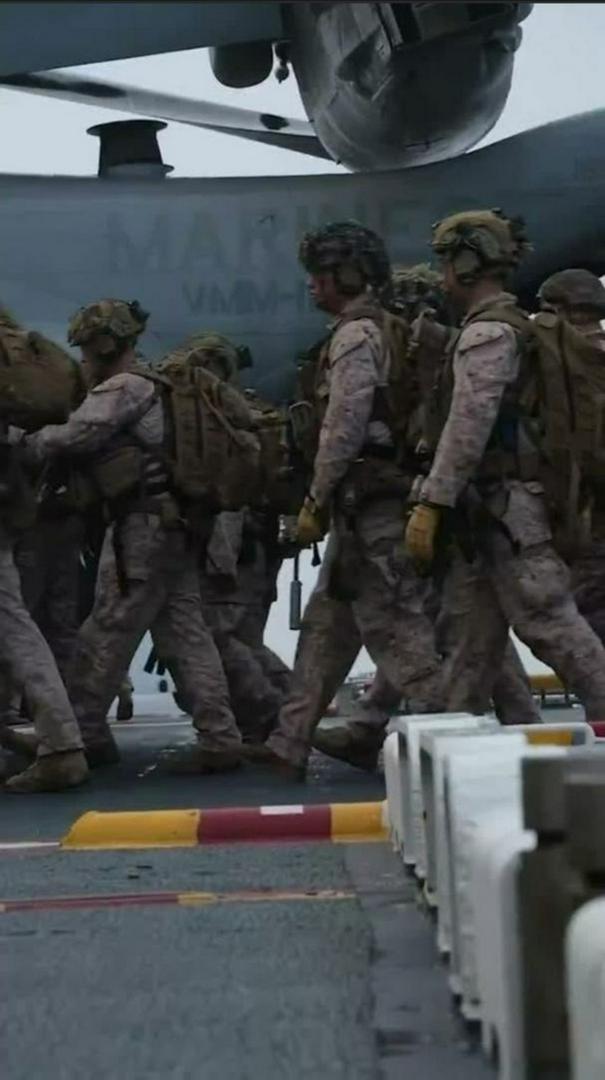
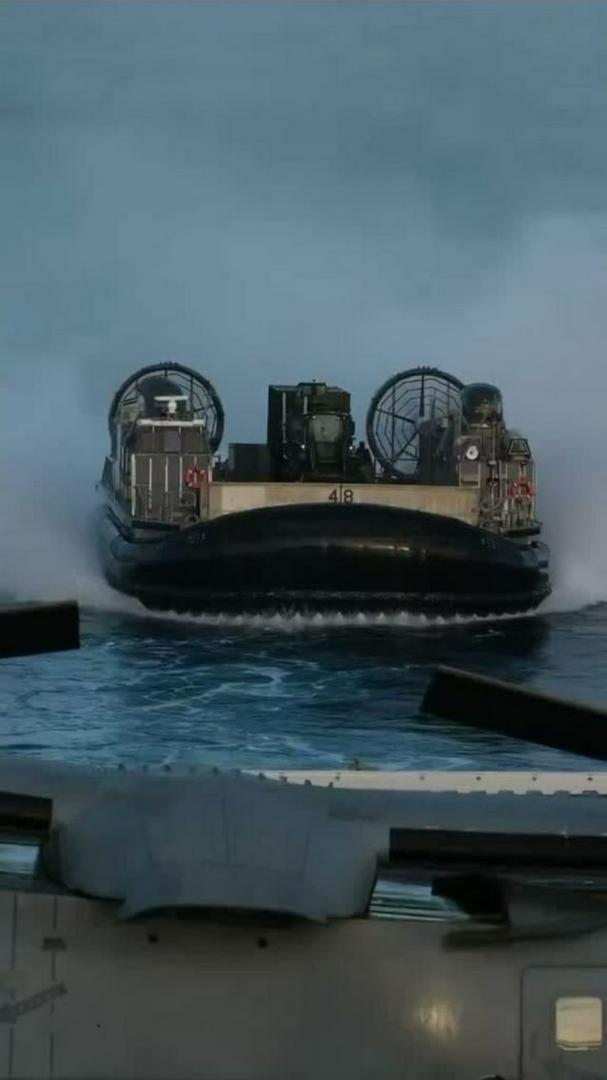
The United States Marine Corps (USMC) is one of America’s most elite military forces, founded on November 10, 1775, during the Revolutionary War. From its earliest amphibious operations, the Marines quickly became the spearhead in nearly every major U.S. conflict. With a combined structure of ground, air, and logistics units, the USMC can deploy worldwide within hours. They are equipped with advanced systems such as amphibious assault vehicles, F-35B fighter jets, AH-1Z attack helicopters, and M777 howitzers. Their 13-week basic training is considered one of the toughest tests of physical and mental endurance in the U.S. military. The motto “The Few, The Proud, The Marines” reflects their pride and unbreakable spirit. Today, the Marines serve as America’s global rapid-response force, often the first to arrive in times of crisis. Their creed, “Semper Fidelis” – Always Faithful, stands as a lifelong pledge of honor. For more than two centuries, the USMC has remained a symbol of America’s strength, discipline, and unwavering courage. #Military #USMilitary #MarineLife #MilitaryEnlistment #VeteranPride #MilitaryTribute #ArmyStrong #M1Abrams #MarineMagic #MarineMiracle

The United States Marine Corps – A Symbol of Strength and Loyalty
KAndoor

The United States Marine Corps - A Symbol of Strength and Loyalty The United States Marine Corps (USMC) is one of America's most elite military forces founded on November 10, 1775, during the Revolutionary War. From its earliest amphibious operations, the Marines quickly became the spearhead in nearly every major U.S. conflict With a combined structure of ground, air and logistics units, the USMC can deploy worldwide within hours. They are equipped with advanced systems such as amphibious assault vehicles, F-35B fighter iets, AH-1Z attack helicopters, and M777 howitzers Their 13-week basic training is considered one of the toughest tests of physical and mental endurance in the U.S. military The motto "The Few. The Proud, The Marines" reflects their pride and unbreakable spirit Today, the Marines serve as America's global rapid-response force, often the first to arrive in times of crisis Their creed, "Semper Fidelis" - Always Faithful, stands as a lifelong pledge of honor. For more than two centuries. the USMC has remained a svmbol of America's strength discipline, and unwavering courage #Military #USMilitary #MarineLife #MilitaryEnlistment #VeteranPride #Military Tribute #ArmyStrong #M1Abrams #MarineMagic #MarineMiracle

Kimmie_Anderson

The United States Marine Corps - A Symbol of Strength and Loyalty The United States Marine Corps (USMC) is one of America's most elite military forces. founded on November 10, 1775 during the Revolutionary War From its earliest amphibious operations the Marines quickly became the spearhead in nearly every major U.S conflict. With a combined structure of ground, air and logistics units, the USMC can deploy worldwide within hours. They are equipped with advanced systems such as amphibious assault vehicles, F-35B fighter iets, AH-1Z attack helicopters, and M777 howitzers. Their 13-week basic training is considered one of the toughest tests of physical and mental endurance in the U.S. military Marines" reflects their pride and unbreakable spirit Todav, the Marines serve as America's global rapid-response force, often the first to arrive in times of crisis. Their creed, "Semper Fidelis" - Always Faithful, stands as a lifelong pledge of honor. For more than two centuries, the USMC has remained a svmbol of America's strength, discipline, and unwavering courage. #Military #USMilitary #MarineLife #MilitarvEnlistment #VeteranPride #MilitaryTribute #ArmyStrong #M1Abrams #MarineMagic #MarineMiracle

1776 Patriot

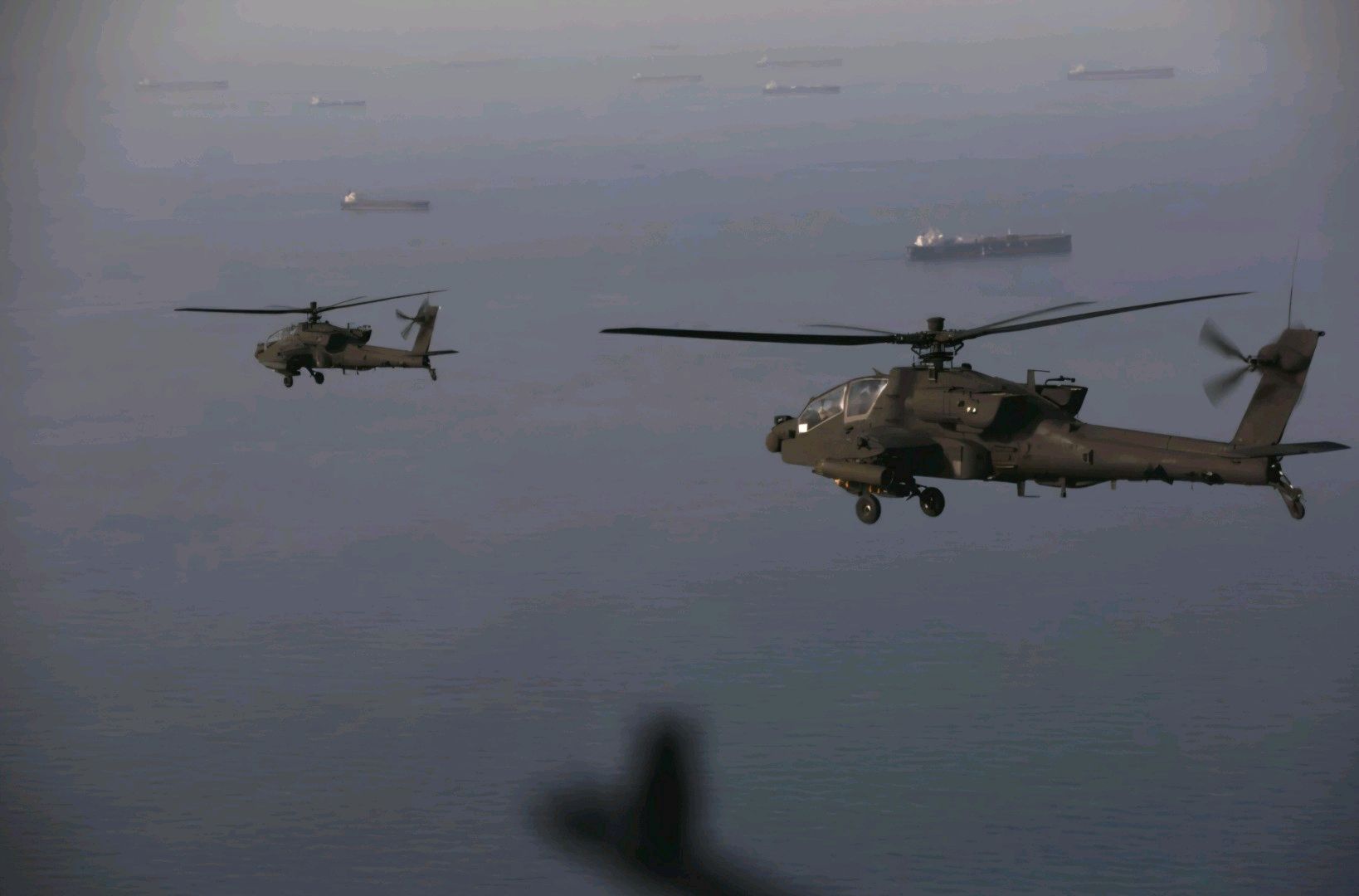
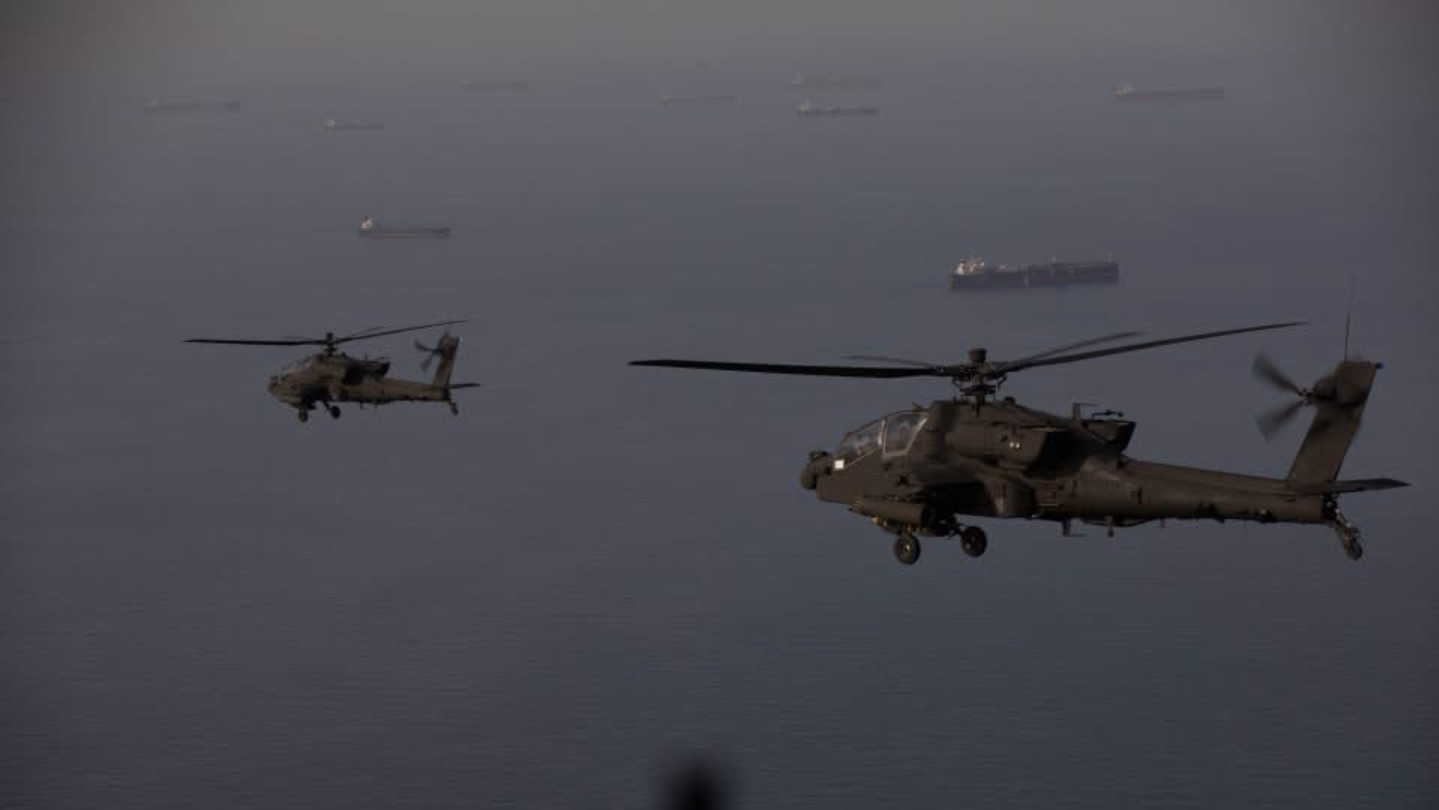
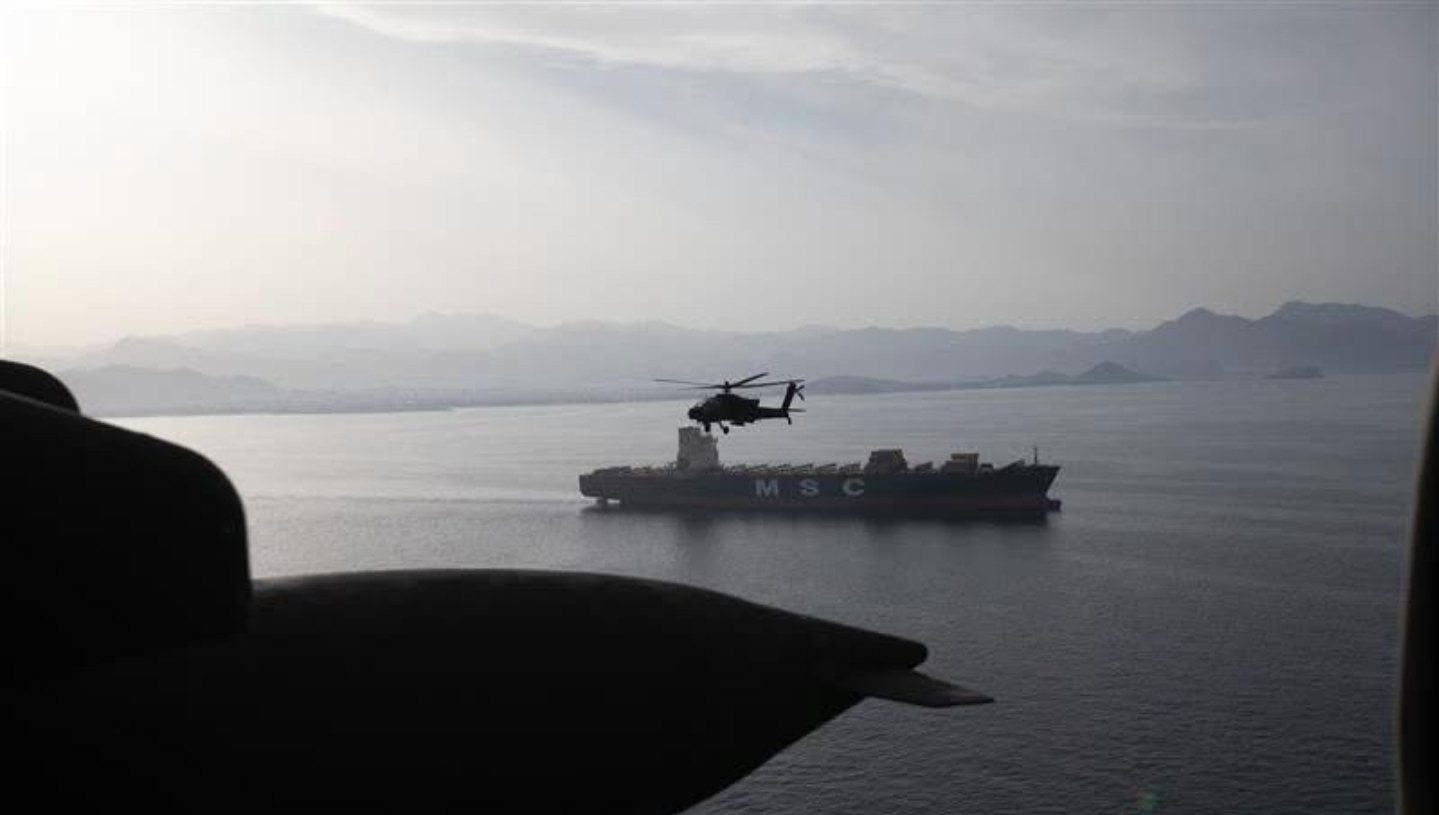
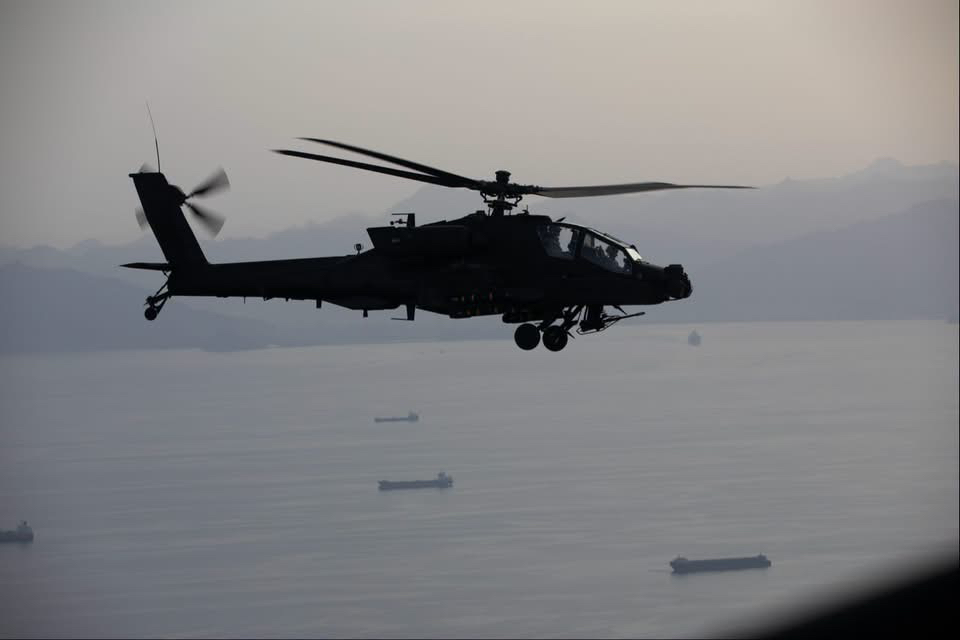
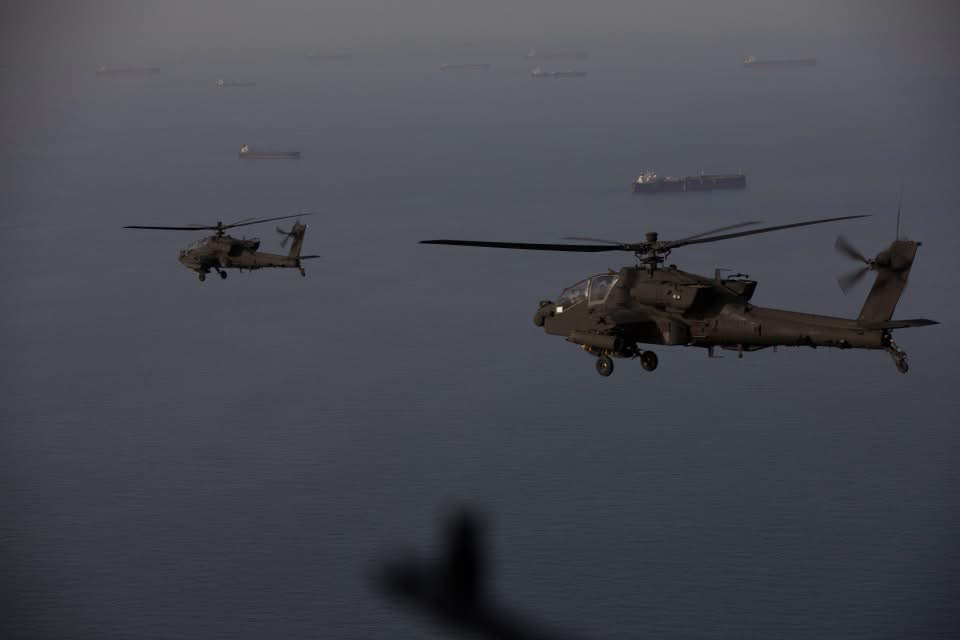
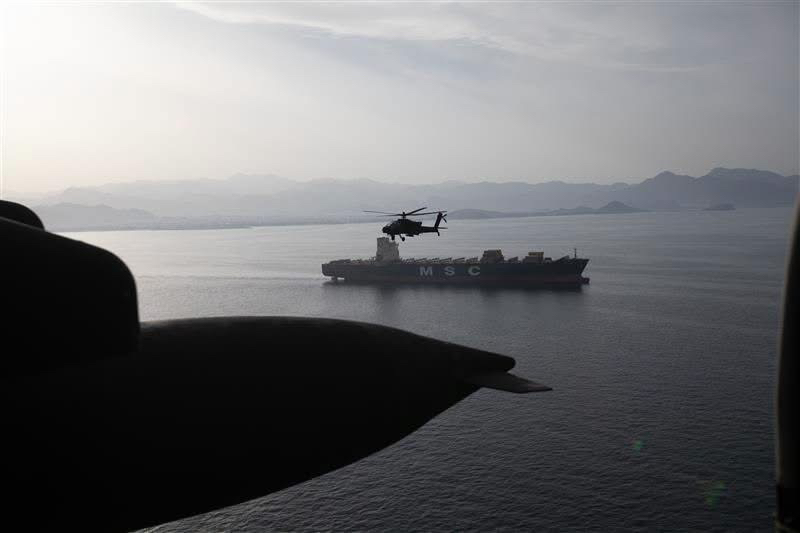
USS McFaul (Destroyer) and USS Lincoln (Aircraft Carrier) Down Iranian Drone, Repel Fast Boats, Protect Gulf Shipping According to the nonpartisan Institute for the Study of War, Iran entered 2026 on high alert, deploying hundreds of short- and medium-range ballistic missiles and dozens of Shahed-type UAVs across Iraq, Syria, and the Persian Gulf. Tehran claims it does not seek war with the U.S. or Israel, but these deployments signal its regional strike capability and willingness to escalate. On Feb. 3, 2026, the USS McFaul, a U.S. Navy Arleigh Burke-class guided-missile destroyer, intercepted a Shahed-191 UAV entering contested airspace using RIM-162 ESSM surface-to-air missiles, one of several drones Iran deployed near northern Persian Gulf shipping lanes. Later, two IRGC fast boats, each capable of speeds over 50 knots (58 mph) and armed with machine guns and small missiles, approached the U.S.-flagged tanker Stena Imperative in the Strait of Hormuz, a chokepoint 21 nautical miles wide at its narrowest point. The USS McFaul, coordinating with F‑35C fighter jets from the USS Lincoln, which arrived earlier this week to reinforce U.S. naval presence, escorted the tanker safely through the Strait, which carries roughly 20% of global oil shipments. ISW analysts note that these incidents show Iran’s continued use of UAVs and fast-attack craft to gather intelligence, test defenses, and signal resolve while avoiding large-scale escalation. Diplomatic efforts on regional de-escalation, maritime security, and proxy limits remain stalled. U.S. Secretary of State Marco Rubio said, “If the Iranians want to meet, we’re ready, but talks must include ballistic missiles, proxy support, and treatment of the Iranian people.” Iranian Foreign Minister Abbas Araghchi said, “We are prepared for negotiations respecting our sovereignty, but will not discuss our missile program.” Nuclear talks are scheduled for the end of the week. #BreakingNews #News #USNews #USA #Military #Defense

1776 Patriot

A Nation’s Gratitude: A Holiday Message for Our Service Members, Veterans, First Responders and Their Families During this season of gratitude, we honor the brave men and women who serve our nation, the veterans who have carried the weight of duty, the First Responders who rush toward danger, and the families and loved ones who stand beside them. From soldiers huddled in the trenches at Trenton on Christmas 1776 to troops spending Christmas 1944 in the Ardennes during the Battle of the Bulge, and those serving in Iraq and Afghanistan during past holiday seasons, Americans have answered the call with courage. As General George Washington reminded his troops, “The harder the conflict, the greater the triumph,” a truth that echoes through every generation of service members and those who support them. This holiday season, more than 200,000 active duty service members remain deployed worldwide, carrying that same resolve while families wait and hope at home. On behalf of a grateful nation, thank you for all that you do. Your sacrifices safeguard our freedom, your courage strengthens our republic, and your commitment inspires the country you serve. We also honor our First Responders, who work through holidays and hardship alike, answering emergencies, protecting communities, and standing watch when others are able to gather in safety. That enduring spirit lives on in every uniform worn, every veteran who has defended liberty, every emergency call answered, and every quiet vigil kept by families and supporters. This Christmas, as candles glow and songs rise into the night, and as Hanukkah lights shine as symbols of resilience, faith, and hope, may you feel the deep appreciation of a thankful America. May the warmth of family, the comfort of tradition, and the knowledge that your service is honored surround you throughout the season. Merry Christmas and a joyous Hanukkah to our heroes, and to all who love and support them. #MilitaryGratitude #Veterans #Military

Curiosity Corner

The Iraq Jellyfish UAP: Scientific Analysis – What Is This Object? A widely circulated infrared video recorded near Al Taqaddum Air Base in Iraq shows a dark, rounded aerial object with multiple trailing appendages hovering above a U.S. installation. The footage was captured by a forward looking infrared FLIR sensor, which detects thermal contrast rather than visible light, mounted on a tethered aerostat, a balloon based surveillance platform operating at about 1,000 feet. The roughly 17 minute video shows no visible propulsion, and the object appears to maintain altitude despite variable wind conditions. U.S. Marines reported visual contact. One described it as “hovering there, completely silent,” unlike known aircraft. Another said the appendages “didn’t move like a helicopter or drone” and appeared “almost alive,” increasing uncertainty because the object did not match familiar profiles. Analysis centered on sensor physics and atmospheric effects. FLIR systems display temperature differences rather than physical structure, so uneven heating can create apparent appendages or motion. Image stabilization can exaggerate minor drift, making thin or flexible materials appear animated. Wind shear, turbulence, and thermal inversion layers further distort shape and movement. Temperature differences under one degree Celsius can produce pronounced infrared artifacts. The All-Domain Anomaly Resolution Office (AARO), reviewed similar Middle East footage and concluded with about 95 percent confidence that the objects were balloon clusters, based on full motion video analysis, pixel tracking, sensor calibration, and wind modeling. As a government entity, AARO’s conclusions also carry inherent plausible deniability regarding an actual UAP government program. With that in mind, do you believe AARO’s conclusion that these were balloons? #UFO #UnexplainedPhenomena #Science #Mystery #Physics #Military #Defense

1776 Patriot

Monopoly: The Secret Weapon to Free American POWs During World War II, the familiar board game Monopoly became an unlikely instrument of rescue for American prisoners of war held in German camps. British intelligence and the Red Cross sought creative ways to support Allied POWs, as traditional supply lines were risky and sending contraband was nearly impossible. Monopoly provided the perfect cover. Special editions of the game were produced with hidden compartments containing maps, compasses, real money, and tools for escape. Each game was carefully packed into a wooden box that appeared normal to German inspectors, ensuring the deception remained effective and convincing. More than 3,000 Monopoly sets were shipped to POW camps across Europe, many specifically for American soldiers. At the time, there were roughly 130,000 American POWs in German camps. The dice were hollowed to hold tiny maps, the money stacks concealed real cash, and playing pieces hid small compasses or files. Some sets even contained silk maps that could be folded into pocket-size sheets. In one case, an American officer used a Monopoly board to escape from a high-security camp, traveling more than 30 miles using the concealed tools, evading German patrols along the way and navigating treacherous terrain under cover of darkness. German guards reportedly never noticed anything unusual. Of the 3,000 sets sent, at least 30 escapes were directly aided by the hidden items, and dozens more prisoners used the tools to aid others or evade capture. By 1944, Allied intelligence refined production to include updated maps reflecting shifting battlefronts. Today, some wartime Monopoly sets are preserved in museums, including the Imperial War Museum in London. A simple family game became crucial in saving lives, transforming clever ingenuity into a daring tactical advantage that outwitted captors and inspired hope in desperate circumstances. #Monopoly #BoardGames #USHistory #Military #America #WWII

GlacialGlimpse

Drone Swarms: Power in Numbers or Control Nightmare?

Unmanned systems aren’t new, but the idea of drone swarms—hundreds or thousands of small, cheap drones acting together—is transformative. U.S. R&D labs are testing swarms that can overwhelm air defenses, conduct surveillance, or even do kinetic strikes. There are stories from testing where simple drones dodged anti-air guns by dispersion. But controlling a large swarm brings huge command, control, and communication (C3) problems. If one jammer or cyber-attack disrupts coordination, the whole swarm could fail or, worse, act unpredictably. Compare this to human pilots: expensive, scarce, but resilient and adaptable. Drone swarms offer volume and risk displacement of personnel, but also new vulnerabilities. The battlefield of the future may not be dominated by a few big platforms, but by many small ones. The question: can the U.S. build the doctrine, secure communications, and ethical frameworks to deploy swarms without chaos? #Military #UnmannedSystems

Drone Swarms: Power in Numbers or Control Nightmare?