Tag Page MorningRoutine

#MorningRoutine
John Spencer Ellis

Tiny Tweaks: How Your Daily Habits Stack Up to Epic Wins Hey, ever think about how that one extra glass of water or a quick 10-minute walk doesn’t seem like much? But dude, those little things? They’re like stealth mode superheroes building your dream life brick by brick. It’s all about the compound effect – small habits snowball over time into massive changes. Picture this: Skip the snooze button and meditate for five minutes every morning. At first, nada. But after months? You’re calmer, focused, and handling stress like a boss. Or swap scrolling TikTok for reading a page or two before bed. Boom – suddenly you’re smarter, more creative, and dropping knowledge bombs in convos. Same goes for grub: Ditch one sugary snack a day for fruit. Over a year, you’re fitter, energized, and maybe even shedding pounds without the gym grind. And don’t forget relationships – a simple “thanks” or listening ear daily? Builds unbreakable bonds and turns acquaintances into ride-or-dies. The magic? Consistency. No overnight miracles, just steady wins. Start tiny: Track one habit today. Watch it ripple out, upgrading your health, mood, and hustle. Life’s not about big leaps; it’s the daily drips that fill the bucket. You’ve got this – go stack those habits! #dailyhabitsforsuccess #morningroutine #dailyprogress #consistencyiskey

John Spencer Ellis

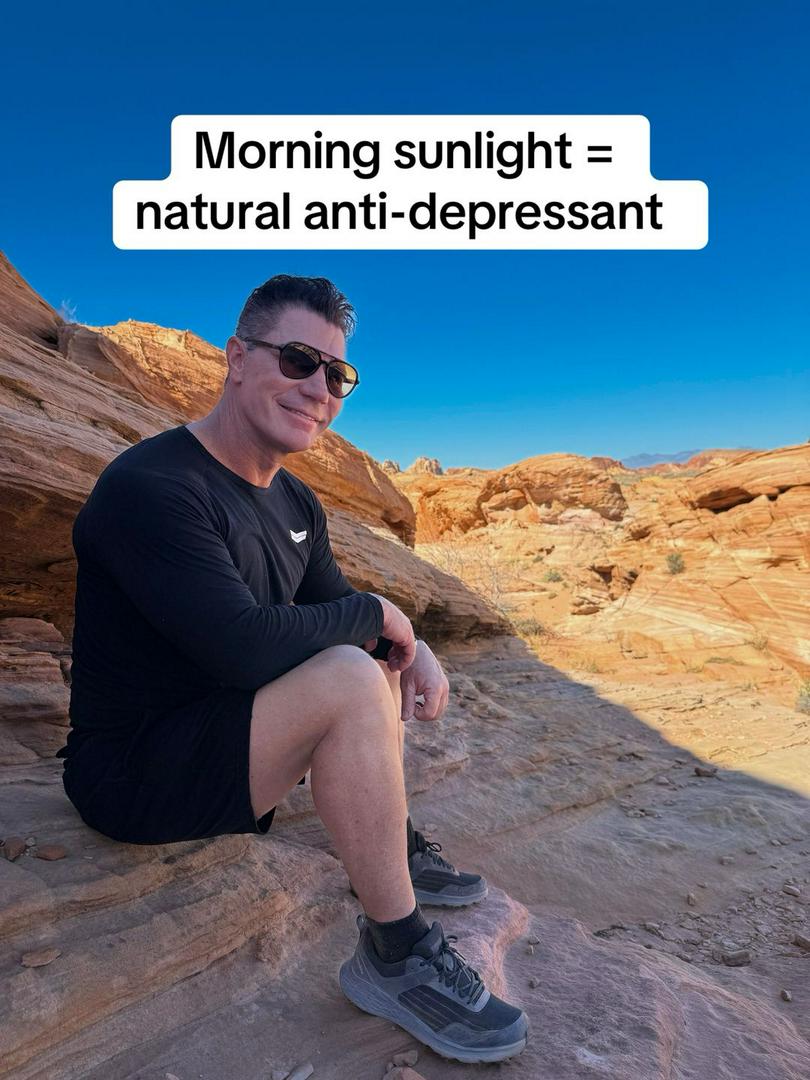
Harnessing Sunlight: Nature’s Natural Antidepressant In our fast-paced world, where screens dominate our days, it’s easy to overlook one of nature’s simplest remedies for low mood: sunlight. But stepping outside into the sun can act as a powerful, natural antidepressant. Backed by decades of research, exposure to natural light has been shown to uplift mental health, combat depression, and enhance overall well-being. At the heart of this phenomenon is serotonin, a key neurotransmitter often dubbed the “feel-good” hormone. Sunlight exposure triggers the brain to release more serotonin, which helps regulate mood, reduce anxiety, and promote feelings of happiness and calm. Low serotonin levels are linked to conditions like major depression and Seasonal Affective Disorder (SAD), a type of depression that worsens in darker months. Studies reveal that just one additional hour outdoors in daylight can lower the long-term risk of depression and decrease reliance on antidepressants, independent of other lifestyle factors. Sunlight also boosts vitamin D production in the skin, essential for brain health. Deficiencies in vitamin D are associated with heightened depression and mood disorders. Moreover, it regulates our circadian rhythm by influencing melatonin, improving sleep quality and reducing stress hormones like cortisol. This holistic effect not only alleviates depressive symptoms but also sharpens mental clarity and energy levels. To harness these benefits safely, aim for 20-30 minutes of morning sunlight daily—without overexposing to UV rays. Take a walk, garden, or simply sit by a window. For those in cloudy climates, light therapy lamps can mimic natural sun. Remember, while sunlight is a fantastic ally, it’s not a substitute for professional mental health care. Embrace the sun’s glow; it might just be the brighten your day needs. #morningroutine #morningcheer #morningvibes https://johnspencerellis.com


John Spencer Ellis

Ever notice how a brisk walk can clear your mind and make you feel sharper? It’s more than just feel-good chemicals—it’s the visual magic happening around you! As you stroll, things like trees, buildings, and people zip past your eyes, creating what’s called “optic flow.” This moving scenery tricks your brain into thinking you’re navigating, lighting up special spots in the visual part of your brain’s gray matter—the dense tissue packed with nerve cells. Studies show this visual buzz activates areas that help with sensing motion and figuring out your position in space. In older folks, stronger activity here can explain a big chunk of how well they track paths visually. Plus, regular walks actually grow gray matter in key brain zones, like those handling decisions, vision, memory storage, and learning. One key study found that walking about 6-9 miles a week (around 72 blocks) led to bigger gray matter volumes years later, cutting the risk of memory problems or dementia in half. So, next time you’re out walking, know you’re not just moving your body—you’re boosting your brain’s gray matter with every step. Who’s ready for a stroll? 🌳🚶‍♂️#graymatter #morningroutine #brainpower #longevitylifestyle

John Spencer Ellis

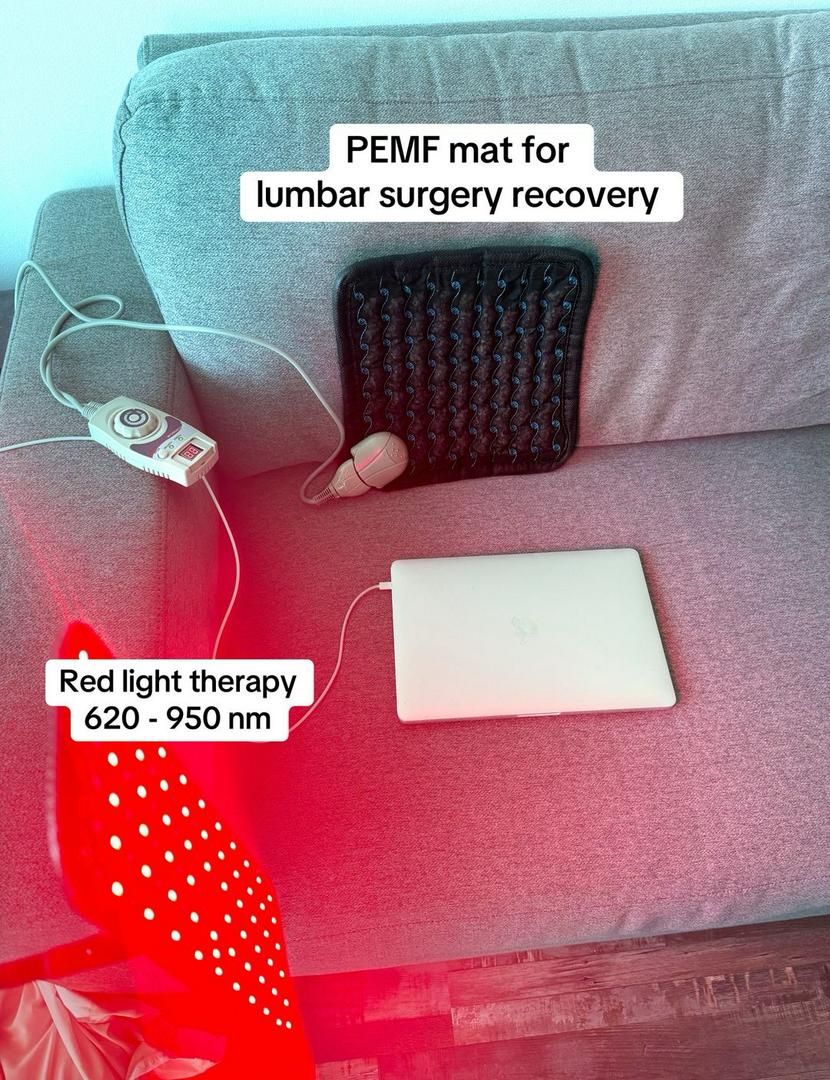
I often get asked, so here’s a little insight to my morning routine. Approximately one year ago I had a very invasive back surgery. I’m doing significantly better and using the PEMF mat each morning, which helps me with mobility throughout the day. PEMF mats emit electromagnetic pulses that stimulate cellular repair, reduce inflammation, and boost circulation, aiding muscle recovery/growth and bone healing for skeletal injuries. I also sit in front of an adjustable red light while I’m doing my back treatment. Red light therapy in the morning boosts mitochondrial ATP production for energy, reduces inflammation, enhances alertness, and mimics sunlight to regulate circadian rhythms. While I’m doing this, I drink my morning protein drink, which includes methylene blue, whey protein, collagen, lysine, creatine and a few other important ingredients. During this time I organize my business tasks for the day. And then take the dog for a walk of about 2 miles. Then, off to the gym to lift. This all begins around 6:30am. Is this a lot? Maybe, but too many men my age (57) look and feel like 💩. I’d like to avoid that 🙏. I’m here to help when you are committed to change. #morningroutine #morningritual #morningvibes #morningcheer