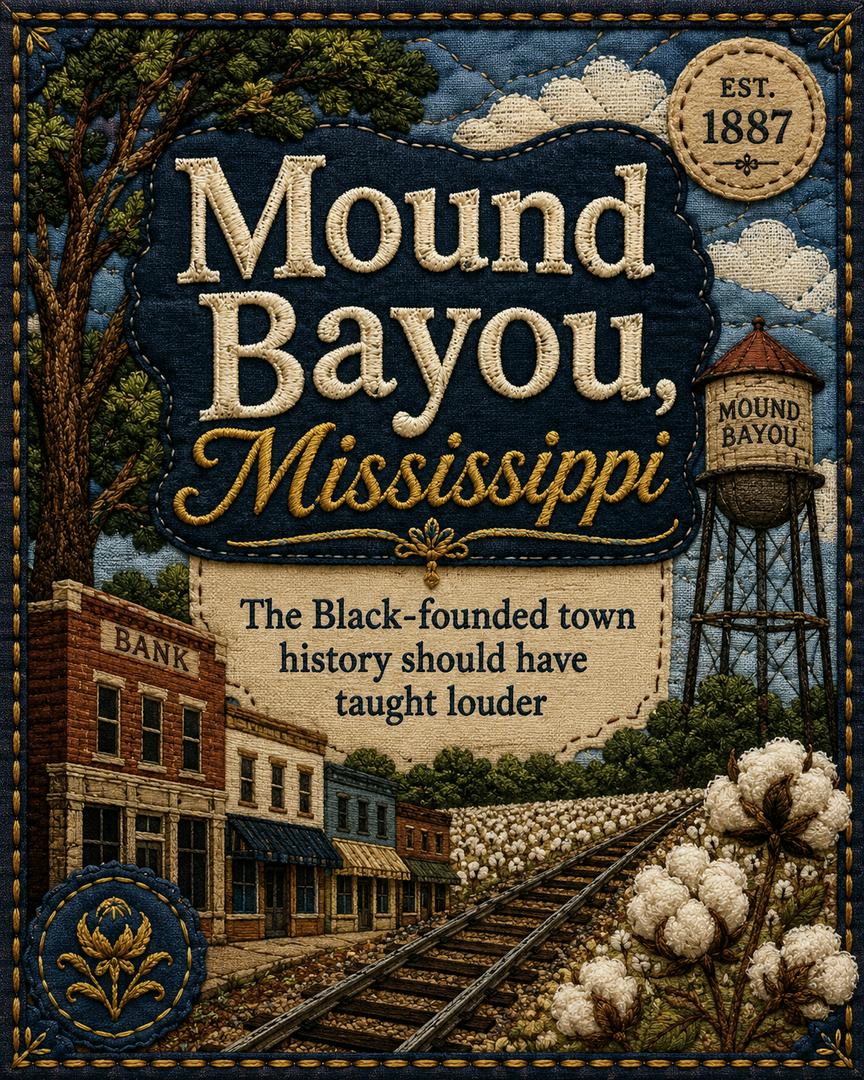
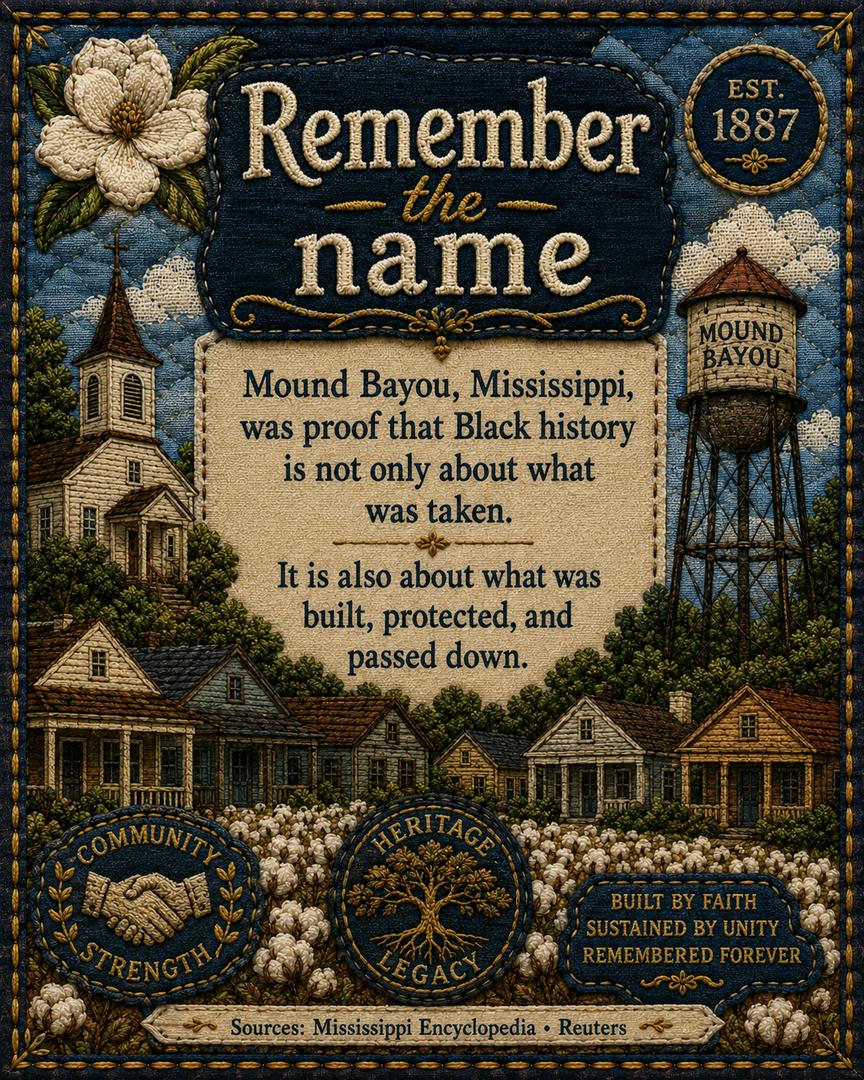
Mound Bayou, Mississippi, stands as one of the strongest examples of Black self-determination in the American South.
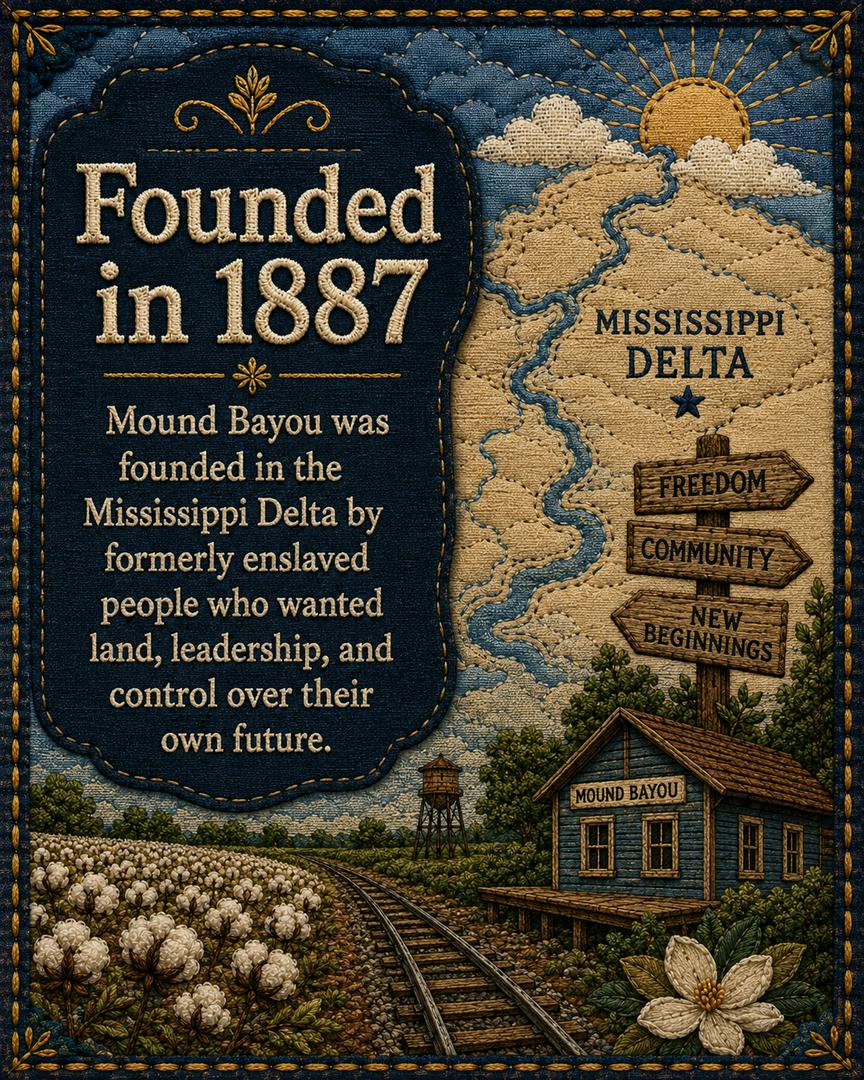
Founded in 1887 in the Mississippi Delta, Mound Bayou was built by formerly enslaved people who wanted more than survival. They wanted land, leadership, schools, businesses, safety, and a town where Black residents could govern themselves.
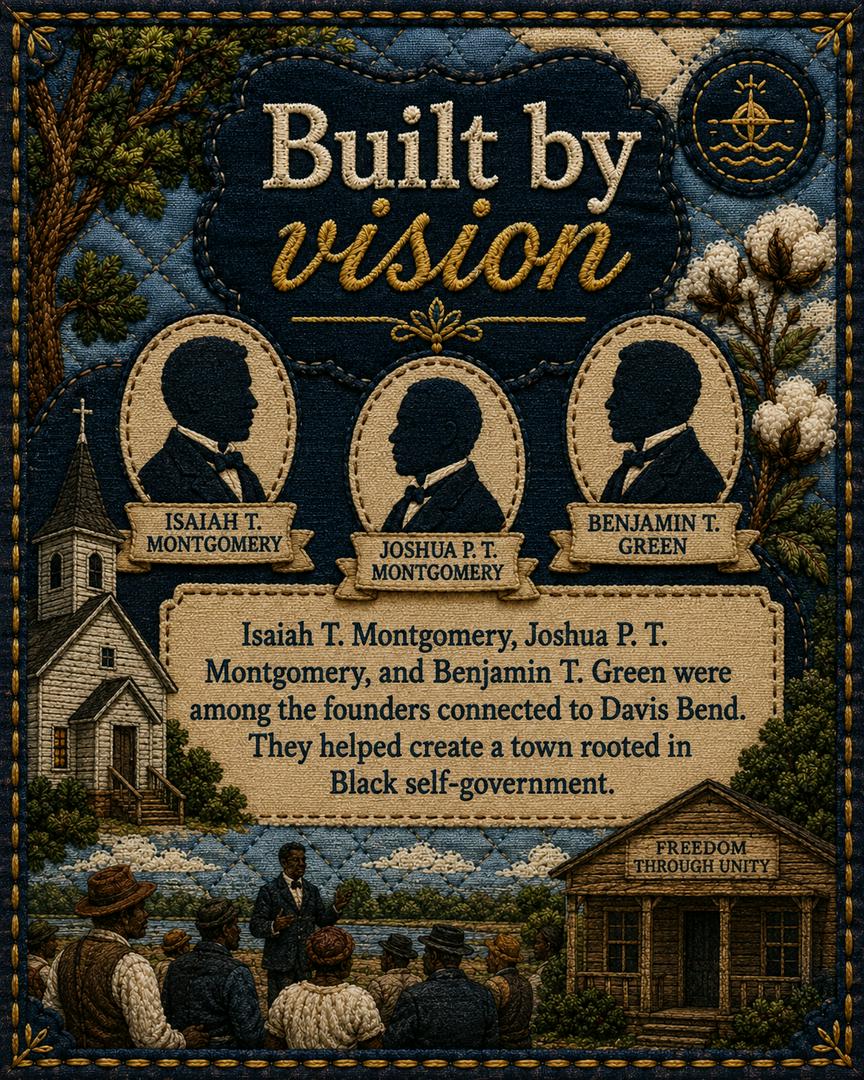
The town was founded by men connected to Davis Bend, including Isaiah T. Montgomery, Joshua P. T. Montgomery, and Benjamin T. Green. What they created was not just a settlement. It became a symbol of possibility during a time when Jim Crow laws and racial violence tried to limit every part of Black life.
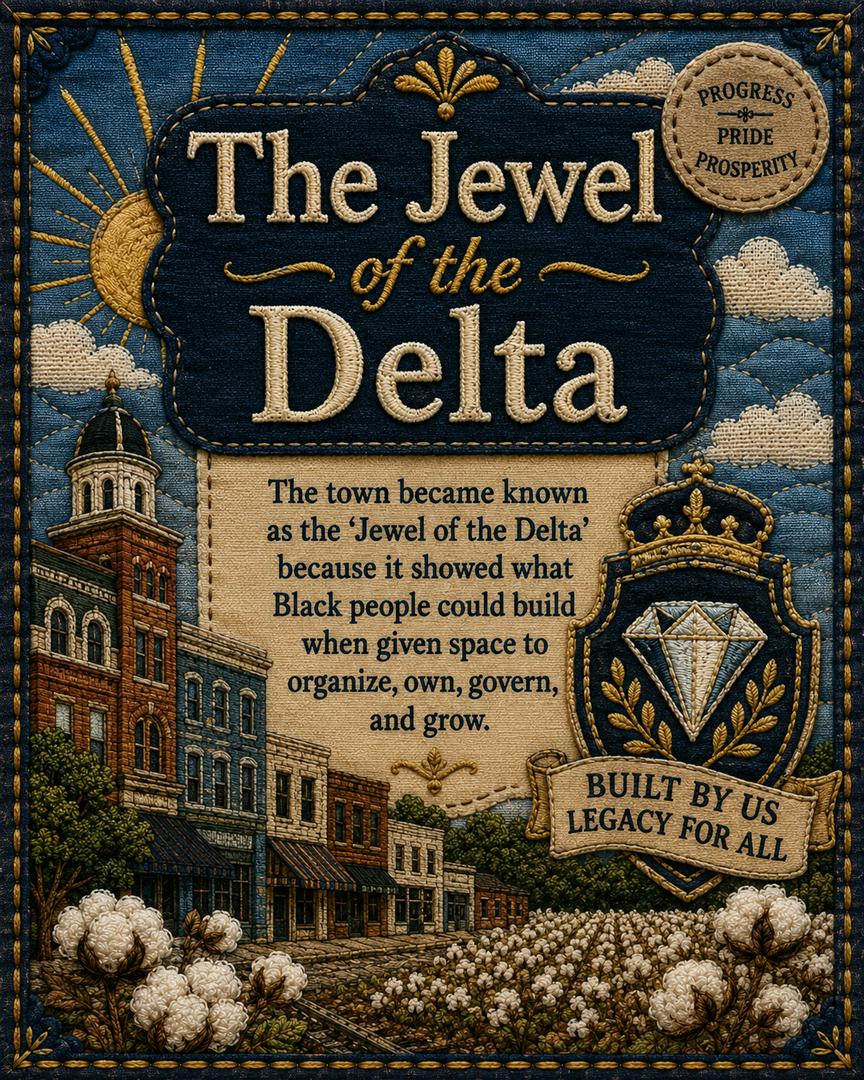
Mound Bayou became known as the “Jewel of the Delta.” At its height, it had Black-owned businesses, banks, merchants, cotton gins, schools, churches, civic organizations, and local leadership. In a region where many Black families were trapped by sharecropping and white-controlled systems, this town represented something different.
It showed what could happen when Black people had room to build.
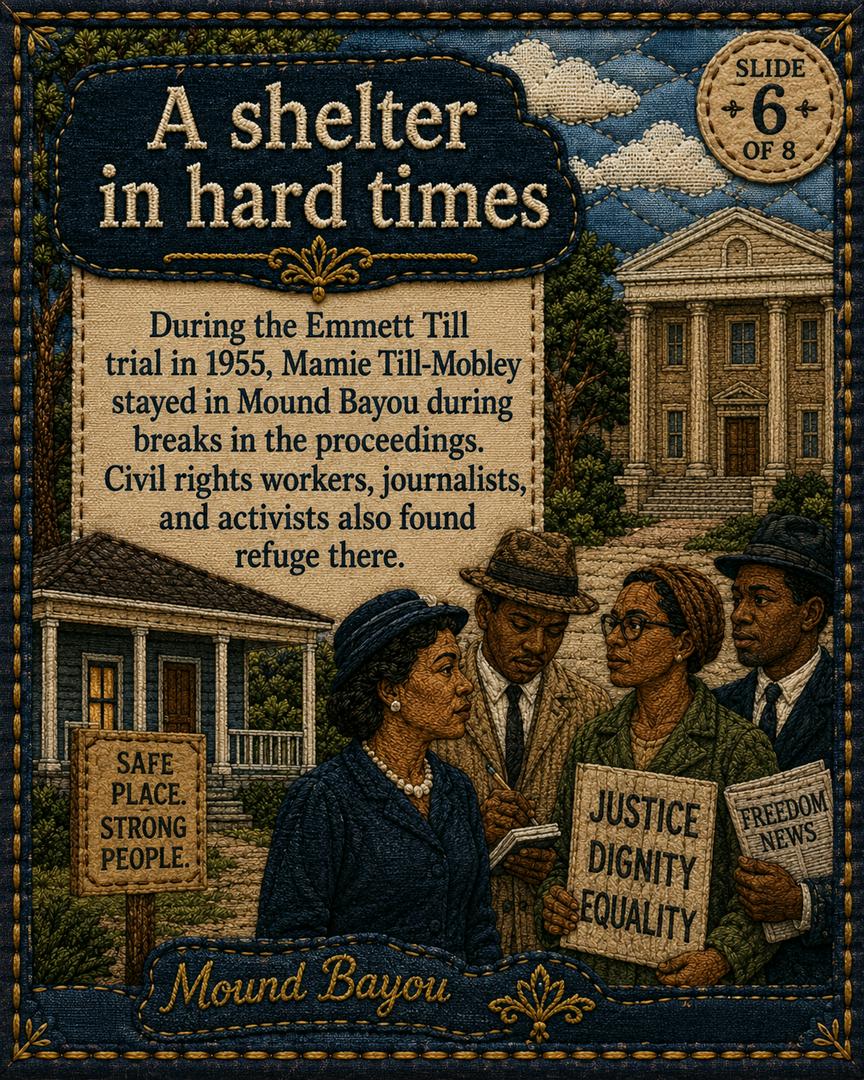
Mound Bayou also became connected to civil rights history. During the Emmett Till trial in 1955, Mamie Till-Mobley stayed in Mound Bayou during breaks in the proceedings. Medgar Evers, Black journalists, and activists also found refuge there.
That part matters because Mound Bayou was not just a place on a map. It was a shelter, a statement, and a living record of what people built when the world told them they were not supposed to have power.
Its history should be remembered because it challenges the lie that Black communities only survived by accident. Mound Bayou was planned. It was built. It was governed. It stood.
And history should say that clearly.
#MoundBayou #BlackHistory #MississippiHistory #HiddenHistory