Tag Page MusicHistory

#MusicHistory
LataraSpeaksTruth

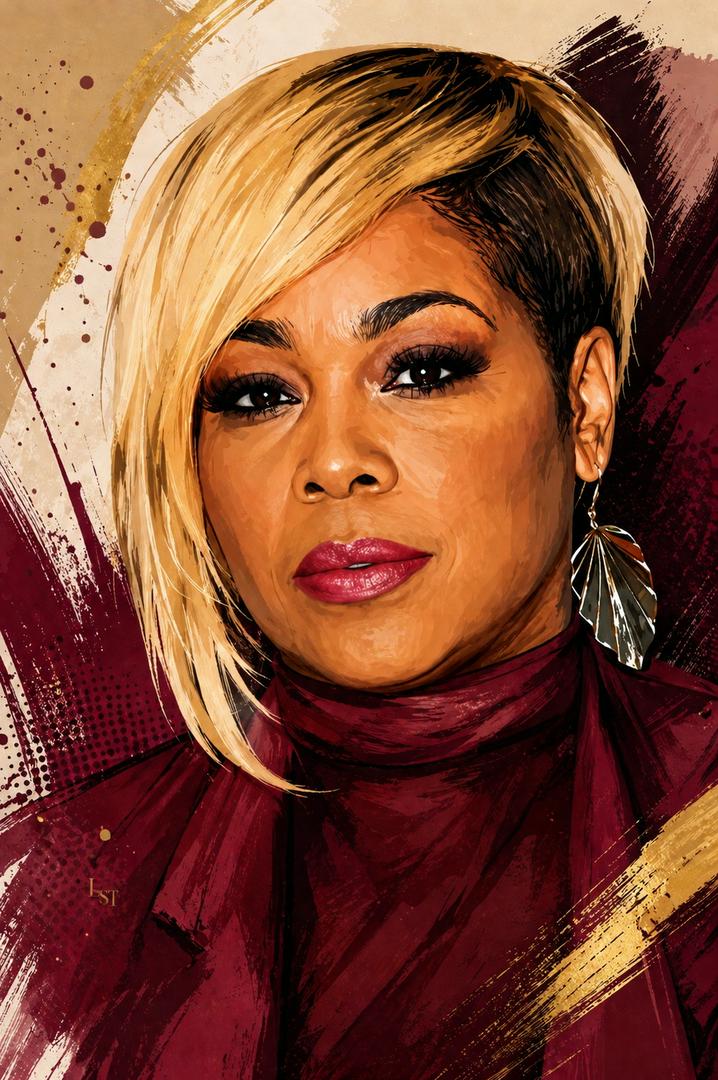
April 26, 1970 — Tionne “T-Boz” Watkins Was Born Tionne Watkins, known to the world as T-Boz, was born in Des Moines, Iowa. As one third of TLC, alongside Lisa “Left Eye” Lopes and Rozonda “Chilli” Thomas, she helped shape one of the most important girl groups of the 1990s. T-Boz had a voice people recognized instantly: low, smoky, calm, and cool without trying too hard. She did not sound like everyone else, and that became part of TLC’s power. At a time when many female groups were expected to fit a certain mold, TLC brought something different. They blended R&B, pop, hip-hop style, bold fashion, and messages that actually meant something. With songs like “Creep,” “Waterfalls,” “No Scrubs,” and “Unpretty,” TLC gave fans music they could dance to, cry to, and think about. They spoke on self-worth, health, relationships, beauty standards, and the pressure women face, all while making hits that became part of music history. April 26 also carries a deeper meaning for longtime TLC fans. Lisa “Left Eye” Lopes passed away on April 25, 2002, just one day before T-Boz’s birthday. So this date sits between celebration and remembrance, honoring T-Boz’s life while also remembering the sisterhood, loss, and legacy connected to TLC. T-Boz’s journey is also one of survival. She faced serious health struggles, industry pressure, public grief, and the weight of continuing after losing a group member and friend. Still, her voice and presence remain part of a legacy that has never faded. TLC was not just a girl group. They were a cultural moment. And T-Boz was the voice that made that moment unforgettable. #TBoz #TLC #MusicHistory #RnBHistory #History
LataraSpeaksTruth

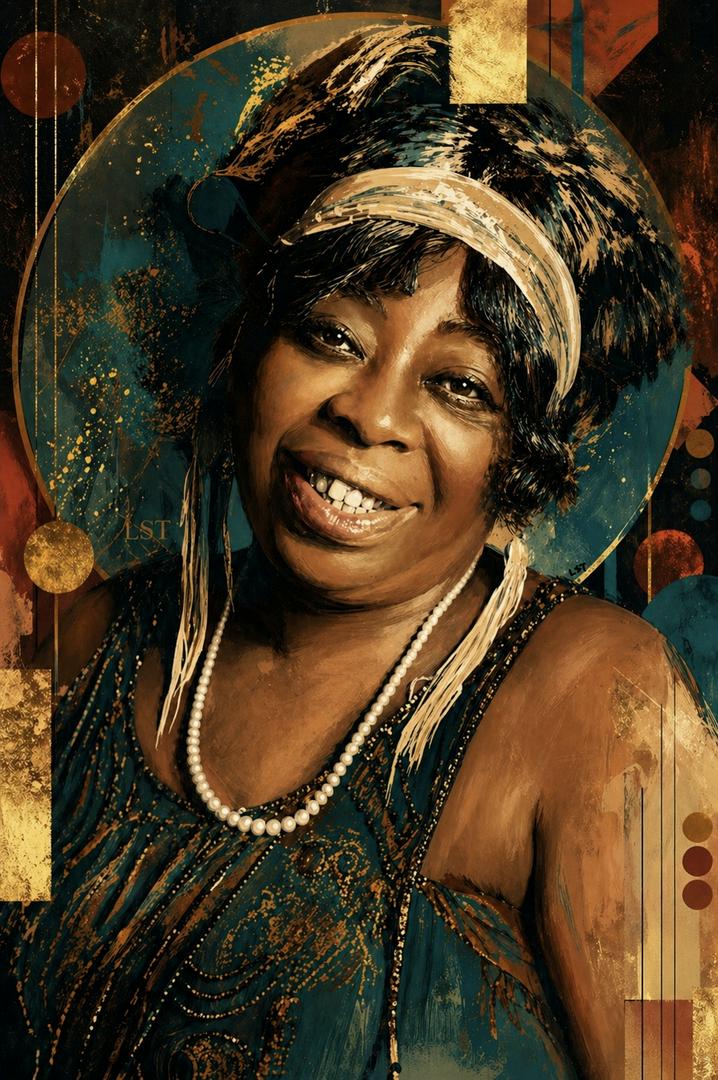
April 26, 1886… Ma Rainey was born. Gertrude “Ma” Rainey was born in Columbus, Georgia, and became one of the most important voices in early blues history. Known as the Mother of the Blues, Rainey helped bring blues music from Southern folk tradition into popular stage performance, where audiences could hear the pain, humor, boldness, and survival inside the sound. Before blues became a major recorded genre, Ma Rainey was already performing across the South in vaudeville, tent shows, and traveling productions. Her voice carried something that could not be polished away. It was deep, raw, commanding, and rooted in real life. She did not just sing the blues. She helped shape how the blues would be performed. Her music gave space to stories about love, heartbreak, independence, hardship, desire, and everyday life. At a time when many performers were expected to fit into narrow roles, Ma Rainey stood on stage with presence, confidence, and control. She was not background. She was the main event. Her influence reached far beyond her own recordings. She helped open doors for later blues women, helped define early Black entertainment, and left a mark on American music that can still be heard in blues, jazz, soul, rock, and hip-hop. Ma Rainey’s story matters because she represents more than music history. She represents Southern history, women’s history, stage history, and the long tradition of artists turning lived experience into sound. On April 26, we remember Ma Rainey not only as the Mother of the Blues, but as one of the women who helped give American music its backbone. #MaRainey #History #MusicHistory #BluesHistory #WomenInMusic

LataraSpeaksTruth

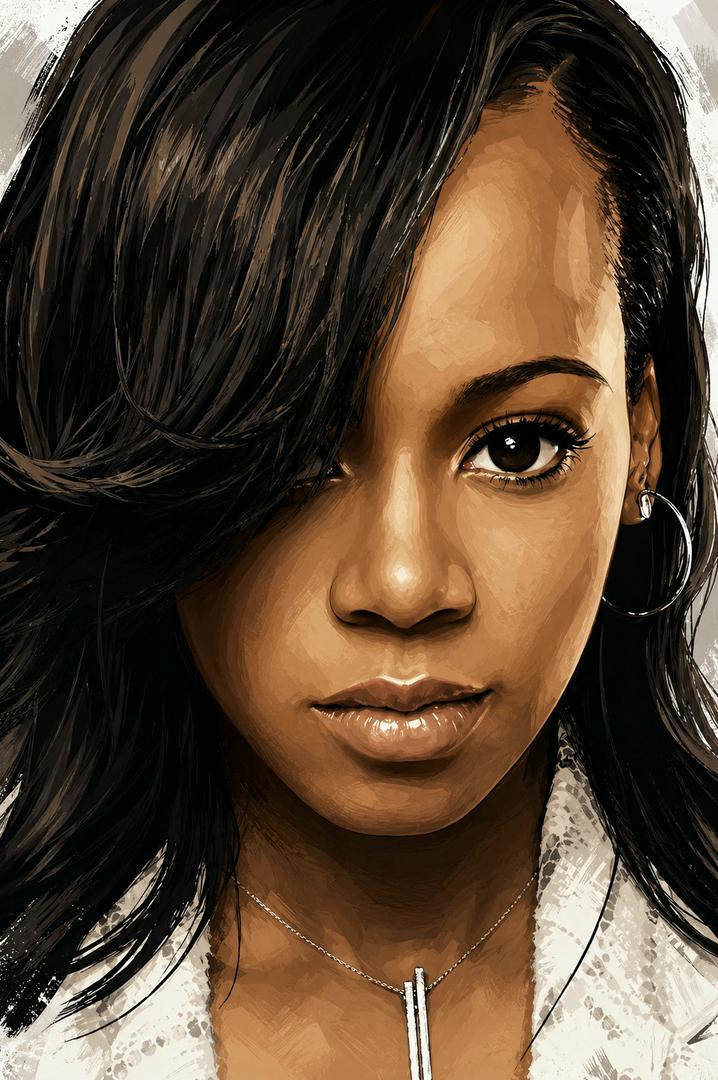
On April 25, 2002, the music world lost Lisa “Left Eye” Lopes, one of the most unforgettable voices and personalities of the 1990s. Lopes, a member of TLC alongside Tionne “T-Boz” Watkins and Rozonda “Chilli” Thomas, died in a car crash in Honduras at the age of 30. She had been there during what has often been described as a spiritual retreat and period of reflection. Her death shocked fans around the world because she was still young, still creating, and still searching for who she wanted to become beyond the fame. Left Eye was not just the rapper in TLC. She was part of the group’s edge, imagination, and identity. Her verses on songs like “Waterfalls” gave TLC a voice that was playful, bold, thoughtful, and impossible to copy. She brought something different to the group, not just sound, but attitude. TLC became one of the most successful girl groups of all time, with major hits like “Creep,” “No Scrubs,” “Unpretty,” and “Waterfalls.” The group won multiple Grammy Awards and helped define an era of R&B and pop music. But Left Eye stood out because she seemed to carry both fire and vulnerability. She was creative, unpredictable, spiritual, complicated, and deeply human. Her life was not without controversy, but reducing her to controversy would miss the bigger picture. Lisa Lopes was an artist who questioned herself, challenged the industry, and kept trying to grow. She wanted meaning. She wanted healing. She wanted freedom. More than two decades later, her impact is still felt. Every time her verse plays, every time TLC is remembered, every time someone talks about women bringing personality and power into music, Left Eye’s name still belongs in that conversation. She was only 30 years old, but her presence never faded. #LisaLeftEyeLopes #TLC #MusicHistory #BlackMusicHistory #GoneButNotForgotten

LataraSpeaksTruth

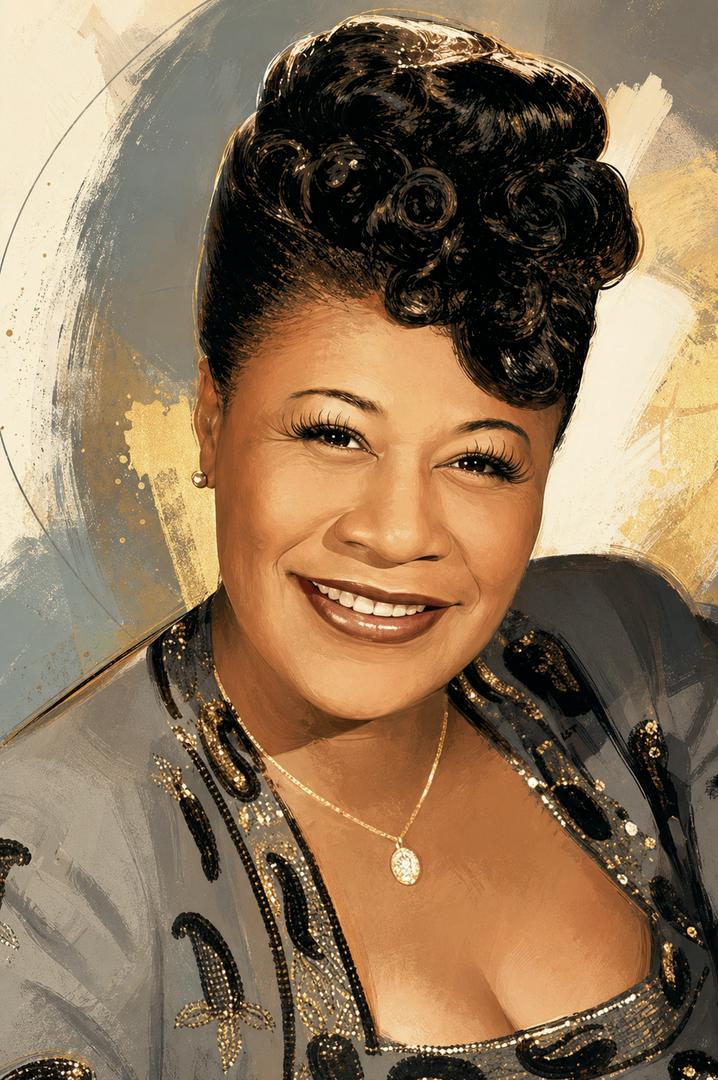
On April 25, 1917, Ella Fitzgerald was born in Newport News, Virginia. Long before the world called her the “First Lady of Song,” she was a young girl whose voice would eventually become one of the most recognizable sounds in American music. Fitzgerald’s rise was not built on image or gimmicks. It was built on talent, discipline, timing, and a voice that could move through jazz, swing, bebop, blues, and popular standards with ease. Her tone was clear. Her phrasing was smooth. Her control was almost unreal. She could take a song and make it feel brand new, even when people thought they already knew every note. She became especially known for scat singing, a vocal style where the singer uses sounds instead of words to improvise like an instrument. Ella did not just sing around the music. She became part of it. Her voice could dance with the band, answer the trumpet, challenge the rhythm, and still land softly enough to feel effortless. Over her career, Fitzgerald performed around the world and helped define what great jazz singing could sound like. Her work with the Great American Songbook introduced generations to classic American music, and her recordings remain a standard for vocal excellence. Ella Fitzgerald died in 1996, but her influence did not fade. Singers still study her. Jazz lovers still return to her recordings. And her name still stands beside the greatest voices this country has ever produced. Born in Virginia, raised through struggle, and remembered across the world, Ella Fitzgerald left behind more than songs. She left behind proof that a voice, when handled with grace and mastery, can become history. #EllaFitzgerald #JazzHistory #MusicHistory #AmericanMusic #OnThisDay

LataraSpeaksTruth

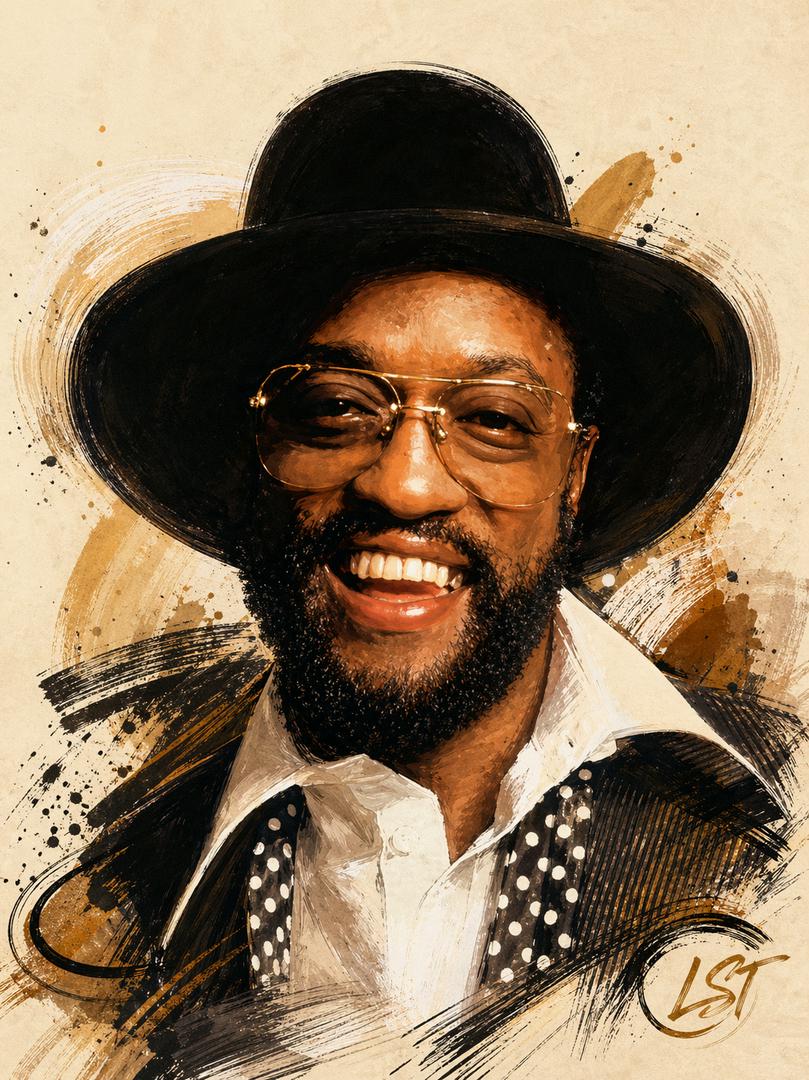
On April 24, 2016, soul music lost Billy Paul, the Philadelphia singer best known for the classic “Me and Mrs. Jones.” But let’s not reduce that man to one song. Born Paul Williams in Philadelphia on December 1, 1934, Billy Paul came from a city that did not just produce music…it produced feeling. His voice carried jazz, soul, pain, temptation, and grown-folks storytelling all at once. That is why “Me and Mrs. Jones” worked the way it did. The song was not loud. It did not have to be. Billy Paul sang it like a confession whispered in a room where everybody already knew the truth. Smooth, controlled, complicated, and unforgettable. Released in 1972, “Me and Mrs. Jones” became a No. 1 hit and earned Billy Paul a Grammy Award for Best Male R&B Vocal Performance. That was not just a music moment. That was Philly soul stepping into the national spotlight with elegance, drama, and a whole lot of mood. Billy Paul was part of the Philadelphia International Records sound shaped by Kenny Gamble and Leon Huff. That sound gave the 1970s some of its most polished and powerful soul records. It was music with strings, rhythm, storytelling, and class. The kind of music that made you sit down, listen, and feel something before you even realized what the lyrics were doing. Billy Paul passed away at his home in Blackwood, New Jersey, after battling pancreatic cancer. He was 81. His legacy is bigger than a chart position. It lives in that smoky voice, that grown soul sound, and that reminder that some artists do not need a hundred hits to leave a permanent mark. Sometimes one song opens the door. But the voice behind it is the real history. #BillyPaul #SoulMusic #MusicHistory #PhillySoul #LataraSpeaksTruth

SanPuffy

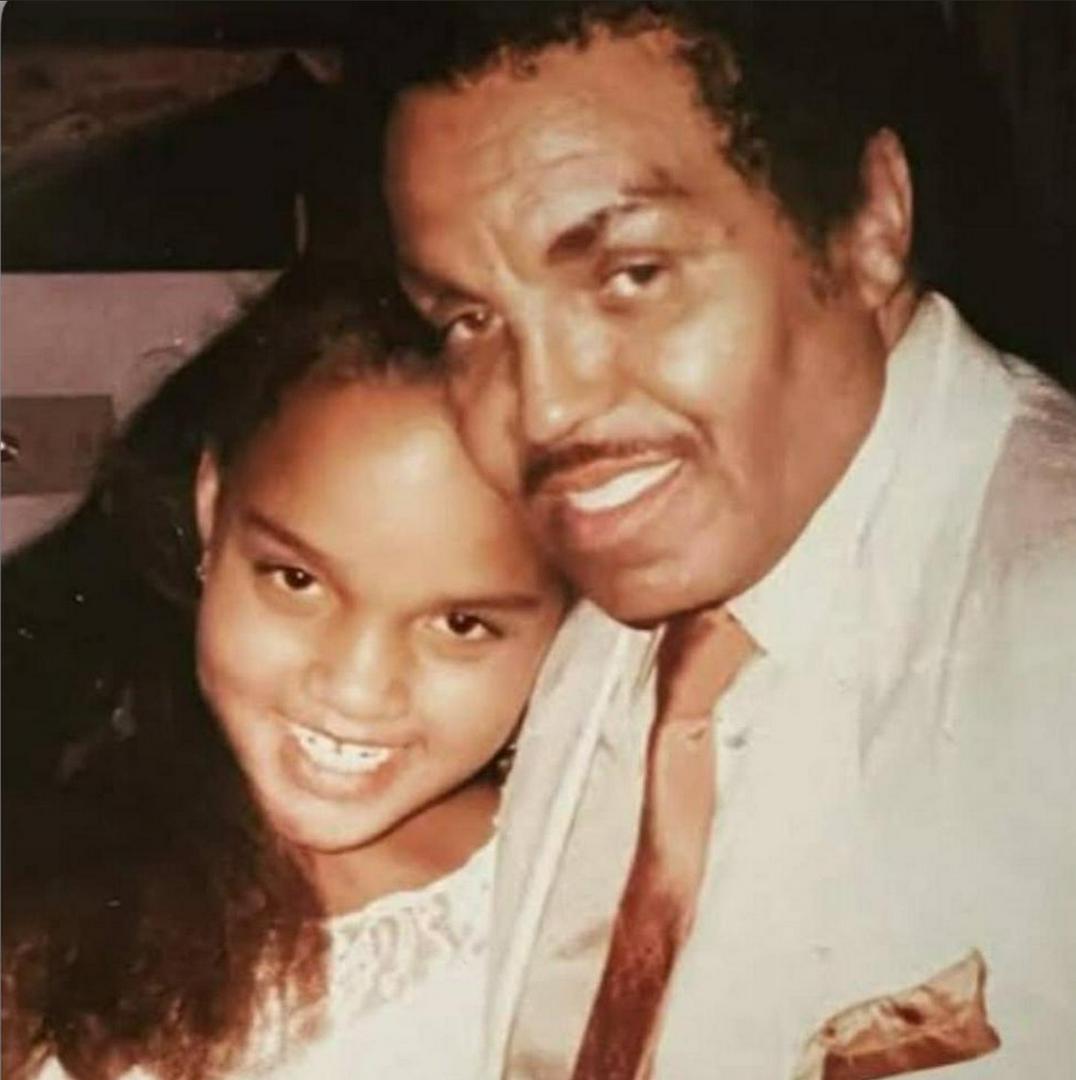
A lot of the newer generation is just now earning about Joh'Vonnie Jackson - Joe Jackson's daughter - and many are surprised her story isn't more widely known. While the Jackson family legacy is one of the most famous in the world. Joh'Vonnie has often spoken about growing up on the outside of that spotlight, navigating life without the same access, recognition, or protection tied to the Jackson name Her story has reopened conversations about family dynamics, acknowledgment and how fame can create different realities even within the same bloodline. Some people feel her experiences deserve more visibility, while others are just now realizing how complex the Jackson family history trulv is bevond what the media showed for decades. t's a reminder that behind legendary last names are real people with stories that didn't make the headlines - until now #JohVonnieJackson #JoeJackson #. lacksonFamilv #I Intold.Stories#JacksonFamily #UntoldStories #CelebrityFamilies #ViralConversation #MusicHistory

justme

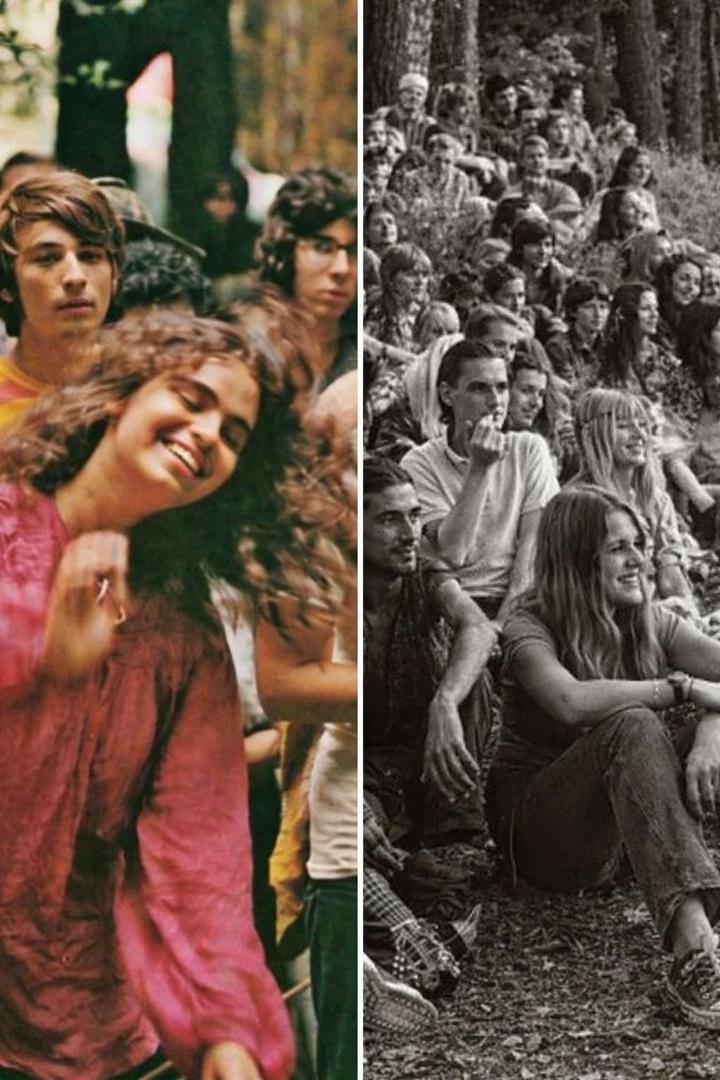
Did you know Woodstock 1969 almost didn’t happen — and had to change locations just weeks before history was made? 🎸🔥🌍 The festival was organized by four ambitious young promoters: Michael Lang, Artie Kornfeld, Joel Rosenman, and John P. Roberts. What started as a bold idea for a music and arts fair quickly ran into serious obstacles. The original site in Wallkill, New York fell apart after permit problems and strong local opposition shut the plan down. With the clock ticking and artists already booked, the organizers scrambled for a solution. Just weeks before the scheduled date, they secured a new location — Max Yasgur’s dairy farm in Bethel, New York. It was a last-minute gamble that would change music history forever. No one expected the tidal wave of over 400,000 people that followed. Highways gridlocked. Rain poured. Supplies ran low. Yet against all odds, the music played on. Woodstock wasn’t just destiny. It was risk, resilience, and raw belief coming together at the perfect moment. ✌️✨ #fblifestyle #Woodstock1969 #ClassicRock #MusicHistory #FestivalLegend #PeaceAndLove #HippieMovement #RockRevolution #1969Spirit

justme

Did you know Woodstock 1969 was so massive that highways turned into parking lots — and helicopters had to fly rock legends to the stage? 🚁🎸🔥 What was planned for around 50,000 people became a historic gathering of over 400,000 in Bethel, New York. The roads leading to Max Yasgur’s farm were completely gridlocked. Traffic stretched for miles. Cars sat abandoned along highways as thousands of attendees simply stepped out and began walking — miles on foot — just to reach the music. The chaos didn’t just affect fans. Performers were stuck too. With roads impossible to navigate, helicopters became the only way to transport artists like Santana, The Who, and Jimi Hendrix to the stage. Imagine arriving at a muddy farm by air while hundreds of thousands waited below — that’s the scale Woodstock reached. Rain poured. Supplies ran low. The logistics were overwhelmed. Yet somehow, the music played on. Woodstock wasn’t organized perfection. It was controlled chaos powered by belief and sound. ✌️✨ #fblifestyle #Woodstock1969 #ClassicRock #MusicHistory #FestivalLegend #PeaceAndLove #HippieMovement #RockIcons #1969Spirit

LataraSpeaksTruth

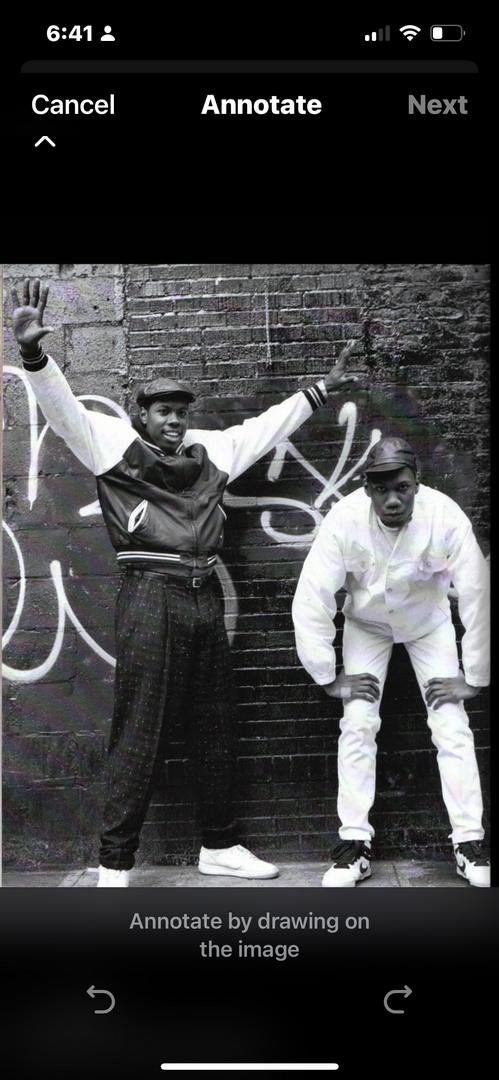
DJ Scott La Rock is one of hip hop’s quiet foundations…one of those names you don’t hear daily, but you feel everywhere. He co-founded Boogie Down Productions with KRS-One, and when he died on August 27, 1987, the culture lost more than a DJ. It lost a key piece of the early blueprint. Before the records and the headlines, Scott worked as a social worker at the Franklin Armory Men’s Shelter in the Bronx. That detail matters. BDP didn’t start as a gimmick or a chase for fame. It started like a mission…sound with purpose, beats with direction. By 1987, the momentum was real. Criminal Minded hit like concrete, and Scott’s production gave it that raw Bronx edge…crisp cuts, hard drums, no softness. Boom-bap before people even needed a label for it. Then reality interrupted the music. Scott got caught in a conflict tied to a dispute involving D Nice, a situation he tried to cool down. Later, shots were fired into a vehicle, and Scott was struck in the head. He was taken to Lincoln Hospital and later died. That moment changed the temperature in rap. It forced hip hop to look at what it was becoming…and what it was surrounded by. Talent can be here today, gone tonight. Leaders too. The ones trying to keep peace can end up paying for it. People can argue “first high profile” all day, because the scene was still young and the records were still local in a lot of places. But the impact is not debatable. After Scott, the message sharpened. Grief sat inside the music like a bruise you can’t hide. If you love boom-bap, you’ve heard his fingerprints. If you love lyric-first rap, you’ve benefited from that early foundation. Remember him correctly. Scott La Rock wasn’t just the DJ…he was part of the foundation, the work, and the reason those early records hit the way they did. #HipHopHistory #DJScottLaRock #ScottLaRock #BoogieDownProductions #KRSOne #Bronx #GoldenEraHipHop #RapHistory #MusicHistory #DJCulture #1987 #CriminalMinded

LataraSpeaksTruth

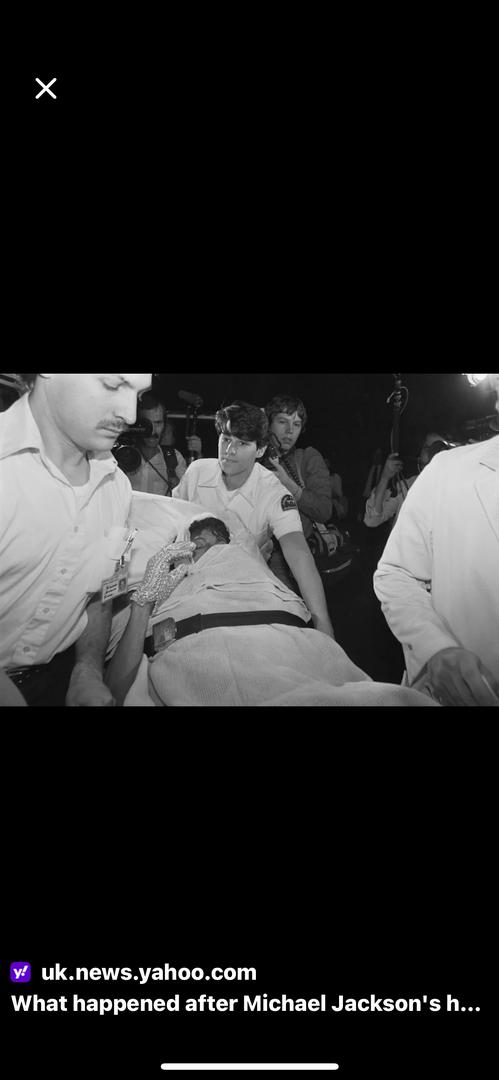
January 27, 1984 is one of those dates that doesn’t get enough weight, but it should. On this day, Michael Jackson was seriously injured while filming a commercial that was meant to celebrate his superstardom, not endanger his life. During a Pepsi commercial shoot, pyrotechnics misfired and ignited his hair, setting his scalp on fire in front of a live audience and crew. What should have been a routine take turned into a medical emergency in seconds. Michael suffered second and third degree burns to his scalp and was rushed to the hospital. The physical injuries were severe, but the aftermath mattered just as much. This incident marked a turning point in his health, introducing chronic pain and medical treatments that would follow him for the rest of his life. It’s often discussed in passing, but rarely examined for what it truly was…a traumatic event that happened at the height of his pressure, fame, and isolation. At the time, Michael was not just an artist. He was the face of global pop culture, carrying expectations that never paused, even after he was burned. The show went on publicly, but privately, this incident cracked something open. Pain management, stress, and relentless scrutiny became part of the story from that point forward. January 27 isn’t about spectacle. It’s about remembering that even icons bleed, burn, and suffer consequences long after the cameras stop rolling. This wasn’t a footnote. It was a moment that altered the trajectory of a life the world felt entitled to consume without limits. History isn’t just what we celebrate…it’s also what we overlook. #OnThisDay #January27 #MichaelJackson #MusicHistory #PopCultureHistory #EntertainmentHistory #UntoldMoments #BehindTheScenes #CulturalHistory #HistoryMatters