Tag Page NewOrleansHistory

#NewOrleansHistory
LataraSpeaksTruth

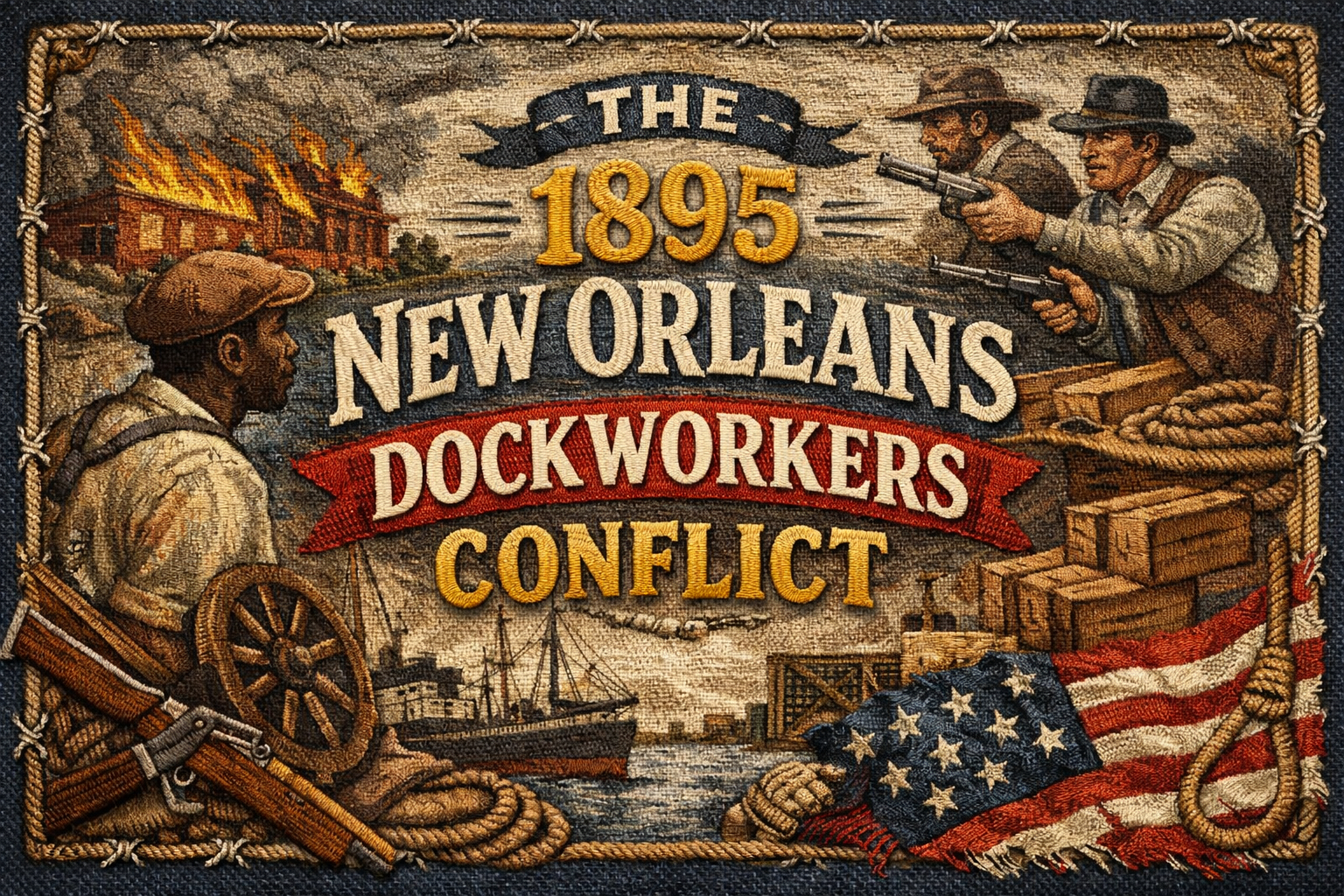
On March 9, 1895, between 300 and 500 armed white men in New Orleans targeted Black dockworkers by attacking the Morris Public Bathhouse, where equipment used by Black laborers was stored. About half of their tools were seized and thrown into the river. This was not random violence. It was organized intimidation meant to punish Black workers for becoming too visible, too independent, and too competitive on the waterfront. Two days later, the violence escalated even further, as white mobs attacked Black dockworkers directly and killed six men on the levee. What happened in New Orleans showed how racial terror could be used to break labor power before it had the chance to grow. After the Panic of 1893, some shipping companies turned to lower-paid Black labor to weaken white unions, and employers benefited from the racial division that followed. Violence did what negotiation would not: it crippled livelihoods, deepened distrust, and helped destroy the fragile possibility of sustained worker unity across racial lines. This history matters because attacks on Black workers were never only about prejudice. They were also about control—control of wages, control of jobs, control of who could rise, and control of who had to remain vulnerable. The dockworkers conflict was not just about the waterfront. It was about crushing Black economic strength before it could take root. #BlackHistory #LaborHistory #NewOrleansHistory #BlackWorkers #Dockworkers #AfricanAmericanHistory #RacialViolence #EconomicJustice #HiddenHistory #AmericanHistory

LataraSpeaksTruth

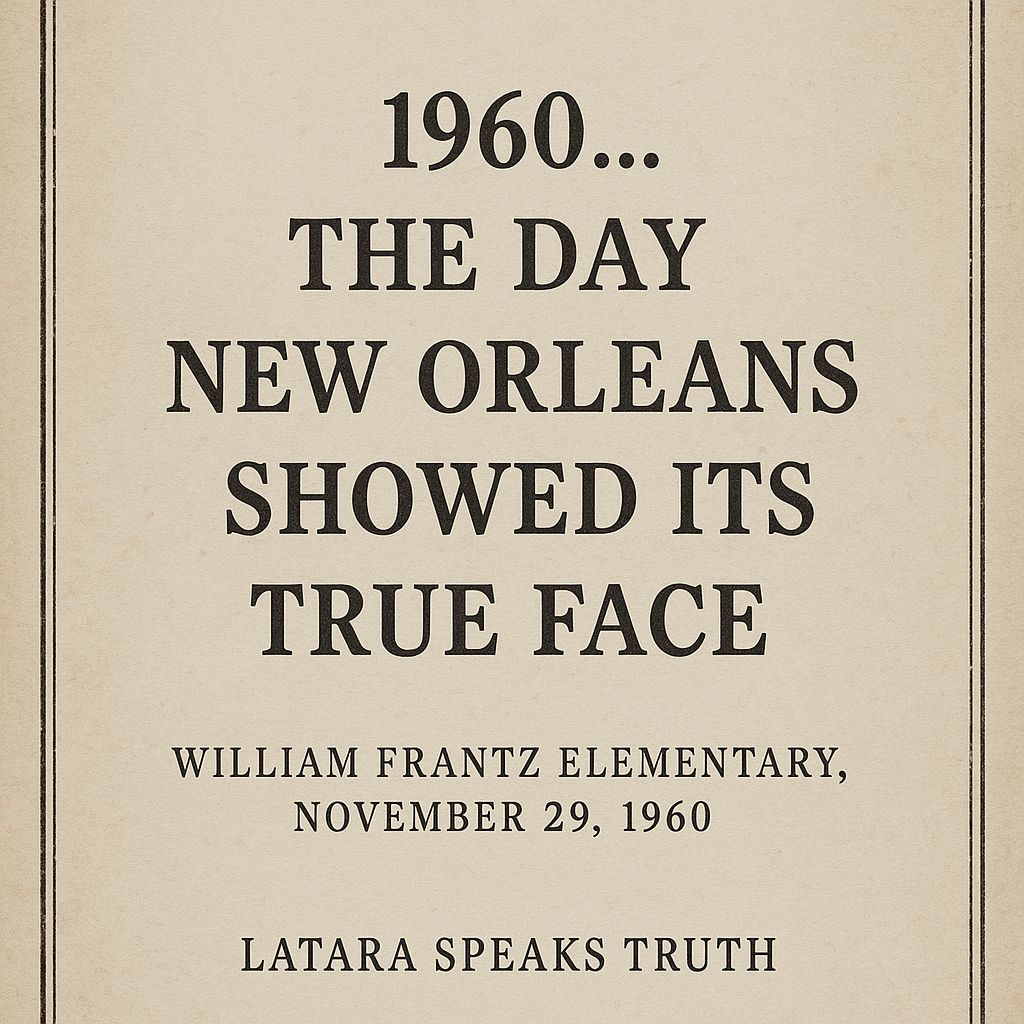
1960… The Day New Orleans Showed Its True Face

On November 29, 1960, the sidewalk outside William Frantz Elementary turned into a scene the country still can’t shake. White segregationist mothers lined the street, screaming as a little Black girl tried to walk into school. Through all that chaos, Daisy Gabrielle held her daughter Yolanda’s hand and kept moving. That walk was courage in real time… the kind that doesn’t wait for applause, just does what’s right. The footage from that day became part of America’s permanent record. Not the cleaned-up version… the real one, showing grown adults trying to block a child’s education because of her skin. And here’s the part people love to pretend they don’t hear… 1960 wasn’t ancient history. It wasn’t “way back then.” Many of the adults in that crowd lived long enough to watch the world pretend this never happened. Progress didn’t fall from the sky… somebody had to push it. #HistoryMatters #AmericanHistory #OnThisDay #NewOrleansHistory #EducationHistory #LataraSpeaksTruth

1960… The Day New Orleans Showed Its True Face
LataraSpeaksTruth

At the beginning of the year, large slave auctions routinely took place in New Orleans as part of a deliberate financial process. Plantation account books closed at the end of December, and debts were reconciled immediately afterward. When numbers did not balance, enslaved people were sold to settle them. Human lives were used to correct ledgers. Early January became one of the most active periods in the domestic slave trade because it aligned with plantation finance cycles. Men, women, and children were sold not based on family ties, age, or circumstance, but on how effectively their sale could stabilize accounts and reset labor forces for the year ahead. Profit determined separation. These sales were strategic. Buyers sought labor before the planting season. Sellers cleared obligations before interest and penalties compounded. Families were broken apart at the same moment society spoke of renewal and fresh starts. For those placed on the auction block, the new year did not bring opportunity. It brought loss. New Orleans sat at the center of this system. Its auction houses, banks, shipping routes, and legal structures openly connected finance and bondage. These were not hidden abuses or rare events. Auctions were scheduled, advertised, attended, and recorded. Violence did not always arrive through chaos. Sometimes it arrived through paperwork. This pattern reveals how deeply slavery was embedded in American economic rhythms. The domestic slave trade operated through calendars, deadlines, and bookkeeping as much as force. The beginning of the year became a moment when profit quietly dictated human fate. History often frames beginnings with hope. For many enslaved people, the start of the year marked separation, instability, and the loss of control over their own lives. That contrast matters. Because slavery was not only a moral crime. It was a financial system. #ForTheRecord #HiddenHistory #DomesticSlaveTrade #AmericanSlavery #NewOrleansHistory

You've reached the end!