Tag Page Newsbreak

#Newsbreak
THE©rankher

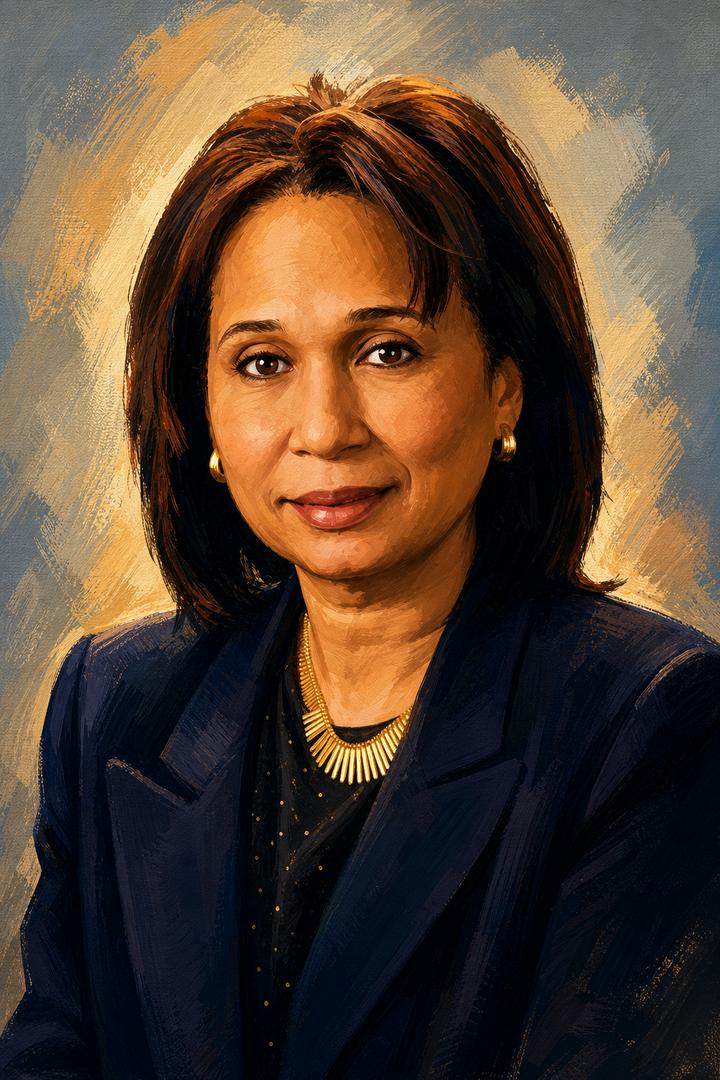
On April 23, 1951, a 16-vear-old qirl in Farmville, Virginia did something a whole lot of adults were too scared to do...she stood up. Barbara Johns was a student at Robert Russa Moton High School, an all-Black school so overcrowded and neglected that some students were being taught in tar-paper shacks. While white students had better buildings, better resources, and better conditions, Black students were expected to settle for less..less space, less comfort, less dignity, less future. Barbara was not iust making noise to make noise. She was strategic. She helped set things in motion so the principal would be away, arranged for a student assembly, and once the students were gathered, she spoke and urged them to walk out. They did. More than 450 students took part in that protest r= That moment mattered What began as students demanding better conditions became something even bigger once NAACP lawvers got involved. The case that grew out of Barbara Johns' protest was Davis v. Countv School Board of Prince Edward County...one of the cases later folded into Brown v. Board of Education. os Read that again. A teenage girl helped ignite a legal battle that became part of the case that challenged school segregation in America And still. Barbara Johns is not a household name the way she should be She was not waiting to be rescued. She was not waiting for permission. She saw what was wrong, understood what was unfair, and moved. At 16.That kind of courage deserves more than a footnote. Barbara Johns did not iust walk out of a school building that day....she walked straight into history. #Barbara Johns #BrownvBoard #OnThisDay #History #NewsBreak

LataraSpeaksTruth

On April 23, 1951, a 16-year-old girl in Farmville, Virginia did something a whole lot of adults were too scared to do…she stood up. Barbara Johns was a student at Robert Russa Moton High School, an all-Black school so overcrowded and neglected that some students were being taught in tar-paper shacks. While white students had better buildings, better resources, and better conditions, Black students were expected to settle for less…less space, less comfort, less dignity, less future.  Barbara was not just making noise to make noise. She was strategic. She helped set things in motion so the principal would be away, arranged for a student assembly, and once the students were gathered, she spoke and urged them to walk out. They did. More than 450 students took part in that protest.  That moment mattered. What began as students demanding better conditions became something even bigger once NAACP lawyers got involved. The case that grew out of Barbara Johns’ protest was Davis v. County School Board of Prince Edward County…one of the cases later folded into Brown v. Board of Education.  Read that again. A teenage girl helped ignite a legal battle that became part of the case that challenged school segregation in America. And still, Barbara Johns is not a household name the way she should be. She was not waiting to be rescued. She was not waiting for permission. She saw what was wrong, understood what was unfair, and moved. At 16. That kind of courage deserves more than a footnote. Barbara Johns did not just walk out of a school building that day…she walked straight into history. #BarbaraJohns #BrownvBoard #OnThisDay #History #NewsBreak

LataraSpeaksTruth

On April 23, 1856, Granville T. Woods was born in Columbus, Ohio…and history got one of its sharpest minds. Granville T. Woods was an inventor and engineer whose work helped make railroad travel safer, smarter, and more efficient at a time when trains were one of the most important parts of transportation in America. He became known for developing electrical and mechanical devices that improved communication on the rails and helped reduce dangerous mistakes.  One of his most important achievements was his railway telegraph, a system that allowed moving trains to communicate with stations and with other trains. That mattered. In an era when timing errors and lack of communication could turn deadly, Woods created technology that helped protect passengers and workers alike. His ideas pushed transportation forward and showed what brilliance looks like when it refuses to be ignored.  He earned dozens of patents and built a reputation strong enough that people called him “The Black Edison.” But Granville T. Woods was not great because he was compared to somebody else. He was great because his mind produced work that helped shape the modern world.  Today, on his birthday, he deserves to be remembered not as a footnote, but as a force…a man whose inventions helped move a nation. #GranvilleTWoods #History #Inventors #HiddenHistory #NewsBreak
Tag: Newsbreak | LocalAll