Tag Page OnThisDay

#OnThisDay
LataraSpeaksTruth

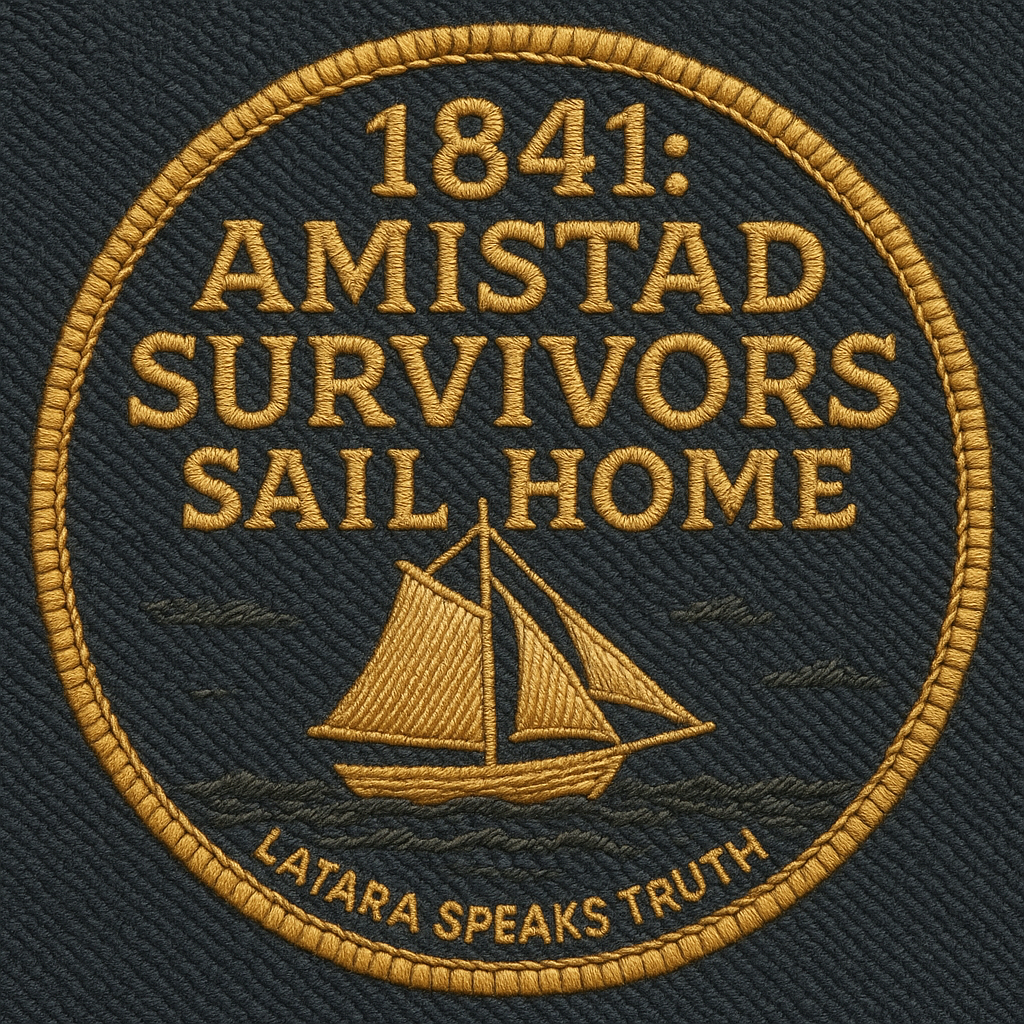
The Return of the Amistad Survivors

1841 marked a turning point that rarely gets the attention it deserves. After a long legal fight in the United States, 35 surviving Africans from the Amistad case finally prepared to leave American shores. Their story began two years earlier, when they were captured in West Africa, forced onto a Spanish ship, and pulled into the transatlantic trafficking system. But they refused to accept that fate, rising up, taking control of the vessel, and eventually ending up in the U.S., where their case climbed all the way to the Supreme Court. The Court ruled in their favor, declaring that they had been illegally taken and had the right to fight for their freedom. After months of delays and uncertainty, the survivors boarded a ship called the Gentleman in New York and set sail for West Africa. When they arrived in Sierra Leone, they stepped into a home that wasn’t the same as the one they were taken from. The people, the land, and the world around them had shifted. But returning still meant everything. It meant reclaiming their names, their futures, and a life stolen from them. It meant going home on their own terms. This moment remains one of the clearest examples of resistance meeting justice at a time when both were nearly impossible to find. #Amistad #BlackHistory #OnThisDay #LataraSpeaksTruth #LearnThePast

The Return of the Amistad Survivors
LataraSpeaksTruth

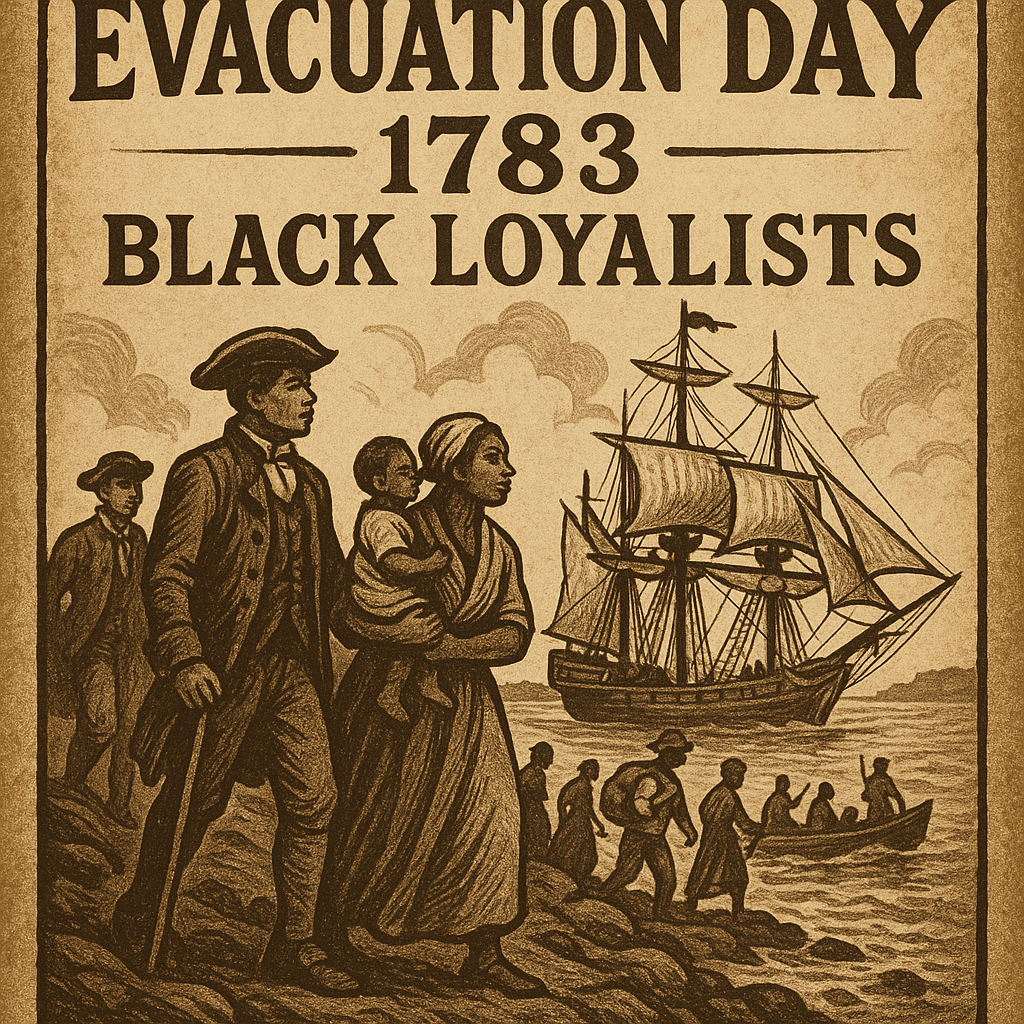
Evacuation Day 1783, Black Loyalists

On November 25, 1783, the British marched out of New York, closing the curtain on the American Revolution. For nearly three thousand Black Loyalists, this day was not an ending. It was a leap into a new beginning. They boarded ships with their names written in the Book of Negroes, often the first time they were recorded as free people. They sailed toward Nova Scotia, the Caribbean, and other British territories, carrying hope like a small flame against a cold wind. Some would later journey to Sierra Leone, still chasing the freedom they had been promised. The good was the chance to claim that freedom. The British had offered it to enslaved people who joined their forces. The bad was the fight over their status. American leaders demanded they be returned as “property.” The British refused, but the argument showed how fragile freedom could be in the new nation. The ugly arrived in Nova Scotia. The winters were brutal, the wages were low, the land grants were broken, and discrimination followed them across the sea. Many families spent years struggling for even a piece of what they had been told they would receive. Yet their departure mattered. Evacuation Day became one of the first large-scale movements of Black Americans choosing their future for themselves. Their courage was recorded. Their journey reshaped the Black diaspora. #BlackHistory #AmericanHistory #OnThisDay #LataraSpeaksTruth #CommunityFeed

Evacuation Day 1783, Black Loyalists
LataraSpeaksTruth

1941… Death of Henrietta Vinton Davis

Henrietta Vinton Davis, a groundbreaking actress, elocutionist, and international advocate, died on November 23, 1941 in Washington, D.C. Her career blended performance and activism during a period when opportunities for Black artists were limited. Davis became widely known through her stage work and later emerged as a prominent figure in the Universal Negro Improvement Association. She traveled, organized, and spoke publicly on issues related to unity, cultural pride, and global awareness among people of African descent. Her passing marked the end of a career that influenced both the performing arts and early twentieth century Black political life. Davis is now recognized as an important figure whose work reached across borders and generations. #BlackHistory #HenriettaVintonDavis #UNIAHistory #CulturalHistory #OnThisDay #PerformingArtsHistory #HistoricFigures #GlobalHistory #AmericanHistory #HistoryMatters

1941… Death of Henrietta Vinton Davis
LataraSpeaksTruth

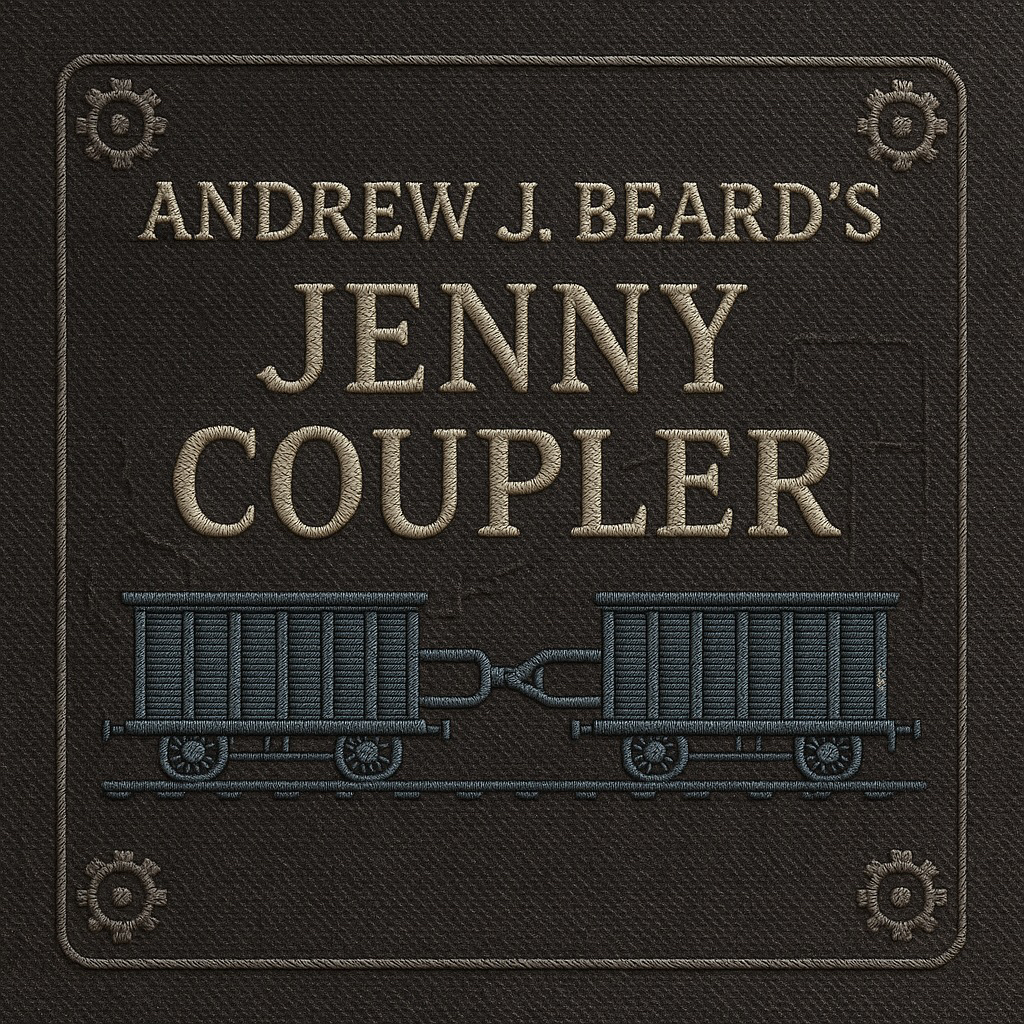
1897… Andrew J. Beard Receives a Patent for the “Jenny Coupler”

On November 23, 1897, Andrew Jackson Beard, a Black inventor from Alabama, received a U.S. patent for one of the most important railroad safety devices of the late 1800s: the automatic car coupler known as the “Jenny Coupler.” Before Beard’s invention, railroad workers had to stand between moving train cars to manually link them together. It was a dangerous job that resulted in countless crushed limbs and deaths. Beard knew those risks firsthand—he had worked around railroads and had seen the toll the old system took on brakemen. His design changed everything. The Jenny Coupler used a pair of locking jaws that snapped together automatically the moment two cars touched. It replaced a life-threatening task with a simple, safer, almost automatic motion. Beard’s patent became part of a nationwide shift toward better railroad safety. His work influenced federal requirements for automatic couplers and helped protect the workers who kept the rail industry running. Even though his name isn’t widely recognized today, Beard’s contribution had a lasting impact. His 1897 patent remains a clear example of how Black inventors helped shape American industrial technology—often without the credit they deserved. #OnThisDay #BlackHistory #AmericanHistory #Inventors #RailroadHistory #SafetyInnovation #UnsungHeroes #CommunityFeed

1897… Andrew J. Beard Receives a Patent for the “Jenny Coupler”
LataraSpeaksTruth

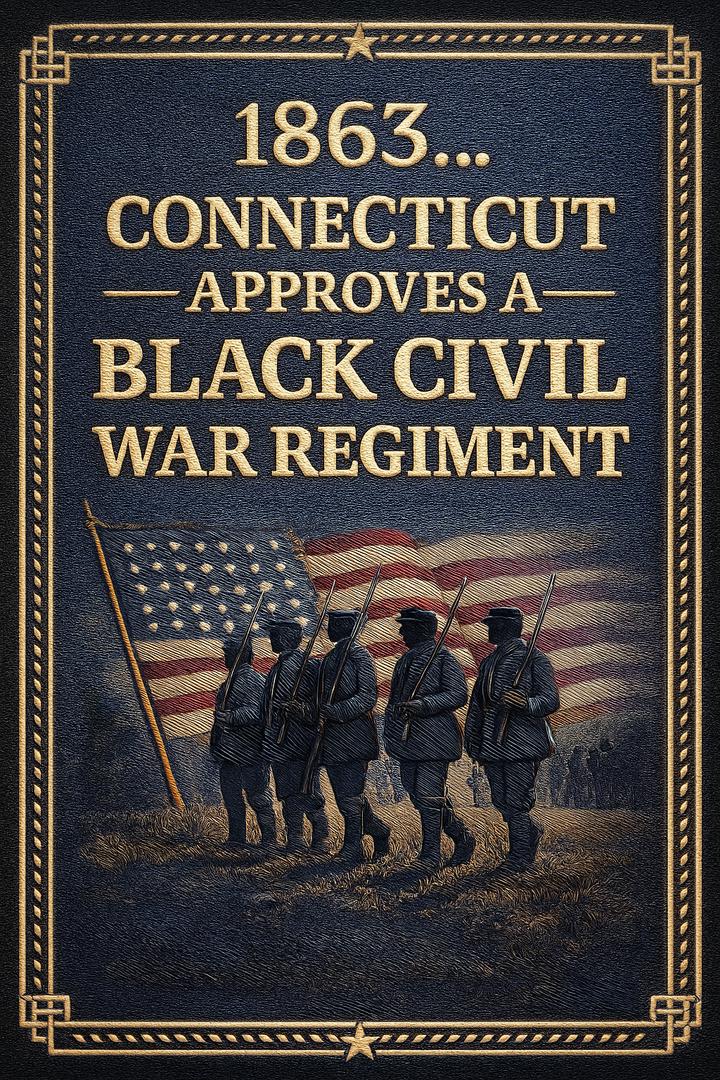
1863… Connecticut Approves a Black Civil War Regiment

On this day in 1863, the Connecticut General Assembly met in a special session to decide whether Black men could serve as front line soldiers in the Union Army. After a day of debate, lawmakers approved the measure, and Governor William Buckingham signed it into law on November 23. This decision opened the door for Black residents in Connecticut to enlist in a state infantry regiment for the first time. Recruiters began organizing almost immediately, and more than one thousand Black volunteers stepped forward in the following months. Their participation formed the 29th Connecticut Colored Infantry Regiment and helped begin a second unit, the 30th Connecticut. The 29th Connecticut mustered into service in early 1864 and later fought in major campaigns near Petersburg and Richmond. They were also among the first Union troops to enter Richmond when the city fell in April 1865. The decision made on November 23, 1863 marked a turning point in Connecticut’s military history and highlighted the essential role Black soldiers played in the Union’s efforts during the Civil War. #BlackHistory #TodayInHistory #CivilWarHistory #ConnecticutHistory #UnionArmy #29thConnecticut #HistoricalFacts #AmericanHistory #OnThisDay #HistoryMatters

1863… Connecticut Approves a Black Civil War Regiment
LataraSpeaksTruth

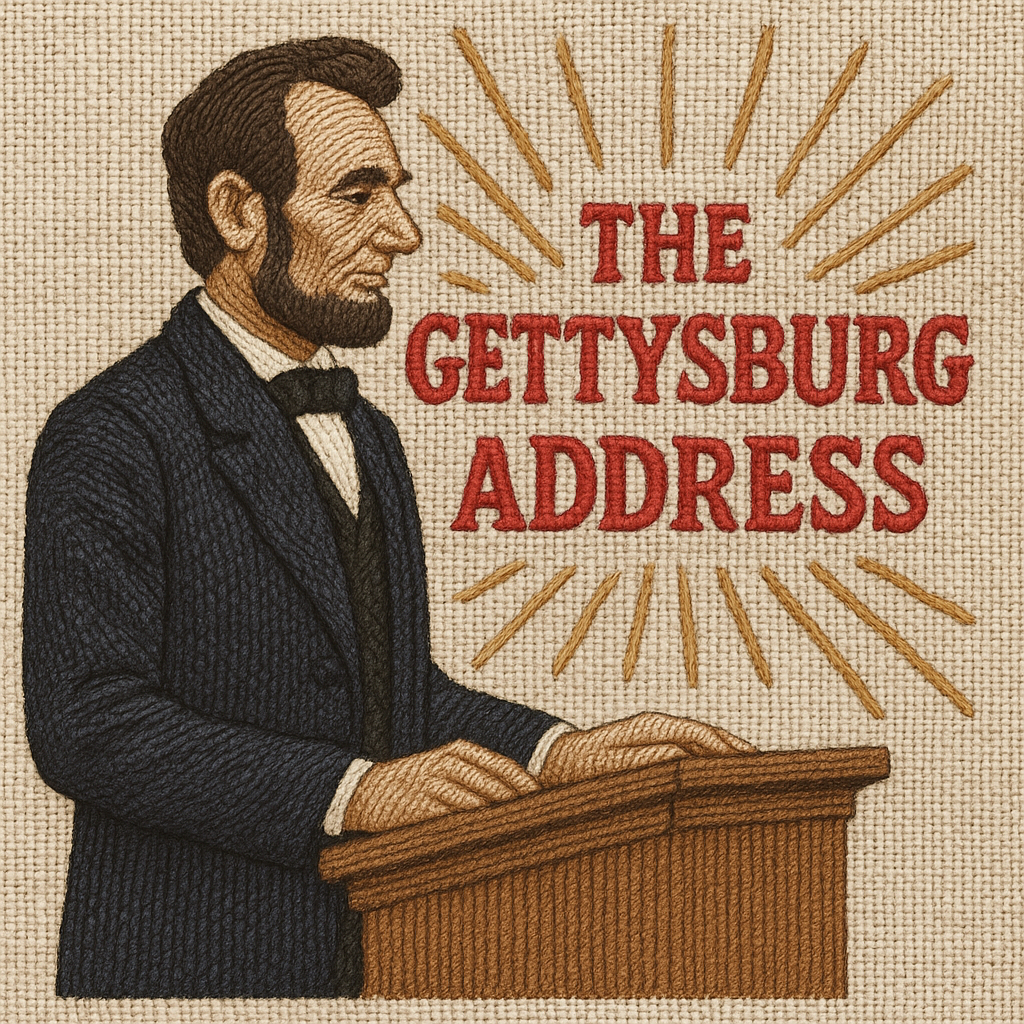
Remembering the Gettysburg Address

On November 19, 1863, President Abraham Lincoln stood on the battlefield at Gettysburg and delivered a message that reshaped how the nation understood the Civil War. The ceremony was meant to honor the thousands of soldiers who died there, but Lincoln used the moment to remind the country what the fight was really about. In just a few sentences, he connected the war to the country’s earliest promise that all people are created equal, and he challenged Americans to keep working toward a future where that promise actually means something. The speech was short, but the impact has lasted generations. Lincoln said the world would not remember what was said that day, but the opposite became true. The Gettysburg Address became a reminder that freedom, sacrifice, and democracy require constant work. Even now, the words push us to think about what kind of nation we want to be and whether we’re living up to the ideals we claim to stand on. #HistoryMatters #GettysburgAddress #OnThisDay #AmericanHistory #LataraSpeaksTruth

Remembering the Gettysburg Address
LataraSpeaksTruth

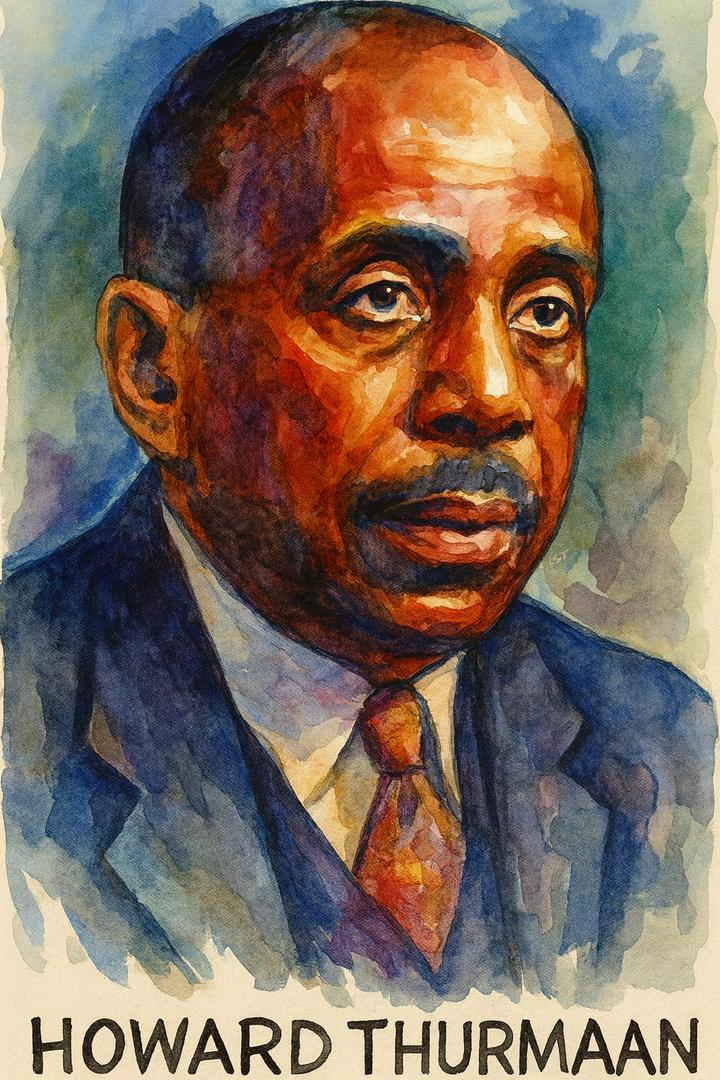
Howard Thurman, Born Around This Time In 1899, Became One Of The Quiet Architects Of A Movement

Howard Washington Thurman entered the world in late November of 1899 in Daytona Beach, Florida, during a time when Black spiritual leadership was still fighting for its full voice. He would grow into one of the most influential theologians of the twentieth century, guiding generations through a faith rooted in dignity, nonviolence, and moral clarity. Thurman later served as dean of Rankin Chapel at Howard University and Marsh Chapel at Boston University, using both spaces to shape conversations that reached far beyond religion. His writings on nonviolence became essential reading for young seminarians in the 1950s, including Martin Luther King Jr., who carried Thurman’s work into marches, pulpits, and national debates. Thurman rarely sought headlines, but his influence threaded through the movement like a steady hand. His life reminds us that the people who change history are not always the ones at the microphone. Sometimes they are the thinkers whose words steady the crowd. #HistoryMatters #OnThisDay #CulturalHistory #FaithHistory #CivilRightsLegacy #NewsBreakCommunity #LataraSpeaksTruthp

Howard Thurman, Born Around This Time In 1899, Became One Of The Quiet Architects Of A Movement
LataraSpeaksTruth

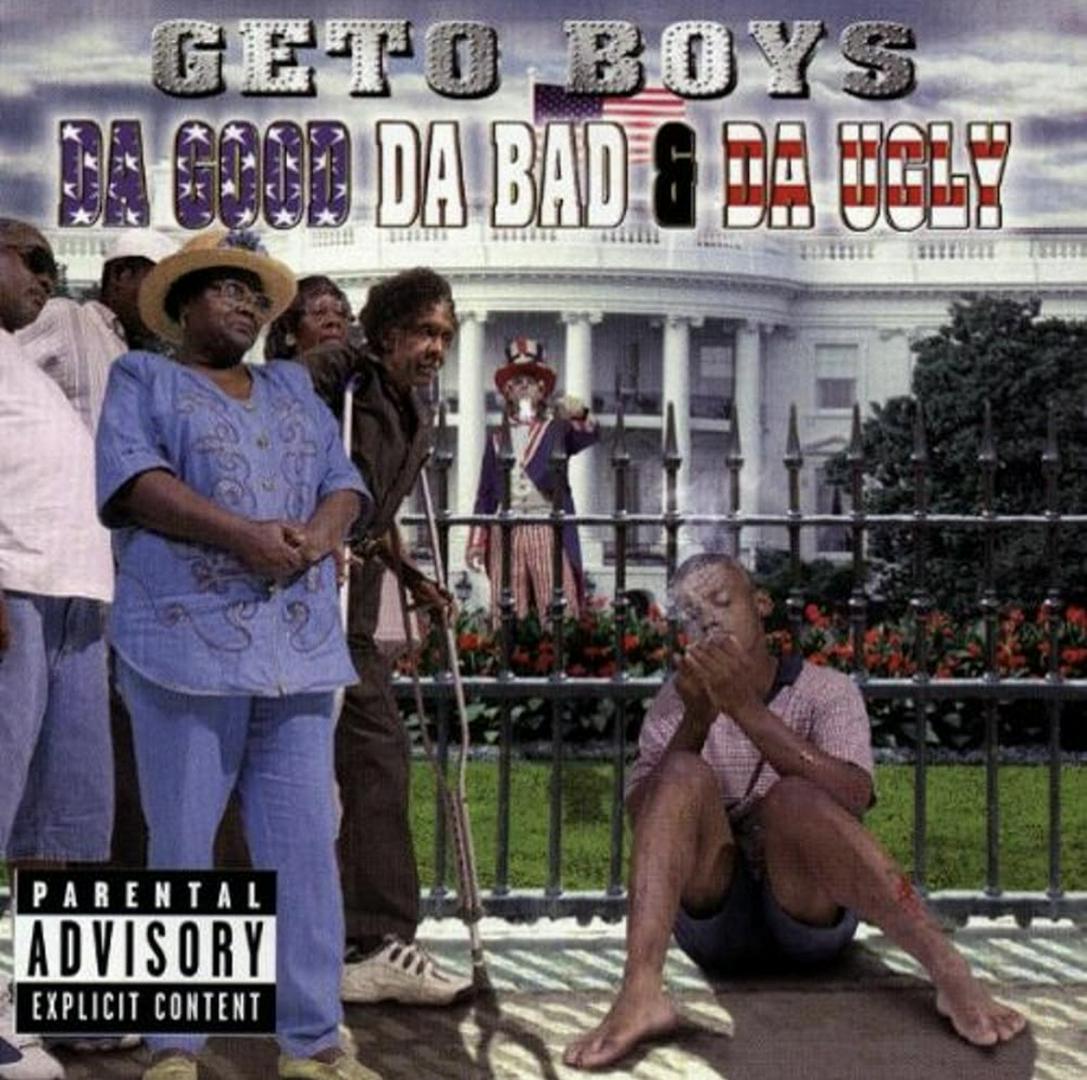
Geto Boys Drop Da Good, Da Bad & Da Ugly… The South Spoke Loud

On November 17, 1998, the Geto Boys came back with Da Good, Da Bad & Da Ugly, a project carved straight out of the Southern hip-hop landscape they helped build. Houston had already claimed its voice thanks to them… raw, unfiltered, and unapologetically Southern, but this album showed the world that the South wasn’t a “side conversation” anymore. It was the main stage. The album held that signature Geto Boys energy… dark storytelling, sharp social commentary, and the kind of life observations you only get from people who’ve seen both sides of the street. Even with lineup changes, the crew held on to what made them legendary in the first place… honesty, edge, and a refusal to water anything down for mainstream comfort. By the late ‘90s, hip-hop was shifting fast, but the Geto Boys reminded everybody that Southern rap didn’t need approval to be iconic. They were already stamped. Already respected. Already shaping the direction of a whole region. Da Good, Da Bad & Da Ugly stands as one of those albums that marks a moment… the South saying “we’re here, we’re staying, and we’re not taking our foot off nothing.” #HipHopHistory #GetoBoys #SouthernRap #HoustonLegends #OnThisDay #BlackMusicHistory #LataraSpeaksTruth #CultureStories #Lemon8Creator #1998Vibes
Geto Boys Drop Da Good, Da Bad & Da Ugly… The South Spoke Loud
LataraSpeaksTruth

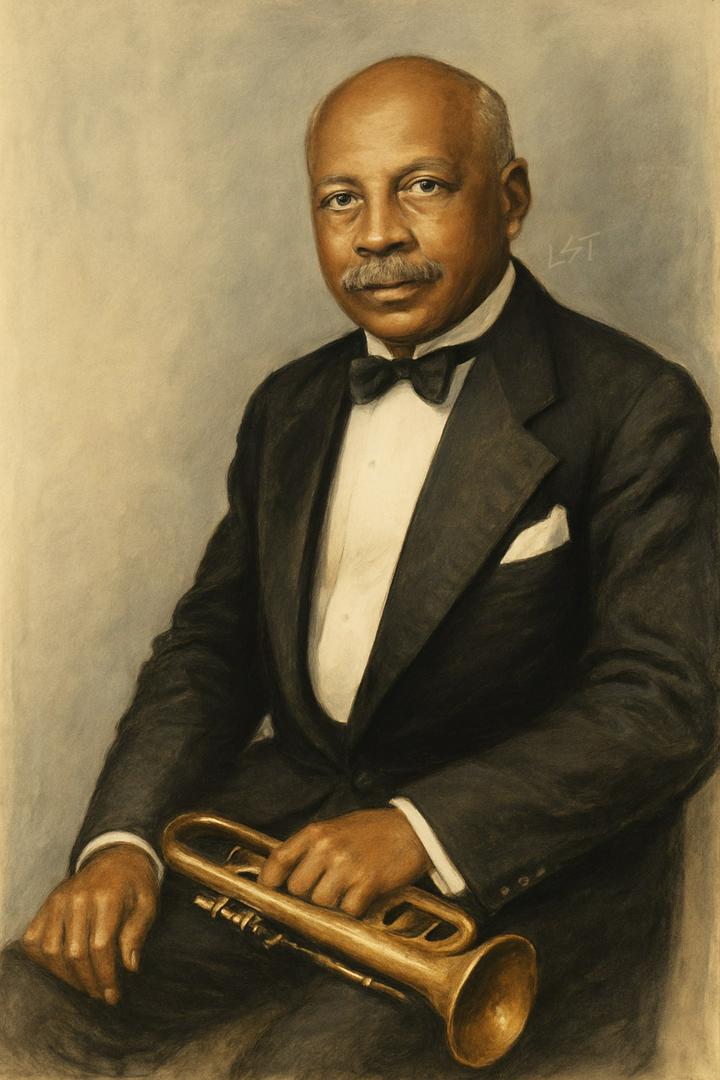
W.C. Handy, Blues Legend

On November 16, 1873, Florence, Alabama welcomed W. C. Handy… the man who turned the everyday sounds of Black life into the written language of the blues. He didn’t invent the music our people were already creating. He honored it. He organized it. He made sure the world could finally recognize what had been here all along. With songs like “Memphis Blues” and “St. Louis Blues,” Handy opened the door for generations of artists to walk through. His influence shows up in everything from soul to jazz to rock to gospel… the entire family tree. Remembering him today is simple. Give credit to the blueprint behind the music we hear everywhere. Handy made sure those roots didn’t disappear. #WCHandy #OnThisDay #MusicHistory #BluesLegend #AmericanMusic #CulturalRoots #BlackMusicalHeritage #TheBlueprint #HistoryPost #LataraSpeaksTruth

W.C. Handy, Blues Legend
Tag: OnThisDay - Page 14 | LocalAll