Tag Page PoliticalFirsts

#PoliticalFirsts
LataraSpeaksTruth

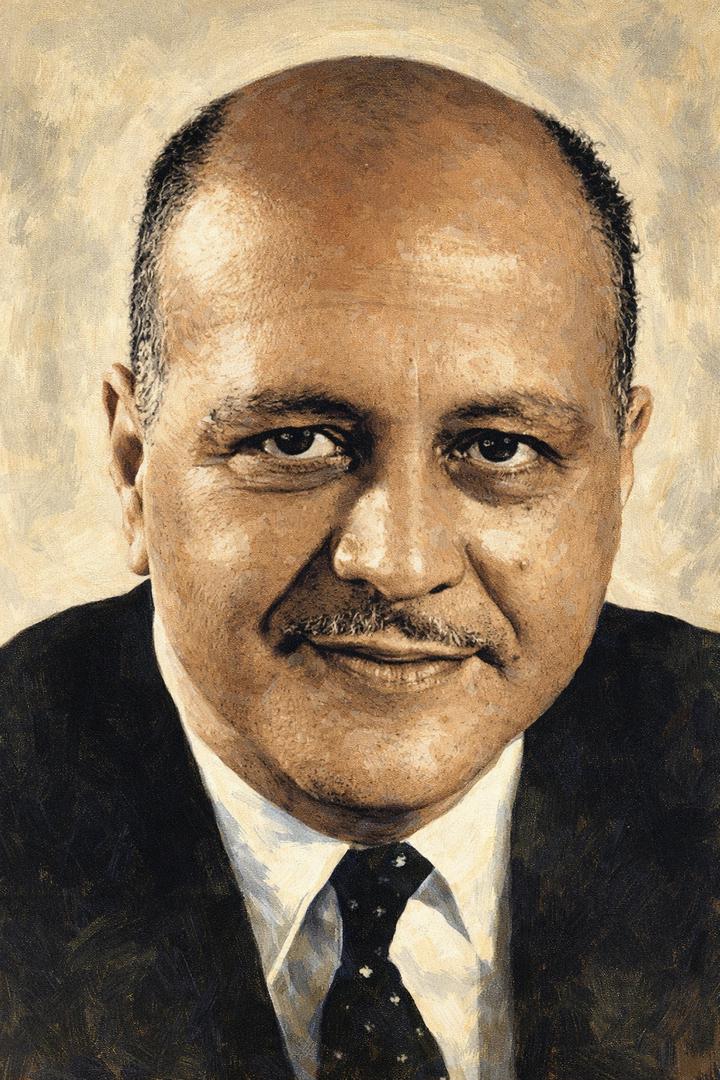
January 21 marks the birth of Lincoln Alexander, born in 1922, a figure whose life reminds us that Black North American history does not stop at the U.S. border. Migration, influence, and shared struggle have always moved freely, even when laws and lines tried to say otherwise. Alexander’s career expanded the idea of where Black political power could exist, and who was allowed to hold it. Born in Toronto to Caribbean immigrant parents, Lincoln Alexander grew up navigating a country that often limited opportunity while quietly demanding excellence. He served in the Royal Canadian Air Force during World War II, later earning a law degree and building a career that blended discipline, public service, and persistence. None of his achievements came easily. Every step forward carried the weight of being the first. In 1968, Alexander made history when he became the first Black person elected to Canada’s House of Commons. Representing Hamilton West, he served with a focus on labor rights, fairness, and access, at a time when representation itself was a radical act. His presence alone challenged assumptions about who belonged in positions of national authority. His impact continued to grow. In 1979, he became Canada’s first Black federal Cabinet minister when he was appointed Minister of Labour. In 1985, he broke another barrier as the first Black Lieutenant Governor of Ontario, becoming the Queen’s representative in the province and the first person of African descent to hold such a role in Canada. Lincoln Alexander’s legacy is not just about firsts. It is about widening the map. His life affirmed that Black leadership, dignity, and political influence have always crossed borders, shaping nations in parallel. Today, his birthday stands as a reminder that Black history is continental, connected, and still unfolding. #LincolnAlexander #BlackHistory365 #CanadianHistory #NorthAmericanHistory #PoliticalFirsts #RepresentationMatters #BlackLeaders

LataraSpeaksTruth

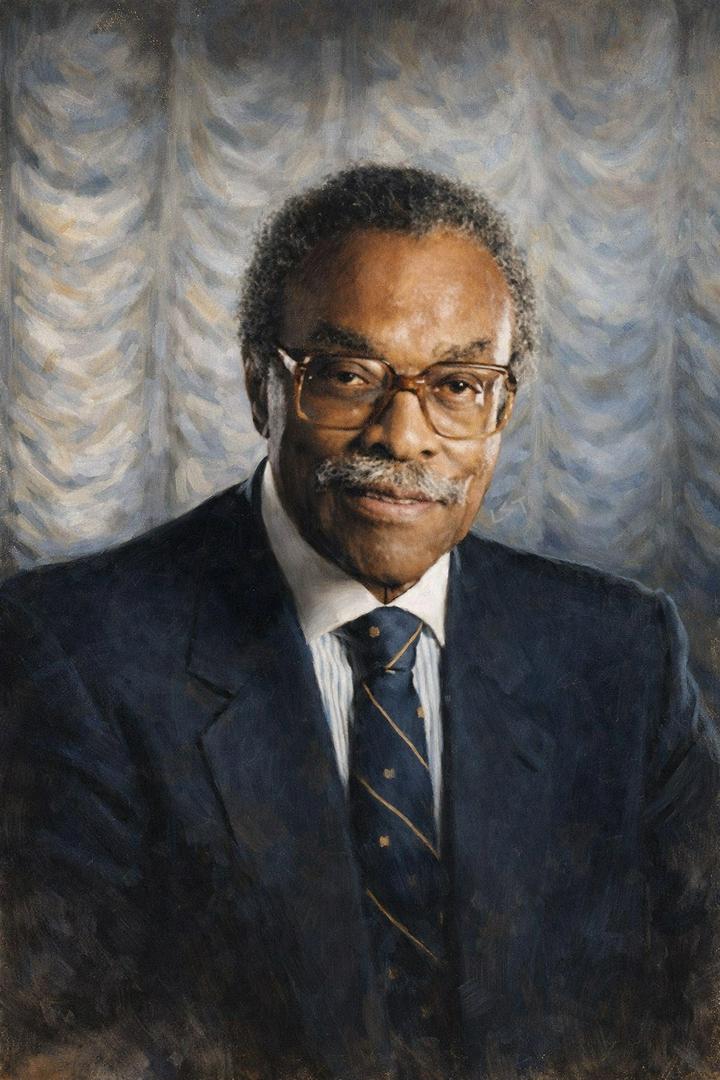
January 13, 1966 was not a ceremonial first or a symbolic nod. It was a structural shift. On this day, President Lyndon B. Johnson appointed Robert C. Weaver as Secretary of Housing and Urban Development, making him the first Black person to serve in a United States presidential cabinet. That title mattered—because cabinet positions shape policy, not headlines. They control budgets, regulations, and the direction of federal power. Weaver was not chosen for visibility. He was chosen for competence. Long before his appointment, he had already shaped federal housing policy behind the scenes, serving across multiple administrations as an economist and housing expert. He understood urban development from the inside out at a time when American cities were being reshaped by highway construction, displacement, and decades of neglect. HUD itself was a brand-new department, created to confront housing inequality, urban decay, and community development. Placing Weaver at its helm was not accidental. It put a Black expert in charge of a federal agency that directly affected millions of working families, renters, and city residents—many of whom had been excluded from fair housing and opportunity for generations. This moment challenged the quiet rule that Black leadership could advise but not decide. Weaver did not simply sit at the table. He signed documents, approved programs, and directed national policy. His appointment cracked a door that had been sealed shut since the founding of the republic. January 13 stands as a reminder that progress is not just about representation. It is about authority. About who is trusted with power. And about who is allowed to shape the future of the country in real, measurable ways. #OnThisDay #January13 #AmericanHistory #USGovernment #HousingPolicy #UrbanDevelopment #CabinetHistory #HiddenHistory #PoliticalFirsts

You've reached the end!