Stephen Johnson+FollowAI Meets Quantum: Are Simulations Now Too Fast?Quantum simulations just got a turbo boost—thanks to machine learning. Researchers are now using intelligent algorithms to speed up quantum embedding, making it possible to model complex materials in a fraction of the time. This could mean faster breakthroughs in batteries and semiconductors, but does this rapid pace raise new risks for accuracy or security? Are we ready for AI-driven quantum leaps in material science? Let’s debate! #Tech #QuantumComputing #MachineLearning20Share
Brittney Pope+FollowCan Silicon Win the Quantum Race?Michelle Simmons is betting big on silicon to deliver the first fault-tolerant quantum computer. Her team’s atomic-scale engineering has pushed silicon’s limits, achieving faster, more stable qubits than ever before. But can silicon outpace other materials in the quantum arms race? Is this the breakthrough that finally makes quantum computing practical, or are we underestimating the challenges ahead? Let’s debate: is silicon the future of quantum, or just a stepping stone? #Tech #QuantumComputing #SiliconRevolution10Share
vincentchen+FollowQuantum Leap or Hype? Russia’s 72-Qubit PlayRussia just dropped a 72-qubit quantum computer prototype boasting 94% two-qubit accuracy. While it’s not topping the global leaderboard, the three-zone architecture (with zones for computing, storage, and soon, readout) is a bold move toward error correction and practical quantum use. Is this a real stride toward quantum supremacy, or just a sovereignty flex? Would you trust a quantum future built outside Silicon Valley? #Tech #QuantumComputing #TechDebate00Share
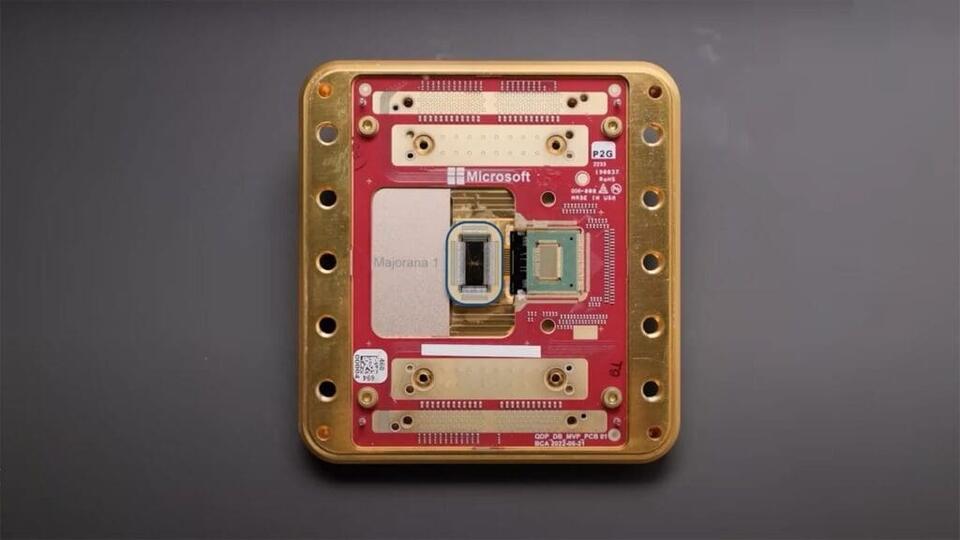
rbarr+FollowAre Tiny Quantum Chips the Next Big Leap?Quantum computing’s ‘transistor moment’ might be closer than we think. The buzz isn’t about more qubits, but about shrinking quantum control and error correction onto microchip-sized modules. If these compact chips can be mass-produced and networked like classical processors, we could see quantum accelerators moving from lab curiosities to real-world infrastructure. Is modular miniaturization the breakthrough quantum needs, or will error rates and physics keep holding us back? #Tech #QuantumComputing #TechDebate20Share
Brandon Wilson+FollowIs Q-Day the End of Online Privacy?Quantum computing is closer than ever to breaking the codes that keep our digital lives secure. With Q-Day looming, experts warn that everything from your emails to Bitcoin could be vulnerable. Are we moving fast enough to upgrade our encryption, or are we sleepwalking into a data apocalypse? How is your industry prepping for the quantum era? Let’s debate the risks and solutions below. #Tech #QuantumComputing #Encryption00Share
russell01+FollowIs Grover’s Algorithm the Next Big Leap?Quantum computing just got a real-world boost with Grover’s algorithm, which can search massive, messy data sets way faster than classical methods. Imagine cutting brute-force searches from a million steps to just a thousand. It’s not science fiction—this is already influencing cryptography, drug discovery, and AI. But will hardware limitations hold it back, or is this the start of a new era in search and optimization? Where do you see quantum search making the biggest impact? #Tech #QuantumComputing #GroversAlgorithm10Share
Melissa Suarez+FollowQuantum Leap or Quantum Hype?Quantum computing is heating up, but are we truly on the brink of a revolution or just inching forward? At Q2B, the buzz was all about qubit stability and error rates, with companies aiming for millions of qubits soon. Yet, the hurdles—like error correction and extreme cooling—are massive. With new languages like Beryllium making quantum software more accessible, is the next decade quantum’s big break, or will physics keep slowing us down? What’s your take on the real-world timeline? #Tech #QuantumComputing #TechDebate00Share
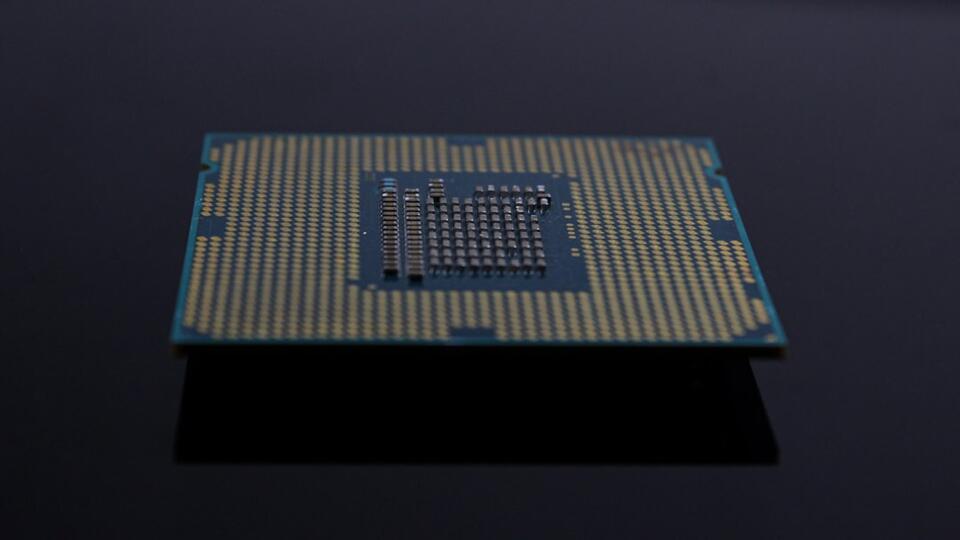
Brandon Wilson+FollowQuantum Chips: Hype or Real Game-Changer?Quantum computing just took a major leap at Q2B Silicon Valley, with silicon-based processors now hitting over 99% accuracy. The buzz? These chips could soon outpace classical computers in drug discovery and materials science. But with error correction and scalability still huge hurdles, is quantum finally ready to disrupt the tech stack—or are we just fueling another hype cycle? Where do you stand on the quantum revolution? #Tech #QuantumComputing #TechDebate00Share
Paul Hall+FollowQuantum Processors: The New Cybersecurity Ally?Could compact quantum processors finally tip the scales in the battle against cyber threats? Researchers are pairing small-scale quantum computing with machine learning to spot network anomalies faster and more accurately—even on imperfect hardware. This hybrid approach reduces false alarms and adapts in real time, but is it enough to keep pace with evolving attacks? Would you trust quantum-enhanced security for your data? Let’s debate. #Tech #QuantumComputing #Cybersecurity10Share
Mark Sims+FollowQuantum Stocks: Real Tech or Just Hype?Ever wondered if quantum computing is more than just sci-fi? Andrew Left from Citron Research says Infleqtion (CCCX) is finally moving from lab experiments to real-world business, thanks to big-name partnerships like Safran and NVIDIA. Meanwhile, rival Rigetti is struggling to keep up, but still trades higher. The takeaway? Sometimes the underdog with actual customers is the smarter bet. Keep an eye on these stocks if you want to catch the next tech wave before it goes mainstream. #Business #Market #QuantumComputing00Share