Tag Page SNAPVoices

#SNAPVoices
Kristen Gutierrez

SNAP vs. Rent — The Tough Choices of a Young Worker

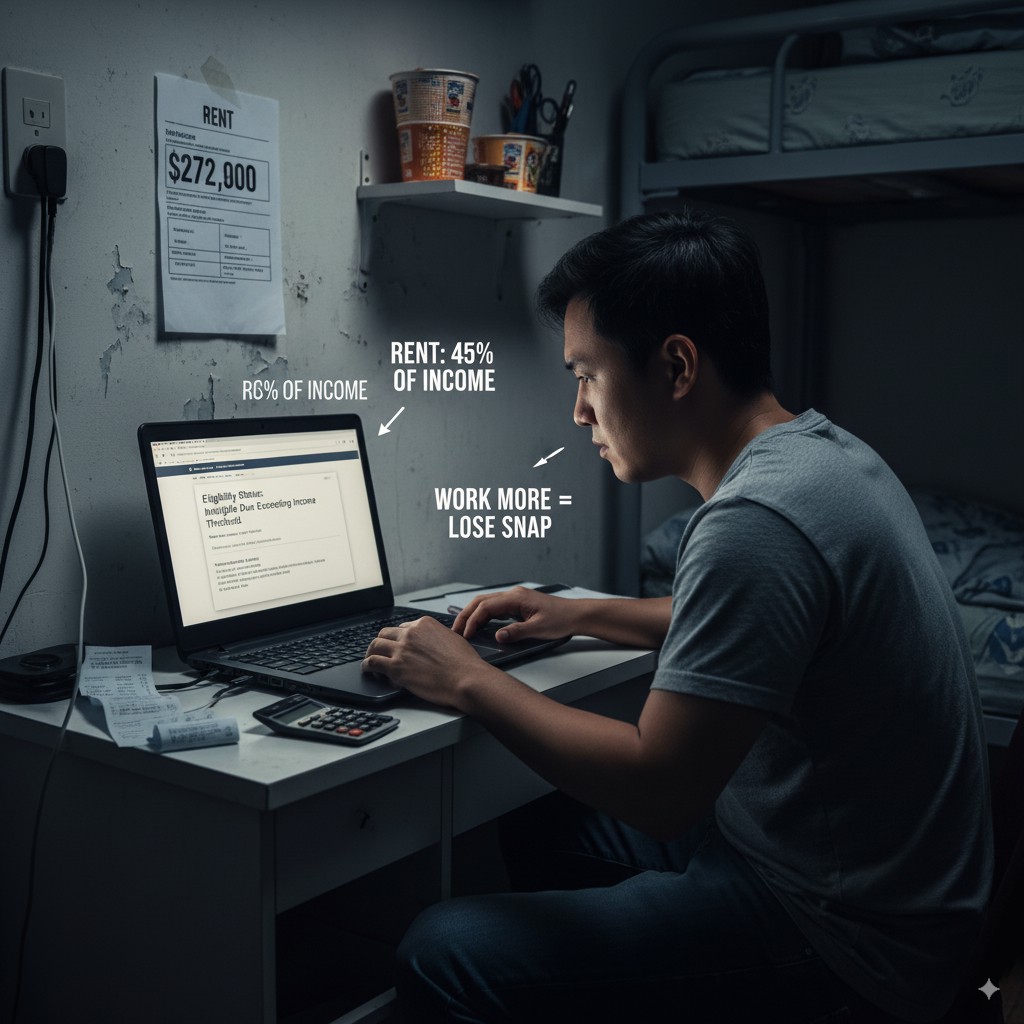
I’m 28 years old and rent a room in a shared apartment. Rent has been climbing nonstop, and every month nearly half of my paycheck goes to the landlord. SNAP is what helps me stretch the rest of my budget when it comes to food. But here’s the issue: SNAP’s eligibility rules are strict. If my income goes just a little over the limit, I lose the benefit. Sometimes when I pick up extra shifts, I end up making “too much,” and SNAP is taken away. Rent hikes aren’t counted in the formula, but they drain my wallet just the same. So I’m caught in a frustrating tradeoff: either I work fewer hours to keep SNAP, or I take extra shifts and lose the support. Shouldn’t the program be more flexible, taking into account the rising cost of living? With rent as high as it is, these rigid thresholds feel out of touch with reality. #SNAPVoices #SNAPLife

SNAP vs. Rent — The Tough Choices of a Young Worker
Matthew Wilson

The Dilemma of Enforcing SNAP Rules

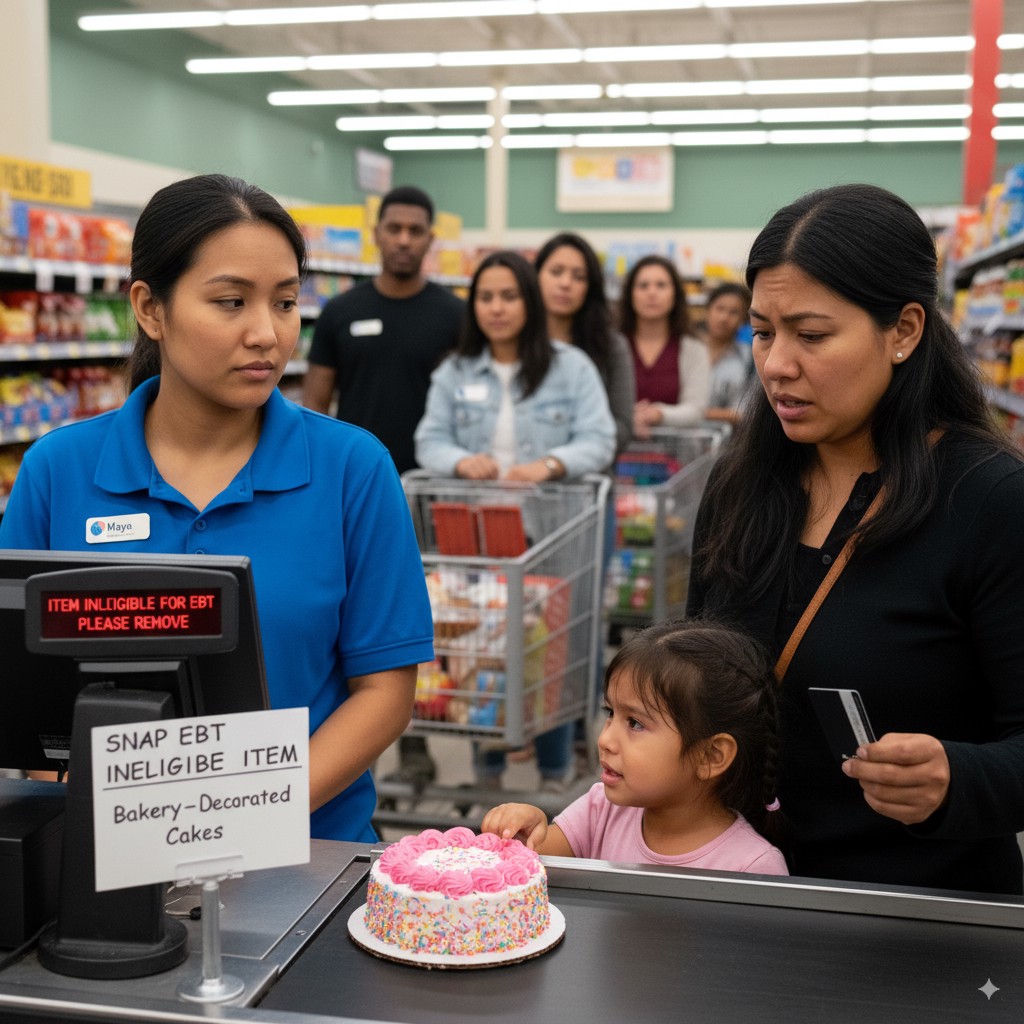
I’m 27 and work as a cashier at a neighborhood grocery store. Recently, management has been stressing that we must strictly follow SNAP rules, because if an item that isn’t eligible goes through, the store could face fines or penalties. Just last week, a customer came through with bread and a small cake. When she swiped her SNAP card, the system immediately flagged the cake as ineligible. The customer looked embarrassed, and her child started crying. All I could say was, “That’s the policy,” but it didn’t feel good. To avoid risk, my supervisor even pre-blocked certain items that might be questionable. But that only made more shoppers feel like we were being “heartless.” As frontline workers, we’re stuck between following compliance and trying to show basic empathy to our neighbors. I understand SNAP is meant to ensure access to essential food, but the way it’s enforced often lacks flexibility. Shouldn’t there be clearer guidance—or limited exceptions—for situations like a child’s birthday cake or specific nutrition items? That way we could stay compliant without taking away small moments of joy. Do you think SNAP enforcement should allow more flexibility, or is strict compliance the only fair way? #SNAPVoices #SNAPLife

The Dilemma of Enforcing SNAP Rules
Lisa Goodman

SNAP and the Birthday Cake

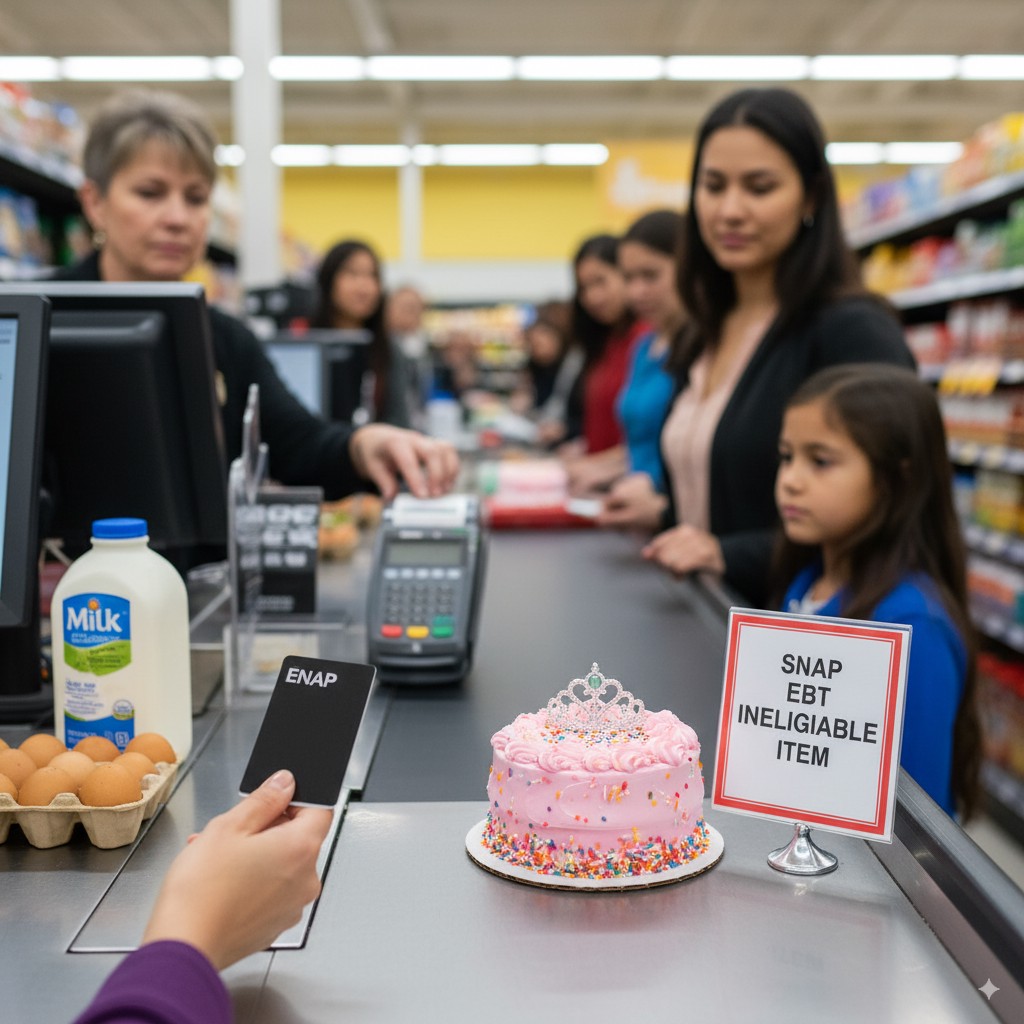
SNAP and the Birthday Cake My daughter was about to turn six. It had been a really tight year. Almost every dollar I made went to rent and bills. The food on our table? That came from the SNAP benefits that hit my EBT card each month. I’d been promising her for a long time that on her birthday, I’d get her that princess cake she loved—the one with the pink frosting and rainbow sprinkles. We’d seen it at the grocery store a few times, and she’d always press her face against the glass display, refusing to leave. On her birthday, I took her to the store. I let her pick it out herself. She chose the smallest one, but her eyes were lit up. I carefully placed the cake in our cart, along with some milk and eggs. At the checkout, I pulled out my EBT card, just like always. The cashier scanned the milk and eggs, then picked up the cake. She turned it over, then looked at me with an apologetic smile. "I'm sorry," she said, "but you can't pay for this with SNAP." I was stunned. "Why not? It's food." "It's a prepared item from the bakery," she explained. "The rules say items with low nutritional value, like decorated cakes, aren't eligible. But you can use the card to buy flour, sugar, and eggs to make one yourself." My face burned. There were people in line behind me, and my daughter was looking up at me, her eyes full of hope. Make one myself? My oven broke last month, and it costs over a hundred dollars to fix—money I just don't have. And even if I had an oven, could these hands of mine ever make a princess cake that beautiful? I couldn't explain "prepared items" and "nutritional value" to a six-year-old. All I could do was crouch down and say, in the softest voice I could manage, "Honey, how about... how about we get something else? We can get some cookies." The light in her eyes just went out. She didn't cry, but she went silent. I took the beautiful princess cake out of the cart and handed it back to the cashier. On the walk home, my daughter didn't say a word. I know SNAP is meant to keep us fed, to provide nutrition. But on that day, I really wanted to ask the people who made the rules: isn't a child's happiness on her birthday a kind of nutrition, too? Why do these rules make the simplest celebration for a normal family so incredibly difficult? #SNAPVoices #SNAPLife

SNAP and the Birthday Cake
Jessica Howe

Texas SNAP New Policy: Even Small Treats May Be Restricted

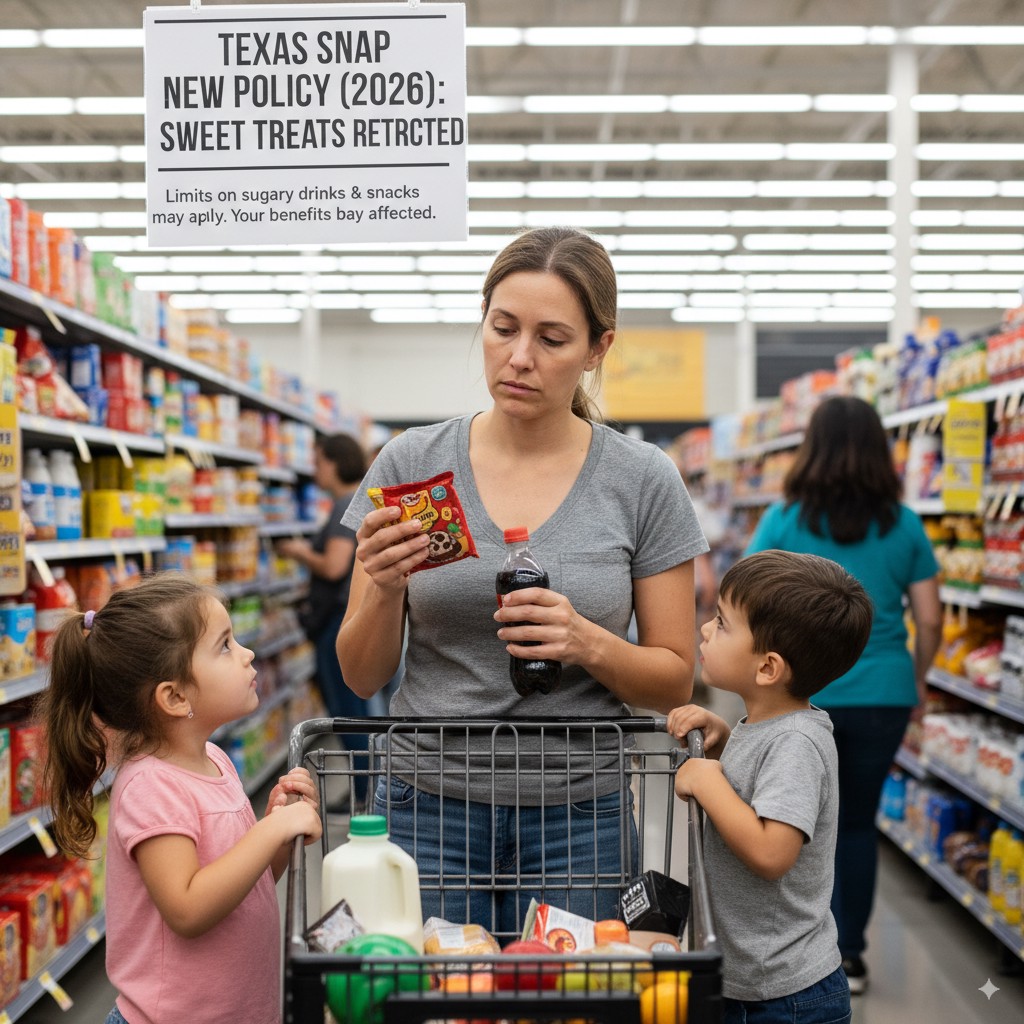
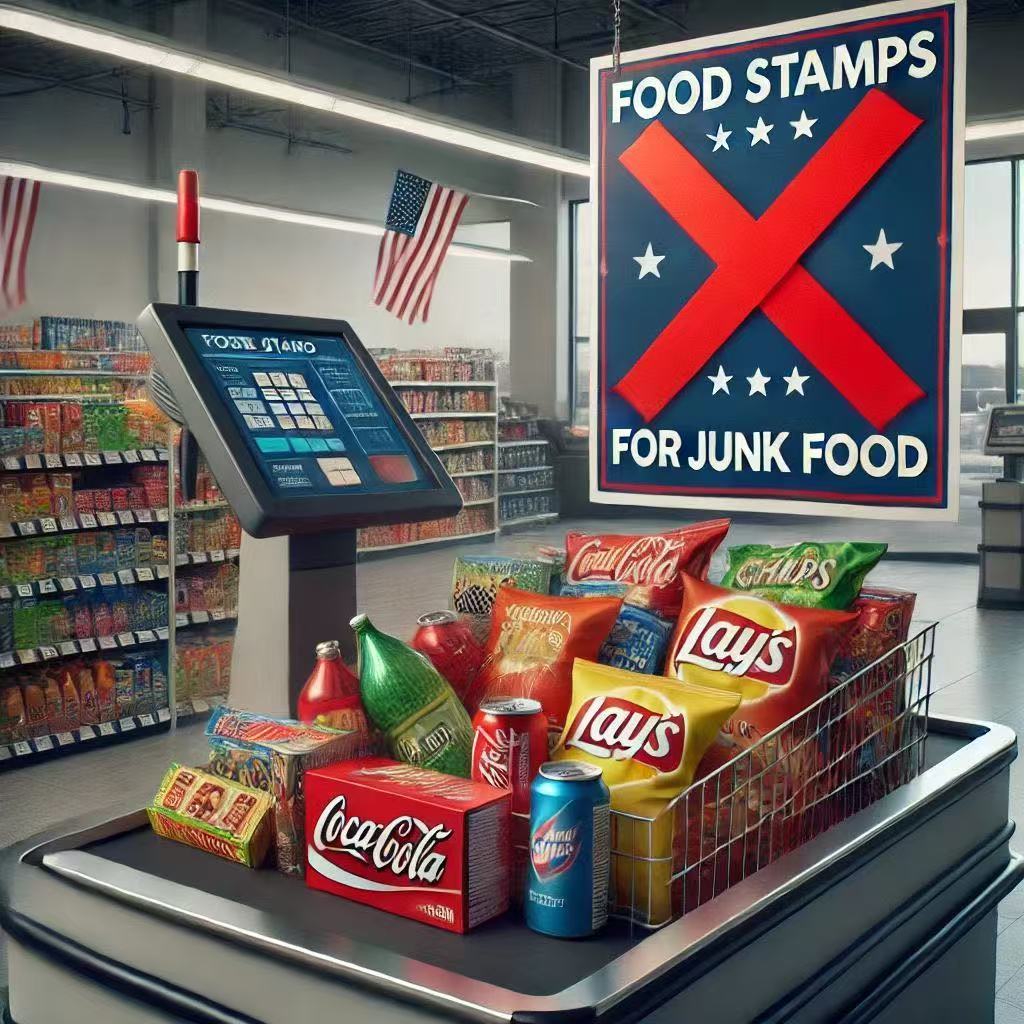
I’m a stay-at-home mom in Texas and a SNAP participant. Every morning, I wake up early to get my kids ready, prepare breakfast, clean up the kitchen, and grab a quick coffee before starting a day full of housework and occasional part-time work. Weekends, when I go grocery shopping with my kids, are our only moments to relax a little. I usually pick up a few bottles of soda and some small snacks: a few chocolates to put in my child’s backpack as a surprise for after school, or a pack of cookies at home that I can sneak a couple of pieces from after a long, tiring day—little comforts that make life a bit easier. Recently, I heard that starting in 2026, SNAP will limit purchases of sugary drinks and snacks. Although the policy hasn’t been implemented yet, I already feel anxious: Next time I go shopping, will I still be able to grab a few treats for my kids like I usually do? What will I do when I want a small reward for myself after a long day of work? I understand the policy aims to promote healthier eating, but in real life, these small treats and drinks are tiny moments of comfort in our busy days. Thinking that I may no longer be able to enjoy even these smallest pleasures, I feel frustrated and a bit unfairly treated. SNAP is supposed to help maintain basic living, but now it seems even small joys may be restricted. I wonder if other SNAP participants who are parents in Texas share the same concerns. If adjustments could be made before the policy takes effect, so we can stay healthy without losing small comforts in life, what changes would you hope to see? #SNAPVoices #SNAPLife

Texas SNAP New Policy: Even Small Treats May Be Restricted
WhimsicalWhisperer

🥗 Should SNAP Be Limited to Healthy Foods?

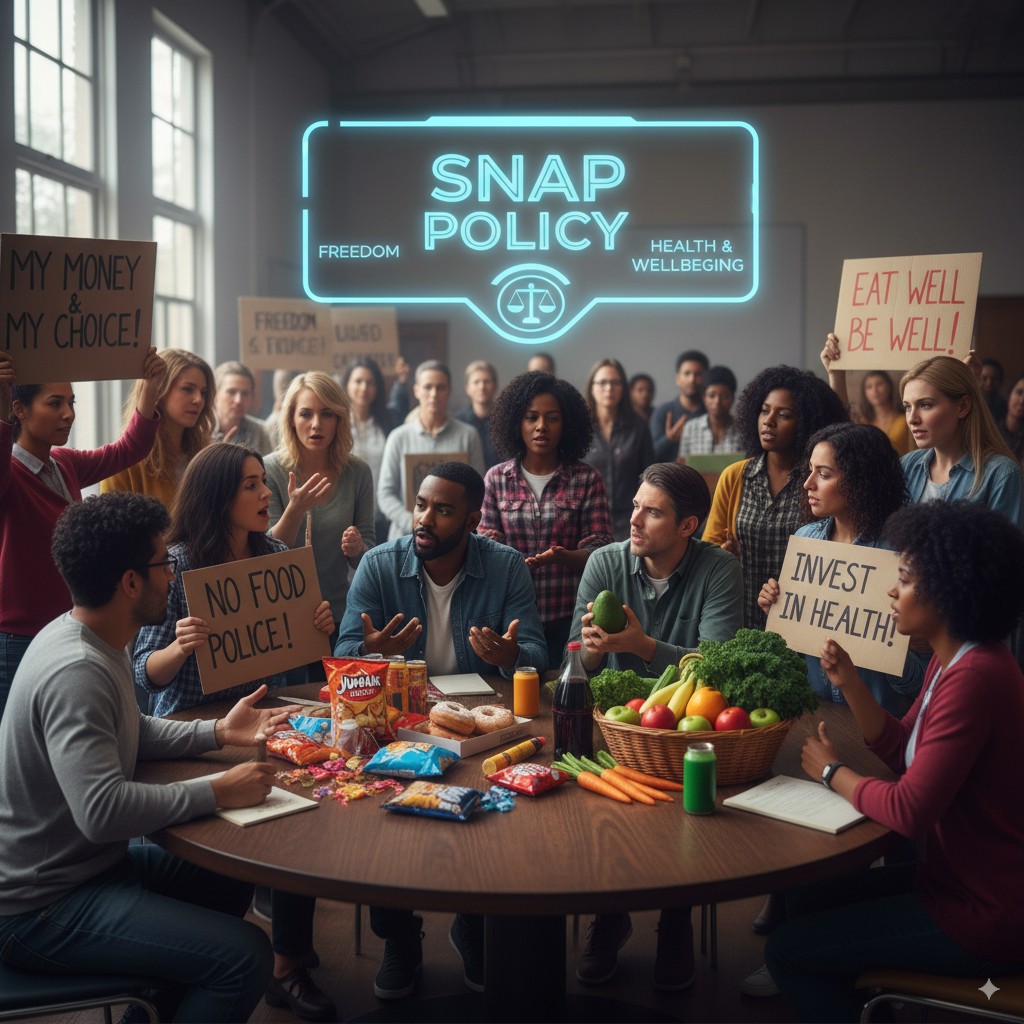
I recently read proposals suggesting that SNAP (Supplemental Nutrition Assistance Program) benefits should only cover healthy foods—like fruits, vegetables, and whole grains—while restricting sugary drinks or junk food. As someone who follows social issues, I can’t help but wonder: does this really make sense? A friend of mine relies on SNAP to feed her kids. She told me, “Sometimes we buy snacks just to make them happy.” If SNAP were restricted, would kids lose those small joys? At the same time, I understand the reasoning: encouraging healthier eating could improve public health and reduce obesity or chronic illnesses. So here’s the question: If you were designing SNAP, would you support restricting purchases to healthy foods? Why? Prioritize health and limit choices strictly? Or keep it flexible and let families decide? It’s more than “what money can buy.” It’s about freedom, health, and where government should step in. #SNAPVoices #SNAPLife

🥗 Should SNAP Be Limited to Healthy Foods?
QuantumJumper

SNAP 80-Hour Rule Starts This Month — Here’s How It Feels for Real Families

I’m not a policy expert — just a 44-year-old guy from Ohio trying to keep my family fed. A couple years back when the auto shop cut my hours during COVID, SNAP honestly kept us afloat. Without it, I don’t know how I would’ve bought milk and cereal for my kids. But I’ve also seen people treat SNAP like a permanent paycheck. My old neighbor — nice enough guy — mostly lived off benefits, doing odd jobs here and there. Meanwhile, I was stressing every month, picking up extra shifts just to pay rent and buy groceries. That didn’t feel fair. So the new rule — work, training, or volunteer at least 80 hours a month — seemed really tough at first. But thinking about it… I kind of get it. SNAP wasn’t meant to be a full-time salary. If you’re able-bodied, doing a few hours of work or volunteering seems like a fair expectation. The policy isn’t just a proposal anymore — Congress passed the budget bill this summer and the SNAP changes were signed into law. Many of the expanded work rules started rolling out on September 1, 2025, and USDA is still issuing guidance while states implement details on their own timetables. Some parts are already in effect, while other pieces (like state bans on certain junk-food purchases using SNAP) will phase in later. Still, I worry. Not everyone has the same situation. My sister is a single mom — some weeks she can barely make her work shifts because her babysitter cancels. If she loses SNAP just because she can’t hit 80 hours, her kids pay the price. That doesn’t feel fair. For me, SNAP was most valuable as a short-term lifeline. It gave me breathing room to get back on my feet, not to stay on it forever. If the new rules encourage people to use it that way, maybe it’s a step toward fairness. But if they cut off the wrong people, it just punishes those already struggling. #SNAPVoices #SNAPLife

SNAP 80-Hour Rule Starts This Month — Here’s How It Feels for Real Families
You've reached the end!