Tag Page STEM

#STEM
justme

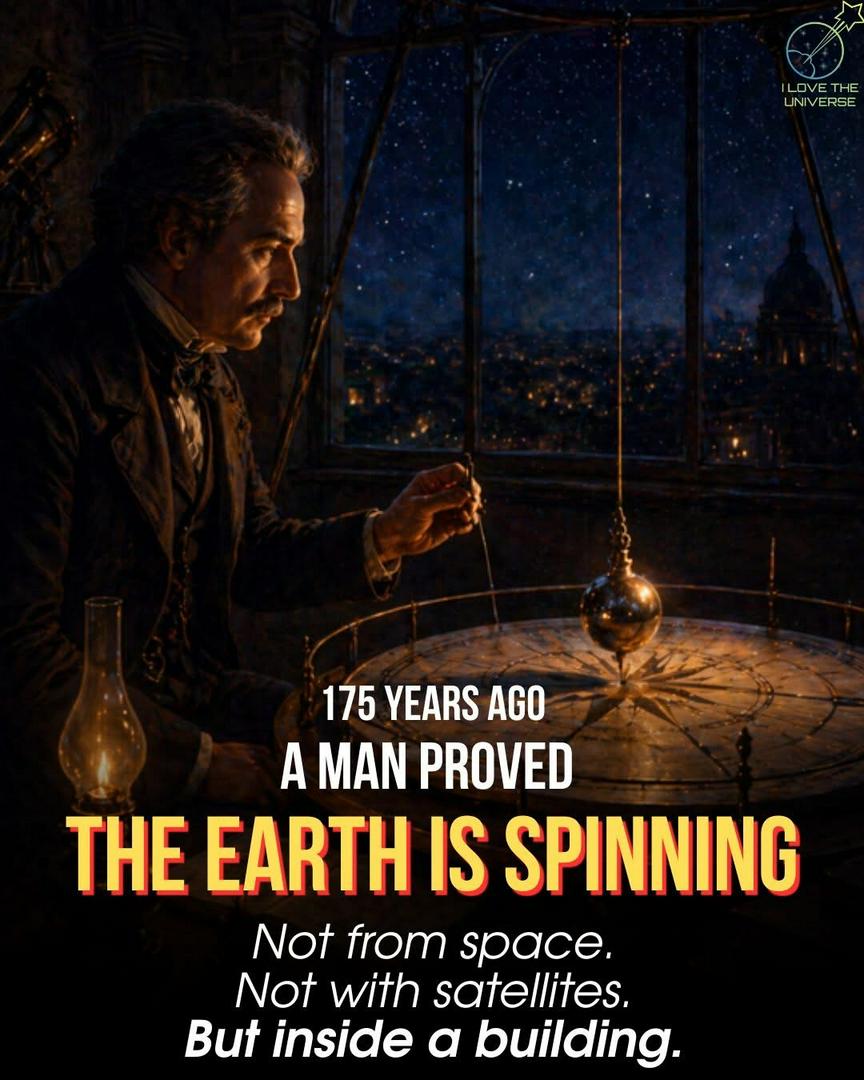
In 1851, a simple experiment proved that Earth is spinning. Not from space. Not with satellites. But inside a building… with a swinging weight. For centuries, people believed that Earth rotates. But proving it was another challenge. The French physicist Léon Foucault came up with a brilliant idea. He suspended a heavy metal ball from a long wire and set it in motion. Back and forth… perfectly steady. At first glance, nothing seemed unusual. But slowly, something incredible happened. The direction of the swing began to change. Not because the pendulum moved differently… but because the Earth beneath it was turning. The pendulum kept its direction in space. The ground did not. With a single, elegant experiment, Foucault made the rotation of Earth visible. No rockets. No space travel. Just a swinging weight… revealing that our planet is constantly in motion. #Science #Physics #Earth #Astronomy #DidYouKnow #ScienceFacts #Cosmos #Universe #STEM #SpaceScience

ArmyVet News & Knowledge

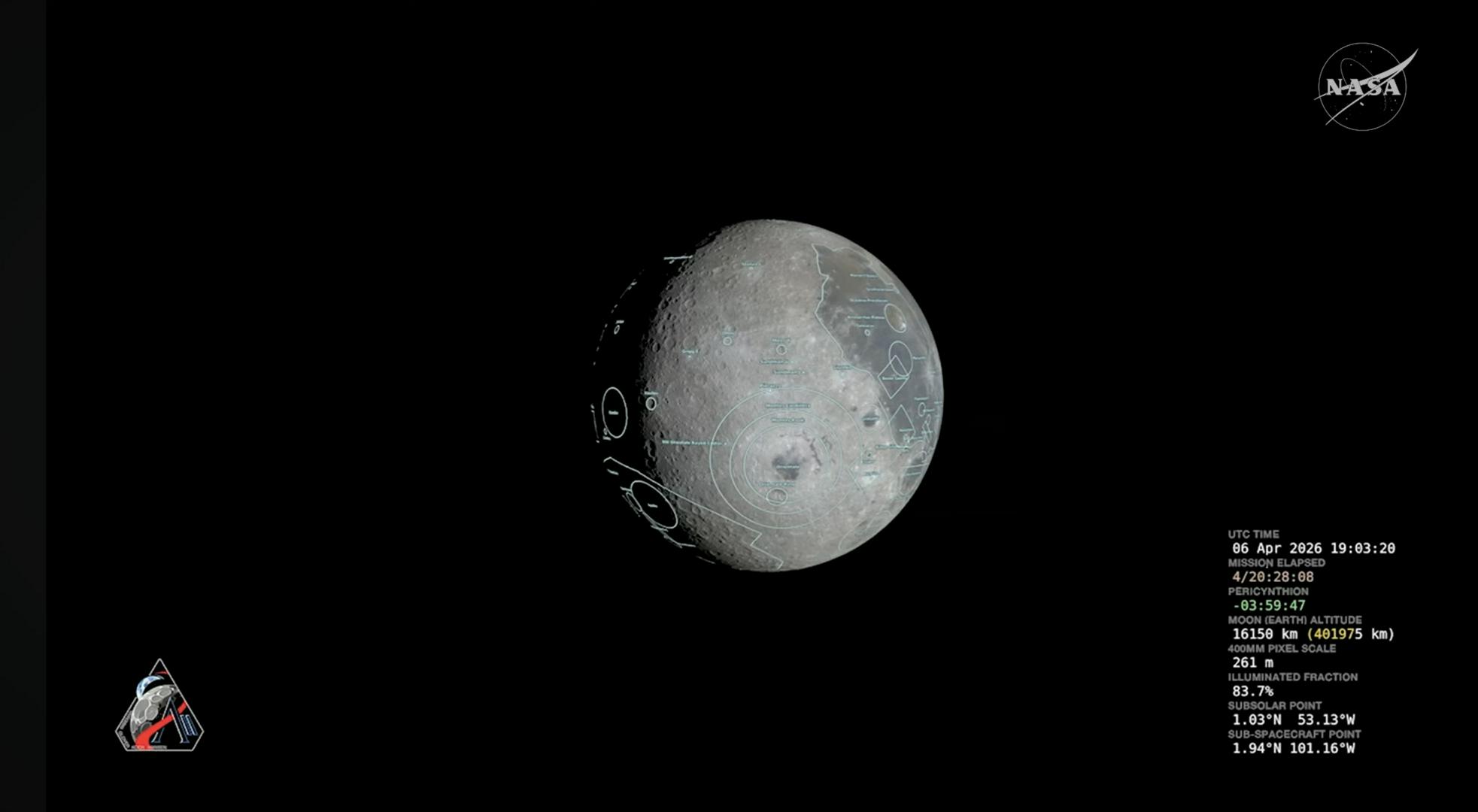
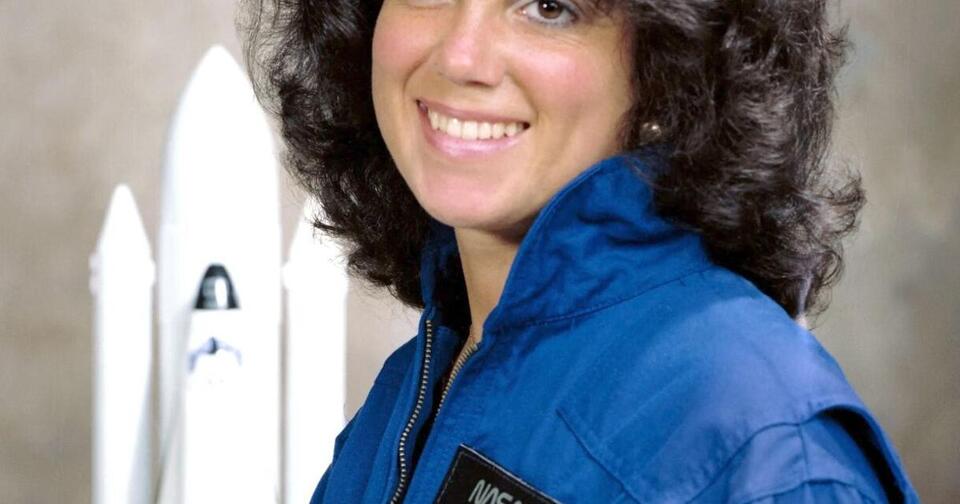
🚀🇺🇸 NASA’s Artemis program isn’t just a return to the Moon — it’s a full engineering roadmap for building a multi‑planet future. The plan starts with proving the hardware: SLS, the heavy‑lift rocket; Orion, the deep‑space crew capsule; and the upgraded ground systems that support them. Artemis I validated the full stack in deep space. Artemis II puts humans into the loop — testing life support, navigation, radiation exposure, and manual controls on a 10‑day lunar flyby. From there, Artemis III targets the Moon’s south pole, where water ice could support fuel production and long‑term habitation. This mission requires Orion, SLS, and SpaceX’s Human Landing System working together — the first sustained surface operations since Apollo. Artemis IV and beyond shift from “missions” to infrastructure: building the Lunar Gateway, expanding surface mobility, and testing resource extraction. These steps aren’t symbolic — they’re the engineering foundation for Mars. NASA states that Artemis is the required proving ground for deep‑space survival, propulsion, and life‑support systems needed for the first crewed Mars missions. 🌕➡️🔴 The long‑term goal: a sustainable lunar base, a staging point in lunar orbit, and eventually humans living and working on Mars. Not science fiction — a strategic, step‑by‑step architecture for a multi‑planet species. #NASA #Artemis #EngineeringTheFuture #MoonToMars #SpaceExploration #STEM #USA #NextGiantLeap 🚀

MrsBlunt

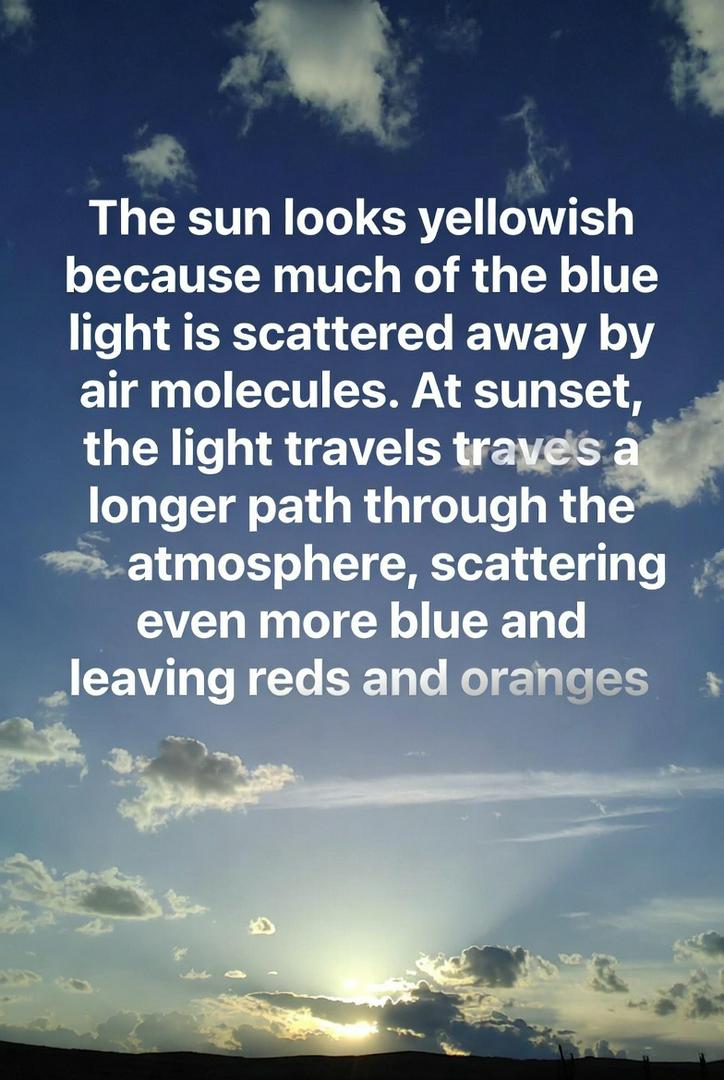
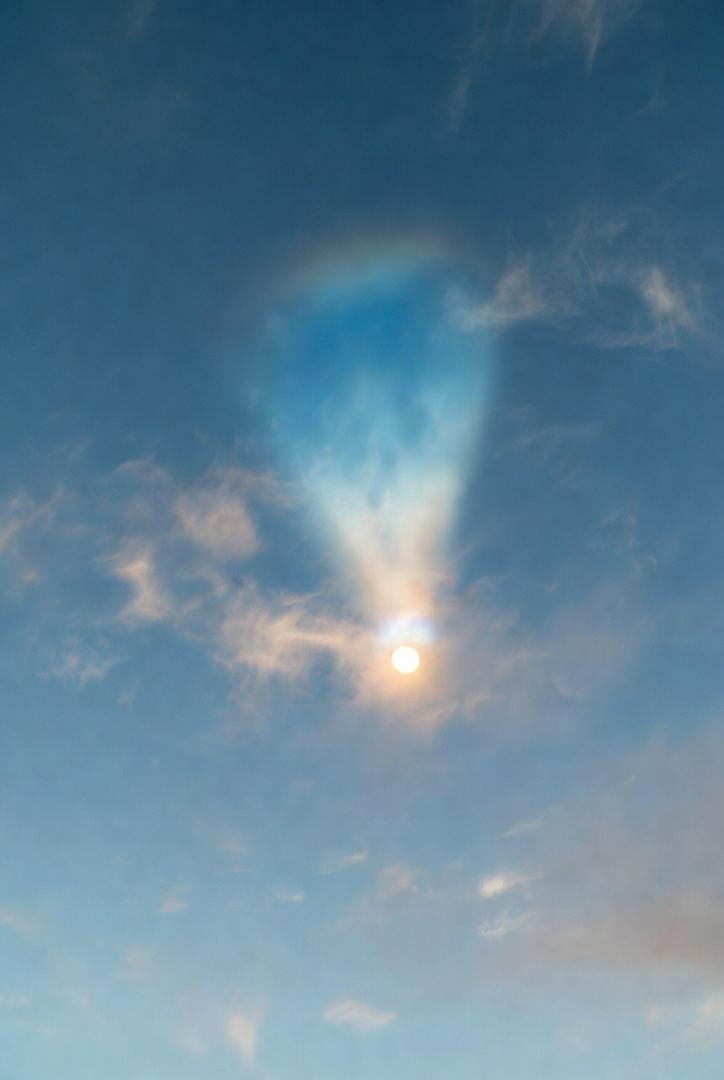
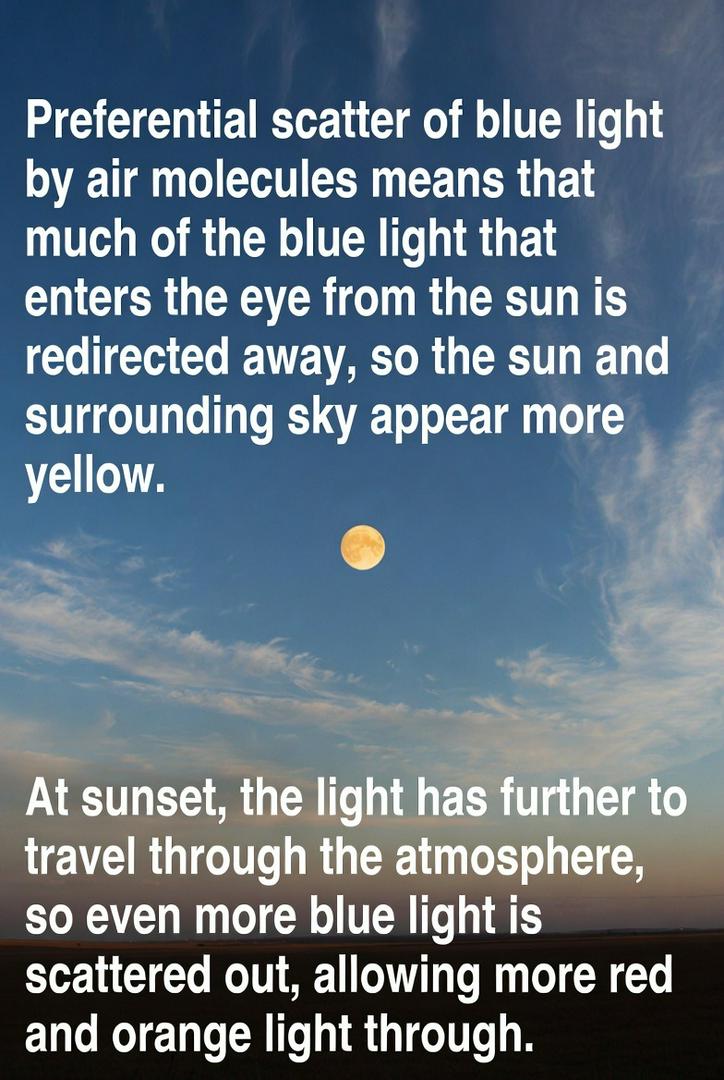
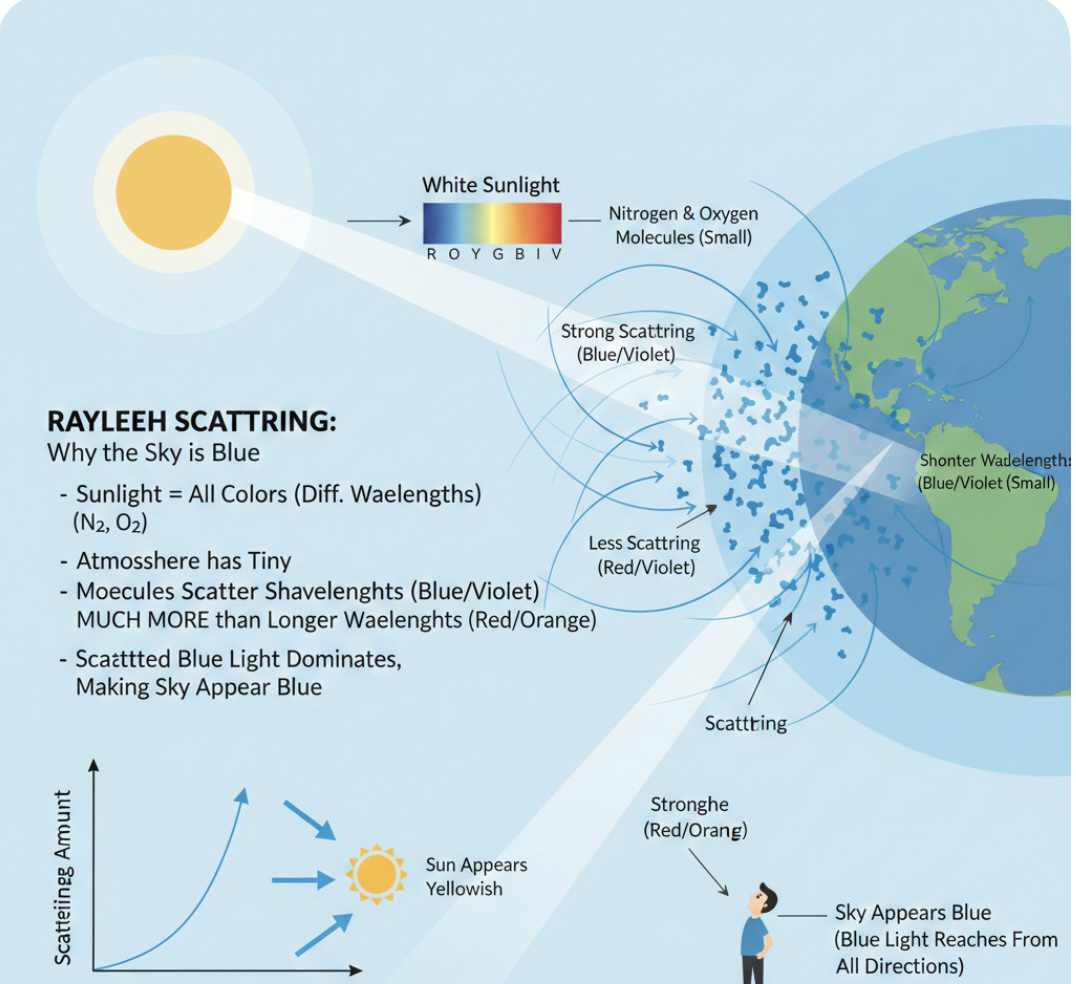
The sky appears blue due to a phenomenon called Rayleigh scattering, named after the physicist Lord Rayleigh. Here’s how it works step by step. Sunlight, which we perceive as white, is actually a mixture of all colors in the visible spectrum—red, orange, yellow, green, blue, indigo, and violet—each with different wavelengths. Red light has longer wavelengths, around 700 nanometers, while blue and violet have shorter ones, about 400-450 nanometers. When sunlight enters Earth’s atmosphere, it encounters tiny molecules of gases like nitrogen and oxygen, which are much smaller than the wavelengths of visible light. These molecules scatter the incoming light in all directions, but not equally. The amount of scattering is inversely proportional to the fourth power of the wavelength—meaning shorter wavelengths scatter much more intensely than longer ones. So, blue light scatters about 10 times more than red light. As a result, when you look up at the sky during the day (not directly at the sun), you’re seeing sunlight that’s been scattered multiple times by the atmosphere. The blue light reaches your eyes from every direction, overwhelming the other colors and making the sky look blue. Violet scatters even more, but our eyes are less sensitive to it, and some gets absorbed higher up, so blue dominates. This scattering also explains why the sun looks yellowish—much of the blue has been redirected away. At sunset, the light travels a longer path through the atmosphere, scattering even more blue and leaving reds and oranges. But for the daytime sky, it’s all about that preferential blue scatter. #Optics #BlueSky #RayleighScattering #STEM #LightSpectrum Latoshia Fisher Blunt

You've reached the end!
Tag: STEM | LocalAll