Tag Page Salvation

#Salvation
LLama Loo

🕊️ How to Pray When You Don’t Have the Words One of the most freeing truths about prayer is this: God already knows your heart — and He is patient with your process. Prayer was never meant to be a performance, a script, or a carefully worded speech. God is omniscient. He knows what you carry before you ever speak it. And still, He invites you to come to Him — not because He needs information, but because relationship requires presence. He wants to hear you speak to Him. Even if it’s just a whisper. Even if it’s broken. Even if it’s silence. There is no wrong way to pray as long as you are earnest. You don’t need special language. You don’t need polished words. You don’t need to sound spiritual. Just talk to Him the way you would talk to a trusted friend or a loved one — because that is exactly what He is. Don’t worry about getting the words right. There is no script to follow. Just talk. Just ask. Just thank. Just praise. And then — be still. ⸻ Prayer Is Offered Through Jesus All prayer is offered in Jesus’ name, because Jesus Christ is the mediator between God and humanity. We do not approach God by our eloquence, our posture, or our worthiness. We approach Him through Christ alone. In moments when words completely fail, the Holy Spirit meets us there — translating the feelings of our hearts, the ache we can’t articulate, and the prayers we don’t know how to form. Prayer is a vulnerable space, and God does not leave us exposed in it. The Spirit intercedes, protects, and carries what we cannot. ⸻ Humility at the Heart of Prayer Prayer begins with humility. We worship God because He is good. We do not worship Him to control outcomes. We do not demand. We do not bargain. It is right to ask God to meet our needs — He invites us to do so. But we must remember: God is our loving Father, not a lucky rabbit’s foot. ✝️ CONTINUED IN COMMENTS ⬇️⬇️⬇️ #Bible #God #Jesus #BibleStudy #Help #Praying #Love #Forgiveness #Salvation

LLama Loo

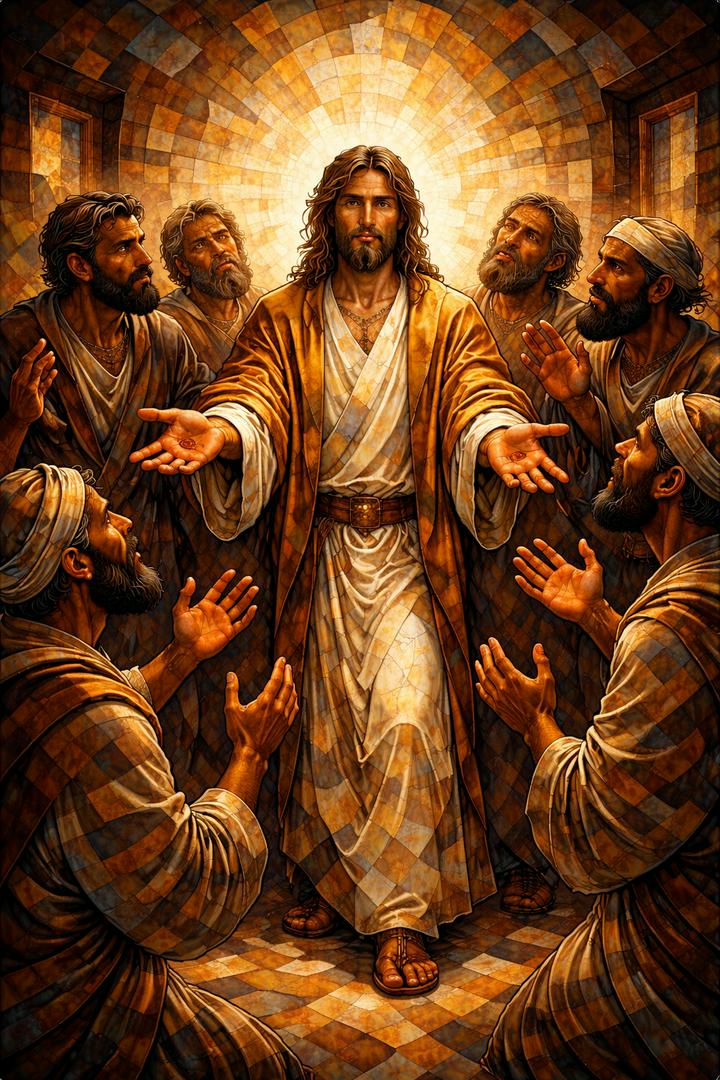
✨ Prophecy Fulfilled: The Life of Yeshua (Jesus) The Locked Room This takes place later that same evening — the first day of the week. The disciples are hiding. Not praying. Not celebrating. Not preaching. Hiding. John records the reason very plainly: “The doors were shut where the disciples were assembled, for fear of the Jews.” — John 20:19 They had watched their Rabbi executed. The authorities who orchestrated His death were still in power. Fear ruled the room. Then something impossible happened. Yeshua appeared in the middle of the room. The doors had not opened. No footsteps approached. No announcement was made. He simply stood among them. And the first words out of His mouth were not rebuke. Not correction. Not disappointment. They were mercy. “Peace be with you.” — John 20:19 He showed them His hands. He showed them His side. The wounds were still there. Not as defeat… but as eternal testimony of what had been accomplished. The disciples moved from terror to overwhelming joy. Then Yeshua did something profound. “As the Father has sent Me, I also send you.” — John 20:21 Their mission began that night. And then another mysterious act occurred: “He breathed on them and said, ‘Receive the Holy Spirit.’” — John 20:22 This moment echoes something ancient. In Genesis, God breathed life into Adam. Now the risen Messiah breathes spiritual life into His disciples. Creation… renewed. The Kingdom mission had begun. 🙏🏼 CONTINUED IN COMMENTS #JESUS #Resurrection #BibleStudy #Prophesy #God #Love #Salvation

LLama Loo

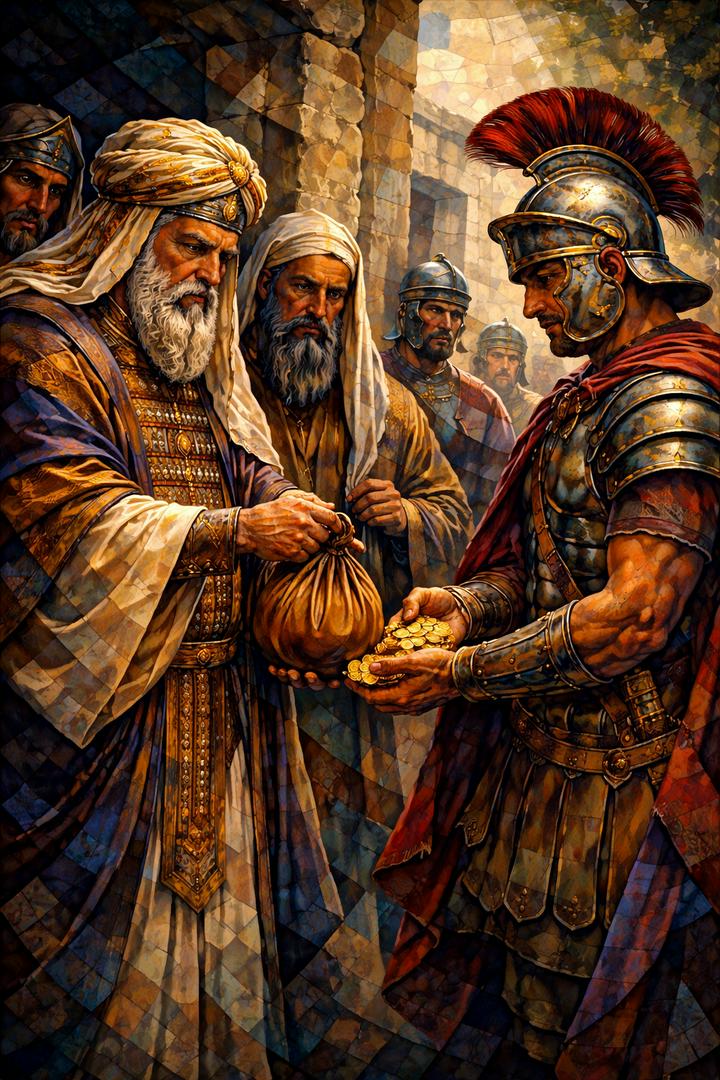
✨ Prophecy Fulfilled: The Resurrection of Yeshua (Jesus) Fear and Bribery The women left the tomb “with fear and great joy” (Matthew 28:8). They had heard the angel declare, “He is not here, for He has risen.” The stone was moved. The grave was empty. Death had not held Him. And then—He met them. “Greetings,” Yeshua said (Matthew 28:9). They fell at His feet and worshiped Him. This was no vision. No rumor. They touched Him. He repeated the same words spoken by heaven moments earlier: “Do not be afraid.” The first command of Resurrection morning was not celebration—it was calm. Fear was being replaced with faith. But while worship was happening on the road, something else was unfolding in the city. The guards who had been posted at the tomb reported what had happened. These were trained Roman soldiers. Their duty was serious; failure could mean severe punishment. Yet instead of denying the event, they told the chief priests everything. The response was not investigation. It was containment. The priests gathered, took counsel, and offered money to the soldiers. They were instructed to say, “His disciples came by night and stole Him while we were asleep” (Matthew 28:13). It was an explanation that created more questions than answers. Sleeping guards would not know who took a body. And Roman discipline was not gentle with such failures. Still, the money was taken. The story was spread. From the very first morning, two responses to the Resurrection stood side by side: Worship. And suppression. The risen Messiah had spoken peace. But the world had already begun choosing its lie. 🙏🏼 Continued in Comments ⬇️⬇️⬇️ #Jesus #Salvation #God #Truth #Bible #AtheistFamily #JesusIsReal

LLama Loo

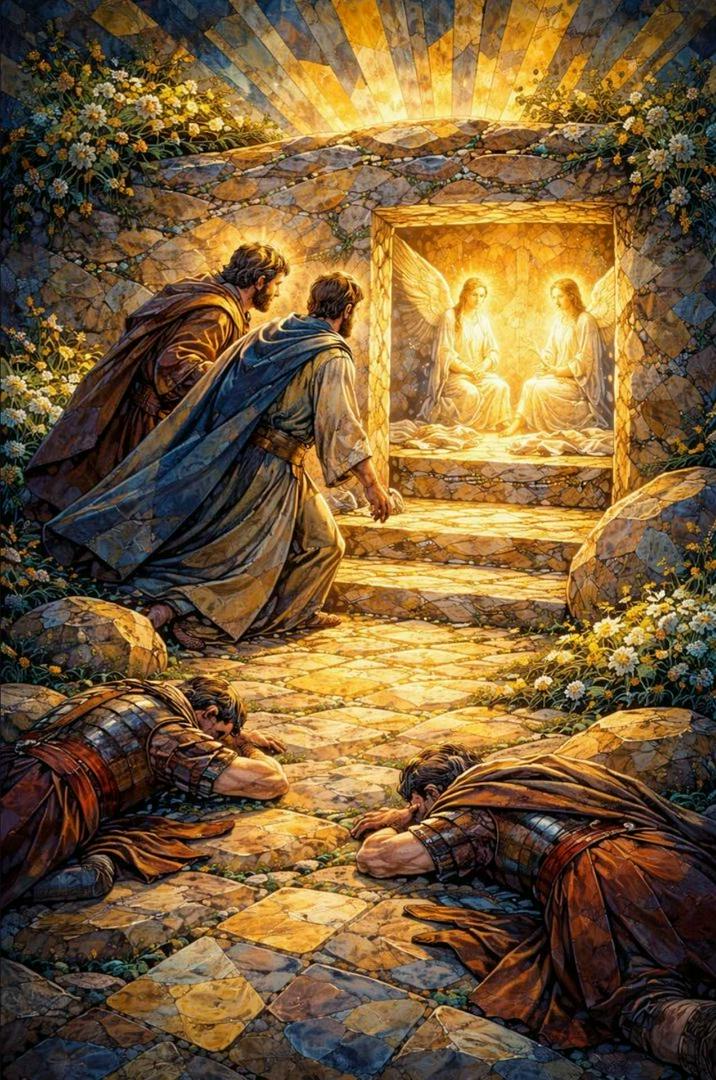
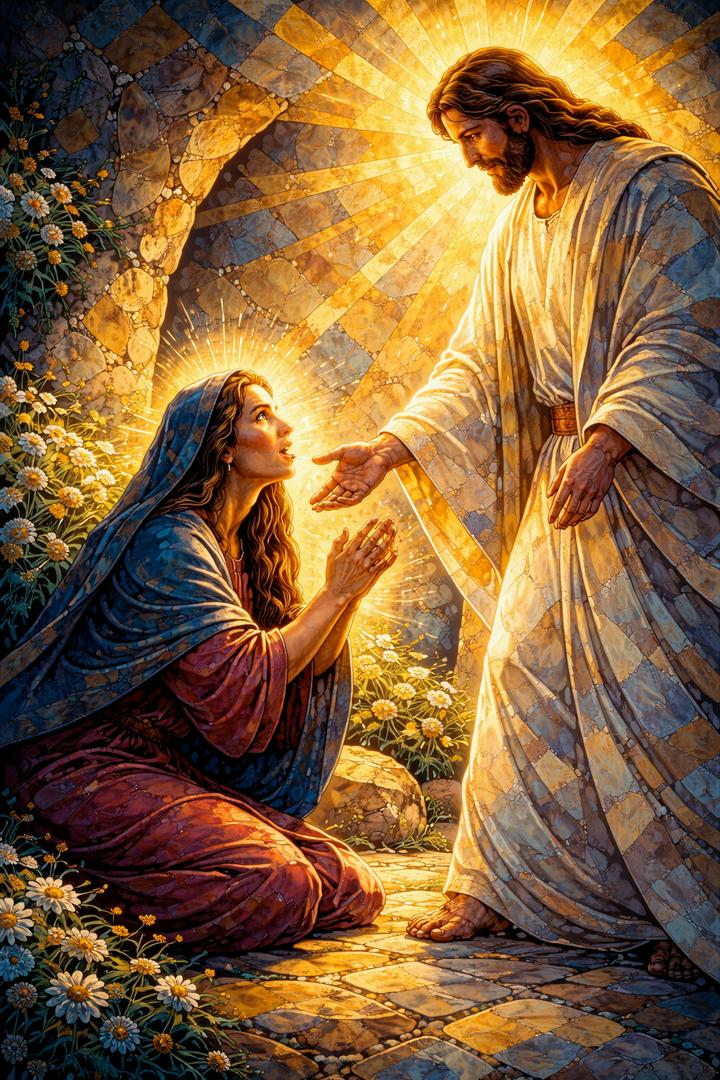
✨ Prophecy Fulfilled: The Life of Yeshua (Jesus) “Mary.” Peter and John had left. The linen wrappings remained. The tomb stood open. The morning air still carried confusion and awe. But Mary Magdalene stayed. John tells us simply: “But Mary stood weeping outside the tomb.” (John 20:11) She had seen the cross. She had watched Him die. She had come before sunrise to honor a body. Now even the body was gone. Through tears she stooped to look into the tomb, and she saw two angels in white, sitting where the body of Yeshua had lain — one at the head, one at the feet (John 20:12). They asked her gently: “Woman, why are you weeping?” (John 20:13) Her answer was heartbreak itself: “They have taken away my Lord, and I do not know where they have laid Him.” She turned. And saw Him. But she did not know it was Him. Resurrection stood before her, and grief blinded her eyes. Yeshua asked: “Woman, why are you weeping? Whom are you seeking?” (John 20:15) Supposing Him to be the gardener, she pleaded for the body. Then He spoke one word. “Mary.” (John 20:16) Not a sermon. Not a proclamation. Her name. And in that instant, recognition shattered grief. “Rabboni!” — Teacher. The first person to see the risen Messiah was not a ruler. Not a priest. Not a Roman official. It was a woman once delivered from seven demons (Luke 8:2). A woman who stayed when others fled. A woman who wept when others went home. Resurrection was revealed to the faithful. Yeshua told her: “Do not cling to Me, for I have not yet ascended to the Father. But go to My brothers and say to them…” (John 20:17) Mary became the first witness. The first evangelist of the resurrection. She went and announced: “I have seen the Lord.” (John 20:18) ⸻ This moment changes everything. The resurrection is not merely an empty tomb. It is a personal call. He speaks names. ✝️ Continued in Comments ⬇️⬇️⬇️ #Jesus #Resurrection #Bible #Salvation #Help #Love #Atheism #Gnosticism

LLama Loo

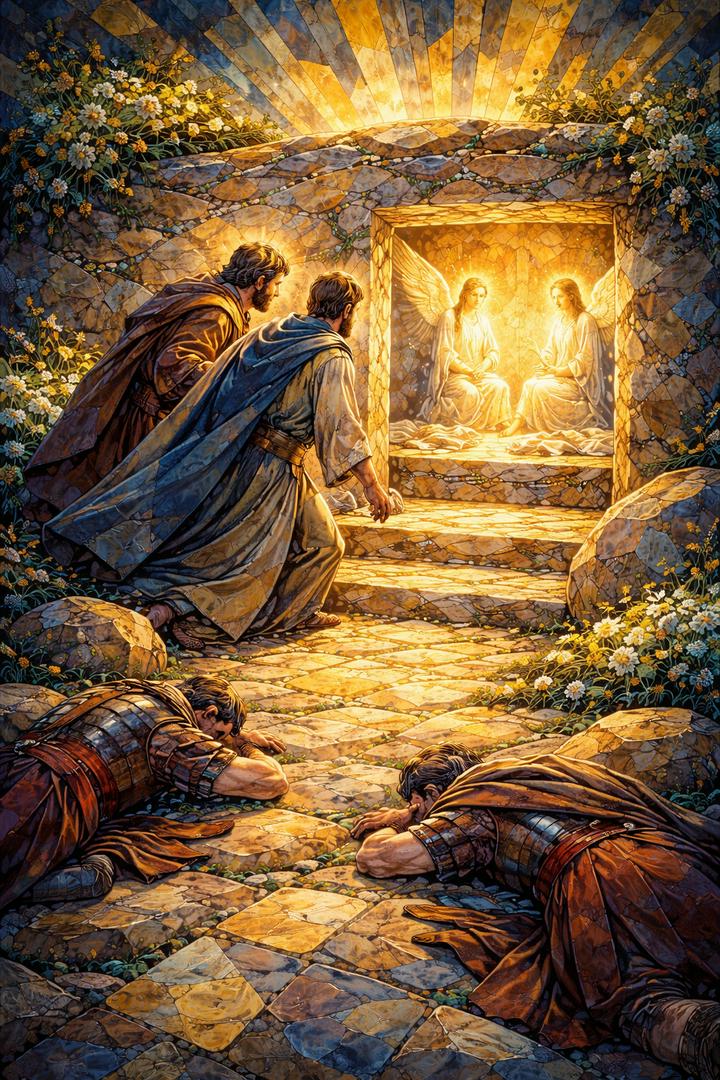
✨ Prophecy Fulfilled: The Life of Yeshua (Jesus) “Do Not Be Afraid” The earth had already shaken. The stone had already moved. But the world did not yet know. “After the Sabbath, toward the dawn of the first day of the week…” (Matthew 28:1), the women came—Mary Magdalene, the other Mary, and those who had loved Him enough to stay near the cross. They came carrying spices. They came expecting death. Instead, they found an empty tomb. Matthew tells us an angel of the Lord descended, his appearance “like lightning, and his clothing white as snow” (Matthew 28:3). The Roman guards trembled and fell like dead men. But the angel did not speak first to soldiers. He spoke to the women. “Do not be afraid, for I know that you seek Jesus who was crucified. He is not here, for He has risen, as He said.” (Matthew 28:5–6) Do not be afraid. The first command of Resurrection morning was not triumph. It was calm. The women entered and saw that the body was gone. Luke records their confusion—“they were perplexed about this” (Luke 24:4). Two men in dazzling apparel reminded them of His words: “Why do you seek the living among the dead? He is not here, but has risen.” (Luke 24:5–6) And suddenly, they remembered. Everything He had told them. Every promise about the third day. Matthew says they departed the tomb “with fear and great joy” (Matthew 28:8). Not polished faith. Not composed theology. But trembling joy. They ran. ⸻ The Race Mary Magdalene ran to Simon Peter and the disciple whom Yeshua loved. “They have taken the Lord out of the tomb, and we do not know where they have laid Him!” (John 20:2) Even in resurrection, there was still uncertainty. Peter and John did not pause to debate. They ran. John tells us, almost breathless in detail: “The two were running together, but the other disciple outran Peter and reached the tomb first.” (John 20:4) ✝️ Continued in Comments ⬇️⬇️⬇️ #Salvation #Jesus #Resurrection #Help #Truth #Bible #God #Love

LLama Loo

Prophecy Fulfilled: The Life of Yeshua (Jesus) The Tomb The cross was not the end of the story—but it was the end of His suffering. When Yeshua breathed His last, the sky had darkened, the earth had trembled, and the crowd that once roared had grown quiet. Rome had done its work. By every legal and physical standard, He was dead. What followed was not spectacle. It was care. As the Sabbath approached, time became precious. Jewish law required burial before sundown, and victims of crucifixion were rarely granted dignity after death. Bodies were often left exposed as warnings—forgotten by men and consumed by nature. But Yeshua was not abandoned. ⸻ Yosef of Arimathea Steps Forward Yosef of Arimathea, a respected member of the council and a man described in Scripture as one who was waiting for the kingdom of God, emerged from quiet faith into public courage. Until this moment, he had remained largely unseen—careful, observant, faithful in private. Now, when association with Yeshua carried real danger, Yosef went directly to Pilate and asked for the body. This was not a small act. Requesting the body of an executed criminal placed Yosef at risk—socially, politically, and spiritually. Yet he did not hesitate. Love rarely does when the cost is highest. Pilate confirmed that Yeshua was truly dead and released the body into Yosef’s care. ⸻ The Burial Preparation Yeshua was taken down from the cross by human hands—hands that touched torn flesh, puncture wounds, and dried blood. There was no time for ceremony, only intention. Nicodemus joined Yosef, bringing an extraordinary amount of burial spices—myrrh and aloes—far more than custom required. This was not a pauper’s burial. It was an offering of honor. His body was gently wrapped in linen according to Jewish burial customs. No embalming. No delay. Just careful preparation, layer by layer, with reverence and restraint. This mattered. ✝️ Continued in Comments ⬇️⬇️⬇️ #Jesus #Salvation #Love #Help

LLama Loo

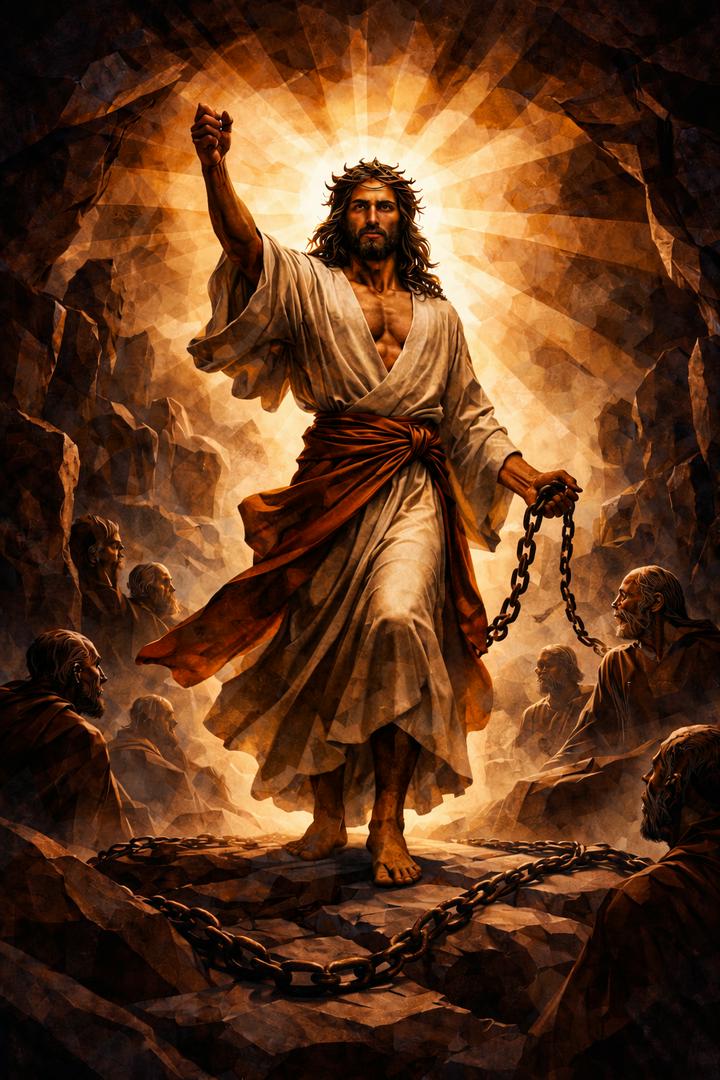
✨ Prophecy Fulfilled: The Life of Yeshua (Jesus) The Fulfillment of Grace (What Happened After the Cross) When Yeshua cried out and yielded His spirit, His physical suffering ended. But His work did not. Scripture tells us plainly that His body was laid in a tomb. His spirit, however, did not cease to exist, nor did it wander aimlessly. The work of redemption moved into its final, unseen phase. This moment is where confusion often enters—especially through later traditions and creeds not grounded in Scripture. Yeshua did not descend into Hell as a condemned soul. He was not punished after the cross. The cross was sufficient. What followed was not suffering—it was authority. ⸻ Where Did He Go? The Bible speaks of the realm of the dead using terms like Sheol and Hades—not Hell as a place of eternal punishment (which Scripture associates with final judgment, not interim states). Prior to the resurrection, the dead were understood to be held in a divided state: • A place of comfort for the righteous • A place of separation for the unrighteous Yeshua entered death as the victorious Messiah, not as a captive. Scripture describes Him as proclaiming—not pleading—His victory. This was not a rescue mission for the damned. It was a declaration. The debt was paid. The authority was established. The power of death was broken. ⸻ What Did He Do There? Scripture tells us that Yeshua: • Proclaimed victory • Disarmed spiritual powers • Declared the fulfillment of redemption He did not negotiate. He did not suffer further. He did not atone again. The atonement was finished on the cross. This moment marks the end of the Mosaic system’s authority over sin and death. The Law had revealed sin—but could never remove it. Sacrifice had pointed forward—but could never perfect. Now, the perfect sacrifice had been offered. Grace was no longer promised. Grace wa accomplished ✝️ Continued in Comments ⬇️⬇️⬇️ #Victory #Jesus #Bible #Salvation #Itisfinished

LLama Loo

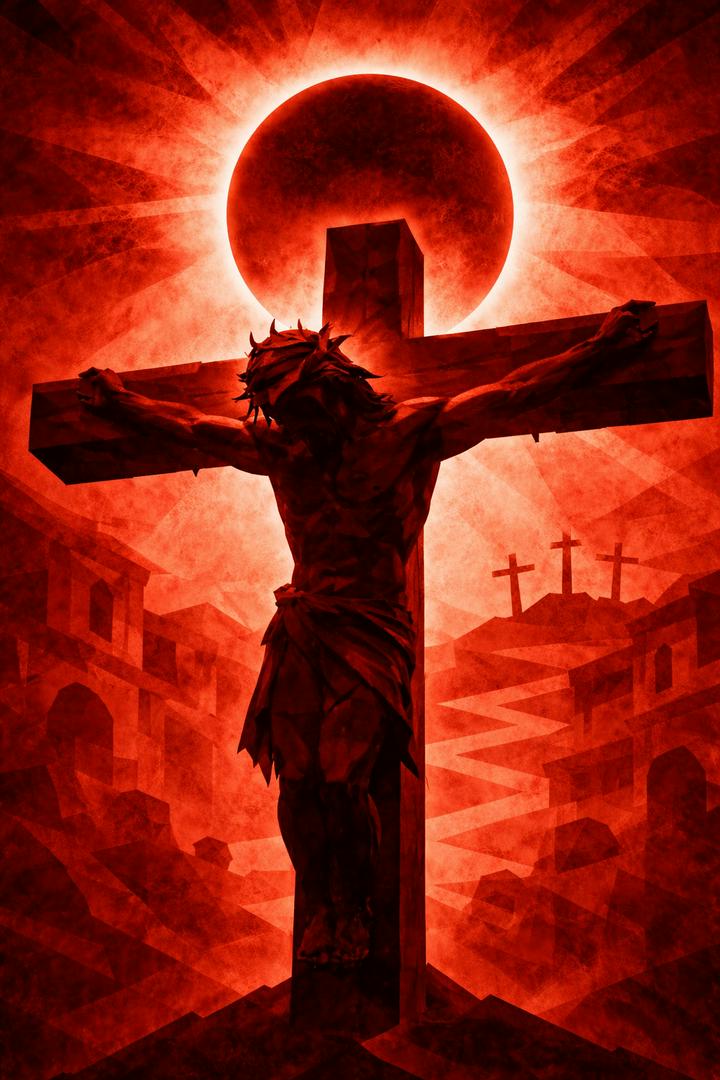
✨Prophecy Fulfilled: The Life of Yeshua, Episode 65- Love Beyond Measure The cross is raised. Wood settles into earth. Iron holds flesh in place. And time slows. Crucifixion is not a single act of violence — it is an ongoing one. Every breath must be earned. To inhale, the body slumps forward. To exhale, the condemned must push upward — against nailed feet and strained arms — scraping torn muscle against wood. Pain is constant. Air is rationed. Around Him, the crowd gathers. Some mock openly. Others watch in uneasy silence. Religious leaders sneer, satisfied that they have preserved their authority. Soldiers cast lots beneath Him, indifferent to the gravity above their heads. “If You are the Son of God,” they say, “save Yourself.” Then Yeshua speaks. Not in protest. Not in defense. He prays. “Father, forgive them, for they do not know what they are doing.” These are not words of resignation. They are words of authority. Even as His body is failing, His role as intercessor does not waver. He does not deny the injustice. He does not excuse the cruelty. He names the truth plainly — they do not understand the full weight of what they are doing — and He places their guilt into the hands of the Father. Forgiveness is offered before repentance is requested. Mercy is extended while nails still hold Him in place. The cross is not only an instrument of death — it is already becoming an altar. On either side, two criminals hang — guilty men receiving the sentence they earned. One joins the mockery. The other does something unexpected. He sees clearly. He does not ask to be spared. He does not demand proof. He asks only to be remembered. And Yeshua answers him — not as a dying man clinging to hope, but as a King exercising authority: “Today, you will be with Me in Paradise.” Forgiveness is still flowing — even here. The sky darkens. ✝️ Continued in Comments ⬇️⬇️⬇️ #Love #Salvation #Sacrifice #Jesus #Bible #Help

LLama Loo

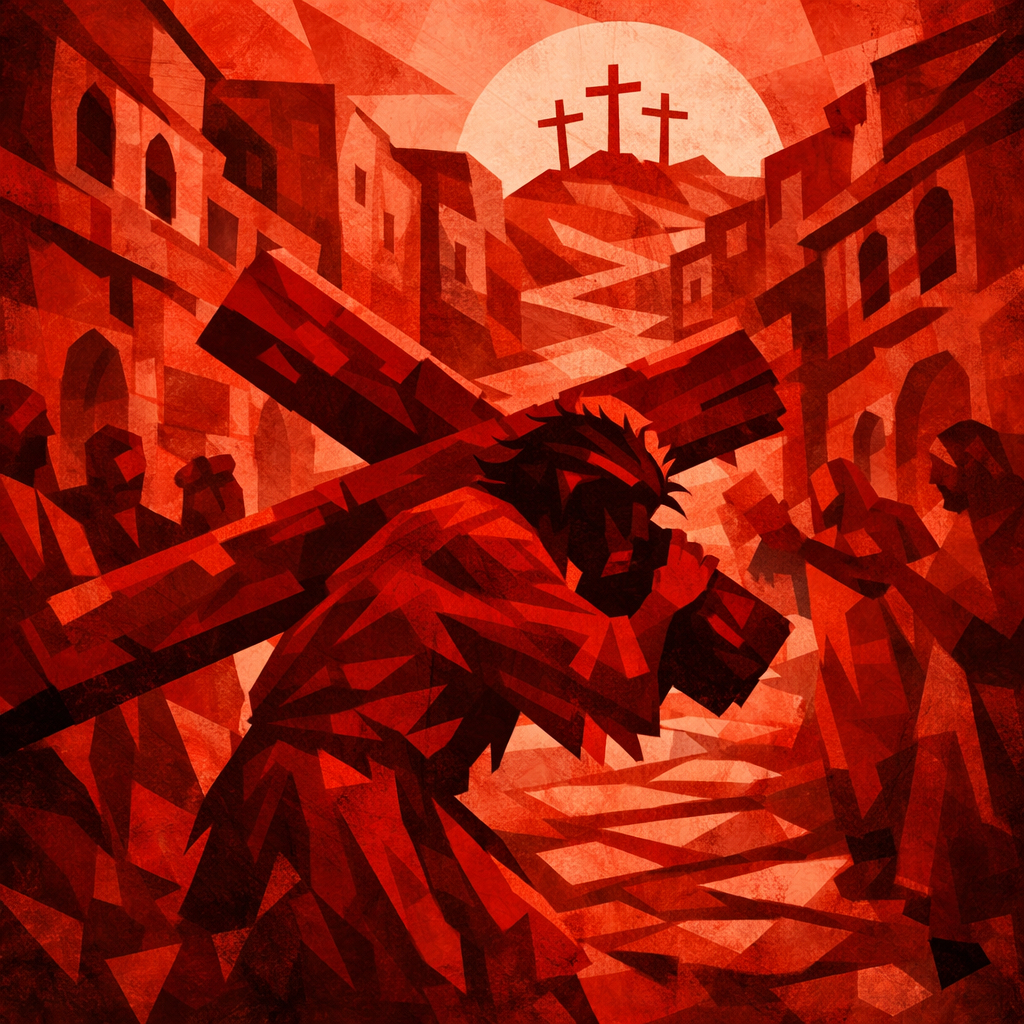
✨ Prophecy Fulfilled: The Life of Yeshua (Jesus) – Episode 63 “The Way of Sorrows” (From Sentencing to the Place of the Skull) The verdict had been spoken. Pilate, having declared Yeshua innocent, nevertheless surrendered Him to the will of the crowd. With that decision, Roman justice concluded its deliberation and began its procedure. Yeshua was sentenced to die. As custom required, the crossbeam was placed upon His shoulders. Condemned men were made to carry the instrument of their execution through public streets—a warning meant to instill fear and enforce obedience. But Yeshua was not a typical prisoner. He had already endured severe scourging. Blood loss, shock, and exhaustion weighed heavily on His body. As the procession moved forward, His strength faltered. He stumbled beneath the burden. Roman soldiers, concerned only with efficiency, compelled a bystander—Simon of Cyrene—to carry the crossbeam. The Son of God allowed help. Not because He lacked authority, but because He had fully embraced the limits of human flesh. Women along the road wept openly. Yeshua turned to them—not to receive comfort, but to speak truth. He warned them not to weep for Him, but for themselves and for the days coming upon Jerusalem. Even while condemned, even while suffering, His concern remained fixed on others and on what was yet to unfold. This was no helpless victim being dragged toward death. This was a King walking a path He had already chosen. ⸻ The Destination The procession led deliberately to Golgotha—a Roman execution site located just outside the city walls. Scripture names it Golgotha, meaning “Place of the Skull.” The Latin term Calvary carries the same meaning. Whether the name referred to the appearance of the site or its long association with death, the implication was unmistakable. This was a place of finality. ✝️ CONTINUED IN COMMENTS ⬇️⬇️⬇️ #Bible #God #Jesus #BibleStudy #Help #Love #Calvary #ViadelaRosa #Salvation #Prayer #Gospel

LLama Loo

✨ Prophecy Fulfilled: The Life of Yeshua (Jesus) – Episode 62 “Behold the King” (The Scourging and Mocking) What followed Pilate’s surrender to the crowd was not justice—it was humiliation. Having declared Yeshua innocent, yet unwilling to stand against public pressure, Pilate handed Him over to Roman authority. What unfolded next was not a trial, but a calculated display of power meant to satisfy the crowd and extinguish sympathy. Yeshua was subjected to Roman punishment. Scripture records this moment plainly, without spectacle or embellishment. The Gospel writers do not linger on details, but on meaning. The One declared innocent was treated as guilty. The King was mocked by those who could not see Him. Roman soldiers dressed Him in a robe meant to parody royalty. A crown—woven not of gold, but of thorns—was placed upon His head. They bowed in false reverence, struck Him, and ridiculed the title Pilate had spoken aloud: King of the Jews. Yeshua did not answer them. He did not resist. He did not protest. He endured. This was not weakness. This was obedience. What humanity intended as humiliation, heaven recognized as submission to the Father’s will. The suffering servant did not seize authority—He surrendered Himself to it. The mockery was meant to strip Him of dignity. Instead, it revealed the depth of His love. 🌿 A Note on Transparency Scripture records this moment with restraint, inviting reflection rather than graphic detail. Out of respect for platform limitations, this account has been presented carefully. For those who wish to explore this moment more fully—its prophetic depth, historical context, and spiritual weight—we warmly invite you to continue the study in the Llama Loo Facebook Group, where the complete teaching is shared without limitation. 📖 Scripture Sources • Matthew 27:26–31 • Mark 15:15–20 • John 19:1–3 • Isaiah 50:6 • Isaiah 53:3–7 • Psalm 22:6–8 • Zechariah 12:10 ✝️ CONTINUED IN COMMENTS ⬇️⬇️⬇️ #Jesus #Love #Salvation

Tag: Salvation | LocalAll