Michael Flores+FollowWhy October means more shark bites in HawaiiOctober brings a noticeable spike in shark bites off Hawaii’s shores, and it’s not just because more people are in the water. Scientists have found that this “Sharktober” surge lines up with tiger shark pupping season, when large females move closer to the islands to give birth. These hungry, energy-drained sharks are more likely to be near swimmers and surfers, raising the odds of encounters. While the overall risk is still low, being extra cautious this month makes sense. Have you noticed more shark sightings or warnings lately? How do you feel about swimming or surfing in October? #Science #Hawaii #Sharktober00Share
Zachary Gutierrez+FollowTropical Bird in Snowy Maine?!A purple gallinule—a bird usually chilling in the tropics—just showed up in freezing Maine, and experts are freaking out. Turns out, it’s not just a quirky detour: more tropical birds are popping up way out of their usual range, likely because climate change is messing with migration patterns. Birdwatchers might love the surprise, but it’s a major red flag for wildlife and our environment. Wild, right? #Science #ClimateChange #Wildlife20Share
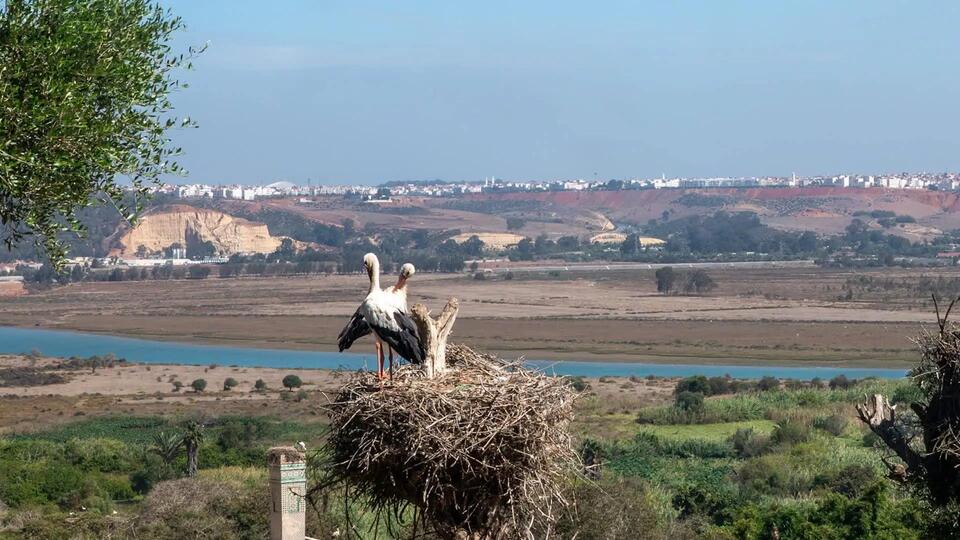
Tamara Jones+FollowStorks Are Skipping Their Epic Migration?!Wild twist: storks in Turkey are ditching their usual thousands-of-miles migration and just chilling through winter! Scientists say warmer temps and more food are making Iğdir a stork hotspot. But this isn’t just quirky bird behavior—migratory birds are crucial for healthy ecosystems, and these changes could mess with biodiversity and even disease risks. Cities like Istanbul are stepping up with nature-friendly projects, but we can help too: dim those lights, plant native, and go easy on pesticides! #Science #ClimateChange #BirdMigration30Share
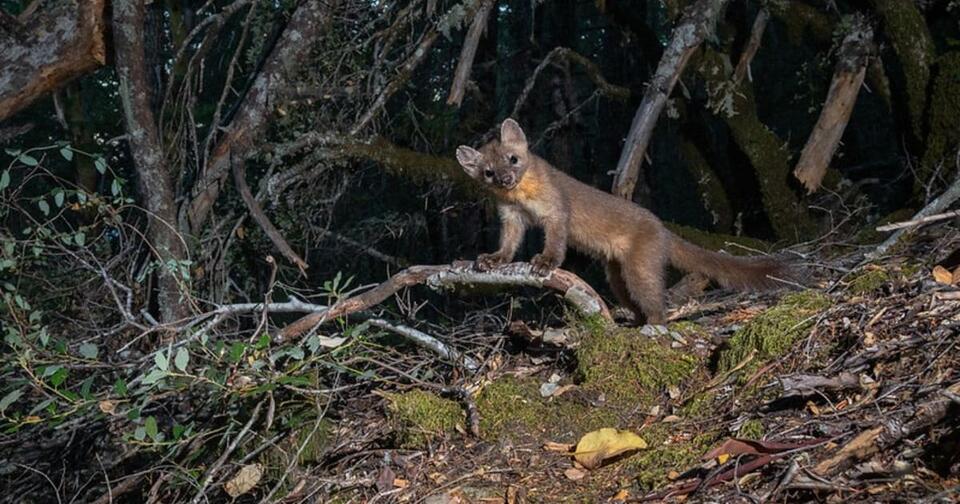
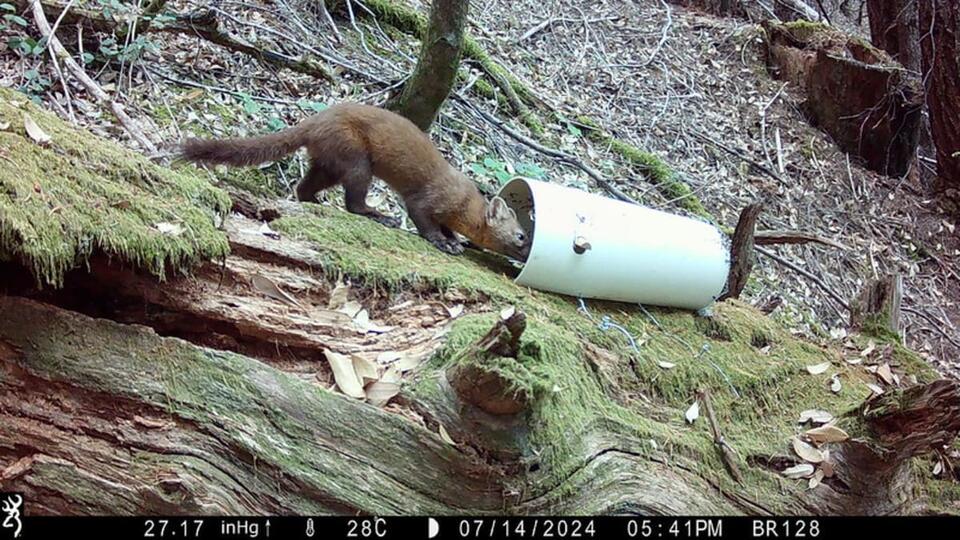
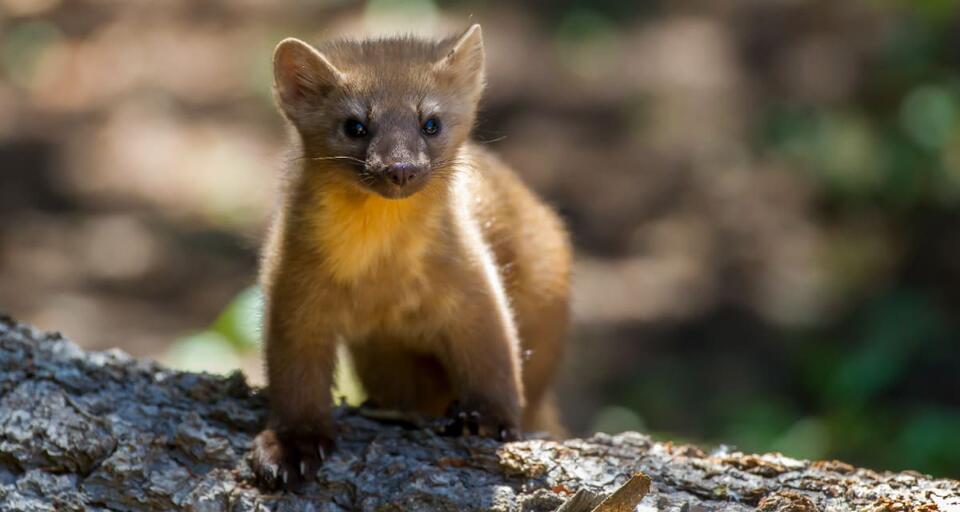
Melvin Mosley+FollowCoastal martens: Adorable survivors in our forestsA rare, ferret-sized predator once thought extinct is making a quiet comeback in the forests of northern California and southern Oregon. Hidden cameras recently captured coastal martens—tiny, playful carnivores—thriving in snowy ridgetops and lush ravines. Their rediscovery is a huge win for conservation, but their future is still uncertain, with threats like climate change and habitat loss looming. It’s wild to think these cute creatures were nearly wiped out by hunting, and now every sighting helps shape how we protect our forests. How do you feel about balancing land use with saving rare wildlife like the marten? #Science #Conservation #Wildlife00Share
Jessica Hodge+FollowAmerica’s Hidden Ocean Underground?Did you know there’s enough groundwater under the US to fill the Great Lakes 13 times over? Scientists just used AI to map it all out, down to 98 feet, and the numbers are wild—over 306,000 cubic kilometers of water! Basically, wherever you’re standing, there’s a secret water stash beneath your feet. This new tech could be a game-changer for fighting water shortages and contamination. Who knew we were walking on a giant, invisible reservoir? #Science #Groundwater #ScienceNews20Share
megangibson+FollowWhy October is Hawaii’s riskiest month for shark bitesEvery October, shark bites in Hawaii jump to levels 2-4 times higher than any other month—and scientists finally know why. It turns out, massive female tiger sharks move closer to shore to give birth and refuel after pregnancy, putting them right where people swim and surf. Tiger sharks are responsible for nearly half of all bites, and in October, that number jumps even higher. The key takeaway? Shark bites are still rare, but if you’re hitting the water this fall, extra caution goes a long way. How do you feel about swimming or surfing during shark season? #Science #Hawaii #SharkSeason20Share
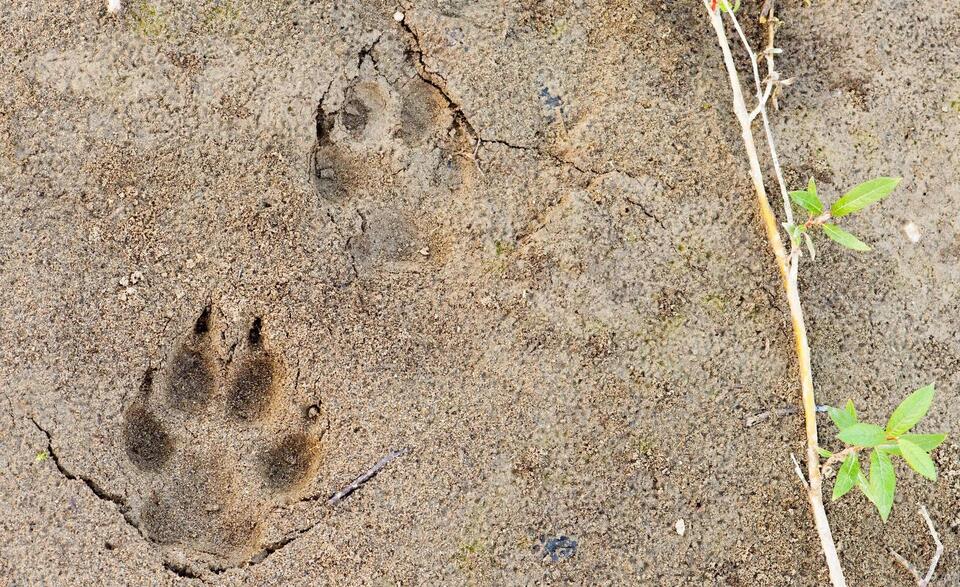
Jessica Hodge+FollowYellowstone’s Wild Wolf vs. Cougar DramaDid you know Yellowstone’s wolves and cougars are basically frenemies? Wolves are the bold bullies, stealing kills and forcing cougars to sneak around and stash their food. Cougars have to get creative—think tree-climbing and food-hiding—just to keep dinner. A new study tracked their every move and found that cougars even switch up their menu to avoid wolf drama. Nature’s got its own power struggles, and these two apex predators are living proof! #Science #Yellowstone #Wildlife60Share
martinezlaura+FollowCitizen Stargazers Are Saving Earth?!Plot twist: amateur astronomers with Unistellar smart telescopes are now crucial in spotting and tracking asteroids that could threaten Earth. These backyard stargazers even helped NASA confirm their DART mission successfully knocked an asteroid off course! Anyone can join the action—just grab a Unistellar scope, sign up, and start sending in your cosmic discoveries. Bonus: you might even get your name on a scientific paper. Would you try this out? #Science #CitizenScience #AsteroidDefense40Share
Richard Vaughan+FollowScientists Are Building a Mini Sun?!Fusion energy is getting real—like, we’re talking about creating a man-made star that could power the planet forever. Labs in China, France, and the US are racing to bottle the same reaction that lights up the Sun. Recent breakthroughs mean we’re closer than ever to clean, limitless energy—no carbon, barely any waste. Imagine: a few truckloads of fuel could power entire cities. Are we finally about to crack the code for endless power? Wild times! #Science #FusionEnergy #CleanPower10Share
Michael Flores+FollowDeer Disease Drama: Hunters vs. ConservationDid you know chronic wasting disease is spreading fast among U.S. deer, but the real drama is between hunters and state officials? Missouri tried to fight the disease by testing and thinning herds, but hunters pushed back hard—worried more about losing game than the disease itself. Now, states are scrambling to balance keeping deer healthy with keeping hunters happy. Would you support stricter rules if it meant saving the herd? #Science #DeerHunting #WildlifeConservation00Share