The Kurzweil Paradox and When Humanity Should Leave Earth
The Kurzweil paradox shapes modern thinking about when humanity should begin permanent expansion beyond Earth. It arises from the principle that technology advances at an accelerating rate. If propulsion efficiency improves each decade, if radiation shielding becomes more effective, and if closed loop life support grows more reliable, then any mission launched today could be eclipsed by one launched later. In extreme models, a future crew could overtake an earlier one simply because its technology is superior.
Forecasting data reinforces this dilemma. Computing power has increased roughly a million fold in the past fifty years. Energy storage density has doubled about every ten years. Spacecraft reliability improves significantly with each hardware generation, reducing mission failure rates and human risk. These trends argue strongly for waiting. Ray Kurzweil predicts a technological singularity around 2045, when advances in AI, robotics, and space technologies could dramatically change what is possible. Stephen Hawking also briefly noted that humanity may need to begin colonizing other worlds to avoid long‑term existential risks.
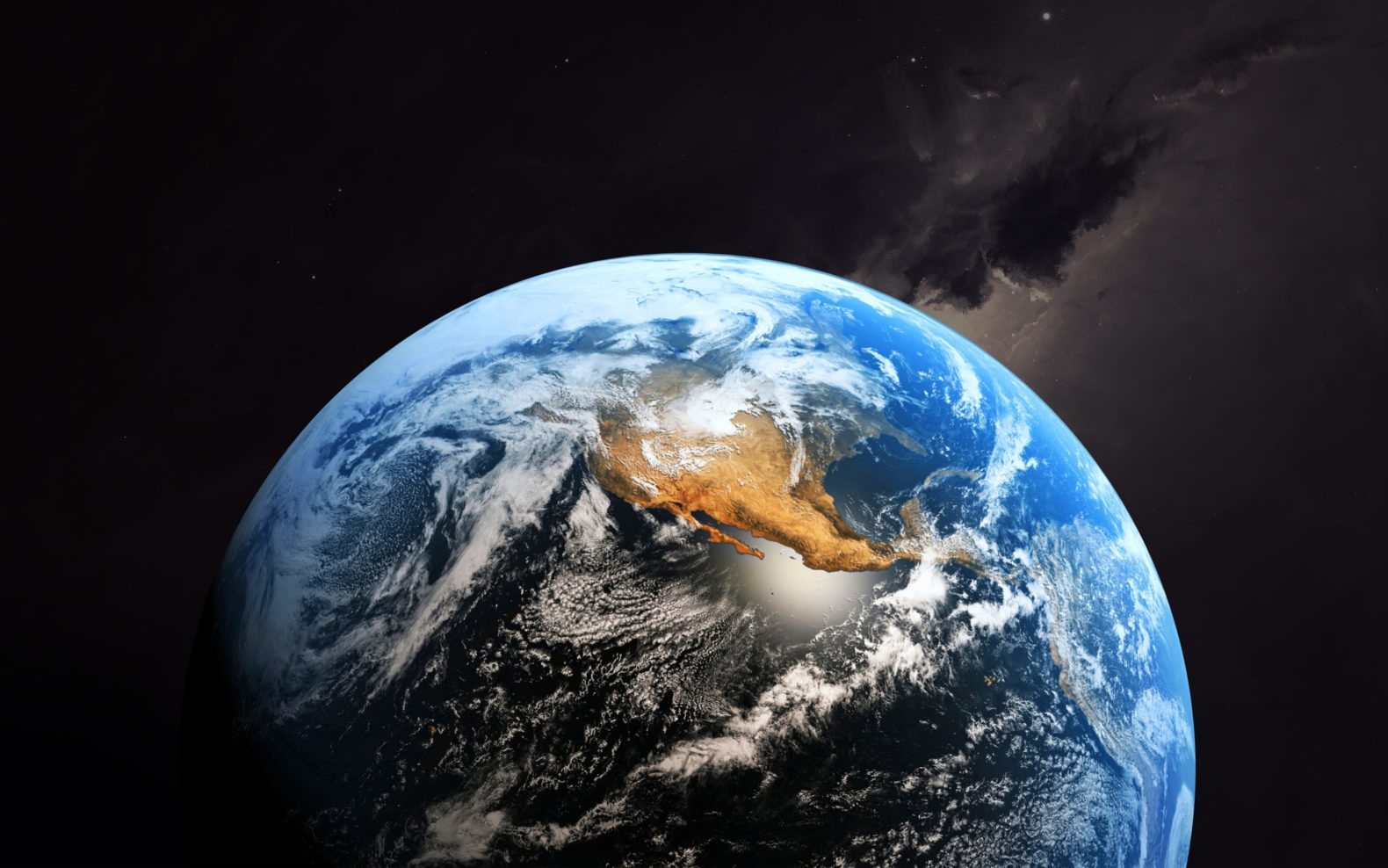
Delay carries its own costs. Earth now supports over eight billion people and is expected to approach ten billion by mid century. Environmental strain, resource competition, and geopolitical instability raise the value of independent off world settlements. Strategic studies from space agencies and research institutions place a realistic window for initial large scale Mars settlement between 2035 and 2050, when propulsion, automation, and life support maturity intersect with rising global risk.
The Kurzweil paradox demands a threshold where technological gains slow while the cost of waiting rises. Leave too early and settlements may fail. Leave too late and the opportunity may disappear. When does waiting stop being wise and start becoming dangerous?
#Science #ScienceNews