Angelica L McGinnis+FollowOpen Call for Accountability on Clubhouse Following Harassment Allegations By Angelica L. McGinnis Serious concerns about moderation and user safety on Clubhouse are being raised following allegations of repeated harassment involving an anonymous account operating under the handle @life.zero. According to media executive and publicist Angelica L. McGinnis, the account allegedly engaged in ongoing verbal harassment and intentional misgendering during multiple live audio discussions on the platform. McGinnis reports that after addressing the behavior publicly during a discussion, she was removed from the room and unable to return for approximately twelve hours—raising concerns about how moderation decisions are being handled in real time. The incident highlights a larger issue facing live audio platforms: when harassment occurs during conversations, users rely on clear moderation policies and fair enforcement to maintain safe spaces for dialogue. As the platform continues to grow, many in the digital community are calling on Clubhouse to review its moderation practices and ensure that harassment reports are addressed transparently and consistently. Online communities can only thrive when open conversation is balanced with accountability and respect. The question now is whether Clubhouse will respond. #ClubhouseApp #OnlineHarassment #DigitalAccountability #SocialMedia #InternetSafety #paulDavidson #rohanSeth00Share
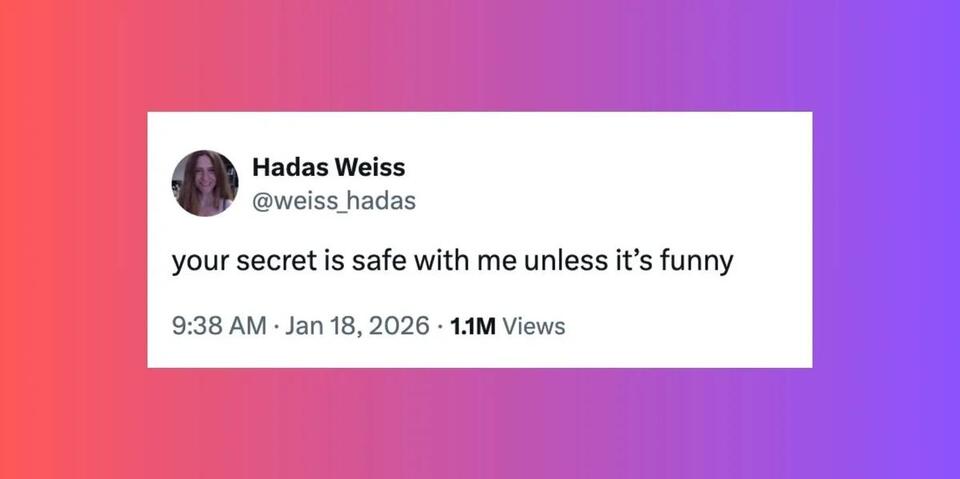
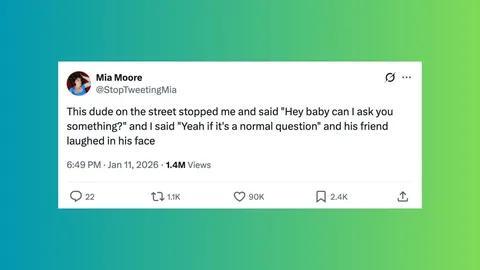
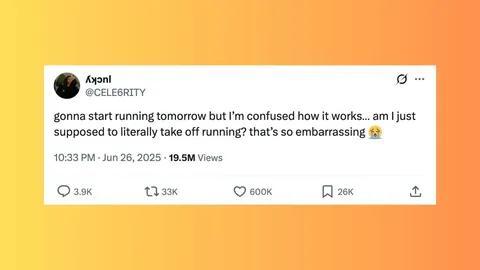
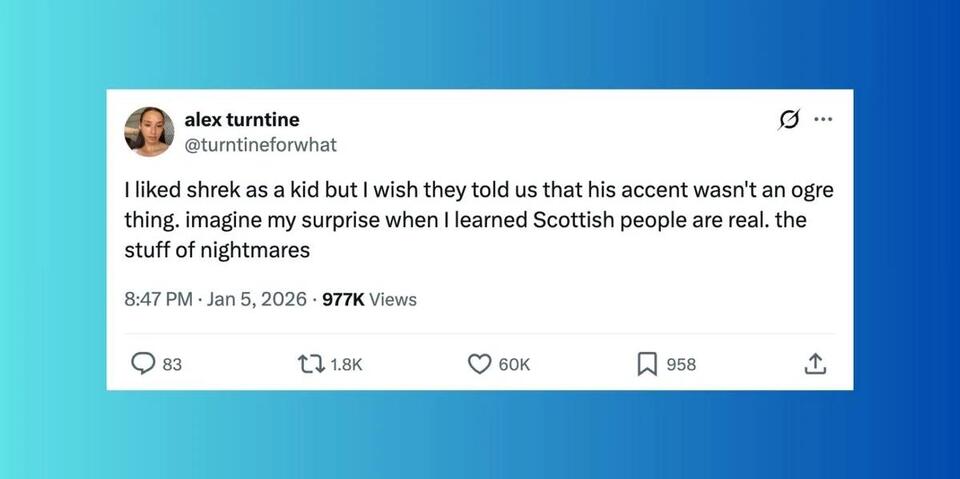
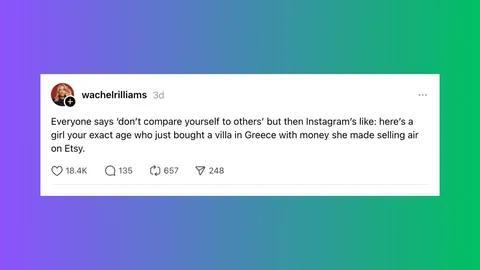
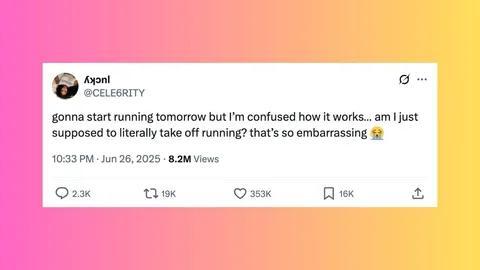
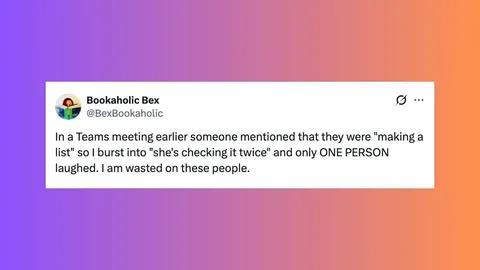
Dawn Smith+FollowAre Tweets the New Digital Watercooler?Every week, the sharpest minds on the internet—especially women—drop tweets that are more than just funny; they’re a pulse check on our digital culture. As social platforms become the go-to space for wit and commentary, are we seeing the rise of a new kind of tech-driven community? Is this a win for digital expression, or does it risk turning real conversations into fleeting memes? Let’s debate. #Tech #DigitalCulture #SocialMedia00Share
Mary Mendoza+FollowIs Social Listening a Privacy Risk?Ever noticed how sharing overheard conversations online has become a digital sport? With social media amplifying every quirky public moment, it’s time to ask: are we blurring the lines between fun and privacy invasion? As tech makes it easier to capture and broadcast these snippets, should platforms step in, or is this just the new normal for digital-age storytelling? Let’s debate: where do we draw the line between entertainment and ethics? #Tech #TechEthics #SocialMedia00Share
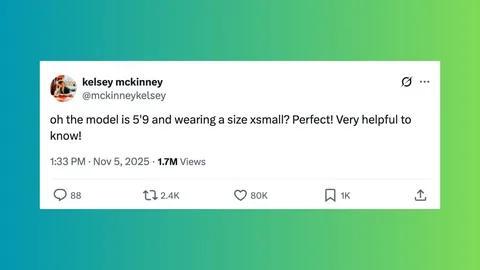
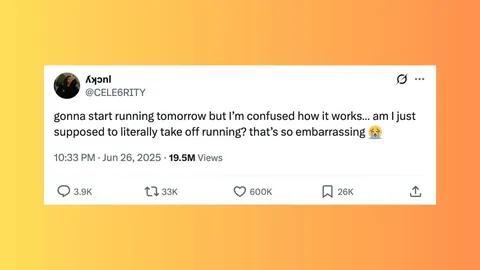
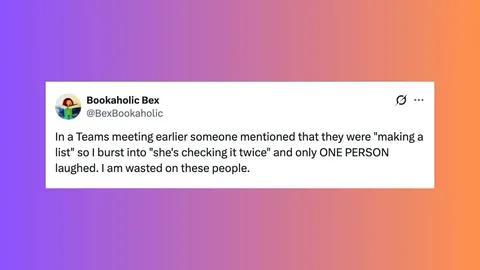
christopher65+FollowAre Social Algorithms Killing Wit?Scrolling through the latest roundup of witty tweets from women, I can’t help but wonder: is social media’s algorithm-driven feed amplifying authentic humor, or are we just seeing what the platforms want us to see? Are we losing the raw, unfiltered voices that made Twitter (now X) a digital comedy club, or is curation making it better? What’s your take on the future of online wit? #Tech #TechCulture #SocialMedia00Share
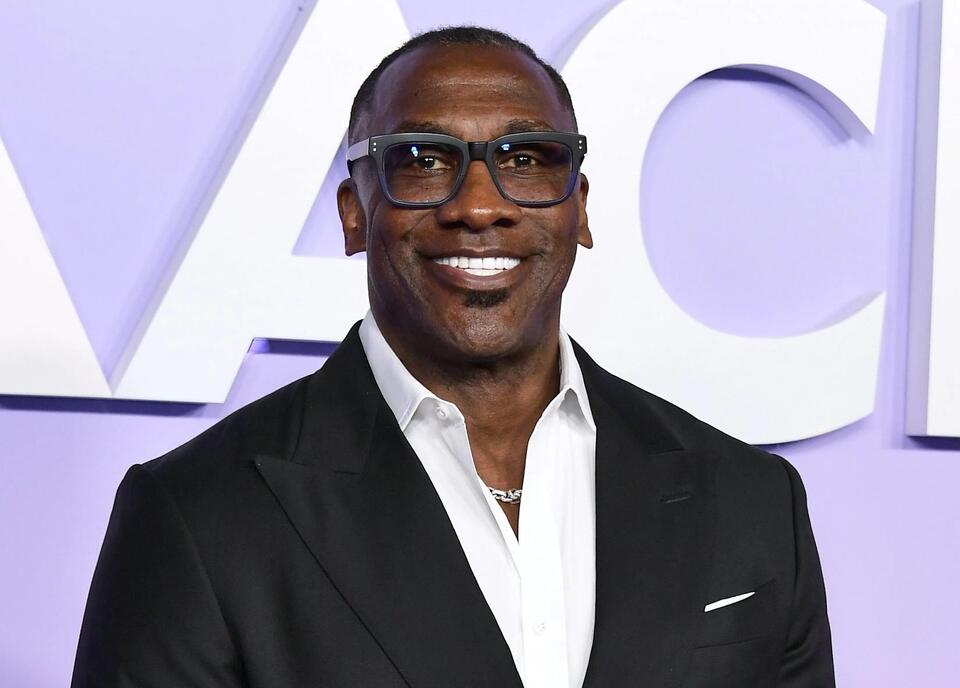
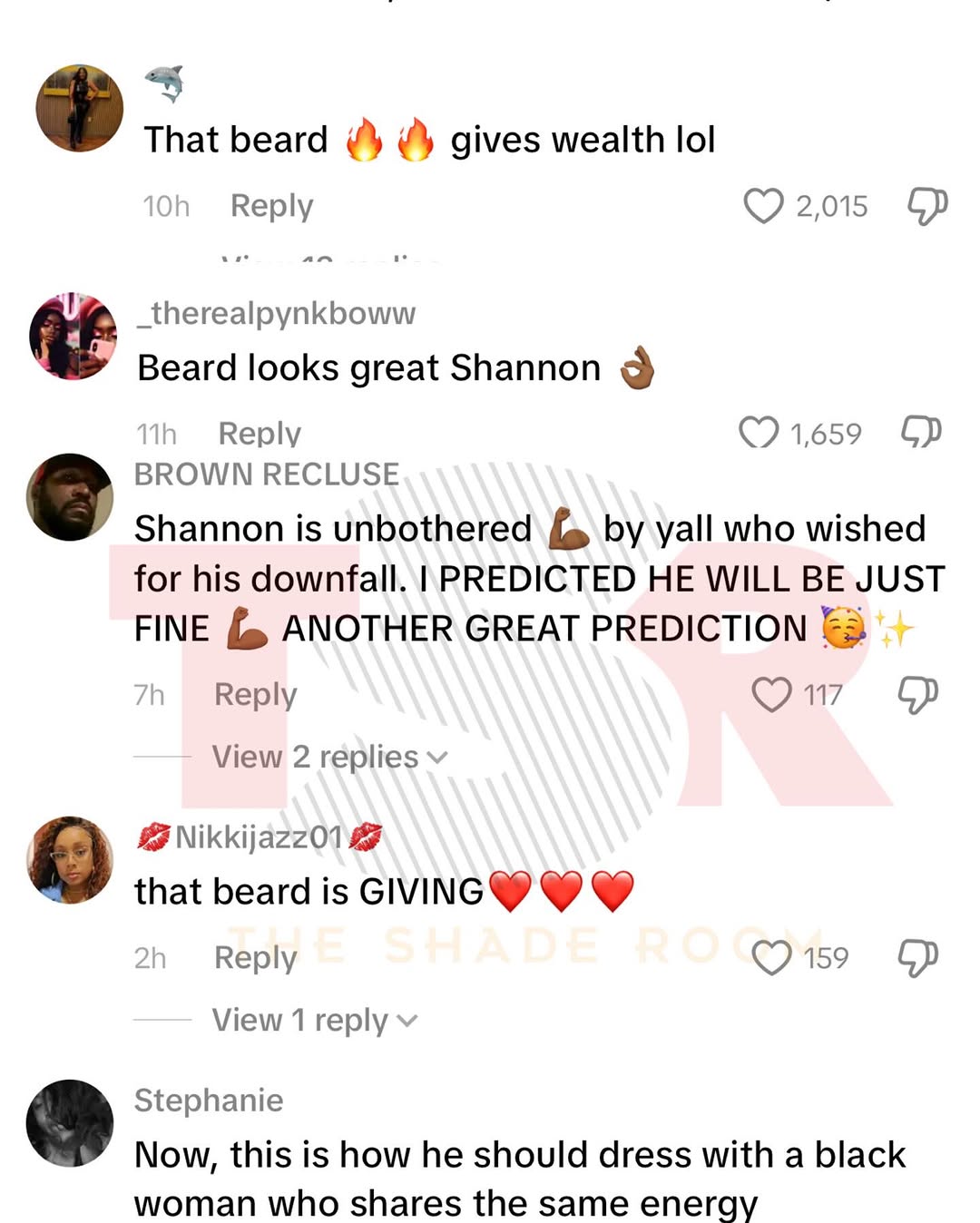
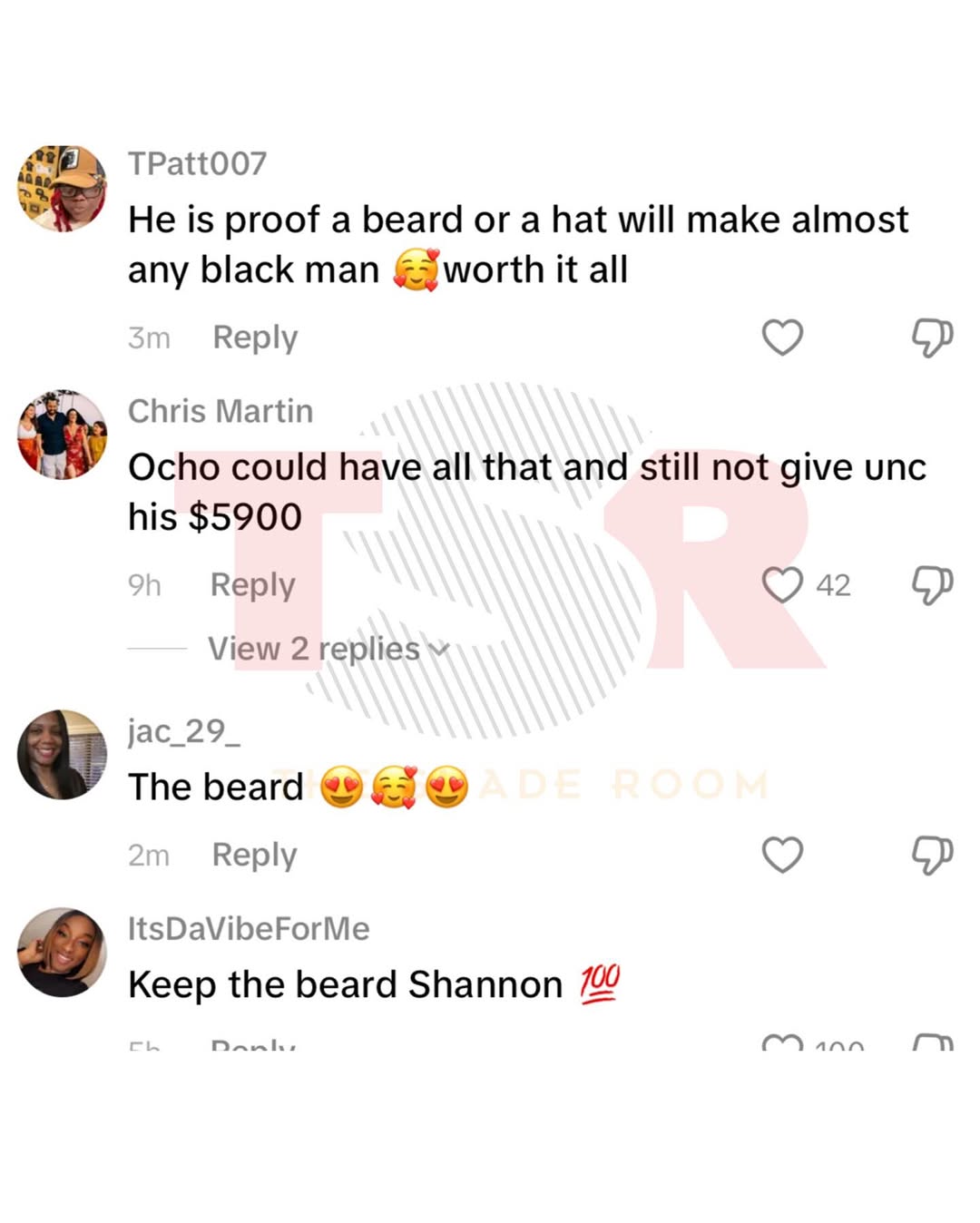
Hannah Jones+FollowShannon Sharpe’s New Look: Tech or Trend?Let’s talk about viral transformations and the tech behind them. Shannon Sharpe’s salt-and-pepper beard has the internet buzzing, but is it just style—or is there a deeper story about how social media and digital platforms amplify personal branding? Are we seeing a new era where image upgrades are as influential as the latest gadget drop? Sound off: does tech drive the trend, or does the trend drive tech? #Tech #TechCulture #SocialMedia21Share
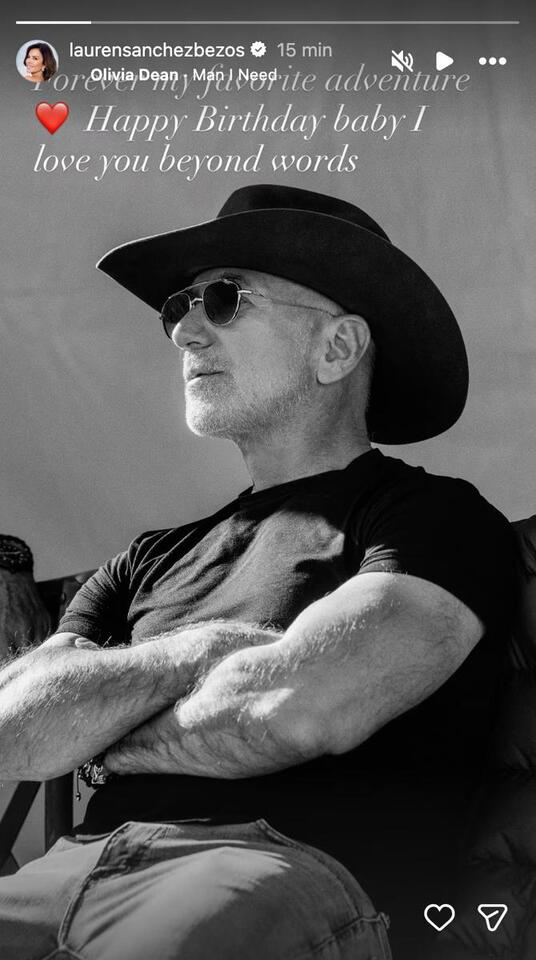
Dawn Smith+FollowIs Social Media Changing How We See Billionaires?Lauren Sanchez Bezos’ Instagram birthday tribute to Jeff Bezos feels more like a cinematic mood board than a celebrity flex. The blend of nostalgia, intimacy, and personal storytelling blurs the line between public persona and private life. Are these curated glimpses into tech moguls’ lives just clever PR, or do they actually humanize the people behind the platforms? Where do you draw the line between authenticity and branding in the digital age? #Tech #TechCulture #SocialMedia00Share
Mark Pruitt+FollowAre Tweets the New Digital Stand-Up?Scrolling through the latest roundup of witty tweets from women, I can’t help but wonder: is social media becoming the ultimate stage for digital comedy? With algorithms amplifying certain voices, are we seeing a new era of crowd-sourced humor, or does this come with risks of echo chambers and content fatigue? How do you think platforms should balance amplification and authenticity? #Tech #DigitalHumor #SocialMedia10Share
NotYoMama+FollowArticle 4 — Why the Same People Get Targeted First There’s a reason the same types of people keep running into friction across platforms and systems. It isn’t random, and it isn’t always obvious—but once you notice it, it’s hard to unsee. Systems don’t usually react first to the loudest voices. They react first to the clearest ones. People who think independently tend to speak in full thoughts instead of slogans. They connect dots instead of isolating issues. They notice patterns early, before there’s shared language for them. And they don’t wait for consensus before saying what they see. They don't seek validation for their thoughts, beliefs or ideas on how things work. Have you noticed that clarity seems to attract more resistance than noise? Most systems are built to handle volume, not insight. Noise dissipates. Clarity spreads. Once someone names a pattern, other people start recognizing it in their own lives—and that changes how systems behave. So what happens when someone points something out before it’s widely accepted? Does the system engage—or does it slow things down? The pressure is usually subtle. Less reach. More scrutiny. A sudden focus on tone. A shift from engagement to management. Nothing dramatic enough to protest, just enough to feel. Have you experienced that shift? Meanwhile, people who repeat what’s already acceptable move freely. Agreement feels safer than accuracy. Why do you think that is? Maybe the real question isn’t why certain people get targeted first. Maybe it’s what that resistance reveals about the system itself. #CriticalThinking #FreeThought #PatternRecognition #SocialMedia #Algorithms #News #Content #ContentCreationTips #Writers #Creators #CreatorSupport #CreatorsCorner #CreatorsWhoChallenge #CreatorSupport70Share
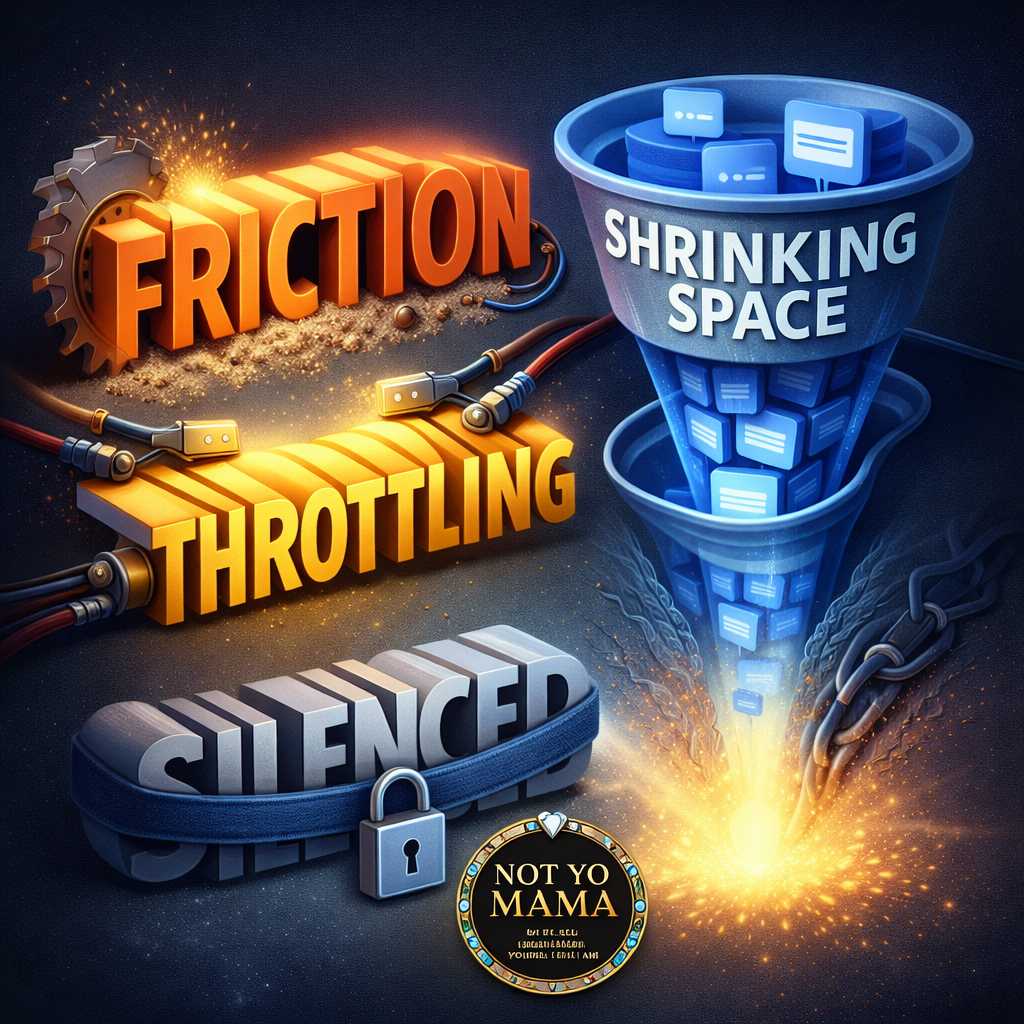
NotYoMama+FollowArticle 3B — How Platforms Manage Instead of Censor People think censorship looks like a wall. A ban. A takedown. A hard “no.” That’s outdated. Modern platforms don’t silence people outright. They manage them. Management looks like friction, not force. Character limits that quietly shrink. Reach that slows without explanation. Posts that technically exist but rarely surface. Nothing you can point to. Nothing they have to defend. Officially, nothing is wrong. That’s the genius of it. If you complain, you sound paranoid. If you adapt, you self-censor. Either way, the system wins without ever saying your content isn’t allowed. This is why platforms can claim neutrality while behaving selectively. They don’t block ideas—they make them harder to express, harder to find, harder to sustain. Enough resistance that most people stop pushing. And most people do stop. Not because they’re wrong. Because it’s exhausting to speak clearly inside systems designed to reward smoothness and punish friction. This is also why comedians get a pass. Comedy contains dissent. It burns off pressure without changing behavior. Plain speech doesn’t offer that release. It teaches. It connects dots. It lingers. So it gets managed. If your content feels like it’s being quietly boxed in instead of openly challenged, that’s not an accident. That’s the system doing exactly what it was built to do. Control doesn’t need to announce itself. It just needs you to slow down. #CriticalThinking #FreeThought #SocialMedia #Censorship #Algorithms #PatternRecognition60Share
NotYoMama+FollowSensitivity, Control, and the Monetized Internet What is happening online is not accidental. The internet now punishes disagreement while pretending to protect civility. This has nothing to do with platform rules and everything to do with informal enforcement through reporting, tone policing, and popularity-based judgment. Disagreement gets flagged. Context gets ignored. Accuracy becomes irrelevant. Platforms throttle voices based on behavior, not truth. Repeated reporting is enough. Near-unlimited account creation allows coordinated reporting and stalking, often dismissed as “bots,” even though real people are doing the work for free. This system does not ask who is right. It asks who is disruptive. The reason is money. Social media is monetized. Ads and engagement drive visibility. Debate creates friction. Ideas are inefficient. Consumption is predictable. Strong independent voices are treated as risk. Here is the personal reality: I am not here to compete for pennies or validation. I am not seeking approval from people who silence instead of reason. That alone makes me inconvenient. The loudest enforcers of online civility are not powerful. They are the most managed users in the system. This is not a free exchange of ideas. It is a commercial environment. #DigitalCensorship #FreeExpression #SocialMedia #PlatformPower50Share