Michelle York+FollowHubble’s Wild Ride: Space Legend’s Final LapCan you believe the Hubble Space Telescope has zipped over 6 billion kilometers and snapped 1.3 million cosmic pics? But here’s the kicker: it’s running out of time and will eventually crash back to Earth—possibly as soon as 2029, but most likely around 2033. NASA’s worried about where the debris could land, since the risk to people is higher than they’d like. Imagine Hubble’s last act being a literal splashdown! #Science #Hubble #SpaceNews11Share
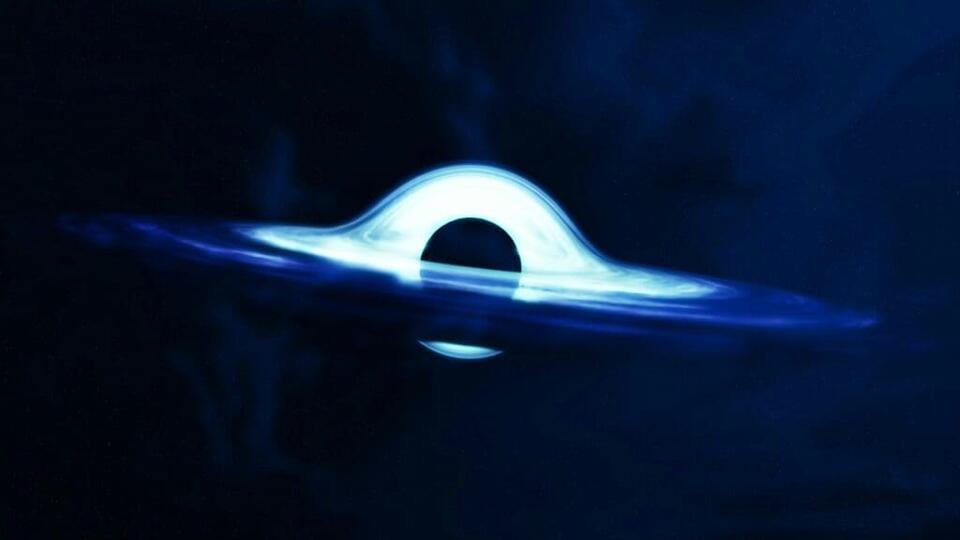
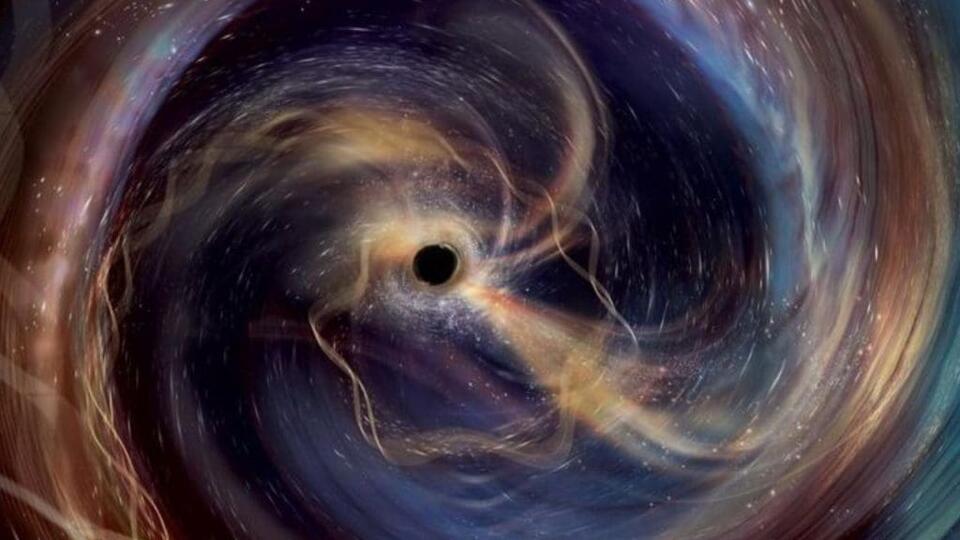
Zachary Gutierrez+FollowBlack Hole Eats Star Like It’s Fast FoodImagine a black hole snacking on a star so massive, the resulting light show outshone 400 billion suns! Astronomers caught this cosmic feast in real time, watching as the star was shredded and its remains flung across space. The event, dubbed “Whippet,” was so wild and bright that scientists could track every detail—like gravity, magnetism, and jets of debris—turning a violent death into a front-row seat for extreme physics. Space drama doesn’t get juicier than this! #Science #BlackHole #SpaceNews10Share
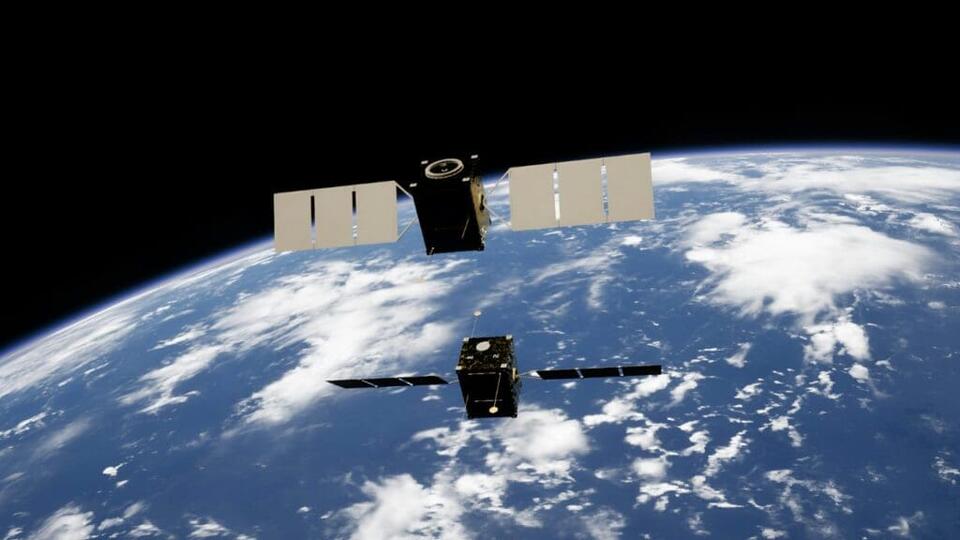
Arthur Booker+FollowSatellites Are Getting Bumper-to-Bumper!Space is getting crowded—so much so that if two satellites crash, we’d have less than three days to react before a debris domino effect threatens our internet, GPS, and more. Operators like Starlink are already lowering their satellites to avoid cosmic traffic jams. The big takeaway? The more stuff we launch, the faster we need to be at dodging space junk. Maybe it’s time to treat space like rush hour! #Business #Industry #SpaceNews00Share
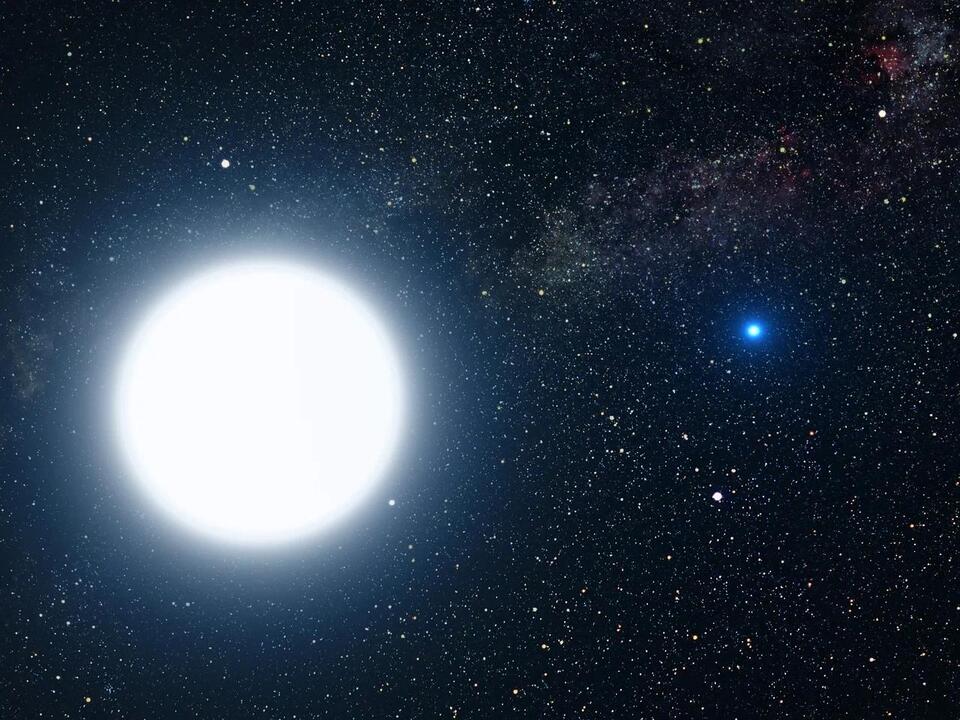
Patrick Simmons+FollowWhite Dwarf’s Wild Feeding Frenzy Caught!NASA’s IXPE telescope just gave us front-row seats to a cosmic showdown: a white dwarf star literally sucking the life out of its neighbor! Thanks to polarized X-ray vision, scientists saw how the star’s insane magnetic field funnels gas into super-hot plasma columns—think space smokestacks over 100 million degrees. This is the first time we’ve seen the hidden structure of such a wild system, and it’s changing how we understand stellar drama and explosions. Who knew space could be this savage? #Science #NASA #SpaceNews10Share
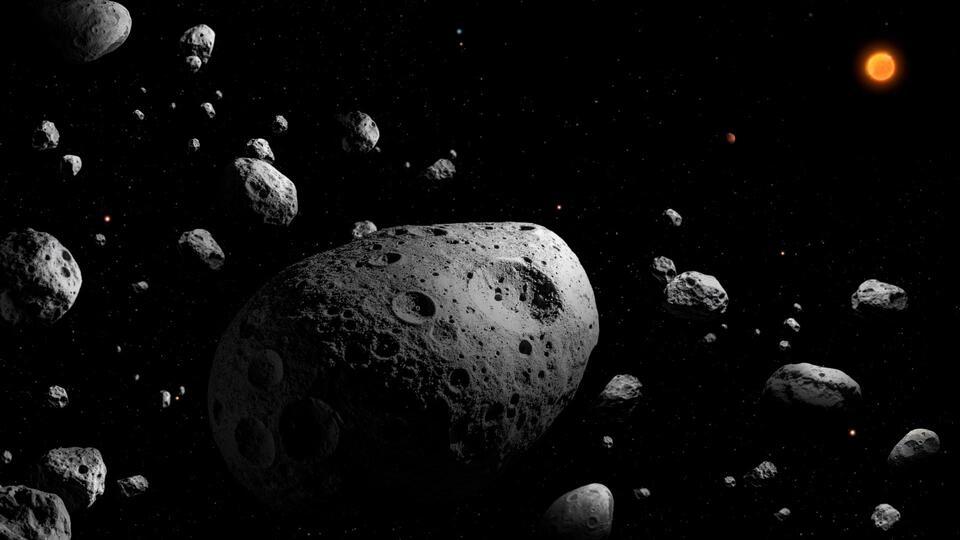
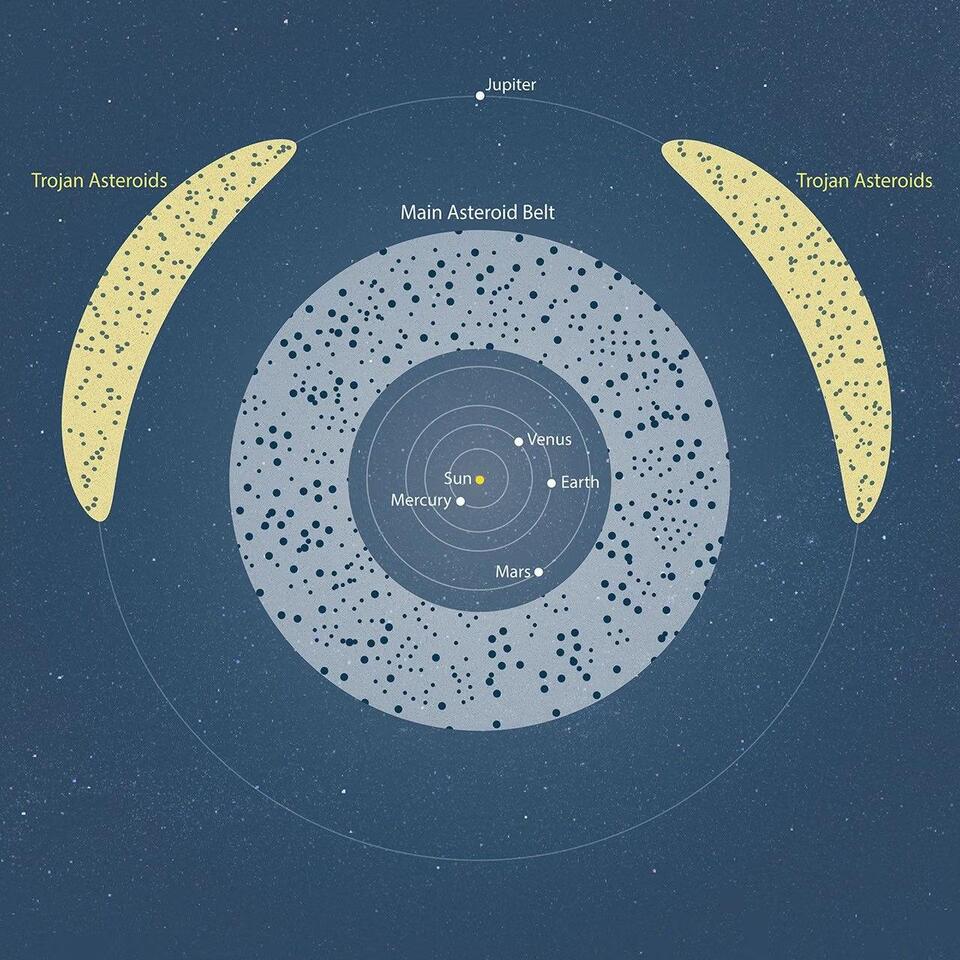
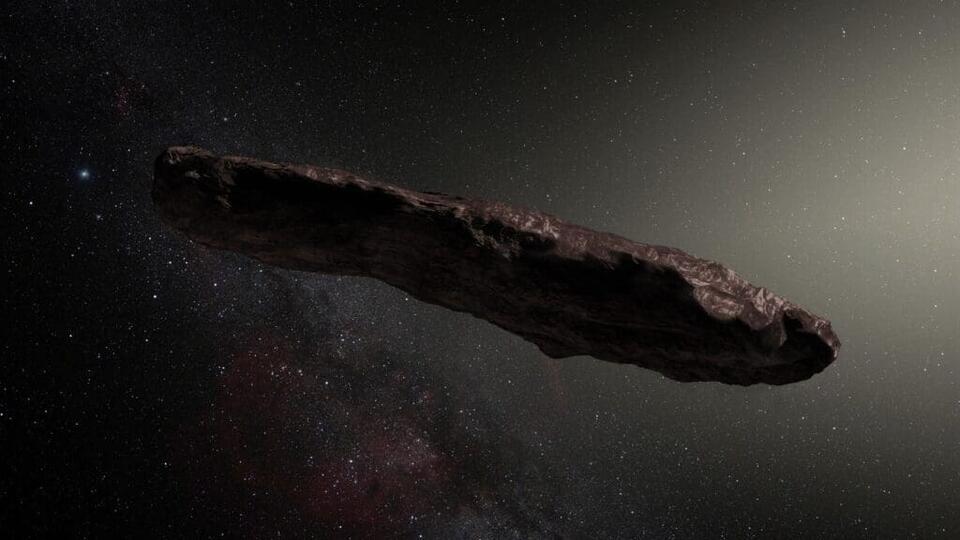
Michelle York+FollowAsteroid Spins Faster Than a Fidget SpinnerScientists just spotted a wild new asteroid, 2025 MN45, that’s almost the size of eight football fields and spins faster than any other big asteroid they’ve seen—just 1.88 minutes per rotation! It’s way out in the main asteroid belt, not near Earth, but its crazy speed means it’s made of some seriously tough stuff. Oh, and it’s one of nearly 2,000 new asteroids found with the world’s biggest camera. Space is wild! #Science #Asteroid #SpaceNews10Share
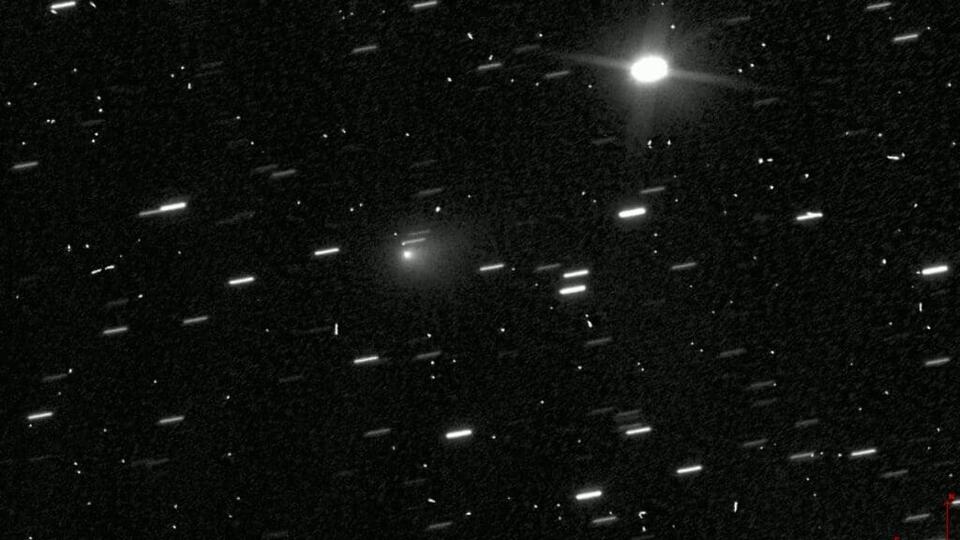
Richard Vaughan+FollowThis comet is literally from another starThere’s a comet in our solar system right now that’s not from around here—like, it was born in another star system! Scientists are obsessed with 3I/ATLAS because it’s spilling secrets about what planets and comets are made of in other parts of the galaxy. It’s wrapped in a wild carbon dioxide fog, shooting off jets, and changing so fast that researchers can barely keep up. Basically, we’re getting a front-row seat to interstellar chemistry, and it’s a once-in-a-lifetime show! #Science #SpaceNews #Comet00Share
Zachary Gutierrez+FollowInterstellar Comet Sends Us a Radio Signal?!A comet from another star system just slid through our solar system and, plot twist, it sent a radio signal our way! Scientists are buzzing over Comet 3I/ATLAS, only the third interstellar object we’ve ever spotted. No, it’s not aliens (womp womp), but the radio waves are a cosmic first and could totally change what we know about comets and life beyond Earth. Imagine eavesdropping on a visitor from another star! #Science #SpaceNews #Interstellar349Share
Patrick Simmons+FollowDid Scientists Just Find a Space Highway?Turns out, our solar system might be cruising along a massive, invisible 'tunnel' in space! Astrophysicists found a magnetic corridor—think less wormhole, more cosmic highway—linking us to distant stars. It’s not a sci-fi shortcut, but a real structure shaped by ancient supernovas and magnetic fields, guiding particles and energy across the galaxy. This could totally change how we think about cosmic rays, space travel, and our place in the Milky Way. Wild, right? #Science #SpaceNews #Astrophysics102Share
peterfoster+FollowComet 3I/ATLAS: The Space Oddball Next DoorGrab your coffee—NASA’s tracking a comet from another star system, and it’s not playing by the usual rules. Instead of cruising quietly, Comet 3I/ATLAS is getting a mysterious push, like it’s got its own mini-thrusters. The kicker? It doesn’t even have a tail! For us earthlings, it’s a reminder that even the universe’s leftovers can surprise us, and scientists are learning how to spot cosmic curveballs faster than ever. #Business #Industry #SpaceNews00Share
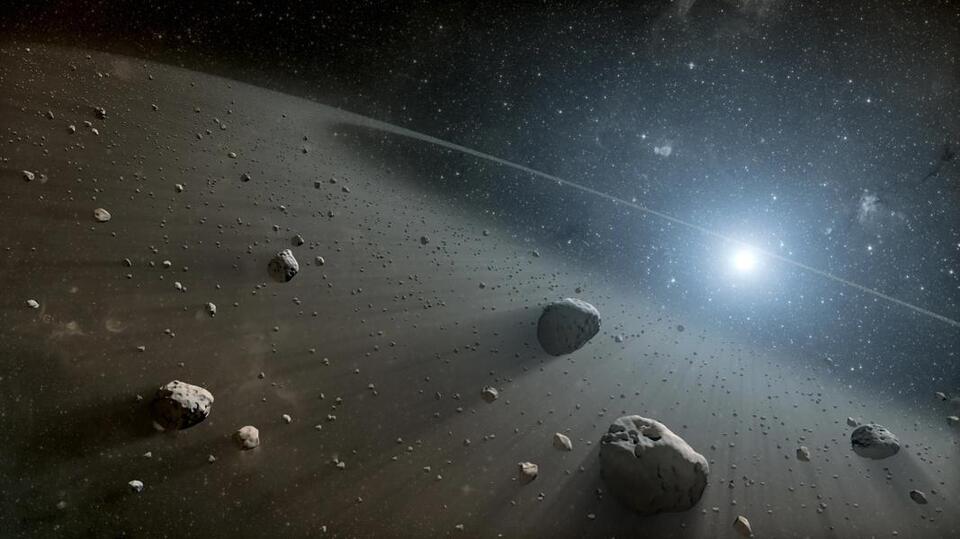
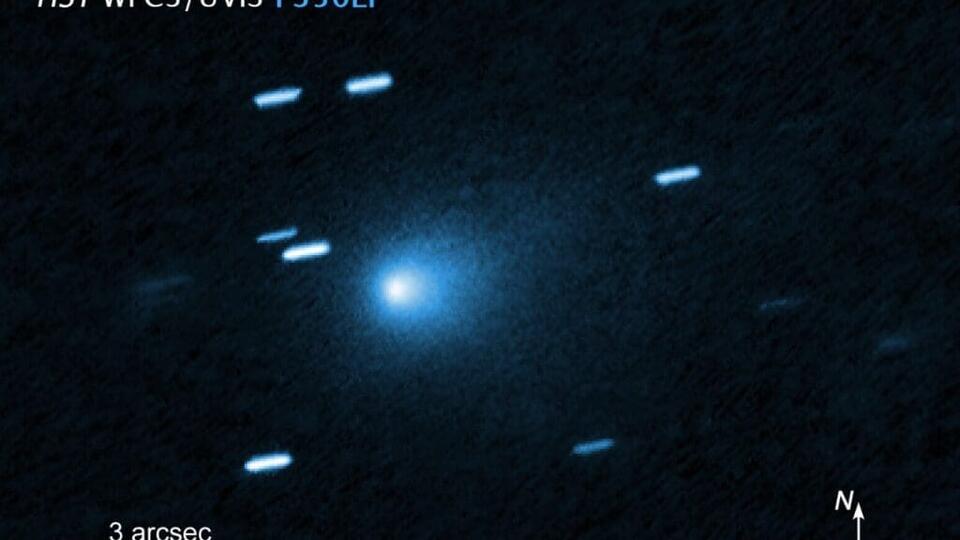
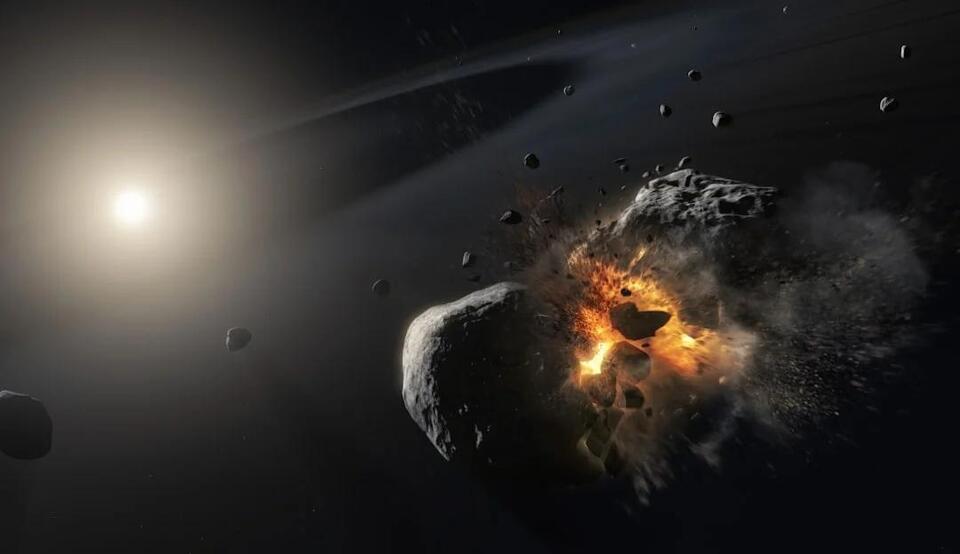
Michael Flores+FollowSpace Smackdown: Asteroids Collide!NASA’s Hubble just caught a cosmic demolition derby near the Fomalhaut star, only 25 light-years away! Astronomers snapped the first-ever direct pics of asteroid collisions—think massive rocks smashing and sending out wild dust clouds. Turns out, what looked like a planet was actually debris from these epic crashes. It’s like watching new worlds get built (and wrecked) in real time. Who knew space could be this dramatic? Would you want a front-row seat to this chaos? #Science #Hubble #SpaceNews20Share