Tag Page TheRealStoryBehindIt

#TheRealStoryBehindIt
LataraSpeaksTruth

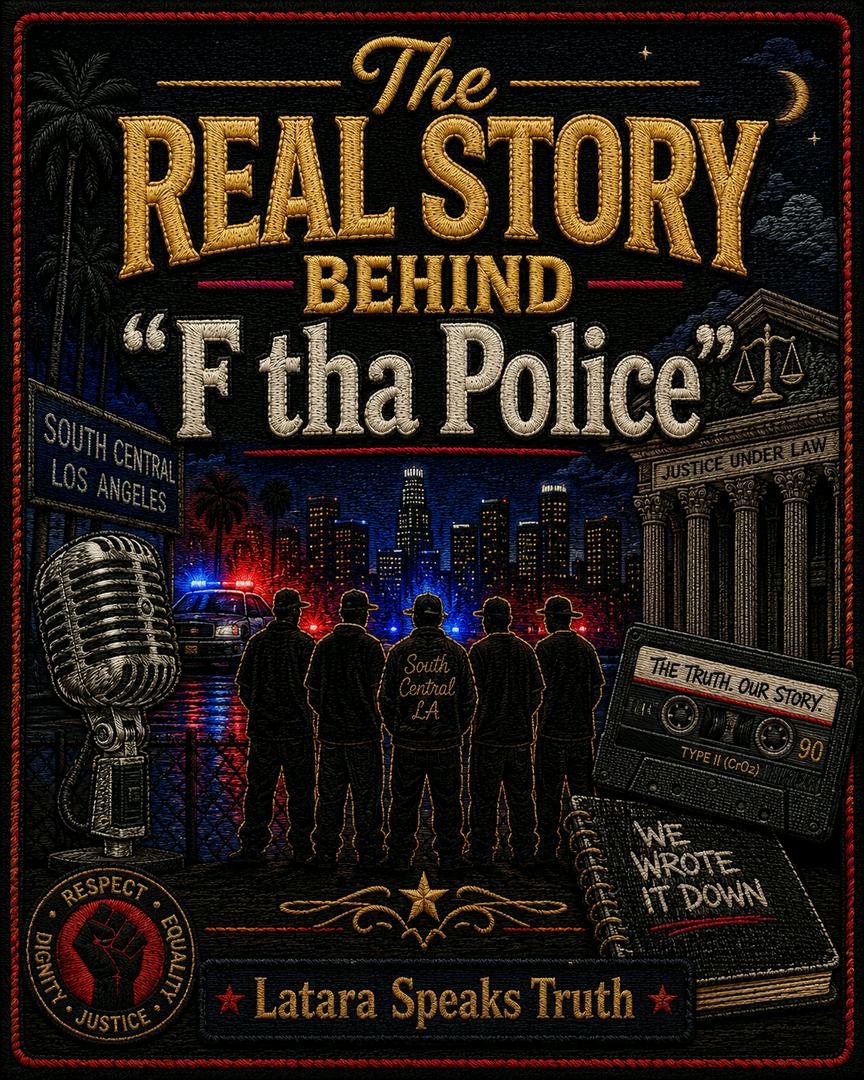
When people talk about N.W.A.’s “F tha Police,” the story usually gets flattened into one word: controversy. But the real story was bigger than a curse word, a hook, or a headline. The song came from a real time and place. In late 1980s Los Angeles, South Central communities were dealing with aggressive policing, racial profiling, poverty, gang enforcement, and years of frustration that did not suddenly appear when a rap group put it on wax. N.W.A. did not package that anger in polite language. They made it raw. Loud. Uncomfortable. That was the point. “F tha Police” was built like a courtroom scene, with young Black men putting law enforcement on trial through music. It was not trying to sound respectable for people who had already decided not to listen. It was trying to sound like what people were saying when no camera or politician was around. The backlash came fast. In 1989, an FBI official sent a letter to Priority Records criticizing the song and saying it encouraged violence and disrespect toward police officers. But instead of burying the record, the letter helped make it more famous. That is the part history loves to flip. A song once treated like a threat later became part of American music history. Straight Outta Compton was added to the National Recording Registry because of its cultural, historical, and artistic significance. That is the real story. A record condemned as dangerous was later preserved as important. You do not have to like every lyric to understand why it mattered. “F tha Police” captured anger many people felt but rarely heard expressed on a national stage. It was not just a rap song. It was a warning flare from a community tired of being watched, stopped, searched, and dismissed. And once history proved those complaints were not imaginary, the song became more than controversy. It became documentation. #NWA #HipHopHistory #MusicHistory #TheRealStoryBehindIt #LataraSpeaksTruth

LataraSpeaksTruth

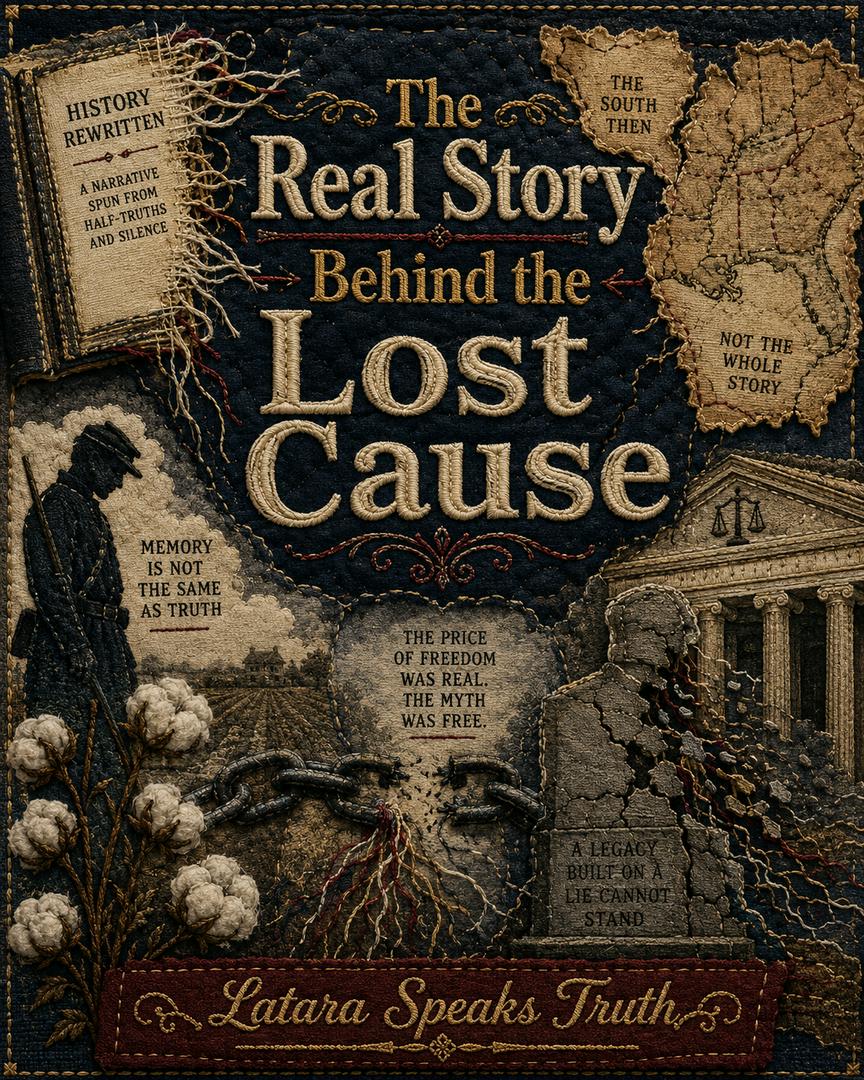
The Real Story Behind the Lost Cause is that it was not history. It was a rewrite. After the Civil War, the Confederacy lost on the battlefield, but many of its supporters fought to control the memory of what happened. The Lost Cause painted the South as noble, honorable, and unfairly defeated. It claimed the war was mostly about states’ rights, Southern pride, and defending home. But slavery was at the center of the conflict. Confederate states said it in their own secession documents. They left the Union to protect slavery and the power that came with it. After the war, that truth became inconvenient, so the story was softened. Instead of admitting the Confederacy fought to preserve human bondage, the Lost Cause turned Confederate soldiers into tragic heroes. It romanticized plantation life, downplayed the cruelty of slavery, and pushed the false idea that enslaved people were loyal or content. That version of the past spread through speeches, monuments, textbooks, films, and organizations that shaped public memory for generations. It helped keep sympathy attached to the Confederacy while hiding the violence of slavery, the backlash against Reconstruction, and the long shadow of segregation. That is why this story still matters. The Lost Cause was not just about remembering the past. It was about controlling how future generations understood power, race, and responsibility in America. The real story is simple. The Confederacy was built to protect slavery. The Lost Cause was built to protect the Confederacy’s image. And when people rewrite history to make oppression look noble, they are not preserving heritage. They are protecting a lie. #TheRealStoryBehindIt #AmericanHistory #CivilWarHistory #LostCause

You've reached the end!
Tag: TheRealStoryBehindIt | LocalAll