Tag Page TheSciencePulse

#TheSciencePulse
justme

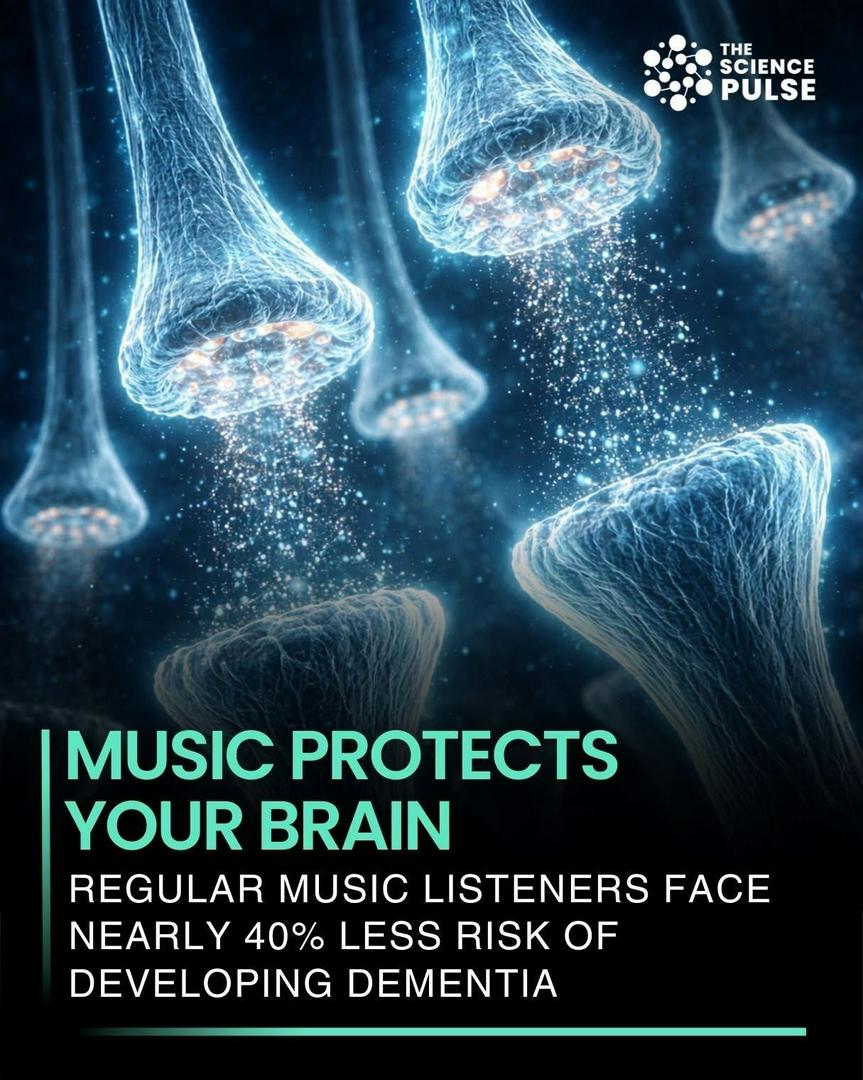
A recent study reveals that people who consistently listen to music have a nearly 40% lower risk of developing dementia. Music engages multiple areas of the brain, stimulating memory, attention, and emotional processing, which may help keep neural networks active and resilient over time. Regular exposure to music appears to support cognitive function by enhancing brain plasticity and strengthening connections between neurons. Whether it’s classical, jazz, or your favourite playlist, listening daily can provide a simple, enjoyable way to maintain brain health and potentially delay cognitive decline. Beyond memory, music also reduces stress, improves mood, and boosts overall mental wellbeing, making it a holistic tool for brain and emotional health. Incorporating music into your daily routine could be one of the easiest and most enjoyable ways to support lifelong cognitive function. #TheSciencePulse #fblifestyle #BrainHealth #DementiaPrevention #MusicTherapy

justme

In a revolutionary breakthrough, scientists have developed a light-based therapy that destroyed 99% of cancer cells without the need for chemotherapy or radiation. This innovative approach targets cancer cells directly while leaving healthy tissues completely unharmed, offering a safer and more precise treatment option. Early trials show that this method can significantly reduce tumors in a range of cancer types. Patients experienced minimal side effects, making it a promising alternative to traditional cancer treatments that often carry harsh consequences. Researchers are excited about the potential to transform cancer care globally. While further studies are ongoing, experts believe this light therapy could redefine the way we fight cancer. By harnessing the power of targeted light, science is opening the door to safer, more effective treatments and a future where cancer may be controlled without toxic interventions. #TheSciencePulse #fblifestyle #CancerBreakthrough #LightTherapy

justme

In a groundbreaking medical breakthrough, doctors have successfully restored a patient’s sight using the world’s first 3D printed cornea. This innovative procedure involved creating a cornea layer by layer using biocompatible materials, perfectly tailored to the patient’s eye. The 3D printed cornea integrates seamlessly with natural tissue, allowing light to pass through and vision to be restored. The technology represents a major leap in ophthalmology, offering hope to millions suffering from corneal blindness worldwide. Traditional cornea transplants often face shortages of donor tissue, rejection risks, and long waiting lists. 3D printing provides a customizable, scalable solution that could revolutionize treatment and make sight restoration more accessible. Experts emphasise that while this is the first successful case, ongoing research and clinical trials are essential to ensure long-term safety and effectiveness. This achievement highlights the power of combining medical science and cutting-edge technology to solve complex health challenges. For the first time, patients who were previously untreatable now have a path to seeing the world clearly again. #TheSciencePulse #fblifestyle #MedicalBreakthrough #VisionRestored

justme

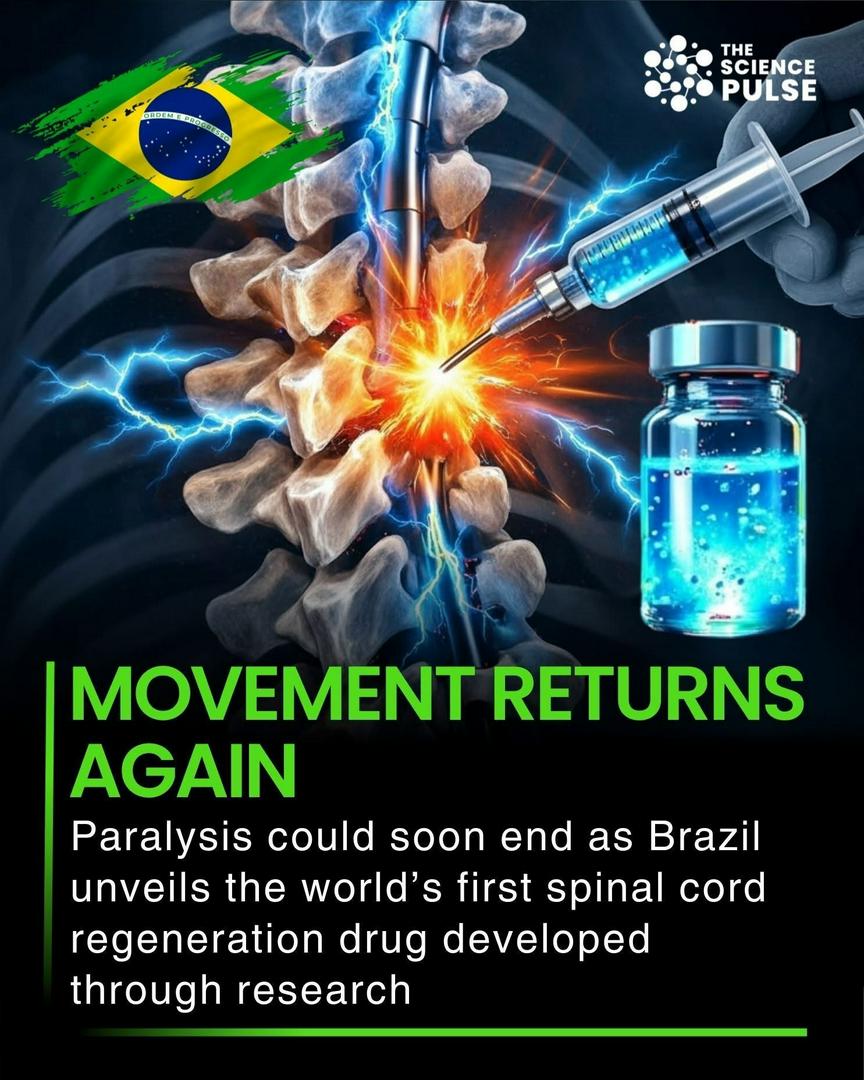
Brazilian scientists have revealed a groundbreaking spinal cord regeneration drug that could change the future of paralysis treatment. After years of intensive research this experimental therapy is designed to stimulate nerve regrowth and reconnect damaged neural pathways that were once thought to be permanently lost. Spinal cord injuries often result in lifelong paralysis because nerve cells in the central nervous system struggle to regenerate. The newly developed drug works by activating biological mechanisms that support nerve repair reduce inflammation and encourage the formation of new connections across injured sections of the spinal cord. In laboratory studies and early human trials patients showed measurable improvements in nerve signaling muscle response and partial recovery of movement and sensation. Researchers explain that timing and dosage are critical and the therapy is being carefully tested to ensure safety and effectiveness. While it is not yet a guaranteed cure results suggest that even long term paralysis may not be as irreversible as once believed. #TheSciencePulse #MedicalBreakthrough #Neuroscience #fblifestyle

justme

A medical breakthrough is giving hope to millions. Scientists have successfully grown new corneas from stem cells and restored full vision in blind patients. What once took decades of research and trial is now achieving results in just weeks, marking a monumental leap in regenerative medicine. By using stem cells to regenerate damaged corneal tissue, doctors can now treat certain forms of blindness without the need for donor transplants. The newly grown corneas integrate seamlessly with the patient’s eyes, restoring sight and dramatically improving quality of life. Early patients have reported life-changing outcomes, seeing clearly for the first time in years. This achievement demonstrates the power of combining stem cell technology with precision medical techniques. It’s a vivid example of how cutting-edge science is moving from theory to transformative reality, offering hope for millions who have long suffered from vision loss. The future of medicine is already here, and it’s restoring what many thought was permanently lost. #TheSciencePulse #fblifestyle #VisionRestoration #StemCellBreakthrough

You've reached the end!
Tag: TheSciencePulse | LocalAll