Tag Page USHistory

#USHistory
1776 Patriot

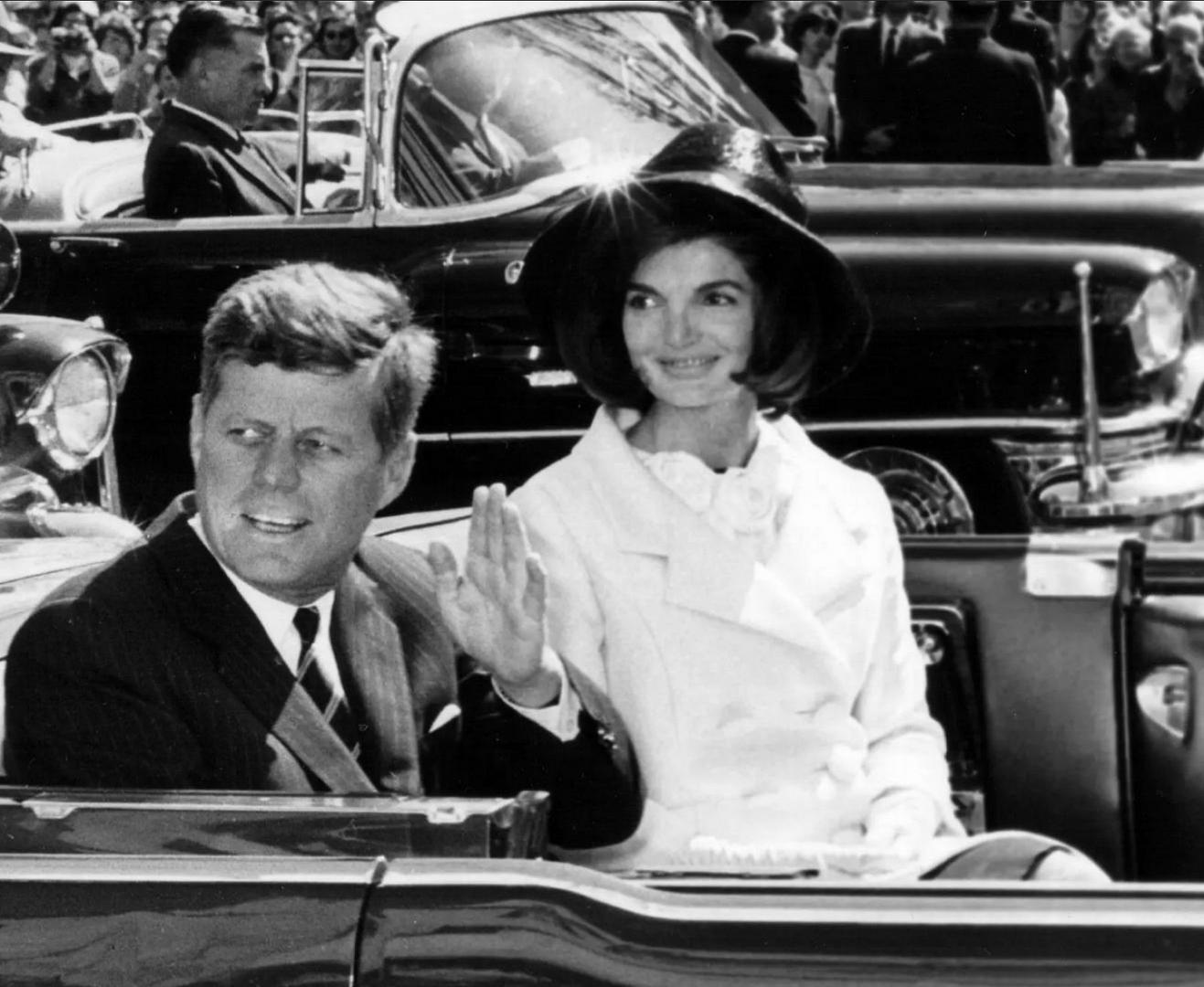
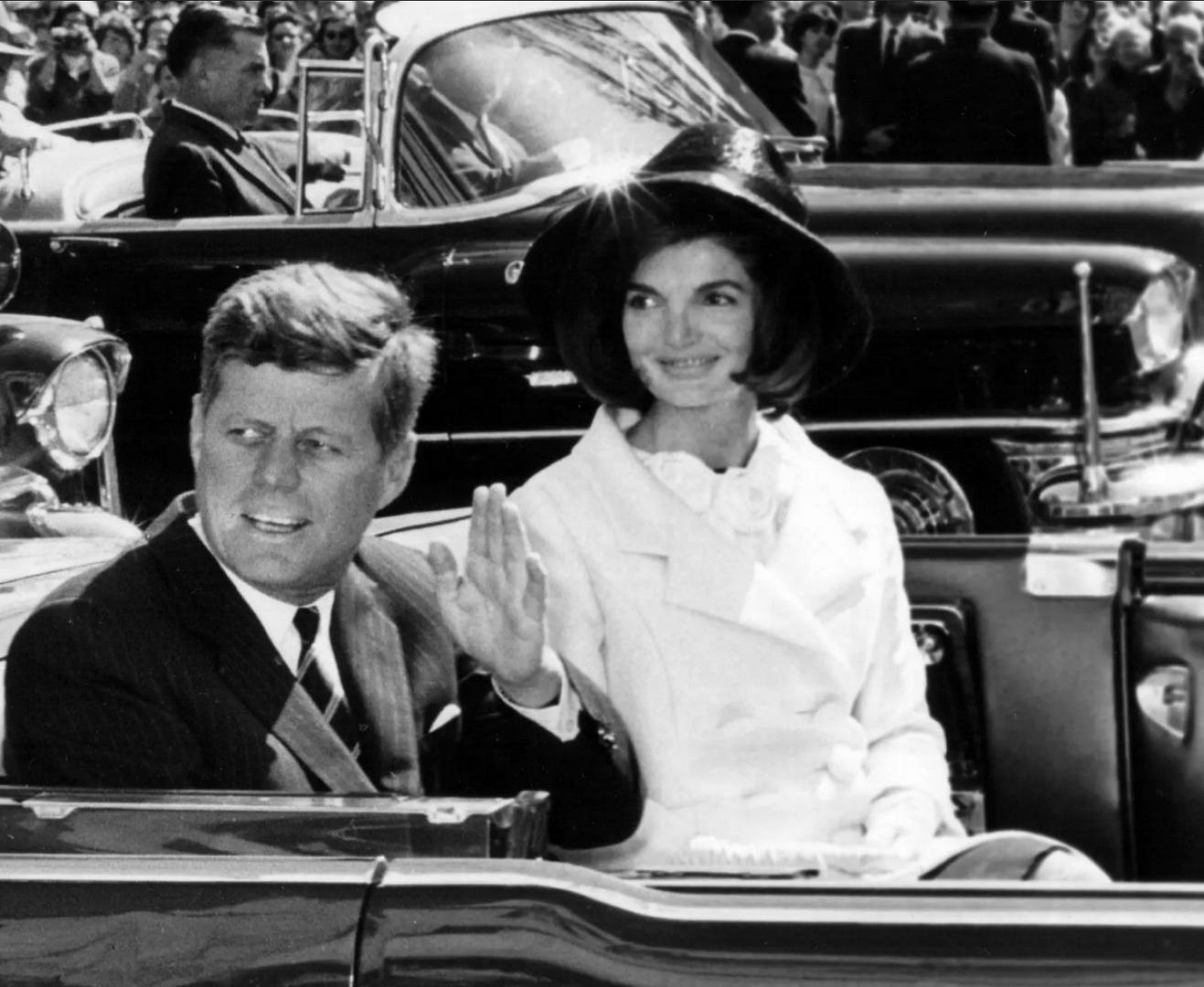
John F. Kennedy: The President with the Highest All Time Approval John F. Kennedy, the thirty fifth president of the United States, is still viewed as one of the most respected leaders in modern American history. Throughout his presidency, his approval rating stayed near 70 percent, which is one of the highest averages ever recorded. His standing is measured through the modern polling system that began in 1936, allowing his numbers to be compared across generations of presidents. Based on this long record of surveys, Kennedy holds the highest average approval of any president in the polling era. Kennedy’s popularity came from his personality, message, and calm leadership during major challenges. His inaugural address, urging Americans to serve their country, became one of the most memorable speeches in US history. During the Cuban Missile Crisis in 1962, he guided the country through thirteen days of extreme tension, preventing nuclear conflict and earning wide respect. His support for early civil rights efforts and his commitment to the space program added to the sense that he was leading the nation into a new and ambitious era. Surveys taken long after his death show how strong his legacy remains. One major poll found that 85 percent of Americans approved of his performance when looking back on his presidency. Even during difficult periods, such as the aftermath of the Bay of Pigs invasion, Kennedy kept approval ratings above 70 percent, something few presidents have matched. His calm approach, clear communication, and ability to connect with the public helped him maintain support across states, age groups, and political backgrounds. Kennedy’s consistently high approval demonstrates how trust and confidence from the public shape a president’s place in history. Although he served less than one full term, his leadership during world crises and his appeal to national unity left a lasting mark. #Politics #USA #History #USHistory #America

EMME'C.teamupdate

John F. Kennedy: The President with the Highest All Time Approva John F. Kennedy, the thirty fifth president of the United States. is still viewed as one of the most respected leaders in modern American history. Throughout his presidency, his approval rating stayed near 70 percent, which is one of the highest averages ever recorded. His standing is measured through the modern poling system that began in 1936, allowing his numbers to be compared across generations of presidents. Based on this lona record of survevs, Kennedv holds the highest average approval of any president in the polling era. Kennedy's popularity came from his personality, message, and calm leadership during major challenges. His inaugura address, urging Americans to serve their country, became one of the most memorable speeches in US history. During the Cuban Missile Crisis in 1962, he guided the country through thirteen days of extreme tension, preventing nuclear conflict and earning wide respect. His support for early civil rights efforts and his commitment to the space program added to the sense that he was leading the nation into a new and ambitious era Surveys taken long after his death show how strong his legacy remains. One major poll found that 85 percent of Americans approved of his performance when looking back on his presidency. Even during difficult periods, such as the aftermath of the Bav of Pias invasion, Kennedv kept approva ratings above 70 percent, something few presidents have matched. His calm approach, clear communication, and ability to connect with the public helped him maintain support across states, age groups and political backgrounds Kennedv's consistently high approval demonstrates how trust and confidence from the public shape a president's place in history. Although he served less than one full term, his leadership during world crises and his appeal to national unity left a lasting mark. #Politics #USA #History #USHistory #America

LataraSpeaksTruth

On January 9, 1861, Mississippi formally voted to secede from the United States, becoming the second state to leave the Union in the tense months leading up to the Civil War. This decision was not abstract politics or distant ideology. It was a direct declaration that slavery would be protected, expanded, and defended at all costs. For enslaved Black people across Mississippi and the broader Deep South, secession carried immediate meaning. It signaled that those in power were willing to fracture the nation rather than consider any future without human bondage. Families already living under brutal conditions understood that this choice hardened their reality and closed off any remaining hope that change might come without conflict. Mississippi’s leaders were explicit about their reasoning. In its secession declaration, the state named slavery as the central cause, tying its economy, social order, and political identity to the continued ownership of Black lives. This clarity matters, because it removes any doubt about what was being defended and who was being sacrificed. As the nation moved closer to war, decisions made in early 1861 reshaped the paths of millions. Enslaved people would later escape behind Union lines, resist through sabotage and survival, or enlist in the United States Colored Troops once allowed. These acts of courage were not spontaneous. They were responses to years of tightening control and to moments like Mississippi’s secession, when the stakes became unmistakably clear. January 9, 1861 stands as a reminder that the Civil War did not begin in confusion. It began with choices. And for Black Americans, those choices made by others turned the fight for freedom into a matter of survival, resistance, and eventual transformation through war. #AmericanHistory #CivilWarEra #MississippiHistory #DeepSouth #USHistory #HistoricalRecord #FreedomStruggles #SlaveryHistory

LataraSpeaksTruth

On January 29, 1861, Kansas was admitted to the Union as the 34th state, entering as a free state after years of violent political struggle that foreshadowed the Civil War. Its admission marked a turning point in the national conflict over slavery and revealed how deeply divided the country had become. Kansas was not a typical territory seeking statehood. After the Kansas–Nebraska Act of 1854 allowed settlers to vote on whether slavery would be legal, pro-slavery and anti-slavery factions flooded the region. Elections were disputed, rival governments formed, and armed clashes broke out. The violence was so severe that the period became known as “Bleeding Kansas.” Over several years, Kansas drafted multiple constitutions, some permitting slavery and others rejecting it. Each reflected the shifting balance of power and the pressure exerted by national political forces. The struggle in Kansas was closely watched across the country because it demonstrated that compromise on slavery was no longer holding. By the time Kansas was admitted as a free state, seven Southern states had already seceded from the Union. The decision further weakened the political influence of slaveholding states and intensified tensions between North and South. Just weeks later, the Civil War would officially begin with the attack on Fort Sumter. Kansas entered the Union bearing the marks of a conflict that could no longer be contained. Its path to statehood showed that the fight over slavery was no longer abstract or distant. It was unfolding in real time, on American soil, with consequences that would soon engulf the nation. #January29 #OnThisDay #KansasHistory #AmericanHistory #CivilWarEra #USHistory #Statehood #BleedingKansas #HistoricalMoments

1776 Patriot

Arkansas ICBM Silo Accident: When A Titan II Almost Went Nuclear

On September 18, 1980, a routine maintenance operation at Titan II Missile Complex 374-7 near Damascus, Arkansas, escalated into one of the most serious nuclear accidents in U.S. history. Airmen were performing detailed maintenance on the missile, which stood 103 feet tall, weighed 33 tons, and housed a W-53 thermonuclear warhead capable of 9 megatons, enough to destroy an entire city. During the operation, an airman accidentally dropped an 8-pound socket wrench. The tool fell roughly 80 feet, bounced off a steel thrust mount, and punctured the missile's first-stage fuel tank, releasing Aerozine 50, a highly flammable liquid propellant that reacts instantly with dinitrogen tetroxide. The silo, buried deep and designed to withstand conventional blasts, became a volatile trap. The Air Force evacuated personnel and began emergency containment. Crews attempted to pump water into the silo to dilute fuel vapors and vent pressure, but the chemical reaction persisted. Overnight, the situation worsened, and the combination of leaking fuel and oxidizer created a constant threat of fire or explosion. Around 3:00 a.m. on September 19, a massive explosion occurred, launching the 740-ton silo door hundreds of feet away. The missile and its W-53 warhead were ejected intact. Safety mechanisms prevented a nuclear detonation or radioactive release, but the blast destroyed the silo and nearby equipment. One airman was killed and 21 others injured, mostly emergency responders from Little Rock Air Force Base. Senior Airman David Livingston died, while others suffered burns, broken bones, and shock. The images of the blast became a stark symbol of the Titan II program's dangers. The Damascus accident revealed serious weaknesses in missile maintenance and emergency safety protocols. It showed how a minor error could almost trigger a nuclear catastrophe and prompted the Air Force to review safety measures across the missile program. #USHistory #History #USA #America #Missiles #Defense

Arkansas ICBM Silo Accident: When A Titan II Almost Went NuclearArkansas ICBM Silo Accident: When A Titan II Almost Went NuclearArkansas ICBM Silo Accident: When A Titan II Almost Went NuclearArkansas ICBM Silo Accident: When A Titan II Almost Went NuclearArkansas ICBM Silo Accident: When A Titan II Almost Went Nuclear
LataraSpeaksTruth

On March 2, 1877, Congress finished counting the electoral votes from the disputed 1876 presidential election and certified Rutherford B. Hayes as president over Samuel J. Tilden by a single electoral vote, 185 to 184. That outcome did not happen on its own. In late January 1877, Congress created a special Electoral Commission to decide the contested electoral votes from several states. The Commission’s rulings were then accepted during the final count on March 2. In the weeks that followed, Democrats ended their resistance to Hayes taking office and Republicans moved toward a set of understandings that later became known as the Compromise of 1877. It was not one signed document. It was political bargaining, and the biggest consequence was federal enforcement in the South being scaled back. After Hayes was inaugurated on March 5, 1877, the remaining federal troops stationed at Southern statehouses were withdrawn, commonly dated to April 1877. With that protection gone, the last Reconstruction governments in places like Louisiana and South Carolina collapsed. In plain language, this meant people who had gained political influence after the Civil War, especially formerly enslaved people and African Americans, were left with far less federal protection at the ballot box and in public life. White supremacist intimidation and organized violence became easier to carry out. Over time, state governments built stronger systems of segregation and voter suppression through laws, procedures, and local enforcement. So yes, the core takeaway is correct. March 2 marks the certification that cleared the way. The troop withdrawal that helped end Reconstruction followed soon after. #OnThisDay #March2 #1877 #Reconstruction #CompromiseOf1877 #Hayes #Tilden #ElectoralCount #ElectoralCommission #USHistory #AmericanHistory #SouthernHistory #VotingRightsHistory

1776 Patriot

A High School Educator Hypnotized Students and Tragedy Followed In 2011, a disturbing episode at North Port High School in Sarasota County, Florida, became national news when Principal George Kenney used hypnosis on students without any professional training or license. Over several years, Kenney administered informal hypnosis sessions to dozens of students and staff, promoting it as a way to relieve stress, improve focus, and ease performance anxiety. Reports later showed he had hypnotized as many as 75 individuals, including teenage athletes and students seeking academic help. Despite warnings from school officials to stop, Kenney continued the practice. Tragedy struck when three students who had received or practiced hypnosis died in separate incidents. 16-year-old Marcus Freeman died in a car crash, possibly attempting self-hypnosis while driving. 16-year-old Wesley McKinley became withdrawn after sessions and ended his life shortly afterward. 17-year-old Brittany Palumbo also died after using hypnosis to manage academic stress; classmates noted she had begun practicing self-hypnosis frequently in hopes of gaining emotional control. These students were exposed to hypnosis without professional guidance or safeguards. Outrage followed. Critics said Kenney performed unlicensed medical services, altering teens’ mental states without consent. Placed on administrative leave in 2011, he resigned the next year. In 2012, Kenney pleaded no contest to misdemeanor charges and was sentenced to one year of probation, a penalty many families deemed too lenient. In 2015, Sarasota County School District settled wrongful death lawsuits, paying $200,000 to each family. The North Port case remains one of the most bizarre and tragic true crime examples in America of an educator’s misuse of trust. #TrueCrime #USHistory #America #USA #History #Florida #Hypnotherapy

LataraSpeaksTruth

On February 6, 1820, the ship Elizabeth sailed out of New York Harbor carrying 86 free African American emigrants, along with agents connected to the American Colonization Society. This voyage is recognized as one of the earliest organized efforts to relocate free Black people from the United States to West Africa, a movement that would later contribute to the creation of what became Liberia. This journey did not establish a permanent settlement on its own. That came later, after multiple failed and deadly attempts, with a lasting colony forming in the early 1820s. Still, the Elizabeth’s departure marked a critical starting point in the colonization campaign and set events in motion that reshaped lives, families, and history on both sides of the Atlantic. Colonization was promoted by its supporters as a solution to racism in the United States. But many free Black Americans and abolitionists rejected the idea outright. They argued that removal was not justice. They were born here, lived here, labored here, and helped build the country. The problem was not their presence, but America’s refusal to grant them full rights and equal protection. This moment matters because it exposes a deep conflict over belonging. Colonization offered distance instead of accountability. Escape instead of repair. For some, it promised opportunity. For others, it felt like exile disguised as reform. February 6 is not just a shipping record. It represents debate, resistance, and consequences that still echo today whenever “solutions” are proposed that avoid justice instead of confronting it. #OnThisDay #February6 #USHistory #Liberia #AmericanColonizationSociety #BlackHistory #HistoryMatters

LataraSpeaksTruth

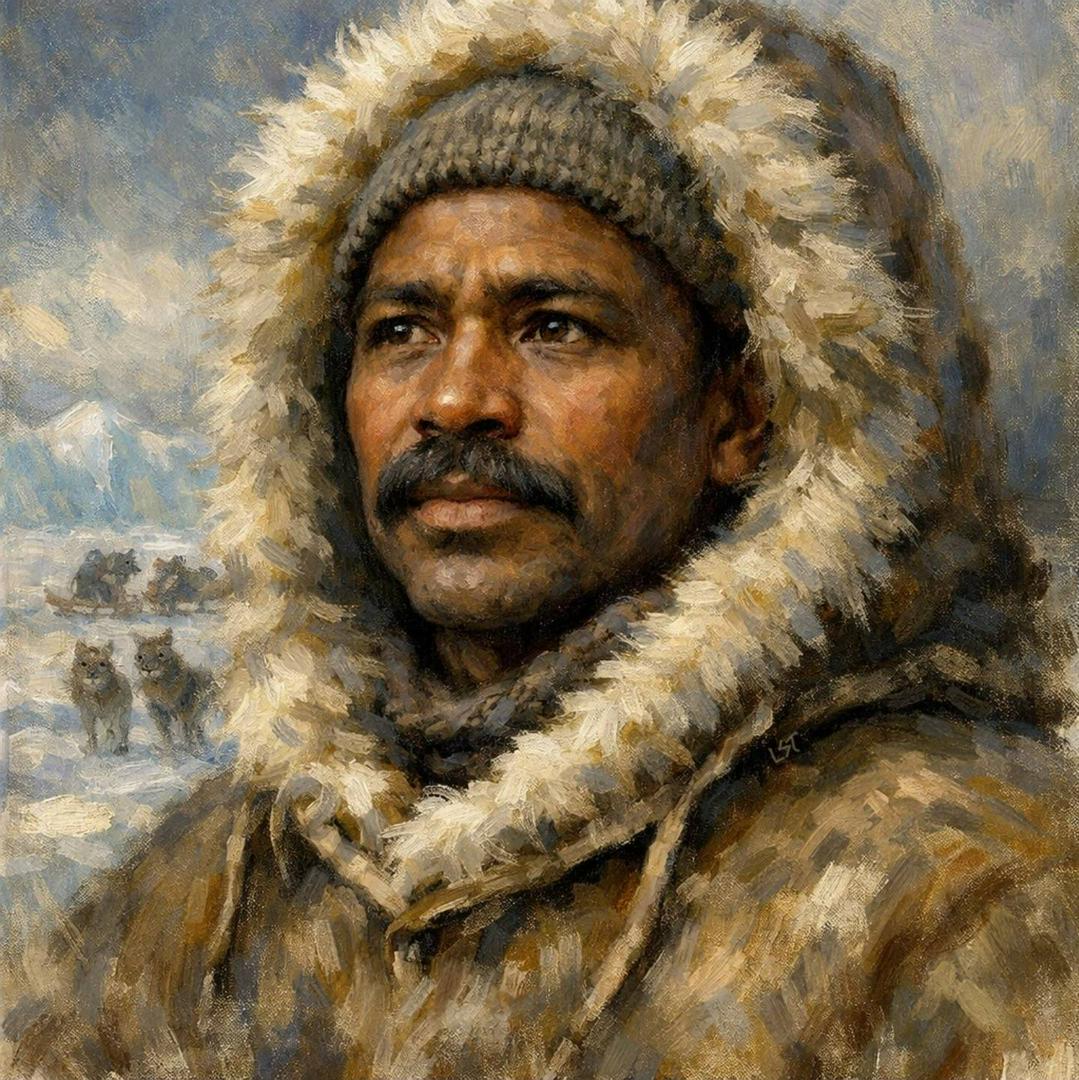
On January 28, 1944, Matthew Henson received a Special Medal of Honor from the U.S. Congress, jointly awarded with Admiral Robert E. Peary, recognizing their roles in the 1909 Arctic expedition that claimed the first successful arrival at the North Pole. The recognition came thirty-five years after the expedition and decades after Henson’s contributions had been minimized or excluded from mainstream accounts. While Peary was celebrated almost immediately, Henson was largely left out of textbooks, honors, and public memory during his lifetime. Henson was not a peripheral figure on the expedition. He was one of its most indispensable members. He mastered Arctic survival techniques, learned the Inuit language, built and repaired sleds, handled dog teams, and navigated some of the most dangerous terrain. Peary himself acknowledged that he depended heavily on Henson’s skill and endurance to complete the journey. When the team reached the North Pole in April 1909, multiple accounts indicate that Henson may have been among the first to arrive at the site. Despite this, official credit centered almost exclusively on Peary for many years. After returning from the Arctic, Henson worked modest jobs and lived without the recognition granted to other expedition members. The 1944 Congressional medal did not erase decades of exclusion, but it marked a formal acknowledgment by the federal government that his role could no longer be ignored. Matthew Henson’s legacy reminds us that exploration is not defined solely by who claims victory, but by who possesses the knowledge, skill, and resilience to make success possible. His contributions endured even when recognition came far too late. #January28 #MatthewHenson #ExplorationHistory #ArcticExploration #USHistory #ScienceAndDiscovery #HiddenFigures #Legacy

1776 Patriot

The Two Largest House Losses in Midterm History Midterm elections are held every 4 years in the middle of a president’s term an determins: all 435 House of seats, 1/3rd of the Senate, and gives voters a chance to reshape Congress. Presidents typically lose, 28 House seats on average, but some elections produced historic swings that reshaped American politics and policy. The 1874 midterms were one of the most severe defeats of the 19th century. President Ulysses S. Grant’s Republicans lost 93 of 195 House seats, about 36% of their seats. The Panic of 1873, a severe economic depression, combined with corruption scandals in Grant’s administration, fueled public anger. Voters across the South and industrial North abandoned the Republican Party, giving Democrats control of the House for the first time since the Civil War. Turnout was strong, economic hardship dissatisfaction motivated voters. Two decades later, the 1894 midterms produced the largest House seat loss in U.S. history. Under President Grover Cleveland, Democrats lost 127 of 225 House seats, about 56% of their seats. All 225 seats were contested, and the Panic of 1893 triggered one of the worst depressions of the century, leaving farmers, laborers, and urban workers across the Midwest and Northeast frustrated with Cleveland’s response. Republicans swept the House, marking a historic realignment. Turnout reached roughly 70% in key districts, and economic crises mobilized voters to reshape priorities almost overnight. In these two elections economic conditions, perceptions of presidential leadership, and voter engagement produced sweeping shifts in the House. In both 1874 and 1894, the opposition capitalized on dissatisfaction economic uncertainty and dramatically altered power, forcing the president’s party to reassess strategy. The elections under Grant and Cleveland remain the most consequential House losses in American history. #Politics #ElectionInsights #History #USA #USHistory #America #News

Tag: USHistory | LocalAll