Tag Page USHistory

#USHistory
1776 Patriot

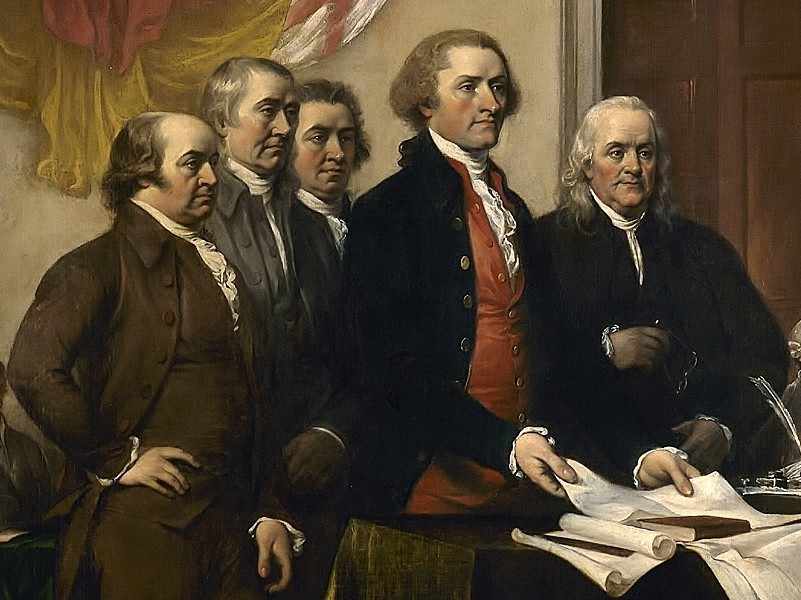
Founding Father Sherman’s Art of the Deal: Saving America in 1787 At the Constitutional Convention, 55 delegates from 12 states met from May to September 1787 in near-total secrecy. Rhode Island refused to attend. Windows were closed against the summer heat, and notes were forbidden to leave the room. The nation hung in the balance. Large states backed the Virginia Plan, demanding representation by population. Small states backed the New Jersey Plan, insisting on equal votes. Virginia had over 500,000 residents; Delaware had fewer than 60,000. Delegates warned that without agreement, the union could fracture before it began. Roger Sherman, a Connecticut shoemaker turned statesman, and Oliver Ellsworth proposed the Connecticut Compromise, the first national legislature to combine proportional representation in one chamber with equal state representation in another in a federal system. The House would be apportioned by population; the Senate would give two votes per state. Revenue bills would originate in the House, while all legislation required Senate approval. The plan passed a 5-to-4 committee vote before adoption by the full Convention, breaking the deadlock and keeping smaller states at the table. The compromise was revolutionary. It forced rival states into a single functional system. It embedded conflict within a durable framework that allowed debate without collapse. Large and small states were bound together in a union that would endure. Congress still operates under this structure. More than 70 countries today use bicameral legislatures, including Germany, Australia, and India. Without Sherman and Ellsworth’s daring compromise, the American experiment in self-government might never have survived. #History #USHistory #America #USA #Constitution101 #Politics #Congress

LataraSpeaksTruth

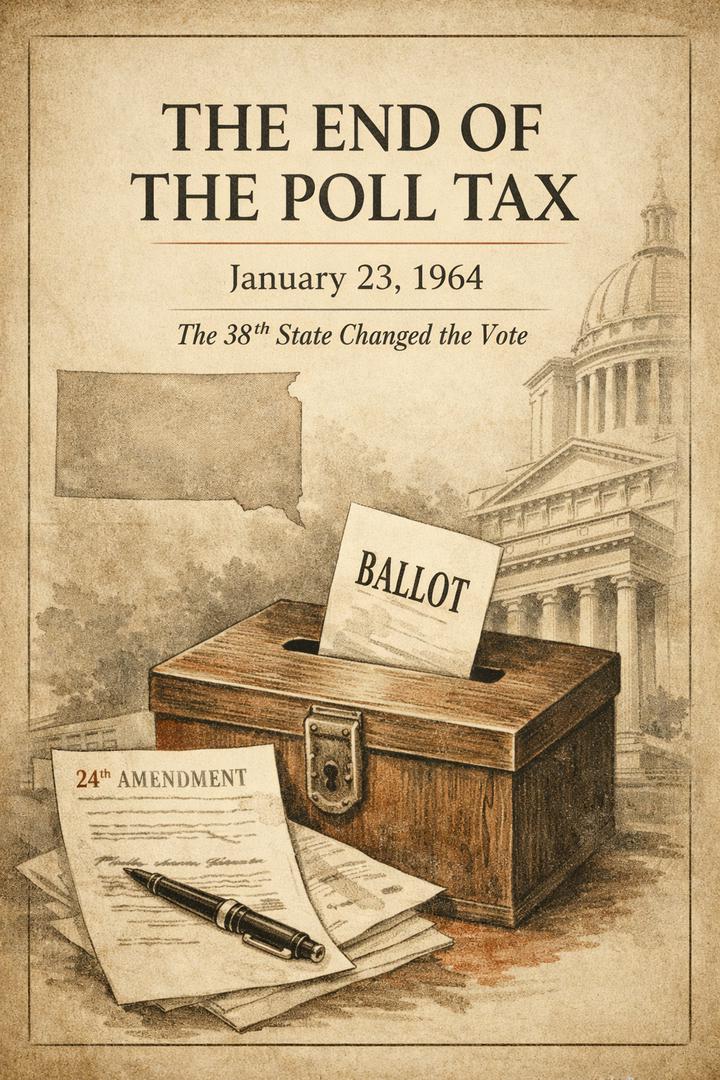
On January 23, 1964, a quiet legislative vote in South Dakota echoed across the entire United States. By becoming the 38th state to ratify the 24th Amendment, South Dakota provided the final “yes” needed to cement a fundamental change in American democracy…the official end of the poll tax in federal elections. For decades, the poll tax had operated as a so-called legal barrier to the ballot box. Framed as a simple administrative fee, it was anything but neutral in practice. In many Southern states, voters were required to pay not only the current tax but accumulated fees for every year they had not voted. This system disproportionately blocked Black Americans and poor white citizens from participating in elections. Combined with literacy tests, intimidation, and economic retaliation, the poll tax ensured political power remained tightly controlled. The road to the 24th Amendment was long and deliberate. Proposed by Congress in 1962, it required approval from three-fourths of the states. As 1964 began, the nation watched the count inch closer to the threshold. When South Dakota’s legislature ratified the amendment on January 23, it crossed the constitutional finish line, making the amendment law. The amendment marked a major victory for voting access by declaring that the right to vote in federal elections could not be conditioned on payment. Still, the work was unfinished. Some states continued to impose poll taxes in state and local elections until the Supreme Court struck them down entirely in 1966. Today, the anniversary of South Dakota’s ratification stands as a reminder that voting rights have never been freely handed over. They have been argued for, organized for, and fought for…often quietly, often against resistance, but always with lasting impact. #OnThisDay #USHIstory #VotingRights #Democracy #24thAmendment #CivilRightsHistory #SouthDakota #HistoryMatters

1776 Patriot

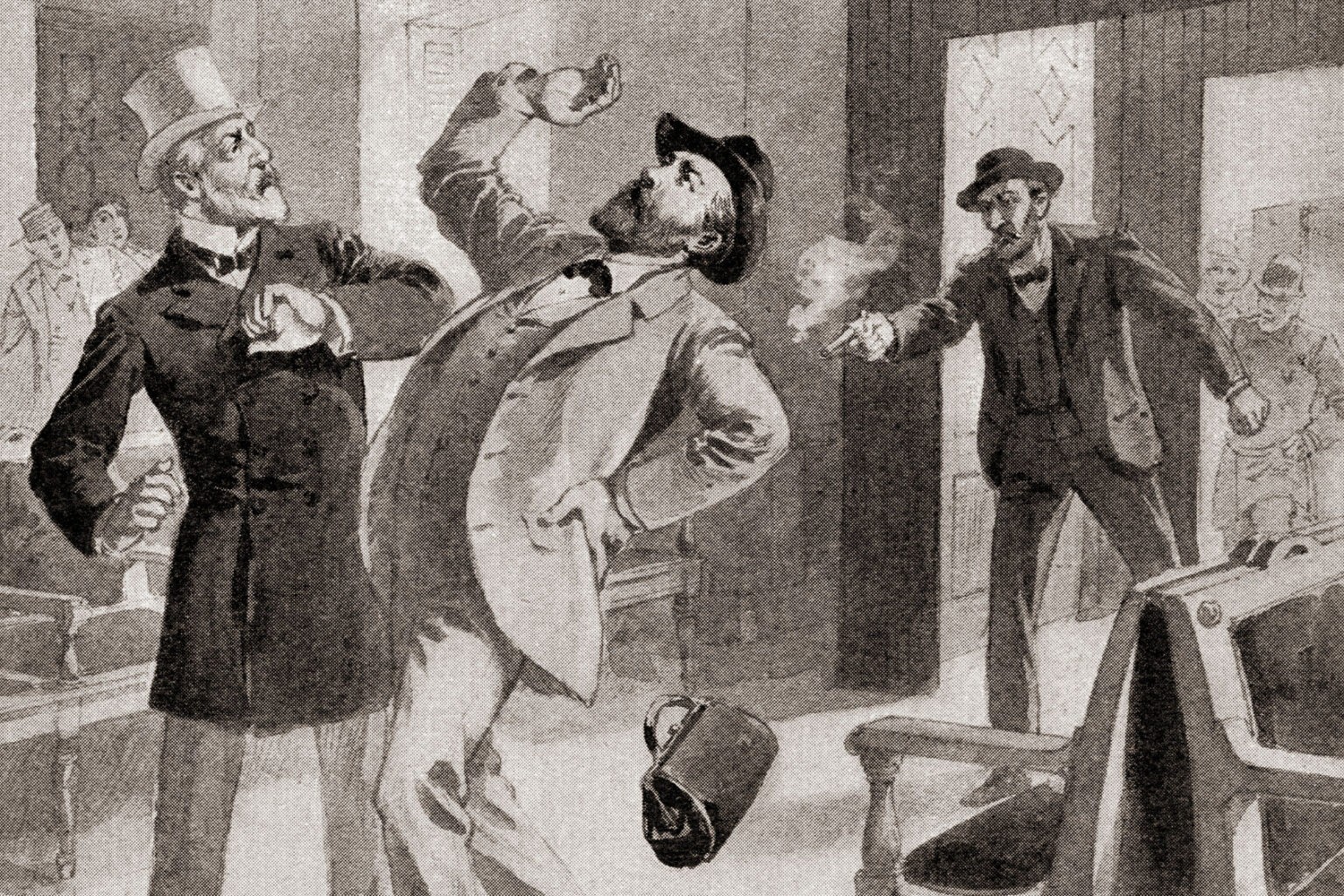
Chaos and Infection: The Assassination of President Garfield On July 2, 1881, shortly after 9:30 a.m., President James Garfield, the 20th president of the United States, was shot at Washington’s Baltimore and Potomac Railroad Station by Charles Julius Guiteau, a mentally unstable lawyer seeking political reward. Garfield, traveling with Secretary of State James Blaine, had no Secret Service protection. Like Lincoln in 1865, Garfield was vulnerable. Guiteau, who studied the station for days, carried a .442 caliber British Bulldog revolver and fired twice. The first bullet shattered Garfield’s right humerus. The second lodged in his back near the pancreas and kidneys, passing within millimeters of the aorta. Chaos erupted as travelers screamed, trunks toppled, and dozens froze. Blaine knelt beside Garfield. Guiteau shouted, “I did it! I just shot the president. I had to save the Republican Party!” Doctors led by D. Willard Bliss repeatedly probed Garfield’s wounds with unsterilized fingers and instruments during the first weeks. Bliss said, “I can find it with my finger if it is anywhere to be found,” spreading infection that caused abscesses and sepsis. Alexander Graham Bell tried to locate the bullet with a metal detector, but bed springs distorted results. Garfield endured 80 days of fever, abscesses, and severe weight loss, reportedly saying, “I never expected to live to see the end of this.” Newspapers reported daily, and tens of thousands followed updates nationwide. Garfield died September 19, 1881, 79 days after being shot. Vice President Chester Arthur assumed office. Guiteau was tried, convicted, and hanged June 30, 1882. The assassination exposed presidential security weaknesses and prompted the Pendleton Act of 1883, establishing merit-based federal employment. Repeated probing of Garfield’s wounds caused infection, contributing to the 30–40% mortality for major bullet injuries, turning a survivable wound fatal. #History #USHistory #America #USA

1776 Patriot

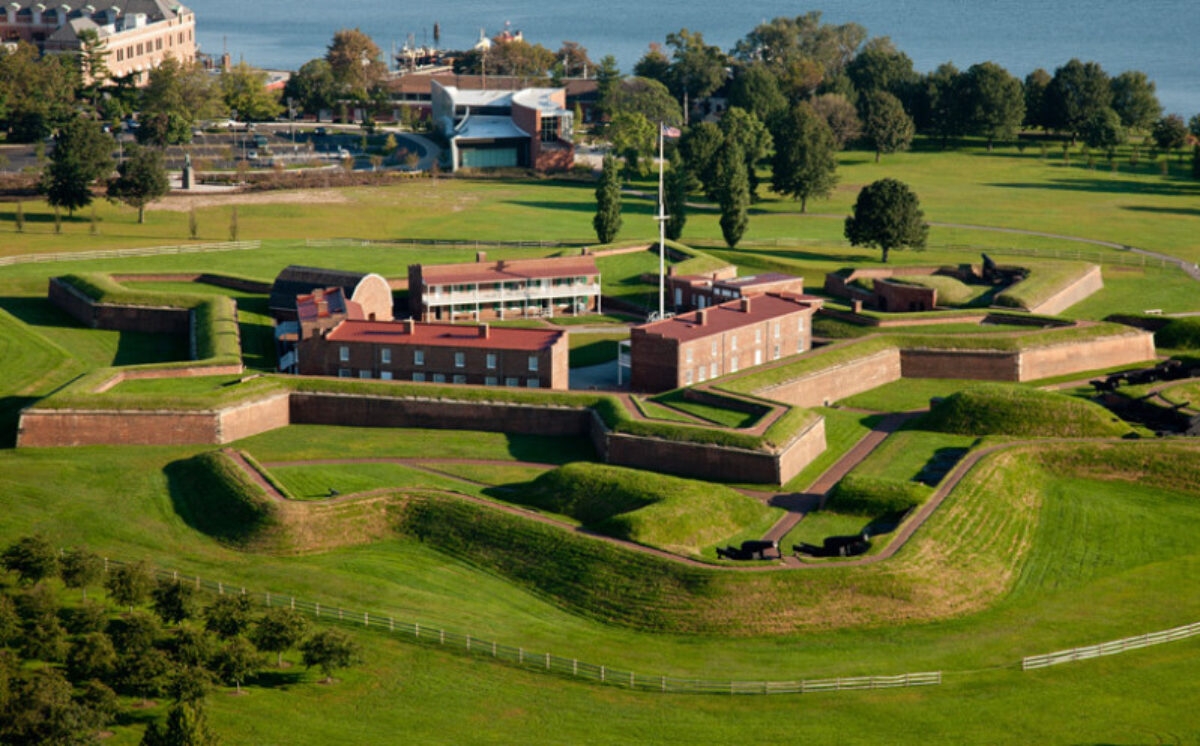
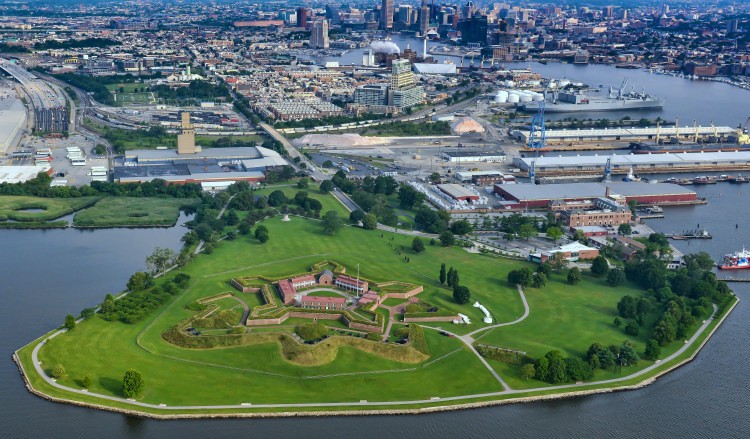
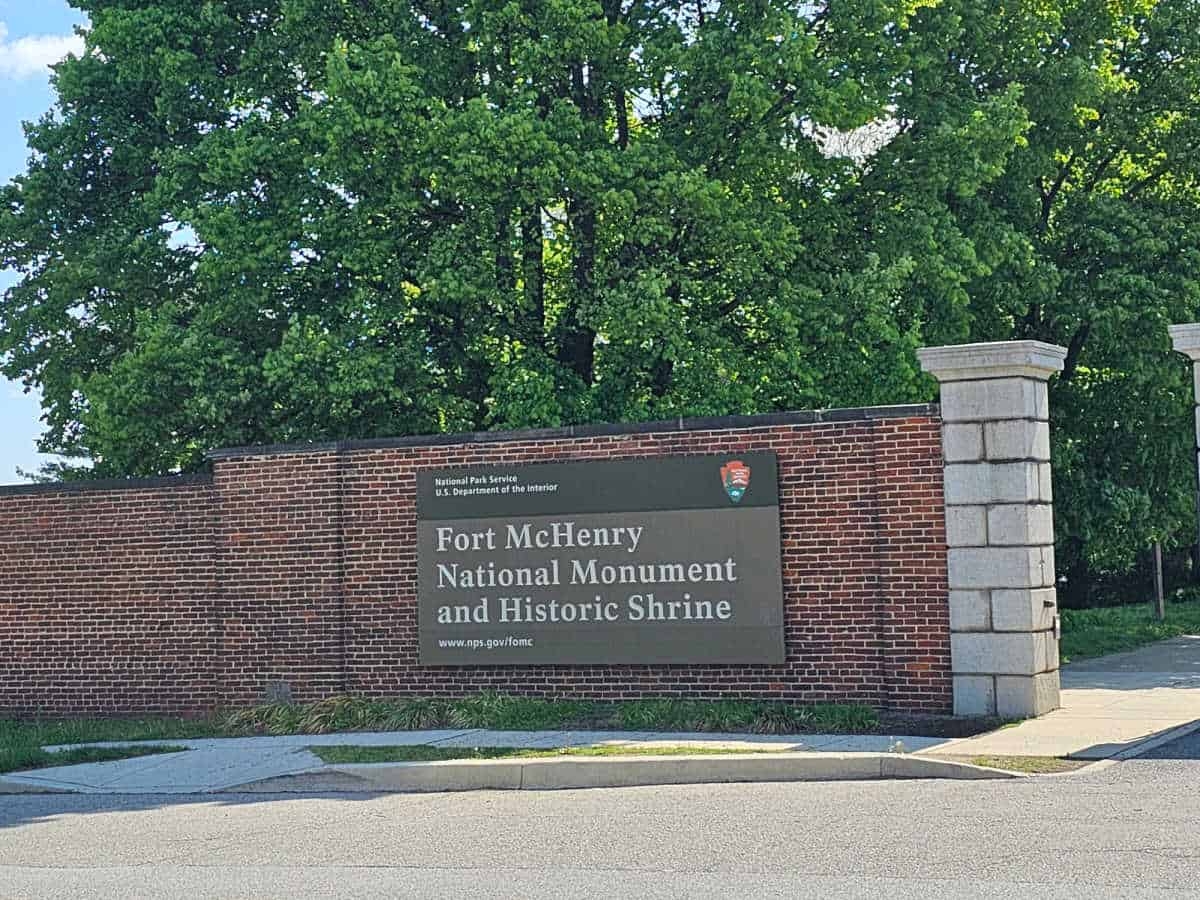
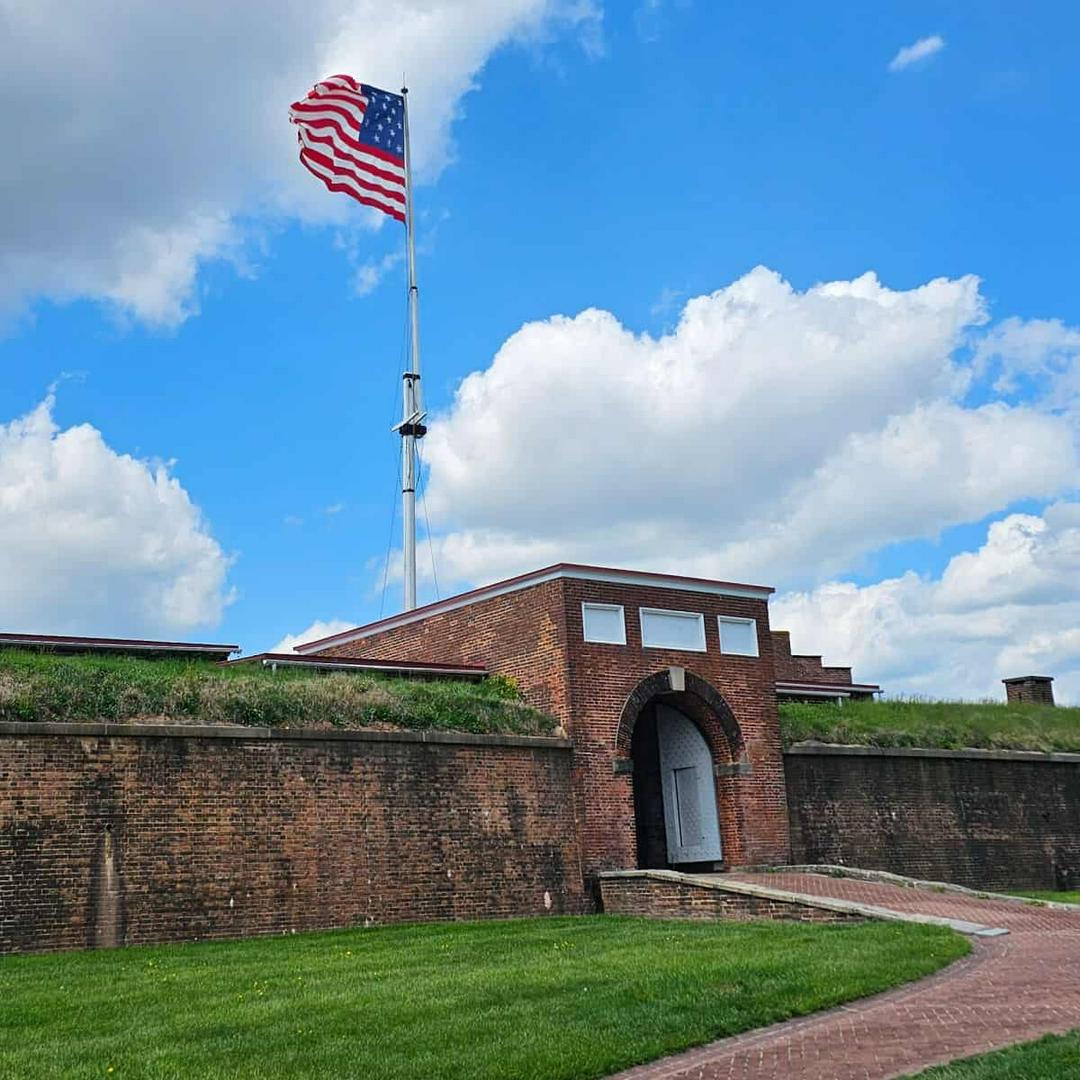
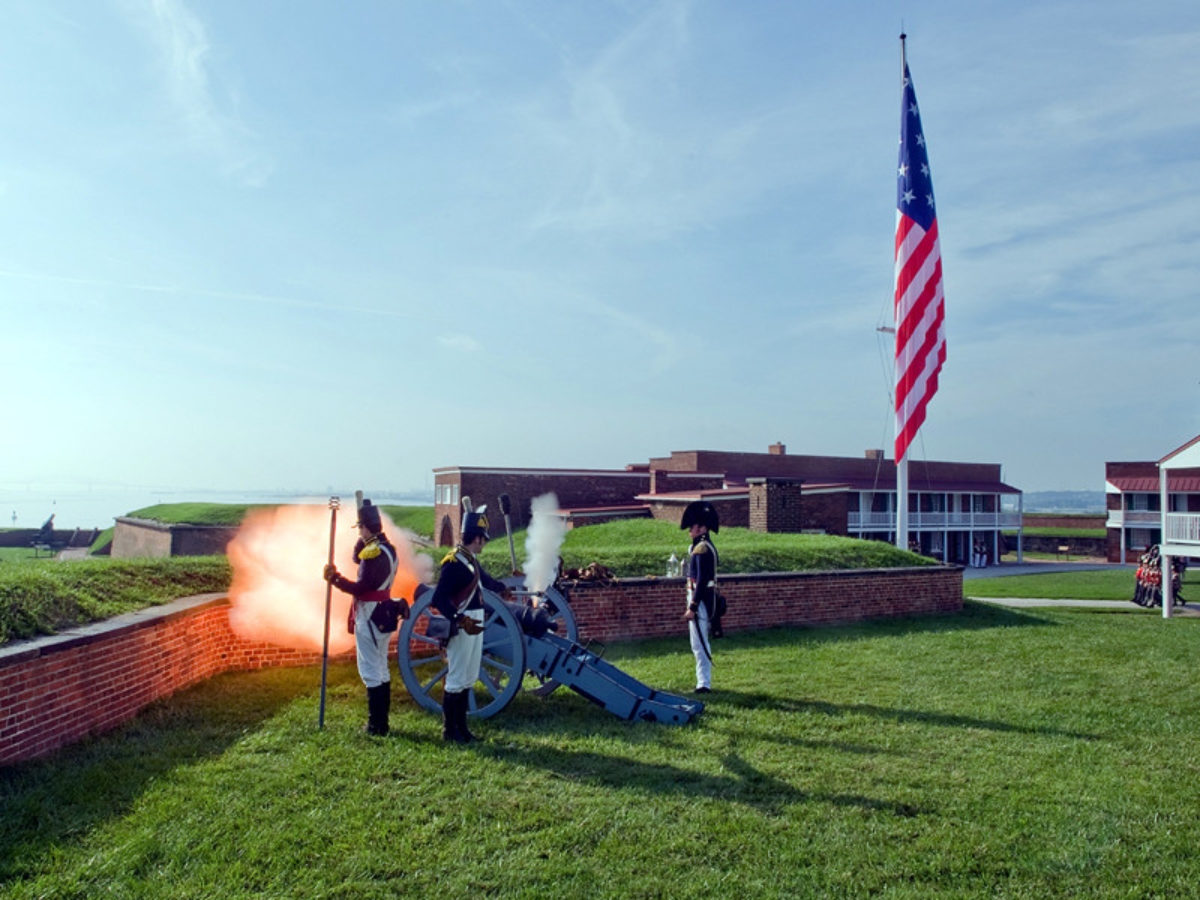
25 Hours That Shook America: The Siege of Fort McHenry The Siege of Fort McHenry, fought September 13 to 14, 1814, during the War of 1812, was one of the most decisive fort engagements in American history. The fort, located in Baltimore Harbor, Maryland, defended the city against a British force that had burned Washington, D.C., a month earlier. Fort McHenry was a five pointed star shaped masonry and earth fort, housing about 1,000 American defenders under Major George Armistead. Its artillery included over 150 guns, ranging from 42 pounder long guns to 6 pounders, positioned to cover the harbor channels. The British expeditionary force, led by Vice Admiral Sir Alexander Cochrane and Major General Robert Ross, included 4,000 troops and a naval squadron of 30 warships carrying over 1,000 cannons. The siege began with a continuous bombardment that lasted 25 hours, the longest in United States history. The British fired around 1,500 shells and rockets at the fort. Thick earthworks absorbed much of the damage, leaving minor breaches. American gunners returned fire continuously, targeting ships at up to 1,500 yards, showing accuracy and discipline under pressure. American casualties were low considering the scale, with about four dead and 24 wounded. British crews suffered higher losses from counterfire and rough seas. The fort’s defenders prevented a landing of British troops, forcing the attackers to retreat. At dawn, the large American flag still flew over the fort, inspiring Francis Scott Key to write the poem that became the U.S. national anthem. The siege demonstrated the value of well placed fortifications and disciplined artillery. British commanders underestimated the range and resilience of American guns. Accurate return fire disrupted their coordination. Fort McHenry’s defense became a symbol of national resilience, showing how smaller forces could repel superior numbers through fort design, artillery placement, and morale. #USHistory #EarlyAmerica #USA

1776 Patriot

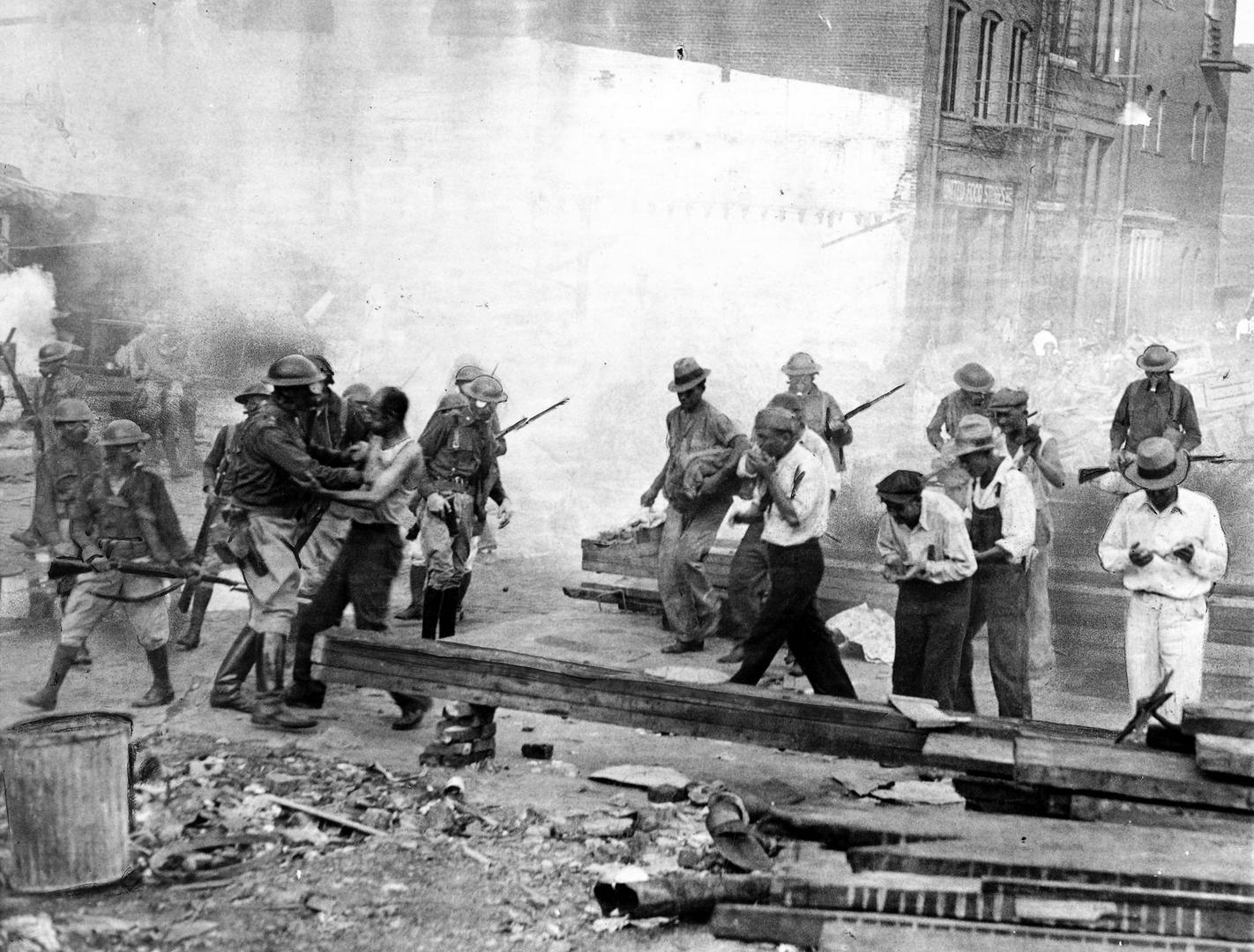
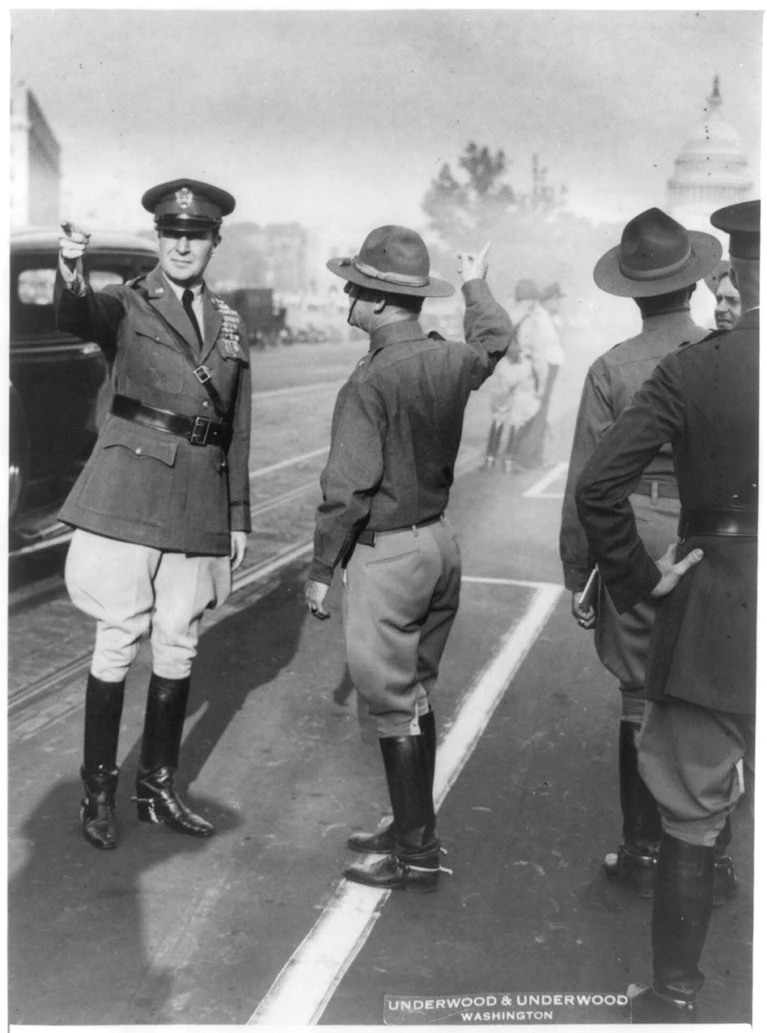
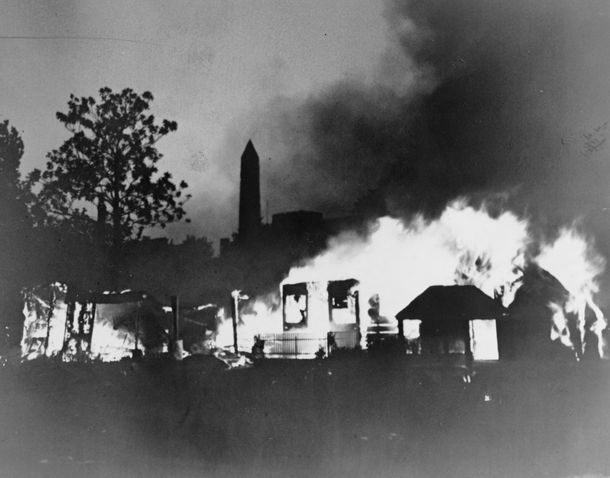
When General Patton and MacArthur Drove Veterans Out of Washington In the summer of 1932, roughly 43,000 people gathered in Washington D.C., including 17,000 World War I soldiers and 26,000 family members. They were the Bonus Expeditionary Force, demanding early payment of a bonus Congress promised in 1924 but scheduled for 1945. Each held a certificate worth $1 per day in the U.S. and $1.25 per day overseas, desperately needed during the Great Depression when unemployment reached 24%. They built over 1,500 huts on the Anacostia Flats. The encampment became the largest Hooverville, a shantytown named after President Hoover, with organized sanitation, streets, a small newspaper, a school, a mess hall, and medical stations. Congress debated their request, but the Senate rejected the bonus on June 17, 1932, by 62 - 18. Many refused to leave. On July 28, President Hoover ordered the camps cleared. Hoover faced declining public support as the economy worsened and unemployment peaked near 24%, contributing to a sharp decline in his popularity, which fell to roughly 23%. With business leaders urging action against perceived disorder, Hoover authorized Army Chief of Staff Douglas MacArthur to lead the operation. MacArthur oversaw 600 troops, including cavalry, infantry, and six M1917 tanks commanded by Major George S. Patton. Soldiers advanced with bayonets and fired tear gas while cavalry pushed crowds through the streets. By nightfall, the camp was set on fire, destroying hundreds of shelters and leaving thousands homeless. Thousands of personal belongings, including blankets and tents, were burned. At least 2 men were killed and more than 1,000 injured or treated for gas exposure. One participant told a reporter, “We fought for this country and now the country fights us.” Images of troops led by MacArthur and Patton driving out these former servicemen shocked the nation and became one of the most damaging moments of Hoover’s presidency. #USHistory #History #America

1776 Patriot

Inside the Largest SWAT Hostage Rescue Operation in U.S. History The Good Guys electronic store siege in Sacramento remains one of the most significant hostage rescue missions ever carried out by a SWAT team. The incident began when four armed assailants stormed the store and seized 41 hostages. They demanded 4 million dollars, bulletproof vests, transportation, and safe passage out of the country. The captors fired inside the store, forced hostages to the windows, and repeatedly threatened to kill if their demands were not met. Tragically, three hostages were killed early in the standoff when the assailants opened fire after negotiators delayed meeting their demands, increasing pressure and fear among both hostages and officers. Negotiators worked tirelessly while SWAT teams used fiber optic probes, remote cameras, and thermal imaging to map the store’s interior. Over half of the layout offered no clear lines of sight, forcing officers to rely heavily on sound and heat signatures. When two additional hostages attempted to escape later in the siege and were shot, one fatally, command staff recognized the high risk of further casualties and authorized an immediate assault. SWAT executed a coordinated multi point breach using distraction devices that produced more than 170 decibels to disorient the captors. Officers moved swiftly through a room packed with over 30 civilians, many within feet of armed assailants. Three hostage takers were killed during the operation after firing at officers and attempting to use hostages as shields. The fourth assailant surrendered when cornered and was later sentenced to 49 consecutive life terms without the possibility of parole. In total, 40 surviving hostages were rescued, and the operation remains a key case study for its scale, precision, and the extraordinary coordination required to save lives under extreme pressure. #TrueCrime #History #America #USA #SWAT #USHistory #RescueStory

1776 Patriot

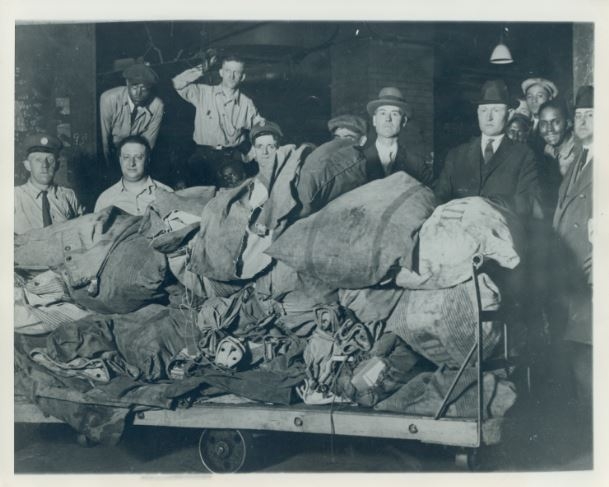
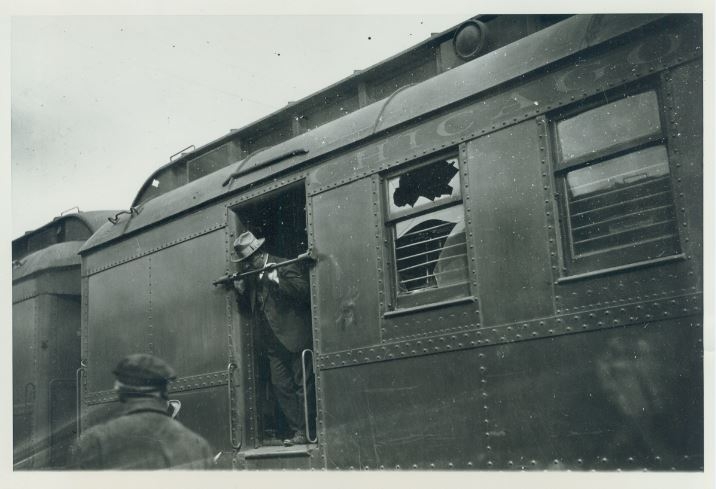
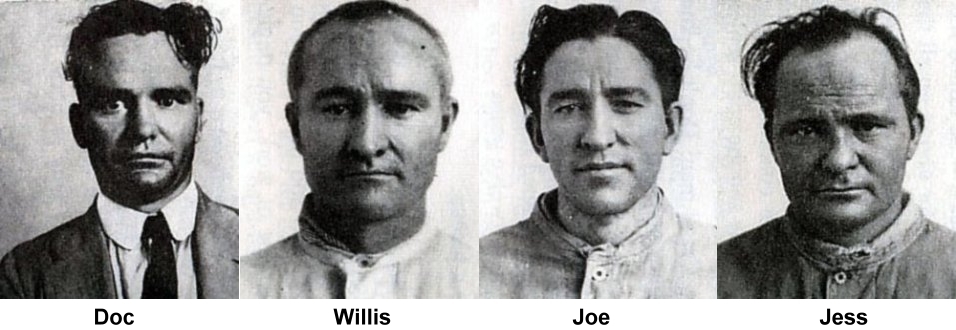
The 1924 Rondout Train Robbery: Largest Train Heist in American History The 1924 Rondout train robbery is the largest and most lucrative train heist in United States history. On June 12, 1924, a mail train operated by the Chicago Milwaukee St Paul and Pacific Railroad, called the Fast Mail, was stopped near Rondout Illinois, 30 miles north of Chicago. Six criminals carried out the robbery using inside knowledge from corrupt United States Postal Inspector William J Fahy, later convicted. Fahy knew train schedules, mail car layouts, and security procedures, enabling the robbery. The gang was led by brothers Willis, Jess, and Doc Newton of the Newton Gang. Willis and Doc boarded the northbound train leaving Chicago, forcing the engineer and fireman at gunpoint to stop near Rondout where four accomplices waited in automobiles. The robbers confronted crew and mail clerks using weapons and 12 tear gas smoke bombs to force compliance. They removed 45 mail sacks containing $2,137,000 in cash, money orders, securities, and valuables, equivalent to roughly $38,000,000 today. Each sack contained thousands of items including registered letters, small gold shipments, business payrolls, and government bonds. The gang had maps of train routes and schedules, allowing them to know exactly where to stop the train for the ambush. A critical error occurred when the engineer stopped 400 feet past the planned ambush point, causing confusion. During the chaos, Doc Newton was shot 5 times by a fellow conspirator and critically wounded. Doc fled to a Chicago residence, drawing suspicion. Authorities quickly identified three gang members and Fahy, revealing the inside job. Fahy received a 25-year federal prison sentence, the only Postal Inspector convicted of mail theft. Authorities recovered most stolen funds, but some items, including rare securities and cash, were never found. A simple bronze marker now marks the exact spot of America’s greatest train heist. #USHistory #History #USA
You've reached the end!
Tag: USHistory - Page 7 | LocalAll