Tag Page Usa

#Usa
1776 Patriot

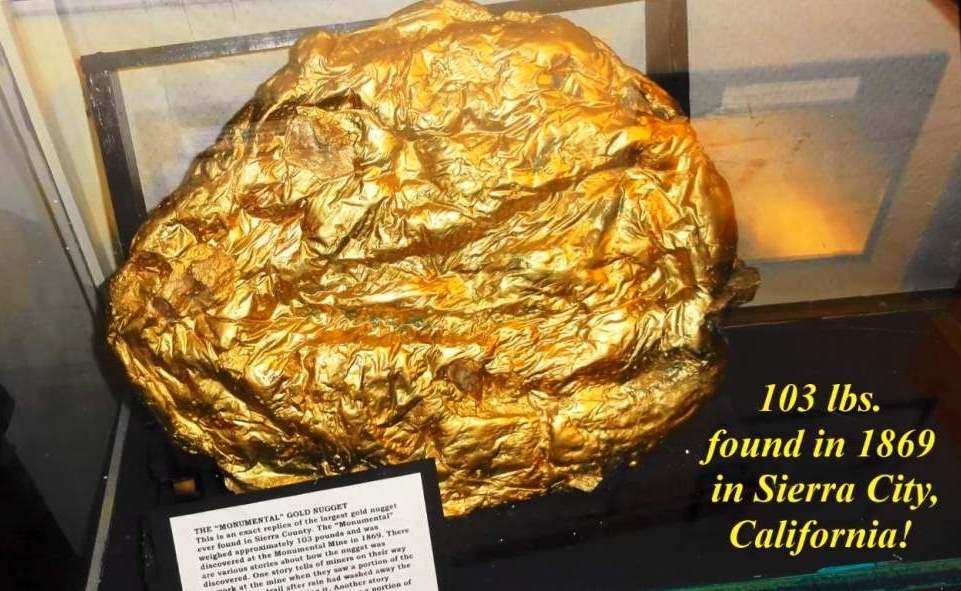
The Monumental Nugget: America’s Largest Gold Nugget In the high reaches of the Sierra Nevada, where rivers carve steep valleys and the land still carries the memory of the Gold Rush, one discovery outshone all others. This was the Monumental Nugget, nicknamed “The Sierra Buttes Treasure,” unearthed in 1869 near Sierra City, California. The nugget weighed an astounding 103 pounds in raw form and contained about 82 pounds of pure gold. To visualize it, the nugget was heavier than an average eight-year-old child and larger than most bowling balls. The crew that discovered it had been working a claim with only modest returns. While clearing old gravel, one miner struck something unusually heavy. As they uncovered it, they realized the nugget was so large they needed several men to lift it. News spread rapidly, and miners from surrounding camps trekked miles to see the historic find. Local towns celebrated for days, and merchants saw a sudden rush of curious visitors eager to glimpse the treasure. Large gold nuggets are exceedingly rare because gold generally forms in thin veins. Natural erosion, pressure, and chemical changes break larger masses into smaller flakes over time. Experts estimate that fewer than one in many millions of nuggets exceeds twenty pounds. By comparison, the Dogtown Nugget at 54 pounds and the Carson Nugget at 45 pounds were enormous but still far smaller than the Monumental Nugget. Most modern prospectors recover only small pieces weighing ounces, making finds like this almost legendary. The Monumental Nugget was eventually melted down for its gold value, a fate common to historic nuggets. Even without the original piece, its story endures as a testament to the extraordinary surprises that once lay hidden in the American frontier and the enduring allure of striking it rich. #GoldRush #FoundTreasure #America #USA #History #USHistory #Science

1776 Patriot

From The Farm to the Field: Inside CIA Covert Operations Training

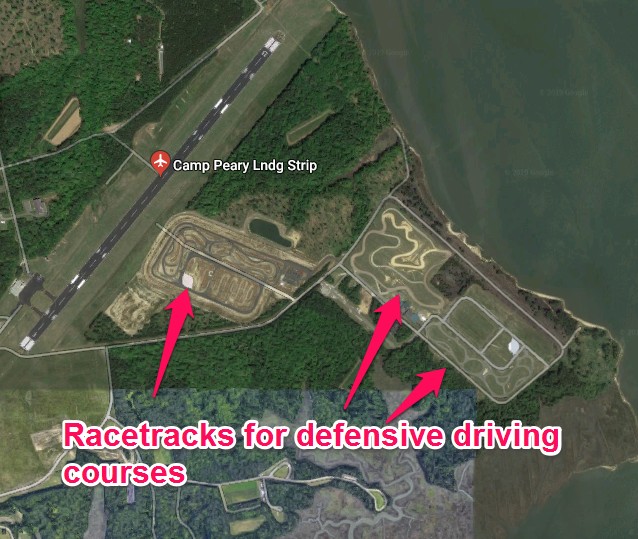
Camp Peary, known as "The Farm," is a clandestine CIA training facility in Williamsburg, Virginia, covering roughly 9,000 acres. Officially an Armed Forces Experimental Training Activity, it operates under the Department of Defense while its CIA role remains unacknowledged. Originally a 1942 military base, it was converted in 1951 to train operatives for operations in politically hostile or restricted regions. The centerpiece is the Denied Area Course, a six-month program simulating missions in territories where U.S. presence is prohibited. It is called “Denied Area” because trainees operate in environments where access is forbidden or dangerous, requiring stealth, improvisation, and complete operational secrecy. Exercises include navigating urban areas under surveillance, infiltrating mock foreign compounds, and conducting clandestine meetings. Trainees practice evasion from simulated hostile forces, rooftop and subway movements, and covert observation techniques. Daily routines incorporate firearms drills, close-quarters combat, defensive driving, lock-picking, and improvised entry tactics. Survival training includes wilderness navigation, procuring food and water, and enduring extreme weather while maintaining cover. Psychological resilience is tested through continuous stress scenarios, including simulated capture, interrogation, and live-action decision-making under time pressure. Trainees must respond accurately with minimal information, fostering adaptability and mental toughness. The Farm’s structured classrooms support language training, cryptography, and intelligence analysis, while specialized mock villages allow operatives to rehearse extraction and tradecraft in realistic settings. Though largely secretive, Camp Peary shapes operatives capable of performing complex espionage globally. Its blend of physical, tactical, and psychological training ensures recruits are prepared for both intellectual and operational dangers. #Military #USA #USMilitary
From The Farm to the Field: Inside CIA Covert Operations Training
Abraham Lincoln

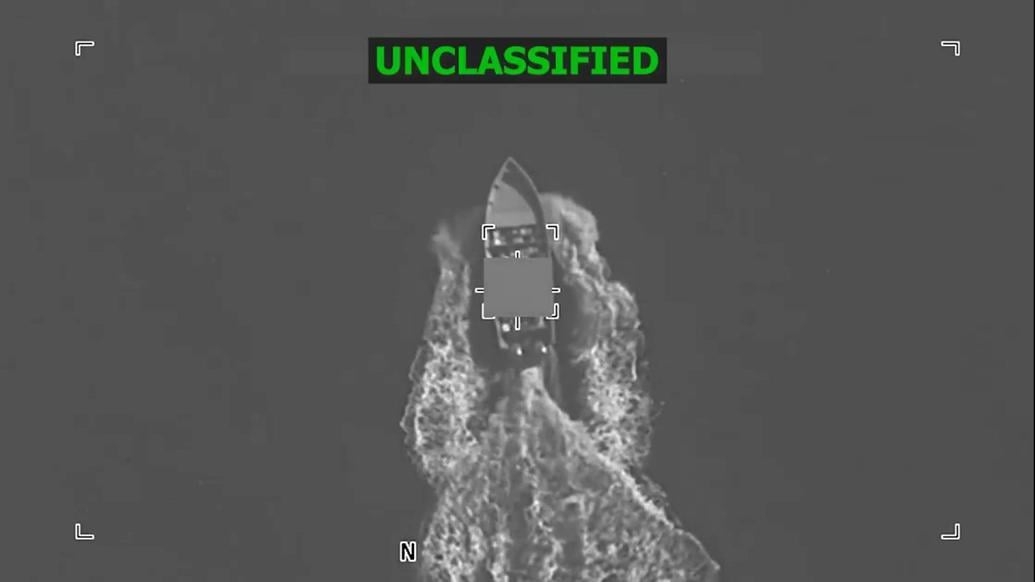
The loss of life in any action is a matter of the gravest concern, and none should ever speak lightly of it. Human life is sacred, and the sorrow of its taking weighs heavily upon the conscience of a free people and their leaders alike. Yet we must consider the circumstances and the authority granted by the Constitution. Vessels engaged in narcotics trafficking upon the high seas, proven to resist lawful orders and endanger officers and the public, present a pressing threat. Many such networks, including those linked to the Tren de Aragua, designated as a terrorist organization by the State Department, operate with violence and impunity. The Constitution grants Congress authority to regulate commerce and provide for the common defense, while entrusting the President, as Commander in Chief, to enforce the laws of the Union and protect its citizens. In my own time, we faced similar solemn duties. Just as the suppression of the Whiskey Rebellion demanded the measured enforcement of law to preserve the Union and protect the citizenry, modern law enforcement at sea may require decisive action when inaction would imperil lives. A strike against a stateless, armed, or uncooperative vessel is not wanton aggression but a lawful exercise of constitutional authority, undertaken only when all other means fail. Though tragic, such measures protect countless others from harm, uphold justice, and defend the Republic. The moral burden is heavy, yet prudence, law, and duty guide all such actions, ensuring that liberty and order endure even in perilous times. #America #USA #History #USHistory #Prosperity #Truth #Freedom

1776 Patriot

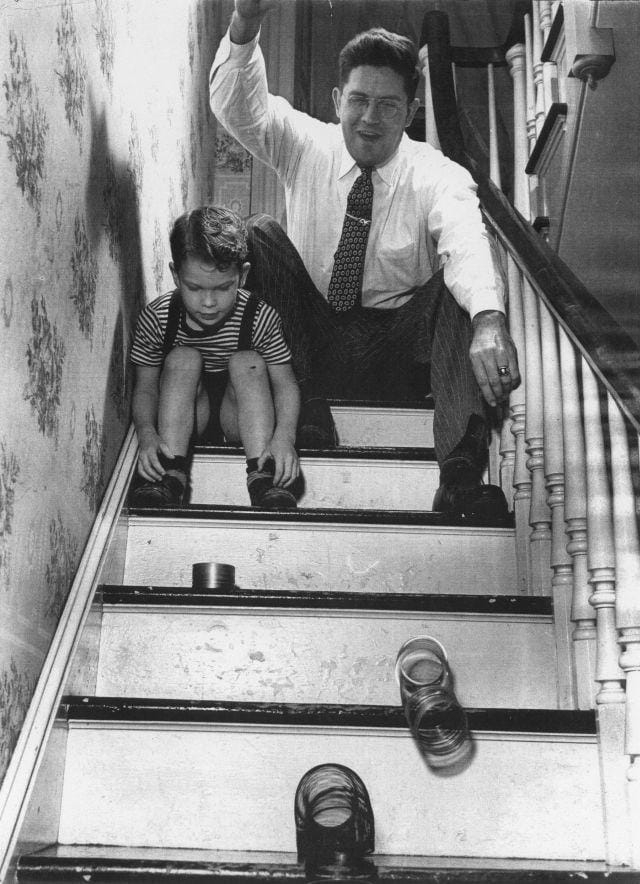
WWII Walking Wonder: The Untold Story of the Slinky In 1943, naval engineer Richard James was working in his Philadelphia workshop on tension springs meant to stabilize sensitive instruments aboard battleships during World War II. While adjusting a spring, it slipped from his hands and “walked” across the floor in a mesmerizing motion. James was astonished. He and his wife, Betty, immediately realized this accidental movement could be the basis for a playful invention. They experimented with dozens of prototypes, measuring how far springs could travel, how many flips they could make, and how quickly they could complete a descent. After testing hundreds of coils, they determined that a spring 2.5 inches in diameter made from high-grade Swedish steel produced the most consistent walking effect. Slight variations in coil thickness, tension, and length drastically changed the motion, and only about 2% of springs tested achieved the ideal “walk.” The war influenced materials and timing: steel was rationed, making their carefully sourced Swedish steel highly valuable, and small-scale production required meticulous hand-winding and testing. Post-war America’s shift to consumer goods in 1945 created the perfect market moment, allowing the Jameses to bring their invention to stores. Each original Slinky sold for $1, equivalent to roughly $17 today. Finally, they revealed the creation to the public: at Gimbels department store in Philadelphia, 400 units were displayed, and all sold within 90 minutes. By the early 1950s, Slinky was sold in over 30,000 stores nationwide, and more than 50 million units were purchased by 1960. Today, over 300 million Slinkys are sold annually worldwide, including metal, plastic, glow-in-the-dark, and themed editions like Disney and Star Wars. The toy also serves as an educational tool, demonstrating wave motion, gravity, and momentum in classrooms across the globe. #WWII #WWIIHistory #USHistory #History #America #USA #Military #Toys

You've reached the end!