Tag Page WWIIHistory

#WWIIHistory
LataraSpeaksTruth

On This Day 1944… Red Tail Escorts Over War Torn Europe

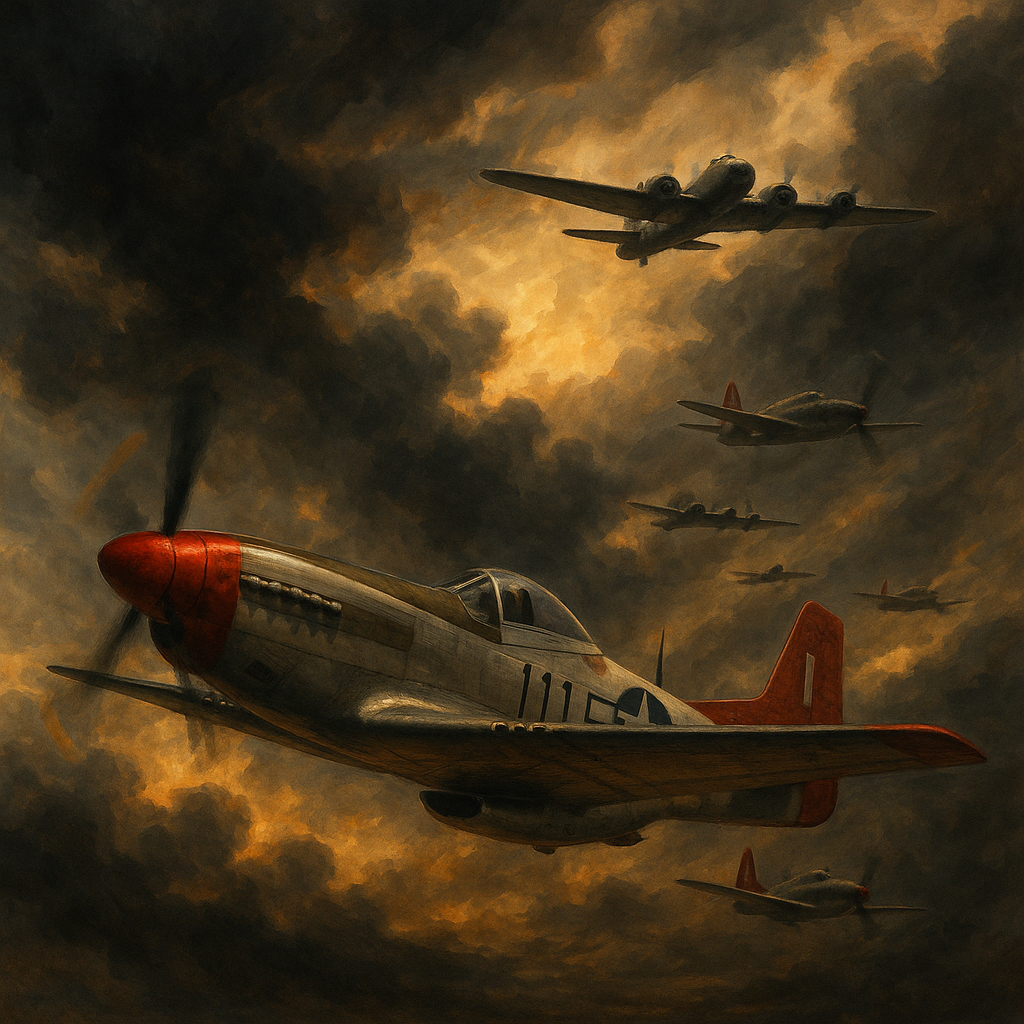
On this day in 1944, the Red Tail Angels carved their path across a cold European sky, lifting off from their base in Italy with the weight of duty and a world still arguing about their worth. The Tuskegee Airmen of the 332nd Fighter Group knew the routine. Take off. Climb. Form up. Guard the bombers like your life depends on theirs. It was the last big raid of the month, and the Fifteenth Air Force sent them straight toward the factories that fed the Nazi war machine. Waiting for them were German fighters, flak bursts that chewed through the clouds, and the constant reminder that history never gives out freebies. These pilots had trained in Tuskegee, Alabama, far from the glory people like to paste on wartime stories. They came from a segregated military that questioned them at every step, yet their performance in the air kept rewriting the script. By late 1944 their P 51s carried bright red tails that bomber crews could spot at a glance. That flash of color meant protection. It meant discipline. It meant someone out there cared enough to hold formation tight when fear tried to pull everything apart. The 332nd flew more than one hundred seventy heavy bomber escort missions before the war ended, losing fewer bombers than many other groups in the same theater. That record was not luck. It was focus, grit, and a stubborn belief in doing the job right even when the country they served made them fight two battles at once. Every mission kept more names off casualty lists and pushed the United States toward the integration that finally came after the war. Remember this November mission as a reminder that real change often shows up in repetition. The same hard task. The same cold morning. The same promise to bring as many people home as possible. That is how legacies are built, one flight at a time. #TuskegeeAirmen #RedTailAngels #WWIIHistory #MilitaryHistory #AviationHistory #332ndFighterGroup #HistoryMatters #AmericanHistory #LataraSpeaksTruth

On This Day 1944… Red Tail Escorts Over War Torn Europe
LataraSpeaksTruth

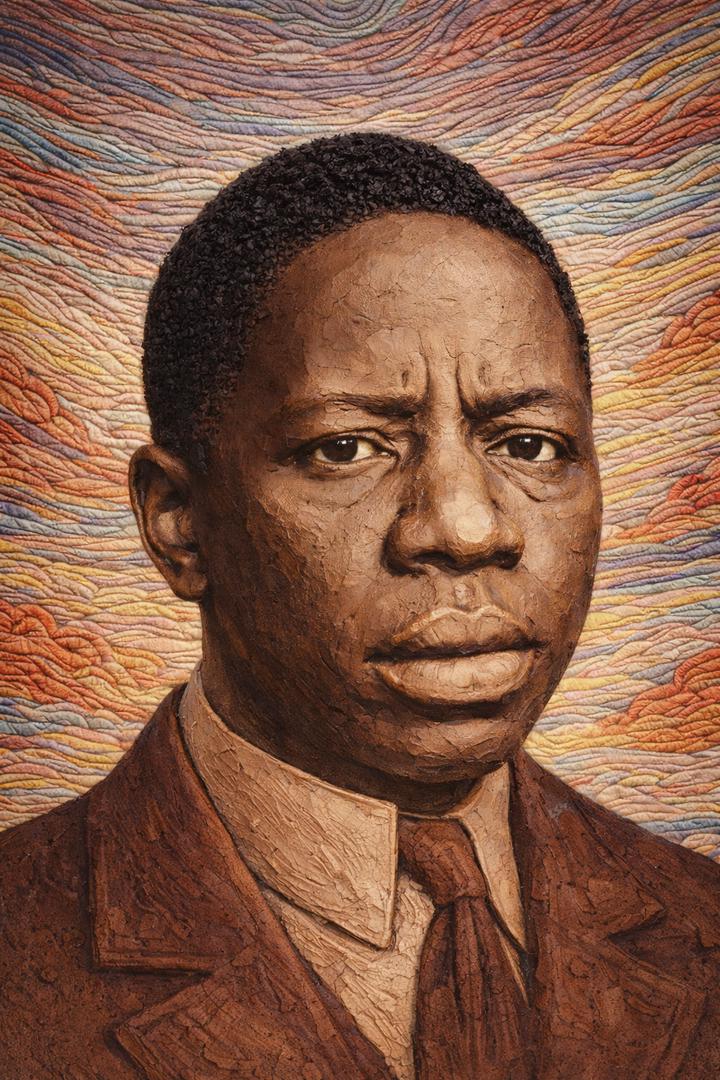
On March 8, 1943, Private George Watson of the U.S. Army’s 29th Quartermaster Regiment was aboard the U.S. Army Transport Jacob near Porlock Harbor, New Guinea, when enemy aircraft attacked during World War II. Bombs struck the ship and forced the men aboard into open water. What followed was confusion, fear, and a fight to survive. Some of the soldiers could not swim. Others were wounded, exhausted, or too panicked to make it to safety on their own. Private Watson had a chance to focus on himself. He did not. Instead, he stayed in the water and helped other soldiers reach a life raft. Witnesses later remembered that he repeatedly assisted men who were struggling, putting their lives ahead of his own. In the middle of disaster, he kept choosing service over self preservation. That choice cost him his life. As the ship sank, Watson was pulled beneath the surface and drowned after helping save several of his fellow soldiers. The men who survived did not forget what they saw. They remembered the soldier who stayed behind in the water so others could live. For years, his bravery was honored, but not with the nation’s highest military recognition. That finally changed in 1997, when Private George Watson was posthumously awarded the Medal of Honor. His story is not just about war. It is about character. It is about what a person does when fear is real, death is close, and there is still a chance to choose courage. George Watson made that choice again and again. He did not leave the water that day. But the men he helped did. And because they lived to tell it, his name still rises from the pages of history. #RepostWorthy #GeorgeWatson #MedalOfHonor #WWIIHistory #AmericanHistory #GoneButNotForgotten

LataraSpeaksTruth

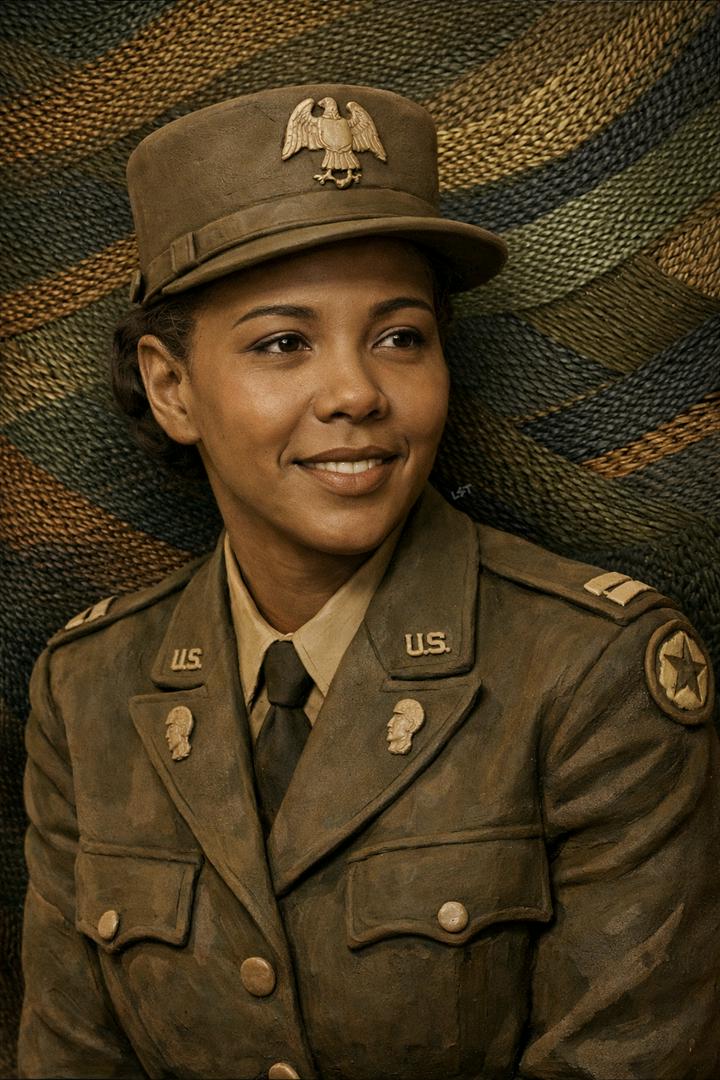
Charity Adams Earley did not quietly step into history. She walked into it wearing a uniform. Born in 1918 in North Carolina and raised in South Carolina, Charity Adams Earley came of age in a country where race and gender were often used to limit what a person could become. She refused to accept those limits. In 1942, she joined the Women’s Army Auxiliary Corps, later known as the Women’s Army Corps, and became part of the first class of Black women officers. During World War II, she rose through the ranks and was selected to lead the 6888th Central Postal Directory Battalion, known as the Six Triple Eight. This was the only all Black women’s Army unit sent overseas during the war. Their mission was urgent and enormous. Millions of letters and packages had piled up in Europe, leaving American troops waiting for word from home. Under Adams Earley’s leadership, the battalion worked in harsh conditions in England and later France. They sorted and redirected mail around the clock with speed, discipline, and precision. The unit cleared the backlog in far less time than expected, helping restore morale for troops fighting far from home. By the end of the war, Charity Adams Earley had become the highest ranking Black woman officer in the U.S. Army during World War II. Her story is not about opinion or internet debate. It is about documented service, proven leadership, and a woman who handled a wartime crisis with excellence. Charity Adams Earley did her job, led her unit, and left a record that still stands. #OurHistory #CharityAdamsEarley #6888th #MilitaryHistory #WWIIHistory #LataraSpeaksTruth

1776 Patriot

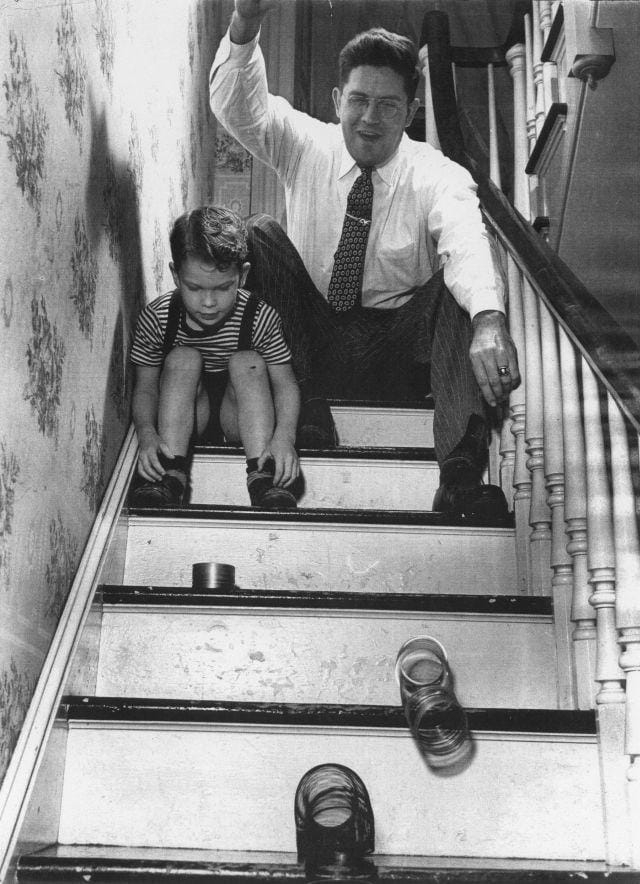
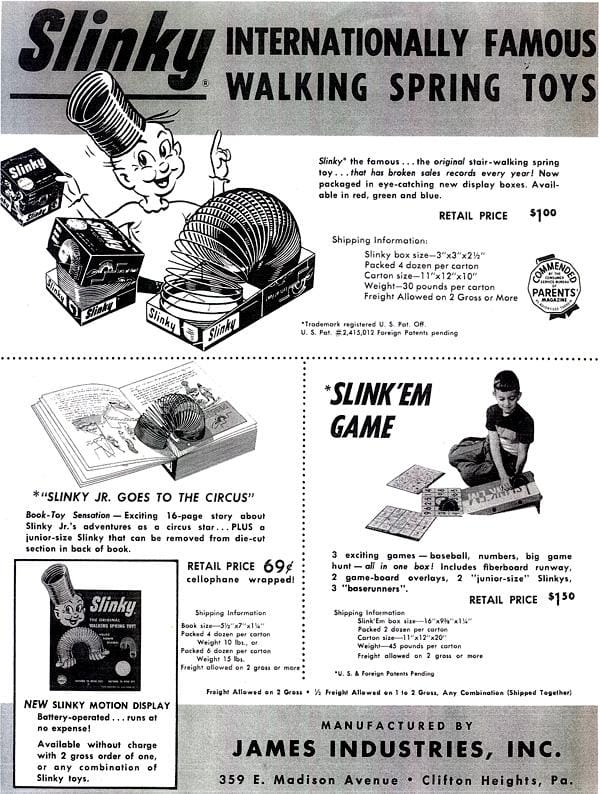
WWII Walking Wonder: The Untold Story of the Slinky In 1943, naval engineer Richard James was working in his Philadelphia workshop on tension springs meant to stabilize sensitive instruments aboard battleships during World War II. While adjusting a spring, it slipped from his hands and “walked” across the floor in a mesmerizing motion. James was astonished. He and his wife, Betty, immediately realized this accidental movement could be the basis for a playful invention. They experimented with dozens of prototypes, measuring how far springs could travel, how many flips they could make, and how quickly they could complete a descent. After testing hundreds of coils, they determined that a spring 2.5 inches in diameter made from high-grade Swedish steel produced the most consistent walking effect. Slight variations in coil thickness, tension, and length drastically changed the motion, and only about 2% of springs tested achieved the ideal “walk.” The war influenced materials and timing: steel was rationed, making their carefully sourced Swedish steel highly valuable, and small-scale production required meticulous hand-winding and testing. Post-war America’s shift to consumer goods in 1945 created the perfect market moment, allowing the Jameses to bring their invention to stores. Each original Slinky sold for $1, equivalent to roughly $17 today. Finally, they revealed the creation to the public: at Gimbels department store in Philadelphia, 400 units were displayed, and all sold within 90 minutes. By the early 1950s, Slinky was sold in over 30,000 stores nationwide, and more than 50 million units were purchased by 1960. Today, over 300 million Slinkys are sold annually worldwide, including metal, plastic, glow-in-the-dark, and themed editions like Disney and Star Wars. The toy also serves as an educational tool, demonstrating wave motion, gravity, and momentum in classrooms across the globe. #WWII #WWIIHistory #USHistory #History #America #USA #Military #Toys

You've reached the end!