Tag Page WildlifeConservation

#WildlifeConservation
Zack D. Films

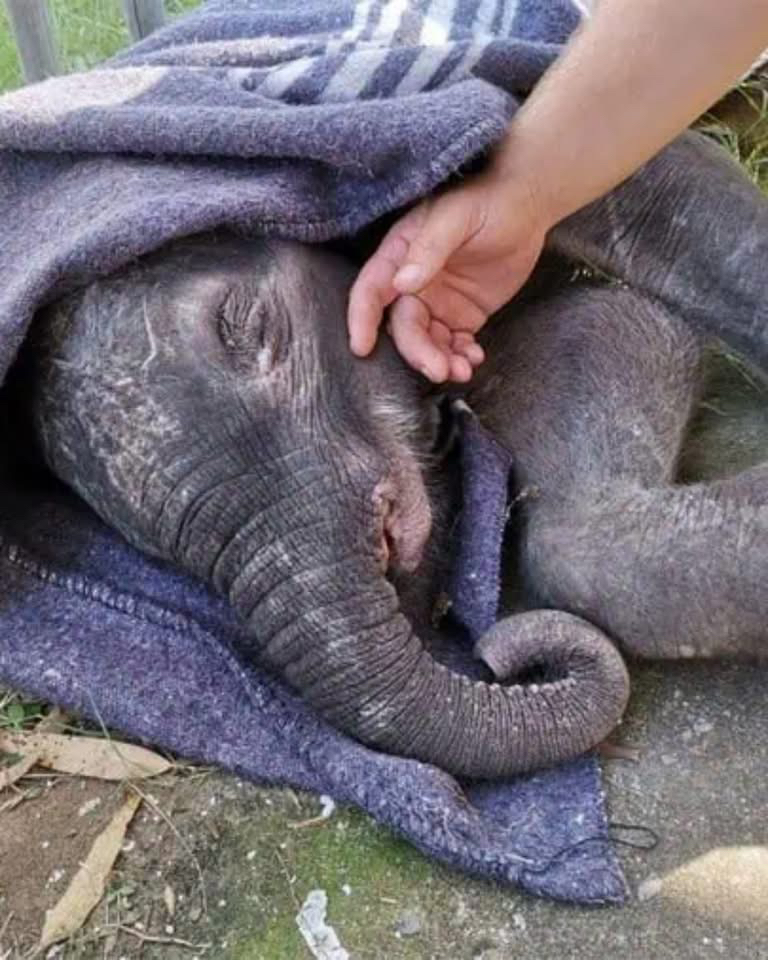
She was just three months old — weak, frightened, and utterly alone. For three days, the tiny elephant calf wandered through the wild, searching for a herd that would never return. Hungry and exhausted, she was near collapse when villagers spotted her and called for help. Within hours, rangers, veterinarians, and rescue pilots rushed to her aid. When they found her, she was barely breathing — her body dehydrated, her eyes dull with pain. Fresh milk was airlifted in, fluids were given, and slowly, miraculously, her breathing steadied. Every small sign — a flick of her trunk, a twitch of her ear — became a moment of celebration. They named her Maputo, after the land that nearly took her but now had given her a second chance. Soon, she’ll be transferred to a care facility in South Africa, where she’ll grow strong enough to return to the wild. Her rescue was more than the saving of one life — it was proof that compassion still crosses borders, and that even in the harshest corners of nature, humanity can still choose to protect, not destroy. #animals #elephant #elephantlove #rescue #humanity #kindness #kindnessmatters #wildlife #wildlifeconservation #storytime #wholesome

Zack D. Films

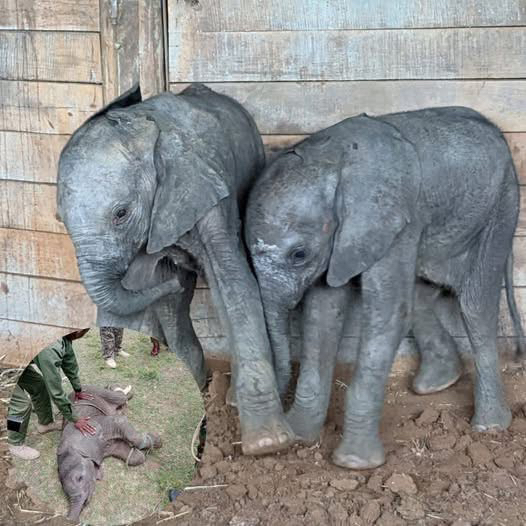
In an amazing feat, three baby elephants have been rescued safely after being abandoned by their families, the youngest less than a month old — Happened Next Will Melt Your Heart In an extraordinary rescue on the Zambia–Malawi border, three baby elephants were saved after being separated from their herds during a human-elephant conflict. Rangers first reunited one calf with its family using satellite tracking, a rare success story. But two others — one barely a month old — were found days later, one trapped in a ditch with a machete wound and the other wandering near a clinic. Too weak for the long road journey, they were flown to Lusaka in a small plane, lying on mattresses with “elephant seat belts” and comforted by keepers throughout the flight. Now named "Kasungu" and "Lumezi", the calves are receiving 24-hour care at the Elephant Nursery in Lusaka National Park. While Kasungu is recovering well, Lumezi remains fragile. Their rescuers continue to work tirelessly, hoping both will one day grow strong enough to return to the wild where they truly belong. #animals #elephantlove #elephant #elephantsanctuary #babyelephants #lovestory #kindnessmatters #humanity #wildlife #WildlifeConservation #efforts #HopeAndHealing #storytime #wholesome

Zack D. Films

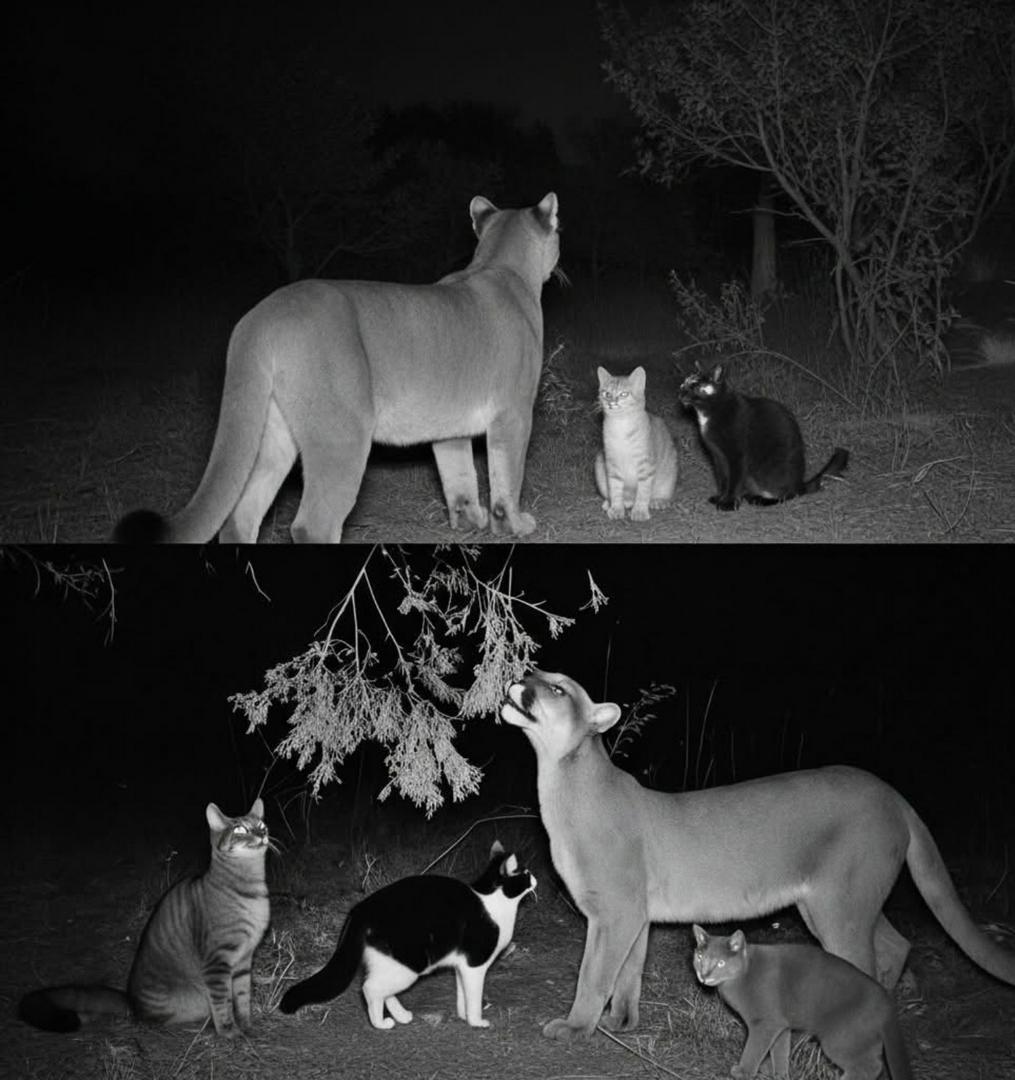
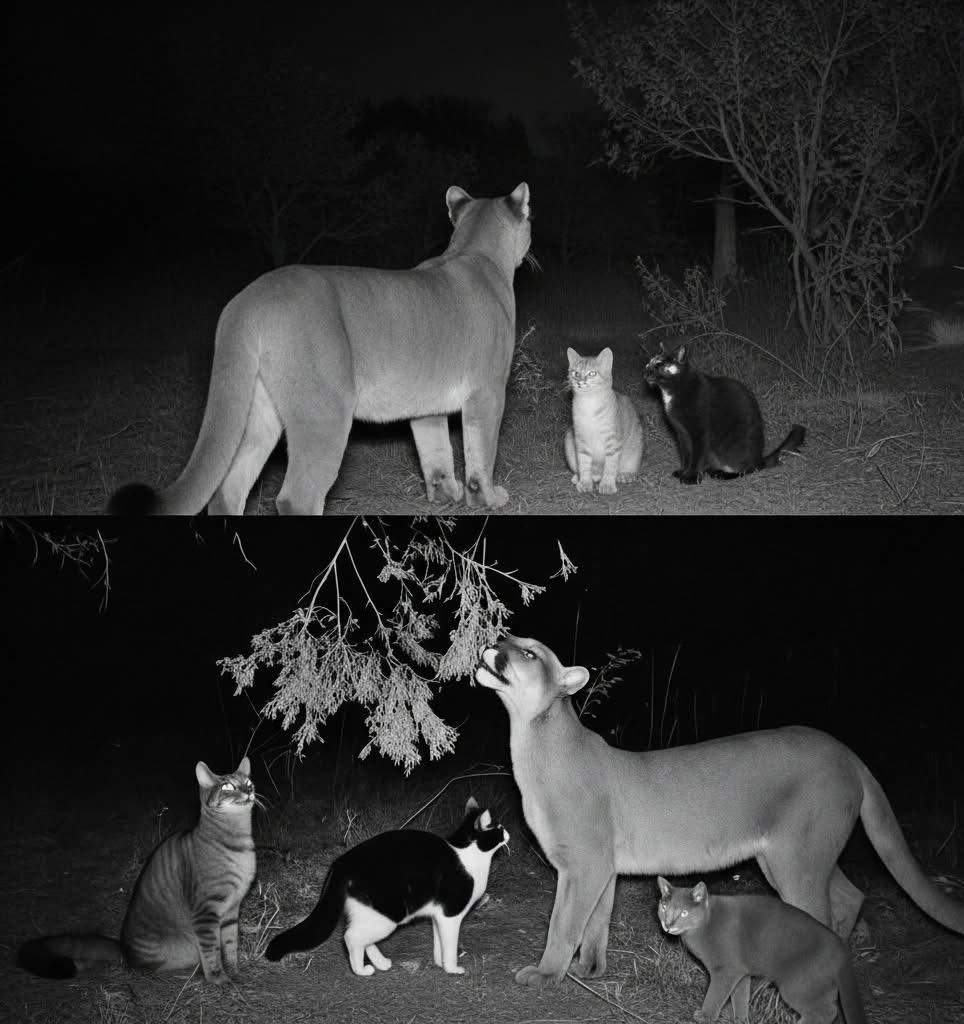
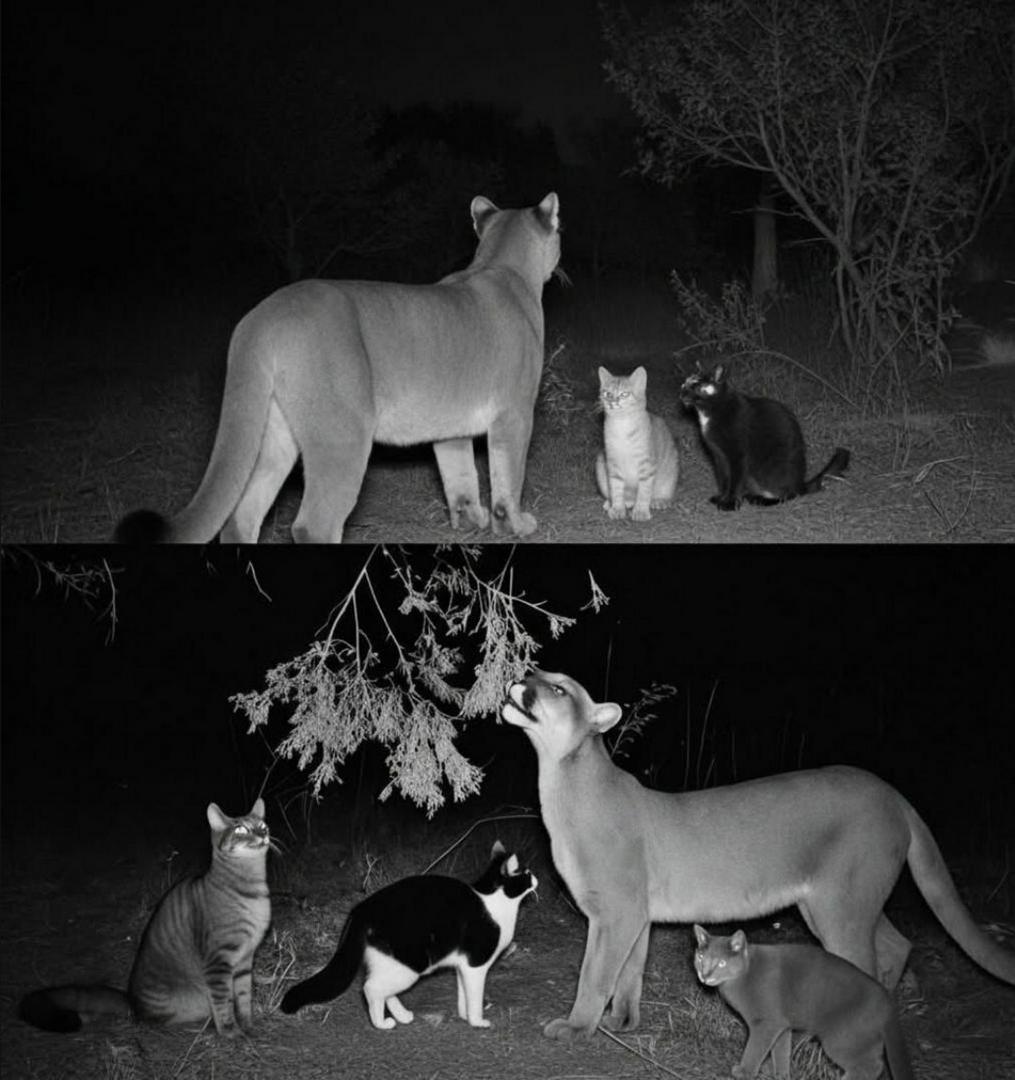
In a small mountain town, worry began to spread when cats started disappearing — first one, then another, and by the end of the week, a third was gone. Around here, cats didn’t just vanish. They were either beloved house pets kept safely indoors, or outdoor cats who had grown up alongside the wilderness — careful, seasoned, and always aware of danger. Trail cameras were set up deep in the woods. What they captured stunned everyone: a mountain lion wasn’t hunting the cats — he was traveling with them. Almost as if he were forming his own pride. The story was later confirmed that when this lion was just a cub, he had been found abandoned. A colony of stray cats had taken him in — grooming him, playing beside him, and caring for him as one of their own. When he grew older, he returned to the wild… but never forgot his first family. Villagers often spotted him at sunrise resting on a rocky ledge surrounded by his cat companions, a peaceful scene that showed their lasting friendship. This rare story reminds us that family is not always about blood but about love, care, and the simple act of belonging. As one owner put it, smiling, “She’s living her dream — being a big cat. And that makes me happy.” #animals #wildlife #WildlifeConservation #cats #lions #lioncub #kindnessmatters #storytime #wholesome #wildlifestories

Zack D. Films

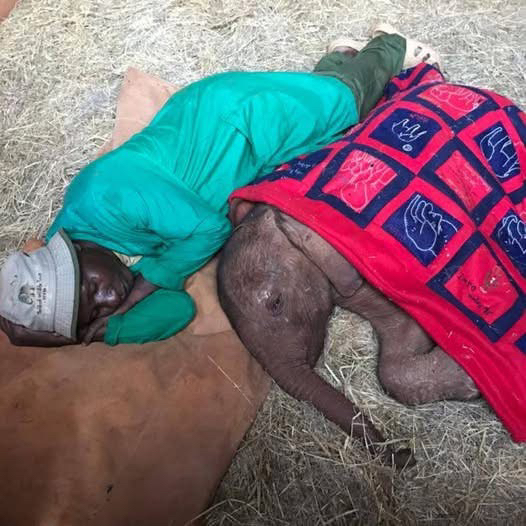
💙🐘“He Cried All Night for Mom… But What These Men in Blue Did Will Melt Your Heart!” A baby elephant cried all night after being separated from his mother — but he wasn’t alone. The dedicated caretakers from the David Sheldrick Wildlife Trust stayed by his side, comforting him through the night. These keepers treat every orphaned elephant like their own child — waking up every few hours to feed them,cover them with blankets when it’s cold, and make sure they feel safe. This keeper in an interview says : "It feels the same to me as having my own babies in the same room. It felt very similar as to when they (his children) were babies, waking up at all hours to feed and change them "🥹 The bond they share is deeply human; they even sleep near the elephants so the little ones never feel abandoned. One caretaker shared that it feels just like raising a newborn baby — the sleepless nights, the crying, and the small, heartwarming moments of connection. The elephants snore, dream, and sometimes even playfully wake their caretakers by pulling at their blankets with their trunks. Through this constant love and care, these orphaned elephants slowly learn to trust again — growing stronger each day, surrounded by the gentle warmth of their human family in blue.💙 #animals #elephantlove #elephant #elephantsanctuary #babyelephant #lovestory #kindnessmatters #humanity #wildlife #wildlifeconservation #efforts #HopeAndHealing #storytime

Zack D. Films

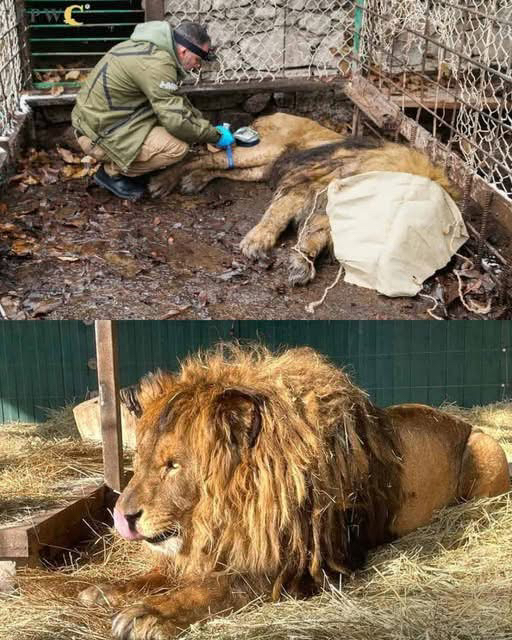
For most of his life, Ruben lived in silence. Once the star of a circus, he was left alone when the crowds vanished — trapped behind rusted bars, his roar swallowed by years of stillness. The only sounds were the hum of flies, the scrape of his breath, and the echo of what used to be freedom. Days blurred into years. He forgot the scent of grass, the warmth of wind, the music of other lions. Only in dreams did he run — his mane catching starlight, his voice lost in the night. Then one morning, the gate opened. Hands reached toward him — not to harm, but to free. Ruben stepped into sunlight for the first time in years. The ground was soft, the air alive. The earth spoke again, and slowly, so did he. At the sanctuary, he learned to walk, to rest, to trust. The wild returned to his eyes. But still — no roar. Weeks passed, then months. Silence clung to him like a shadow. Until one dawn. A distant call echoed across the plains — another lion’s voice, low and haunting. Ruben lifted his head. His chest rose. And from deep within, the sound came — trembling, then thunderous, rolling through the valley like the heartbeat of the earth itself. Ruben roared.And for the first time, the world listened. #animals #animallover #lions #lionking #saveanimals #wildlife #wildlifeconservation #storytime #wholesome

Zack D. Films

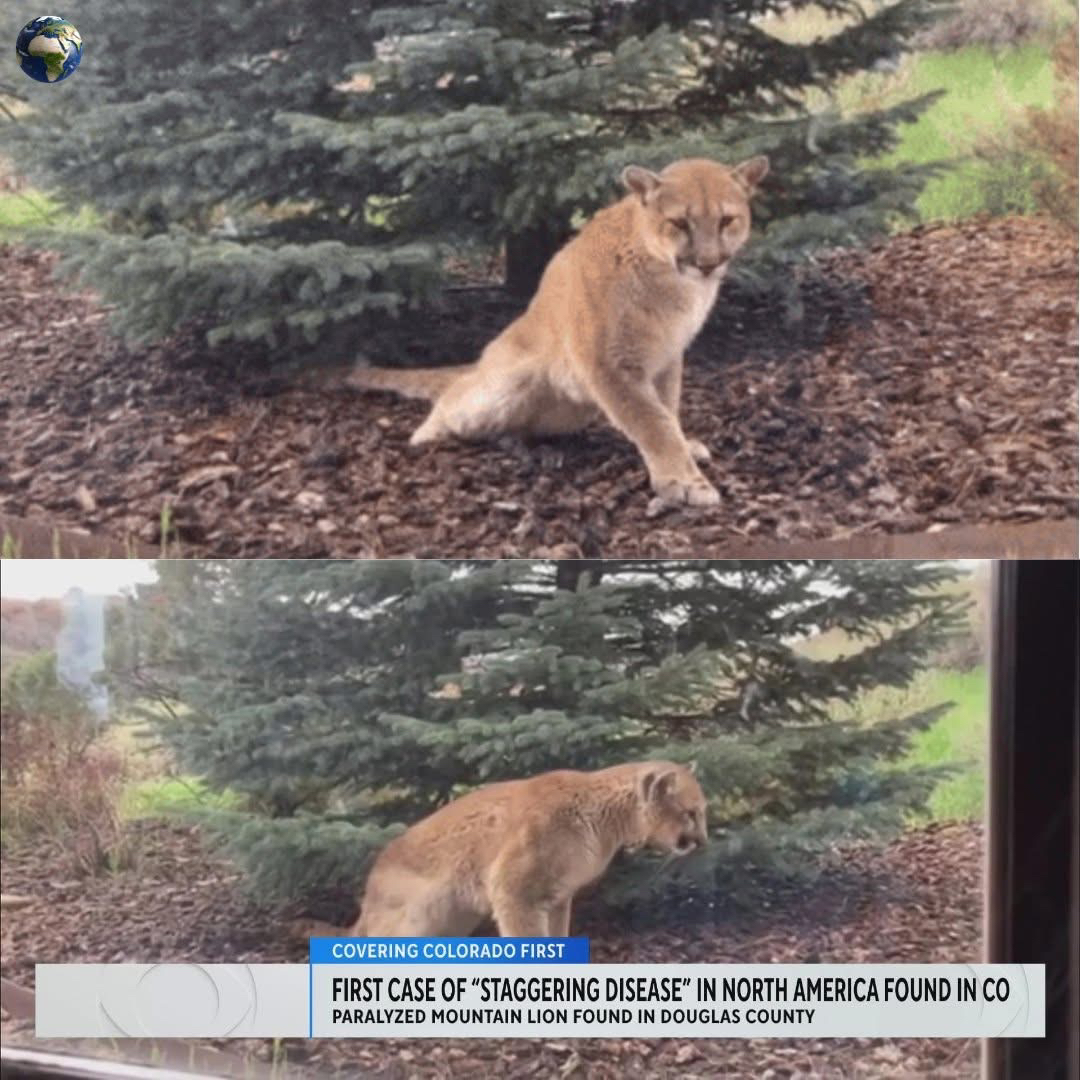
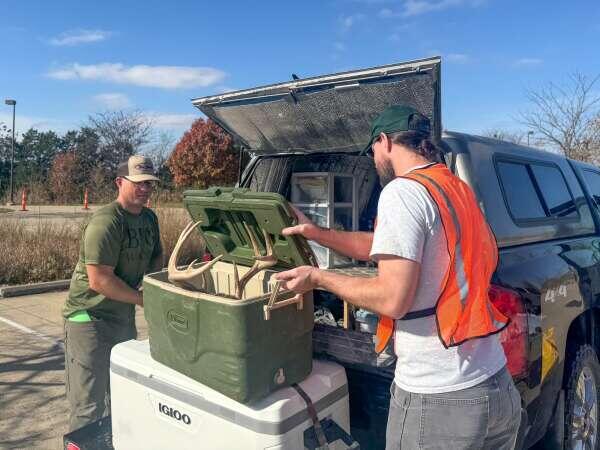
In the quiet hills of Douglas County, Colorado, residents watched in disbelief as a mountain lion struggled across a yard, its hind legs trembling, its body dragging through the dust. Wildlife officers arrived quickly, but it was clear the animal was suffering beyond recovery. They made the painful choice to end its life humanely — unaware that what came next would rewrite part of wildlife history. Tests later revealed something extraordinary. The big cat was infected with staggering disease, a rare and fatal neurological disorder caused by the rustrela virus — a virus never before detected in North America. Until now, it had only been found in European domestic cats and a few zoo animals, making this discovery both heartbreaking and groundbreaking. The virus attacks the brain and nervous system, causing disorientation, tremors, and the slow, stumbling movements that gave the illness its haunting name. For scientists, the case opens urgent questions: How did this pathogen cross continents? Could it already be spreading silently among wild species? For the people who witnessed the lion’s final moments, it was a scene of sorrow. For researchers, it was a warning — a glimpse of how fragile the boundary is between health and outbreak, wilderness and the unknown. Even in death, the mountain lion gave something back: knowledge that might protect others of its kind. Nature reveals its secrets in ways that break our hearts first. credit : Know Your Planet #wholesome #animals #animallover #saveanimals #wildlife #wildlifeconservation #EmotionalStory #lions

Zack D. Films

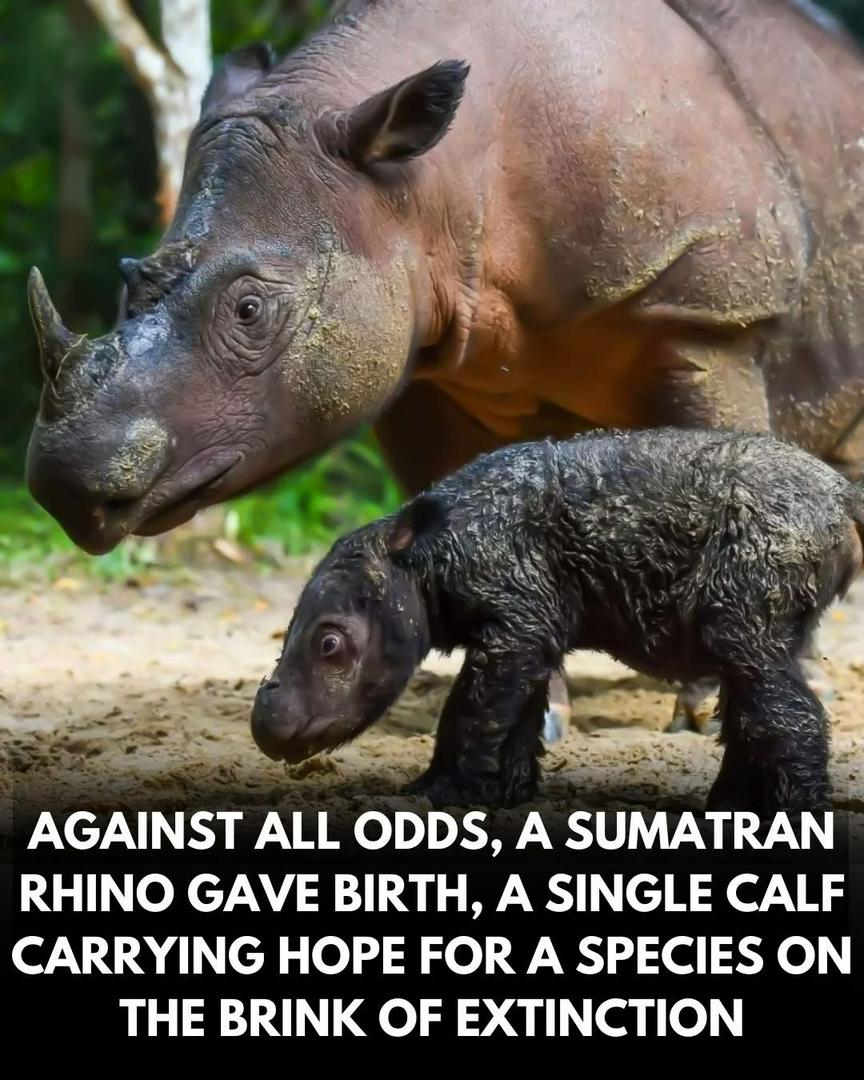
In a world where extinction headlines arrive far too often, this moment felt like a quiet miracle. A critically endangered Sumatran rhinoceros has given birth to her first calf—an event so rare it immediately captured the attention of conservationists worldwide. With fewer than 80 individuals believed to remain, every birth is more than good news. It is a lifeline. Sumatran rhinos are the smallest and most ancient of all living rhino species, survivors of a lineage that once spread across Asia. Covered in coarse hair and adapted to dense rainforest, they are elusive, solitary, and incredibly difficult to protect. Decades of habitat loss and historic poaching pushed them toward the edge faster than they could recover. That is what makes this birth extraordinary. Female Sumatran rhinos face serious reproductive challenges, especially after long periods without breeding. Many develop conditions that prevent pregnancy altogether. For a first-time mother to successfully carry and deliver a healthy calf is a major biological and conservation achievement. This calf represents more than a single new life. It reflects years of careful monitoring, veterinary expertise, protected habitat, and international cooperation. Managed breeding programs and safe sanctuaries remain among the last tools standing between survival and extinction. For conservation teams, this birth is proof that effort still matters—that protection can lead to recovery, even when the numbers feel impossibly small. For the species, the calf carries genetic diversity that could one day help stabilize a population teetering on the brink. This is not a guarantee of survival. The challenges ahead remain immense. But hope, like extinction, often begins with one moment. In this case, it began with new life. #wildlifeconservation #kindnessmatters 🌱🦏

Hatter Gone Mad

🐾🥚 THE PUGGLE PUZZLE: The Bizarre Beginnings of the Baby Platypus! ⚖️🏛️ Nature’s Oddball! 🦁🛡️ In the world of wildlife, few creatures are as delightfully confusing as the platypus. 🏛️📜 When a baby platypus, affectionately known as a puggle, enters the world, it starts life in a way that defies most mammalian rules. 🌊💎 Born from a small, leathery egg—one of only two mammals to do so—the puggle hatches in a state of total vulnerability: blind, hairless, and completely dependent on its mother. 📉🛡️ It’s a beginning more akin to a reptile than a furry forest-dweller. 🛰️✨ One of the most peculiar aspects of puggle life is how they eat. 🏗️🌊 Unlike other mammals, the mother platypus has no nipples. Instead, she secretes milk through specialized pores on her abdomen. 📉📈 The puggle simply laps up the milk as it pools on her skin or fur, a process that sounds strange but provides all the nutrients needed for growth. 🔬🧼 Because they spend their early months hidden deep within a complex system of riverside burrows, puggles are rarely seen by humans in the wild. 🌡️📈 Sadly, these "living fossils" face significant modern challenges. 🌡️📈 Habitat loss and climate change are shrinking the freshwater streams they call home. 🌡️📈 Conservationists are working hard to protect these unique habitats, as the platypus is a vital indicator of river health. 🌡️📈 By understanding the delicate life cycle of the puggle, we can better appreciate why protecting their environment is so critical. This news encourages us to celebrate the weird and wonderful parts of nature and to take action to ensure these shy, swimming enigmas thrive for centuries to come. A world with puggles is a much more interesting world! 🌈👑🙌✨ #Platypus #fblifestyle #Puggle #WildlifeConservation #NatureFacts #AustralianWildlife #Monotremes #AnimalBiology