Tag Page WomensHistory

#WomensHistory
LataraSpeaksTruth

Preserving Her Legacy: The Birth of the National Archives for Black Women’s History

Mary McLeod Bethune never stopped building. Long after she founded the National Council of Negro Women in 1935 she realized something deeper was missing. The voices of Black women who shaped America were scattered in pieces across the country. Letters diaries speeches photos and records of a people who had built schools led marches raised communities and lifted generations were at risk of being forgotten. So she took action again. Out of that vision came the National Archives for Black Women’s History in Washington D.C. The archive was created to collect preserve and share the stories of African American women whose impact was too often ignored by mainstream institutions. It became the first national archive devoted entirely to documenting the achievements struggles and leadership of Black women throughout American history. Bethune’s own papers and those of the National Council of Negro Women became the foundation. From there the collection grew to include photographs letters oral histories and rare documents from educators activists and community leaders who changed the world in quiet and powerful ways. The National Archives for Black Women’s History stands today as a home for memory. Every file and photograph reminds us that our stories matter and that progress has roots. Bethune believed that education and history go hand in hand. She wanted future generations to see the strength of Black women not just in the pages of history books but in the evidence of their own hands and voices. Her vision was clear. What we do must be remembered. And through this archive her legacy keeps every name every story and every victory alive. A woman who built schools also built a home for our memories. #BlackHistory #MaryMcLeodBethune #WomensHistory #NABWH #CommunityVoices #LegacyLivesHere

Preserving Her Legacy: The Birth of the National Archives for Black Women’s HistoryPreserving Her Legacy: The Birth of the National Archives for Black Women’s History
LataraSpeaksTruth

On January 7, 1891, Zora Neale Hurston was born, and from day one she refused to explain herself to anyone. Writer, folklorist, anthropologist, cultural archivist, Hurston did more than tell stories. She preserved Black Southern life at a time when America was determined to clean it up, water it down, or erase it completely. Born in Alabama and raised in Eatonville, one of the first all-Black incorporated towns in the United States, Hurston grew up surrounded by self-rule, language, humor, and folklore. That world shaped everything she wrote. While others debated how Black life should be portrayed, Hurston wrote it as it was. Musical. Messy. Funny. Painful. Proud. During the Harlem Renaissance, she stood apart because she refused to center her work around white comfort. She traveled throughout the South and the Caribbean collecting folktales, songs, and oral histories, treating everyday people as experts of their own lives. She captured speech, rituals, beliefs, and humor that scholars had dismissed for generations and proved they mattered. Her most famous novel, Their Eyes Were Watching God, centered the inner life of a Black woman when few believed that story deserved space. When it was published, it was criticized for being too Southern and not political enough. Time corrected that mistake. Today it stands as a cornerstone of American literature and a reminder that joy, love, and voice are political too. Hurston died in poverty in 1960 and was buried in an unmarked grave. Years later, her work was rediscovered and restored to its rightful place. Her legacy proves that truth does not always shout. Sometimes it survives quietly, waiting for the world to finally listen. #ZoraNealeHurston #January7 #BlackHistory #HarlemRenaissance #LiteraryHistory #AmericanWriters #HiddenHistory #WomensHistory #BlackLiterature #CulturalPreservation

LataraSpeaksTruth

January 25, 1972, was not a symbolic gesture. It was a declaration. On this day, Shirley Chisholm officially launched her campaign for President of the United States, becoming the first woman and the first Black person to seek the Democratic Party’s nomination. She announced her run from Brooklyn, New York, grounded in community rather than power corridors, knowing full well the political terrain was hostile by design. Chisholm didn’t run because the moment was welcoming. She ran because the moment was overdue. At the time, she was already a sitting member of Congress, elected in 1968 as the first Black woman to serve in the U.S. House of Representatives. Her campaign slogan, “Unbought and Unbossed,” wasn’t rhetoric. It was a warning. She refused to be owned by party machines, donors, or expectations placed on who leadership was supposed to look like. The barriers were relentless. Limited funding. Minimal media coverage. Resistance from within her own party. Even so, Chisholm appeared on ballots in 12 states and earned delegates at the Democratic National Convention. She forced the country to confront questions it had avoided for generations…who gets to lead, who gets heard, and who decides what is “realistic.” This campaign wasn’t about winning by traditional measures. It was about widening the door so others could walk through it without asking permission. Every serious conversation today about representation, access, and political courage traces back to moments like this one. Chisholm’s run shifted the rules by daring to exist at all. History doesn’t only move through victories. Sometimes it moves through audacity. January 25, 1972, was one of those days. #ShirleyChisholm #January25 #OnThisDay #PoliticalHistory #WomensHistory #AmericanHistory #UnboughtAndUnbossed #Trailblazer #Leadership #Representation

Hatter Gone Mad

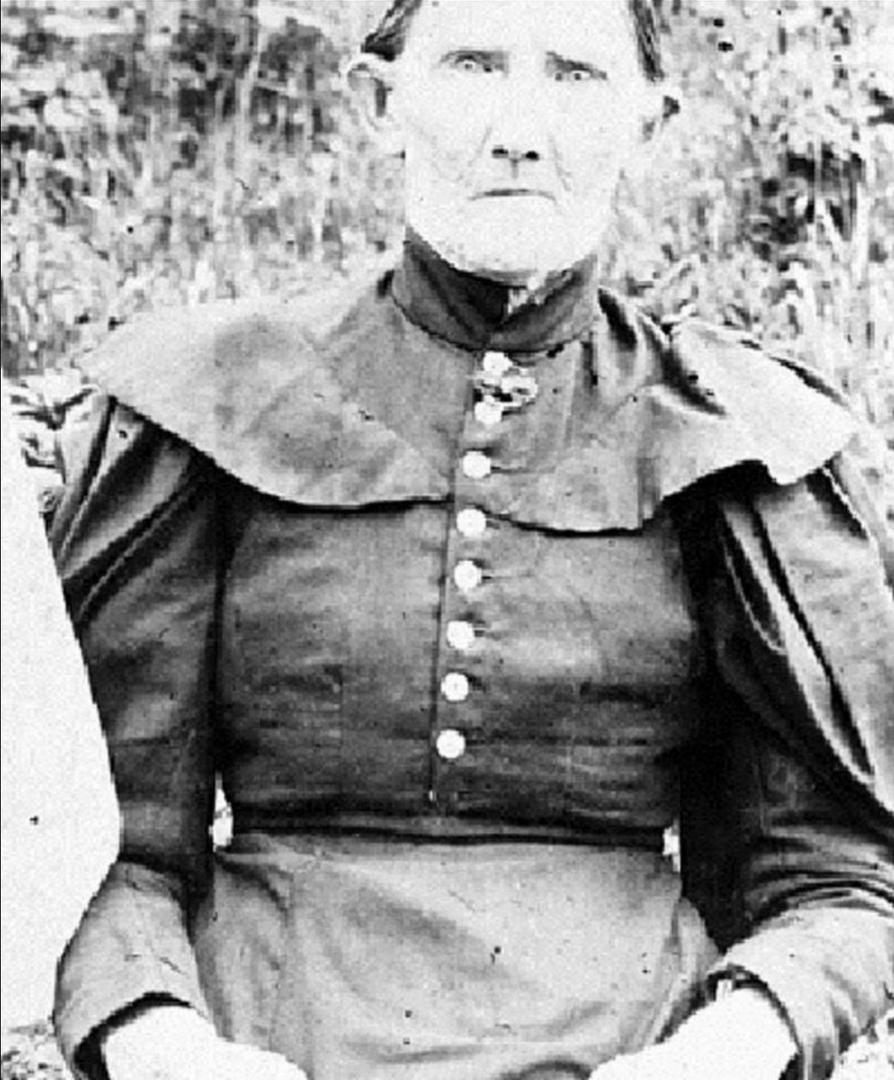
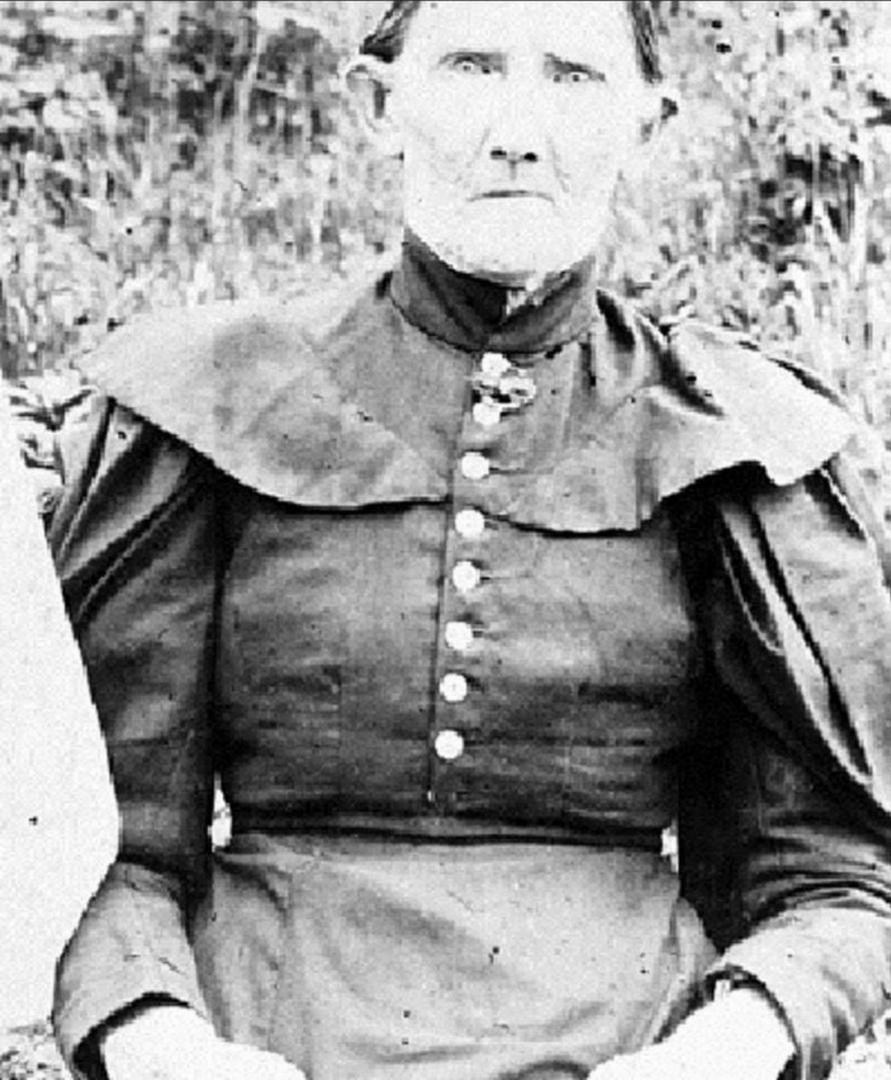
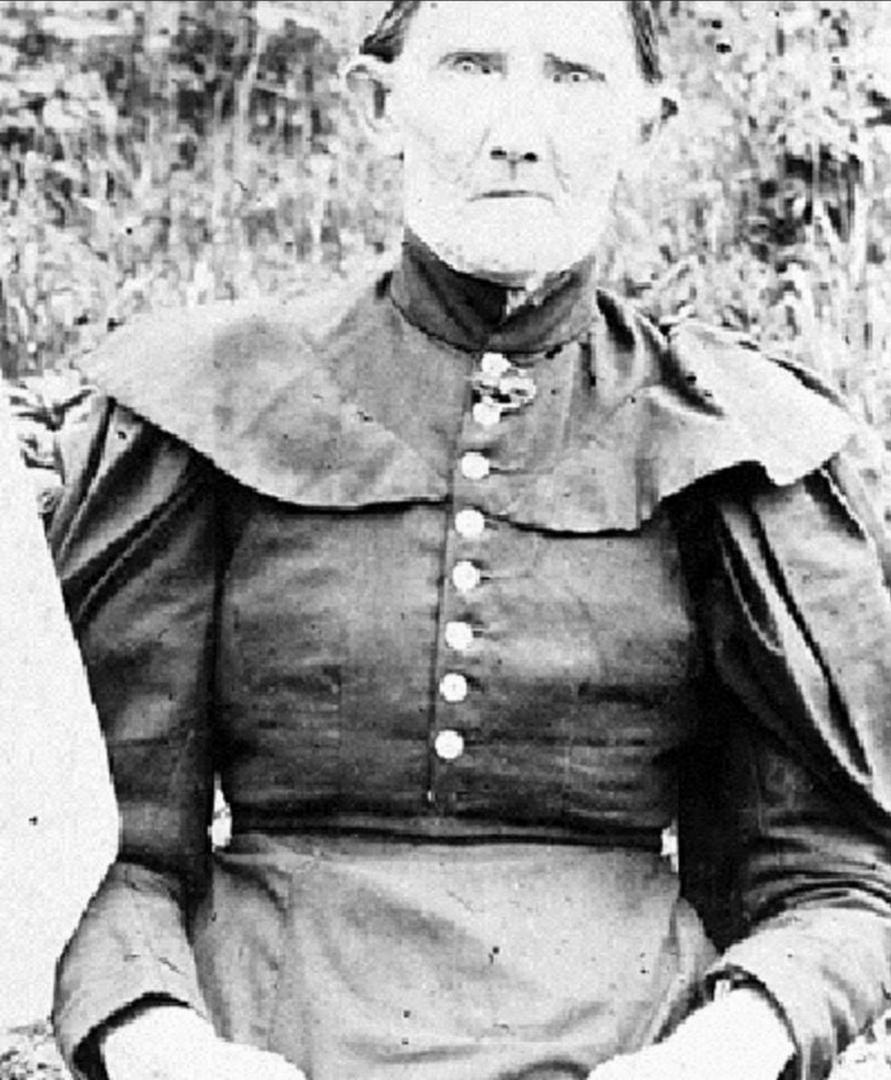
She buried twenty-four babies of her own, one small grave at a time, in the rocky soil of the Blue Ridge Mountains. Born around 1844 in North Carolina, Orlean Hawks Puckett married at sixteen and built a hard, isolated life near Groundhog Mountain, Virginia. In 1862 she gave birth to her first child, Julia Ann, and for seven months she knew joy—until diphtheria took her baby. Then it happened again. And again. Some babies lived hours. Some days. Some never breathed at all. None survived long enough to call her Mama. In an era with no answers, no medicine, and no mercy, Orlean carried a grief most people would not survive. Today we believe Rh disease caused the losses, but she could only bury her children and keep going. And then, around age fifty, when a neighbor went into labor and no one else could help, Orlean stepped forward. In that moment, she turned unimaginable loss into purpose. For the next fifty years, she walked miles through mountains and storms, never charging a penny, delivering babies in dirt-floor cabins with only her hands, her knowledge, and fierce determination. She delivered more than one thousand babies. She never lost a single mother. She never lost a single child. The woman who lost everything made sure no other mother had to. That is not just survival. That is transformation. That is choosing love after devastation, again and again, for a lifetime. #WomensHistory #fyp #courageous #didyouknow #AppalachianWomen #MidwifeLegacy

LataraSpeaksTruth

During the 1920s, the business empire built by Madam C. J. Walker was still expanding, even after her death in 1919. This mattered. At a time when economic opportunity for Black women was deliberately restricted, Walker’s company continued to operate, grow, and employ thousands. Her vision did not end with her life. It outlived her. Walker had built more than a beauty brand. She created a national system of training, sales, and ownership that allowed Black women to earn steady income, travel, and gain financial independence in an era that offered few legitimate paths to either. By the 1920s, her sales agents, often called Walker Agents, were operating across the country, supporting families and funding communities. This was not charity. It was structure. Walker believed economic power was a form of protection and dignity. Her company provided wages, business education, and leadership opportunities long before corporate America was willing to do the same. Many of the women employed through her system went on to buy homes, send children to school, and support civil rights organizations quietly and consistently. What made Walker’s legacy radical was its practicality. She did not argue theory. She built systems. In a decade defined by segregation, limited labor access, and social barriers, her company functioned as proof that economic independence was achievable when ownership and opportunity were placed directly in the hands of those excluded from both. The 1920s did not slow her impact. They revealed it. Long after her passing, Madam C. J. Walker’s business remained a working model of what happens when vision meets execution. #BlackHistory #BusinessLegacy #EconomicPower #WomensHistory #HiddenHistory

You've reached the end!