Tag Page WorkingClass

#WorkingClass
LataraSpeaksTruth

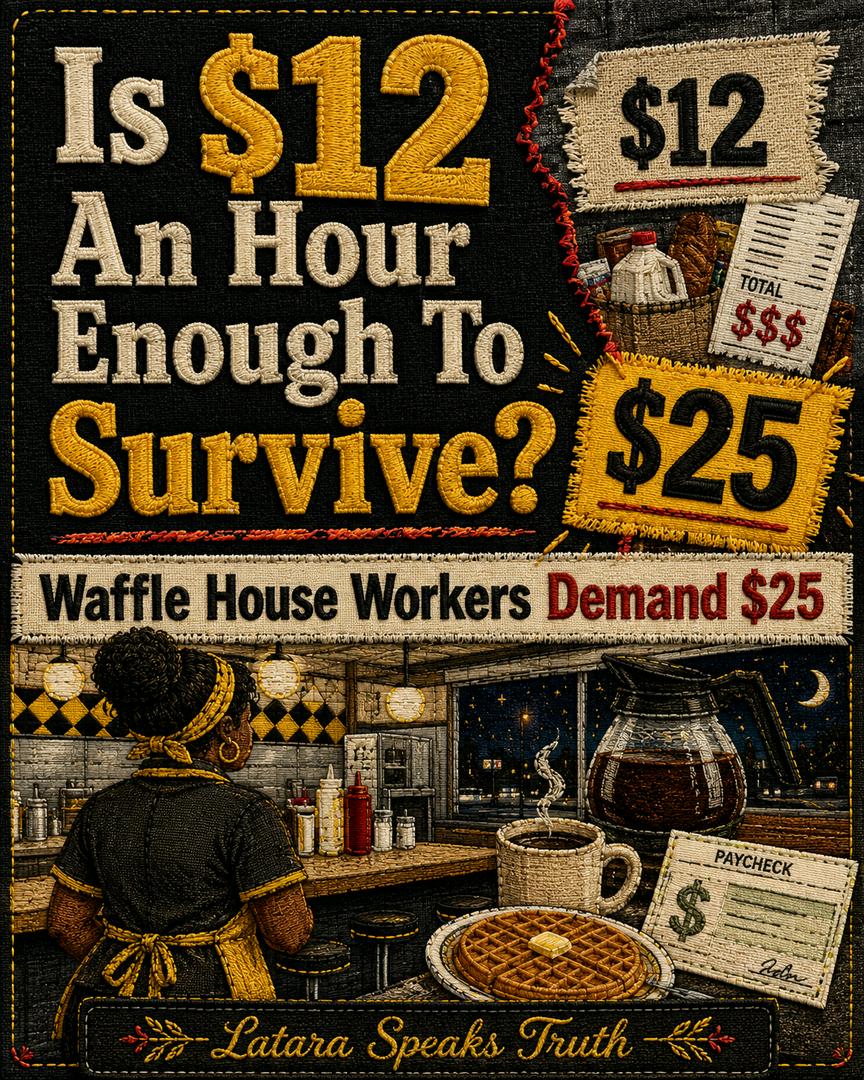
Waffle House workers in Atlanta are demanding $25 an hour, free meals or an end to meal charges, and better security. And somehow, the response from some people is, “College graduates don’t even make $25 an hour.” That is not the argument they think it is. If someone went to college, took on debt, earned a degree, and still makes less than $25 an hour, that does not prove Waffle House workers are asking for too much. It proves too many workers are being underpaid. One struggling worker should not be used as a weapon against another struggling worker. A person with student loans should not look at a food service worker and say, “You should struggle too.” That is not logic. That is misplaced frustration. The real question is not whether Waffle House workers deserve $25 an hour. The real question is how anybody is supposed to survive on $12 an hour in this economy. At $12 an hour, a full-time worker makes about $24,960 a year before taxes. That is before rent, food, transportation, utilities, insurance, childcare, medical needs, and emergencies. In metro Atlanta, MIT’s Living Wage Calculator lists the living wage for one adult with no children at $26.36 an hour. For one adult with one child, it is $40.90 an hour. So $25 an hour is not luxury money. It is survival money. And for the people saying nurses or college graduates do not make that much, be specific. Registered nurses nationally have a much higher median wage than $25 an hour. If some healthcare workers or college graduates are making less, that means their pay deserves questioning too. The answer to low wages is not to keep everybody low. Full-time work should not still leave people fighting to survive. Sources: Atlanta News First, MIT Living Wage Calculator, Bureau of Labor Statistics #WaffleHouse #WorkersRights #LivingWage #CostOfLiving #LaborRights #WorkingClass #PayPeopleFairly

Dashcamgram

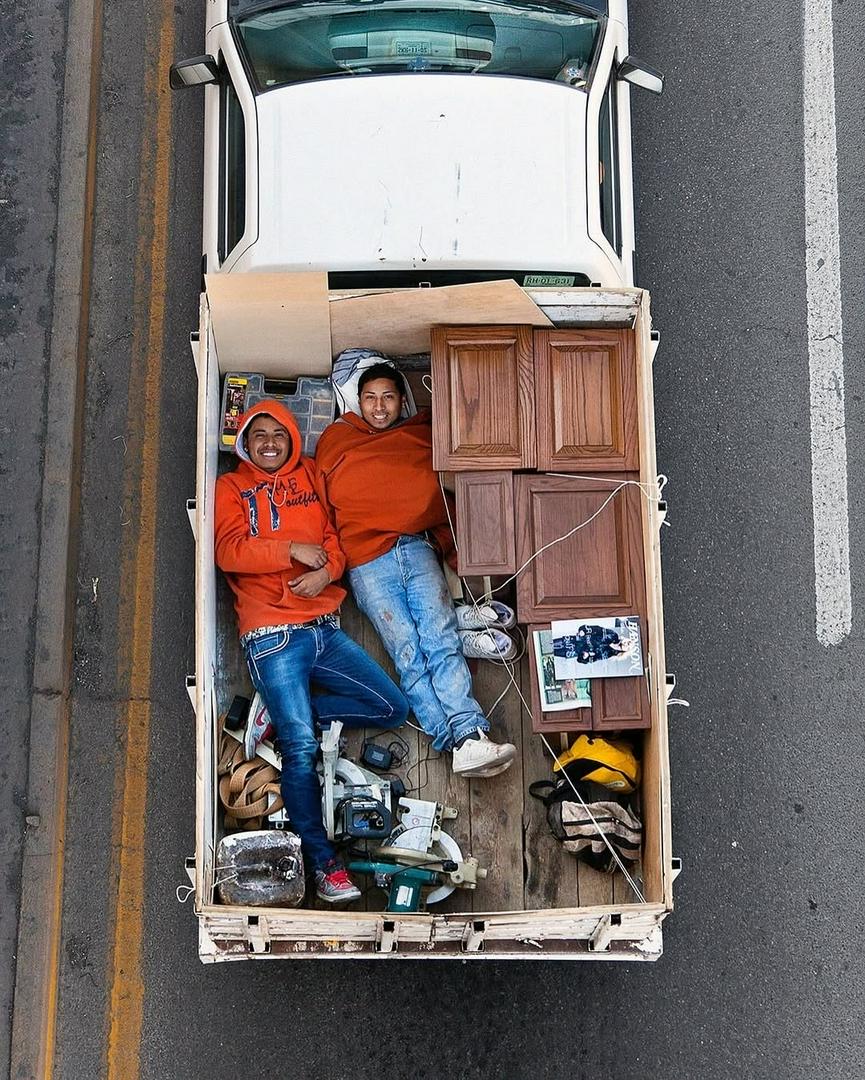
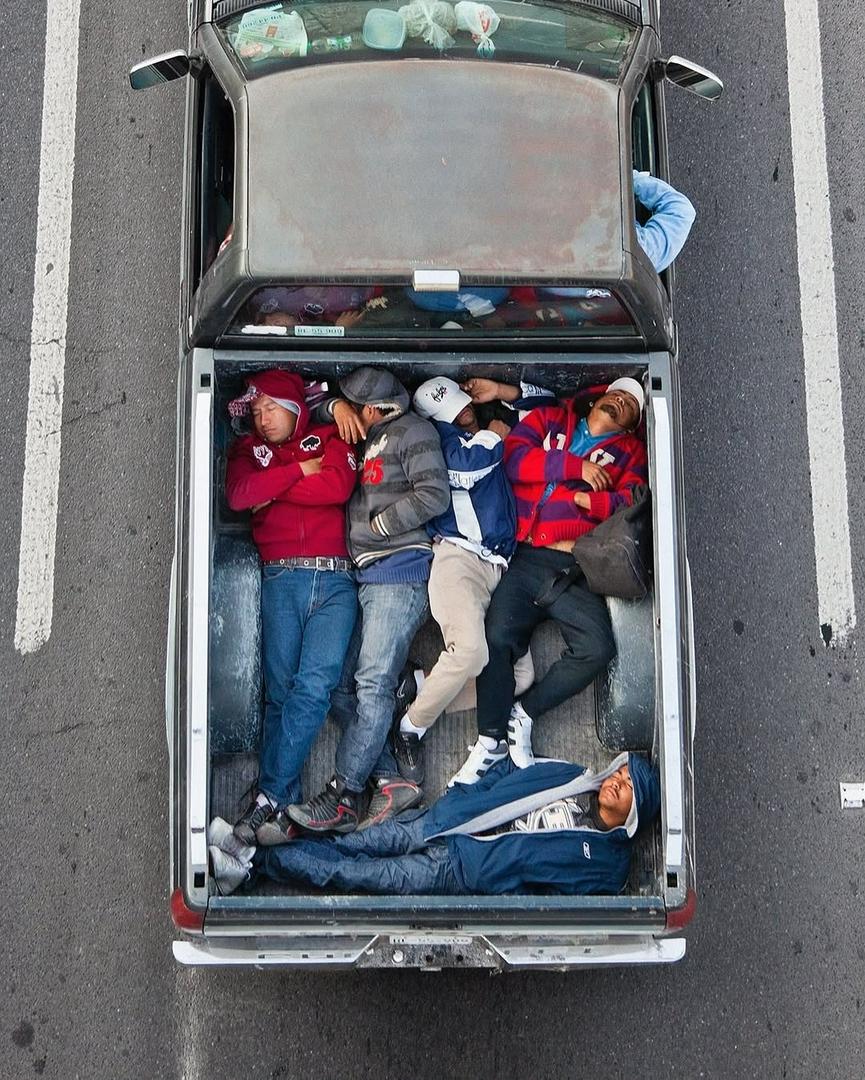
This photographer did something different — and the results say everything. Every morning, before sunrise, he stood on the same bridge. Not to catch skylines. Not for traffic shots. But to photograph Mexican carpoolers on their way to work. Same route. Same hour. Different faces. Men and women packed into cars, half-asleep, lunch pails in hand — heading out before most of the city even wakes up. No posing. No filters. Just quiet dignity. The photos don’t scream. They don’t ask for pity. They just show work ethic, sacrifice, and routine — people doing what needs to be done, day after day, with no applause. While others debate immigration online, these images show the part nobody argues with: People getting up early to work. Together. Every day. Sometimes the most powerful stories aren’t loud. They’re just consistent. And this photographer? He simply showed up… like they did. Hashtags: #EverydayPeople #WorkingClass #MorningCommute #CarpoolLife #DocumentaryPhotography #RealStories #HardWorking #HumanStories #SilentStrength

TrueNorthMedia

Why $15–$25 an Hour Doesn’t Work Anymore — The Grocery Shock No One Explained Millions of Americans are wondering why a family grocery trip that used to cost $120 now hits $250–$350. People blame budgeting, politics, or “overspending,” but the truth is bigger: the global food system cracked, and U.S. families are paying the price. When Russia invaded Ukraine in 2022, it didn’t just start a war. It disrupted one of the world’s biggest food suppliers overnight. Ukraine used to feed over 400 million people. When ports shut down and fields were destroyed, wheat, corn, and sunflower oil vanished from the global market—and global food prices exploded. That shock hit U.S. grocery shelves instantly. Then fertilizer costs tripled. Russia and Belarus produce major fertilizer ingredients. Sanctions and shipping breakdowns made fertilizer hard to get worldwide. Farmers everywhere grew less. Smaller harvests meant higher prices for American meat, dairy, produce, and bread. Fuel and shipping spiked next. Every truck bringing your groceries, diapers, and household essentials cost more to operate. Those increases landed directly on U.S. families already stretched thin. People ask: “Why do we care about a war overseas when Americans can’t afford groceries?” Because if Ukraine collapses, Russia gains control over massive grain routes, fertilizer supplies, and Black Sea shipping lanes—driving even more instability and higher prices. The truth is harsh but simple: Your paycheck didn’t shrink. The world changed. And $15–$25 an hour can’t hold up a family against global shocks this large. #InflationCrisis #GroceryPrices #CostOfLiving #FamilyStruggle #WorkingClass #Economy2025 #GlobalEconomy #UkraineWarImpact #FoodPrices #AmericanFamilies #MinimumWage #EconomicReality #TrueNorthMedia

You've reached the end!
Tag: WorkingClass | LocalAll