Tag Page america

#america
1776 Patriot

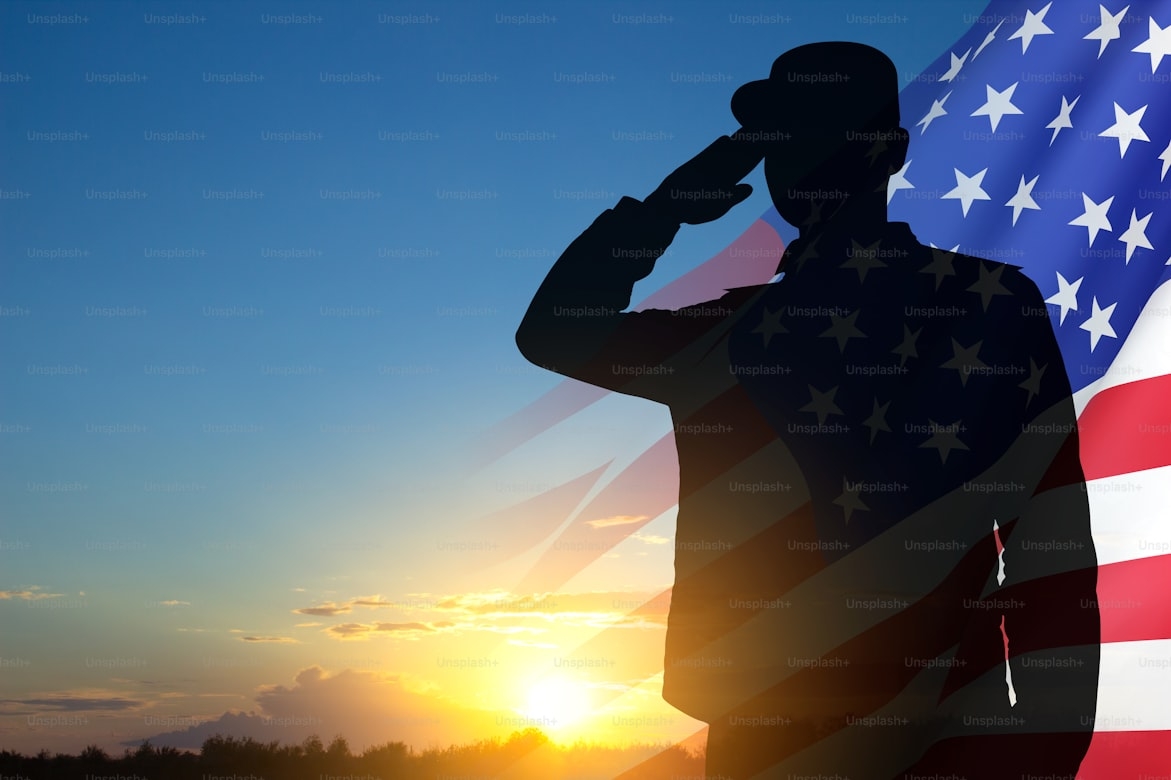
Why Veteran Advocacy Matters to Me...and Should Matter to You Coming from a strong military family, service has always been part of my identity. Traditional enlistment was not an option for me, even after taking the ASVAB, due to medical barriers from a childhood disease. I chose a different path through technology, using it to advocate for veterans and amplify their stories and needs. I began with few expectations, but a clear belief: those who have protected our home and freedoms deserve our support; without it, there is no home. The need is measurable and urgent. In 2023, 6,398 veterans, (about 18/day) took their lives, with higher rates among younger veterans and women. Among post-9/11 veterans, 11% to 20% experience PTSD in a given year, with 20% being Iraq and Afghanistan veterans. This is alongside elevated rates of depression, anxiety, and chronic pain. More than 60% were not in VA care in the year prior to death. Housing instability remains a serious issue, with about 32,000 veterans experiencing homelessness on any given night, despite a decline of over 50% since 2010. Long-term health impacts persist: roughly 25% to 35% of veterans receiving VA benefits have a service-connected disability, and more than 3.5 million receive compensation. The PACT Act expanded care eligibility to millions exposed to toxic environments like burn pits. Transition challenges are common: about 40% report early employment difficulties, and 1 in 3 struggle to access consistent healthcare. Yet veterans continue to contribute significantly, owning about 1.9 million businesses that generate nearly $1 trillion annually and support over 5 million jobs. The measure of a society is what it does after the uniform comes off. Support for veterans is not charity; it is a sustained commitment to ensure the cost of service is never carried alone. If you or a veteran you know needs support, help is available 24/7. Call 988 and press 1 for the Veterans Crisis Line. #America #USA #News

Brandon_Lee

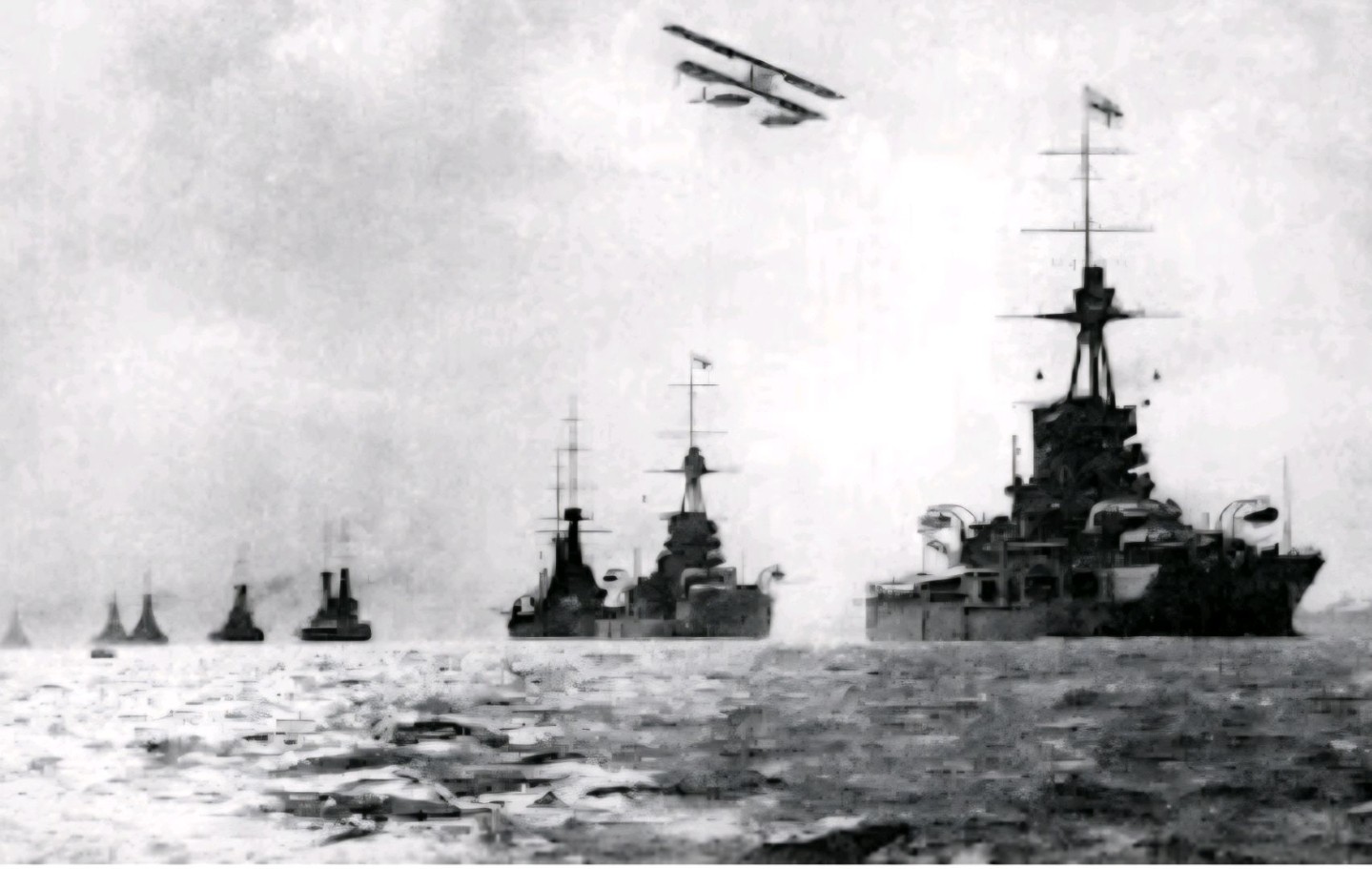
The Vanishing Fleet: Britain's Fading Sea Power For centuries, the sun never set on the British Empire because the Roval Navy ruled the waves. At its 1 9th-century zenith, Britain enforced a "Two-Power Standard," ensurind its fleet outmatched the next 2 largest navies. Today, that global colossus has shrunk to a "boutique" navy: advanced vet perilously thin on hulls and readiness The decline is stark. In 1914, the Royal Navy fielded over 600 ships, including 71 battleships. By the 1982 Falklands War, it mustered 2 carriers and 24 escorts. As of early 2026, the fleet has roughly 63 commissioned vessels. Yet core fighting power is far lower: just 13 to 15 major surface combatants, including 2-Queen Elizabeth-class carriers, 6-Type 45 destroyers, and 7-Type 23 frigates.Operational availability is grimmer. Doctrine calls for a "Rule of Three' (1 deployed, 1 training, 1 in maintenance) but reality is worse. Of 6-Type 45 destrovers, often only 2 or 3 are sea-ready amid engine upgrades. Of 6-Astute-class submarines, frequently only 1 is operational Usually just 1 carrier (such as HMS Prince of Wales on 5 davs' notice) is available Compare this to the U.S. Navy's 300 deplovable ships and 11-nuclear supercarriers. America's groups operate independently worldwide. Britain's 2-conventionally powered carriers often need U.S. or allied escorts. A single sustained deployment can exhaust the Roval Navy's reserves This hollowing stems from aging hulls recruitment shortfalls. and the nuclear deterrent's high cost. Sustaining 4-Vanquard-class submarines devours amassive budget share. New Type 26 and Type 31 frigates remain years away significant numbers not arriving until the 2030s). The Navy is a "construction-site' force in transition Unless urgent action reverses the hollowing. the once-unrivaled Ruler of the Waves risks slipping beneath history's surface as a noble but diminished ghost fleet #BreakingNews #News #USNews #USA #Military #America #USA #Veterans

Brandon_Lee

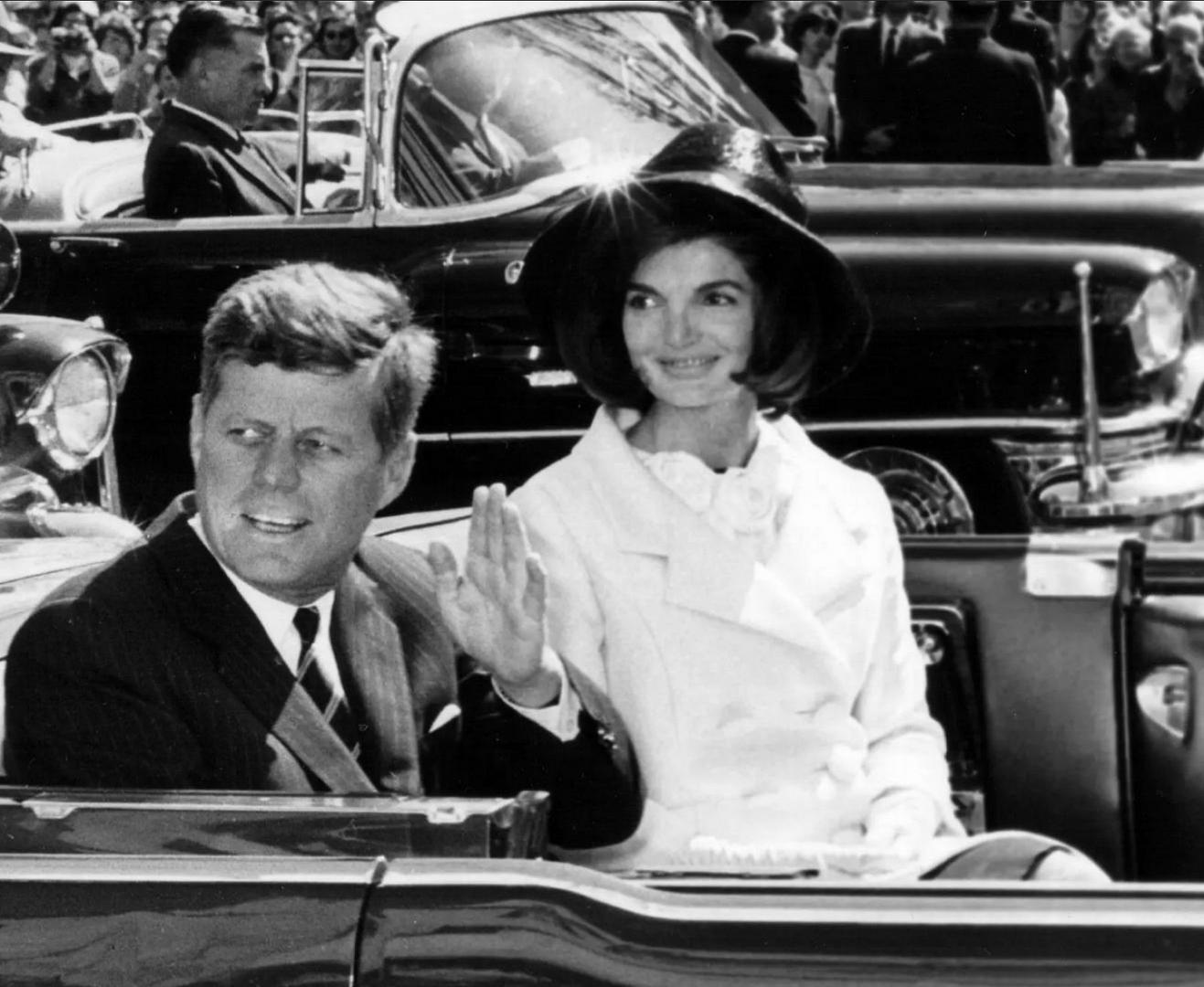
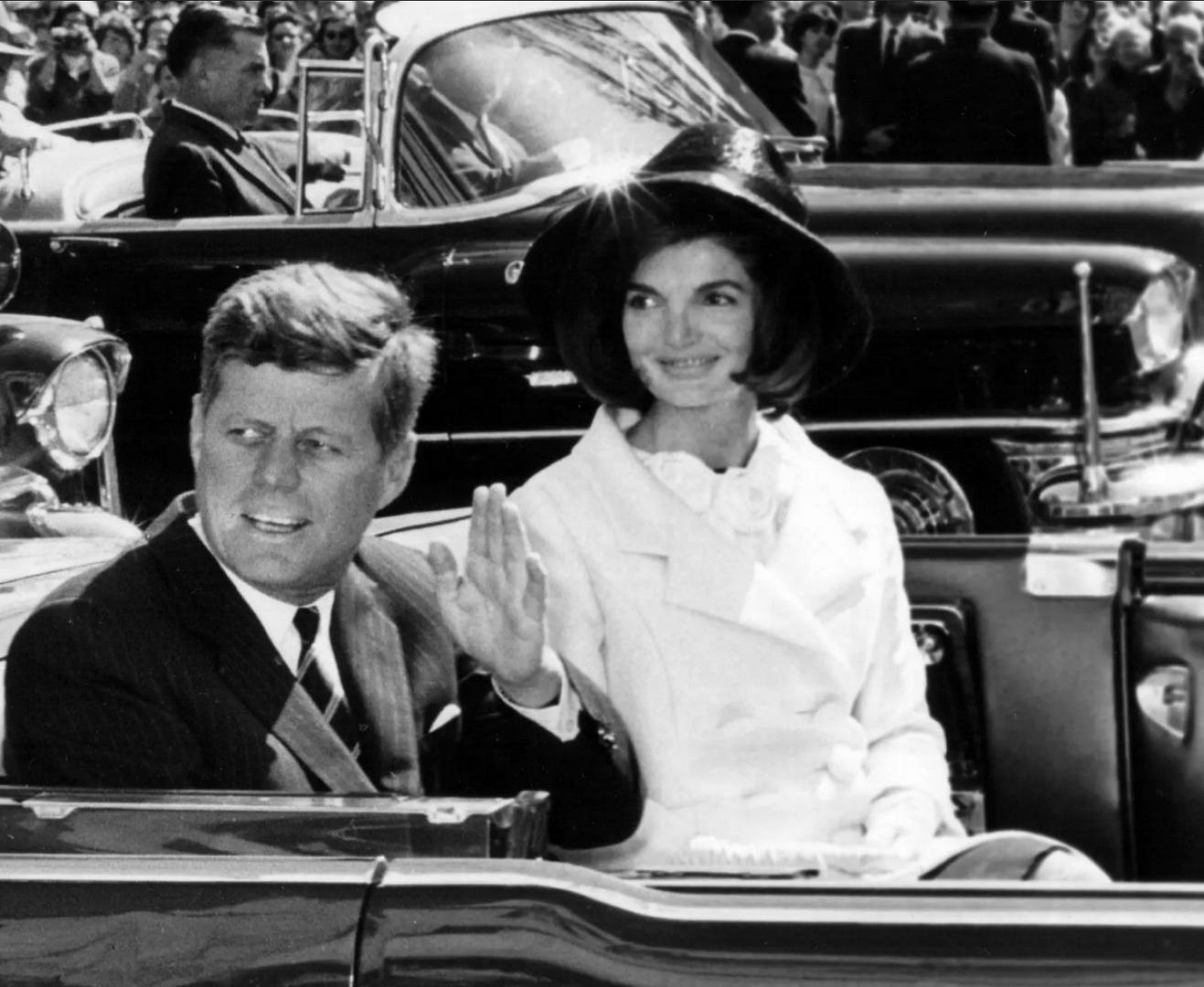
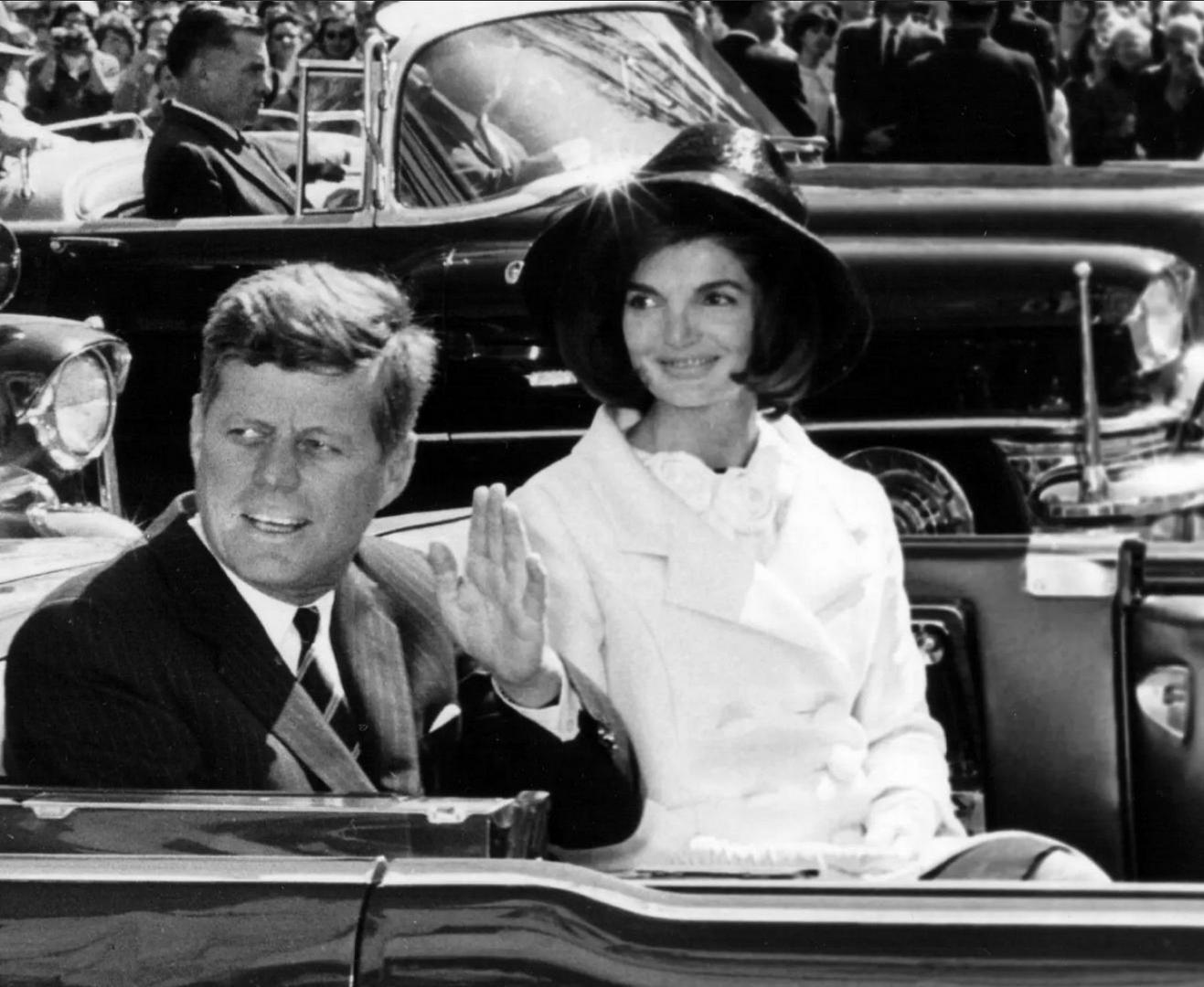
John F. Kennedy: The President with the Highest All Time Approva John F. Kennedy, the thirty fifth president of the United States. is still viewed as one of the most respected leaders in modern American history. Throughout his presidency, his approval rating stayed near 70 percent, which is one of the highest averages ever recorded. His standing is measured through the modern polling system that began in 1936, allowing his numbers to be compared across generations of presidents. Based on this long record of surveys, Kennedy holds the highest average approval of any president in the polling era. Kennedy's popularity came from his personality, message, and calm leadership during major challenges. His inaugural address, urging Americans to serve their country, became one of the mostmemorable speeches in US history. During the Cuban Missile Crisis in 1962, he quided the country through thirteen days of extreme tension, preventing nuclear conflict and earning wide respect. His support for early civil rights efforts and his commitment to the space program added to the sense that he was leading the nation into a new and ambitious era Surveys taken long after his death show how strong his legacy remains. One major poll found that 85 percent of Americans approved of his performance when looking back on his presidency. Even during difficult periods, such as the aftermath of the Bay of Pigs invasion, Kennedy kept approval ratings above 70 percent, something few presidents have matched. His calm approach, clear communication, and ability to connect with the public helped him maintain support across states, age groups. and political backgroundsKennedy's consistently high approva demonstrates how trust and confidence from the public shape a president's place ir nistory. Although he served less than one full term, his leadership during world crises and his appeal to national unity left a lasting mark. #Politics #USA #History #USHistory #America

1776 Patriot

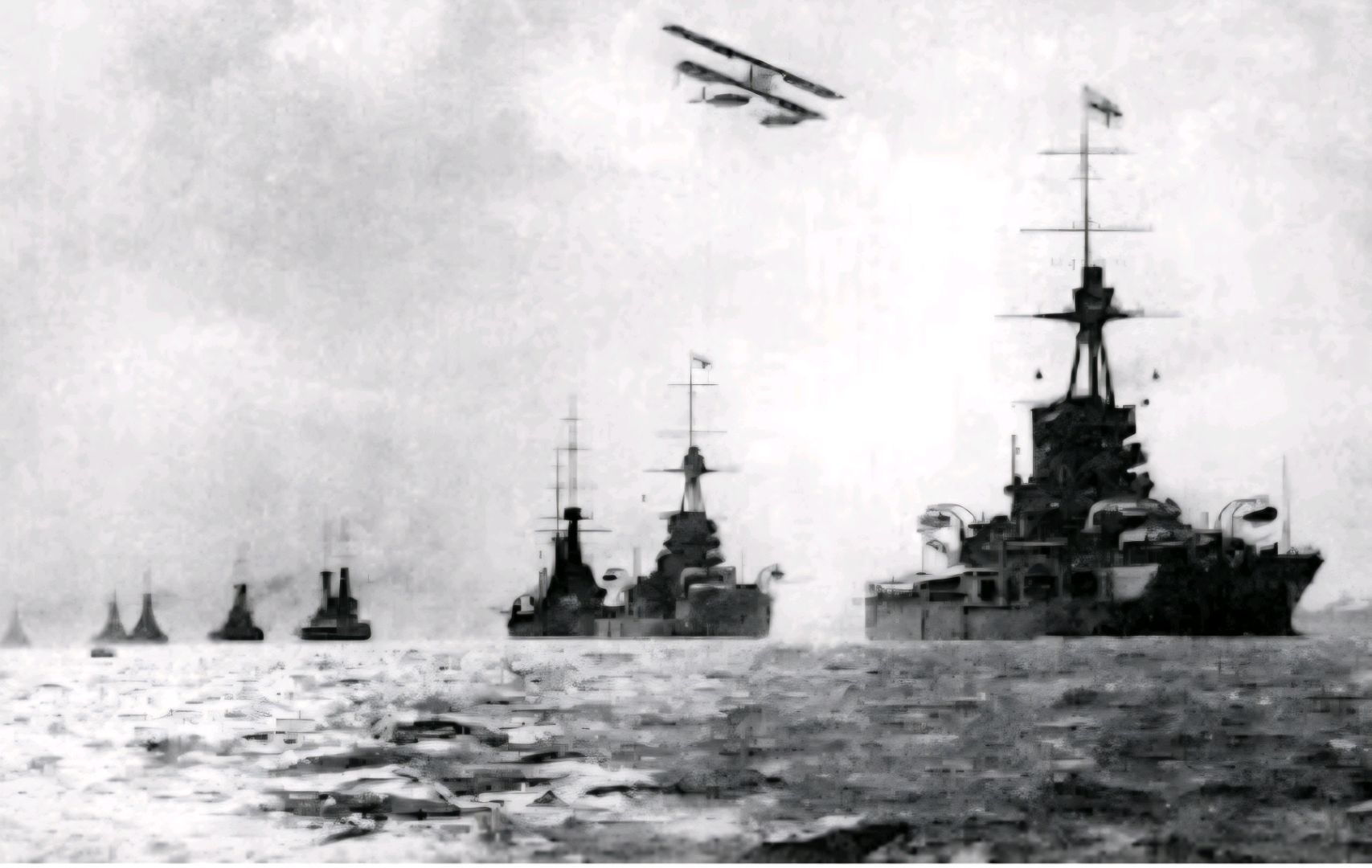
The Vanishing Fleet: Britain's Fading Sea Power For centuries, the sun never set on the British Empire because the Royal Navy ruled the waves. At its 19th-century zenith, Britain enforced a "Two-Power Standard," ensuring its fleet outmatched the next 2 largest navies. Today, that global colossus has shrunk to a "boutique" navy: advanced yet perilously thin on hulls and readiness. The decline is stark. In 1914, the Royal Navy fielded over 600 ships, including 71 battleships. By the 1982 Falklands War, it mustered 2 carriers and 24 escorts. As of early 2026, the fleet has roughly 63 commissioned vessels. Yet core fighting power is far lower: just 13 to 15 major surface combatants, including 2-Queen Elizabeth-class carriers, 6-Type 45 destroyers, and 7-Type 23 frigates. Operational availability is grimmer. Doctrine calls for a "Rule of Three" (1 deployed, 1 training, 1 in maintenance), but reality is worse. Of 6-Type 45 destroyers, often only 2 or 3 are sea-ready amid engine upgrades. Of 6-Astute-class submarines, frequently only 1 is operational. Usually just 1 carrier (such as HMS Prince of Wales on 5 days' notice) is available. Compare this to the U.S. Navy's 300 deployable ships and 11-nuclear supercarriers. America's groups operate independently worldwide. Britain's 2-conventionally powered carriers often need U.S. or allied escorts. A single sustained deployment can exhaust the Royal Navy's reserves. This hollowing stems from aging hulls, recruitment shortfalls, and the nuclear deterrent's high cost. Sustaining 4-Vanguard-class submarines devours a massive budget share. New Type 26 and Type 31 frigates remain years away (significant numbers not arriving until the 2030s). The Navy is a "construction-site" force in transition. Unless urgent action reverses the hollowing, the once-unrivaled Ruler of the Waves risks slipping beneath history’s surface as a noble but diminished ghost fleet. #BreakingNews #News #USNews #USA #Military #America #USA #Veterans

Rachel Marie

John F. Kennedy: The President with the Highest All Time Approva John F. Kennedy, the thirty fifth president of the United States. is still viewed as one of the most respected leaders in modern American history. Throughout his presidency, his approval rating staved near 70 percent, which is one of the highest averages ever recorded. His standing is measured through the modern polling system that began in 1936, allowing his numbers to be compared across generations of presidents. Based on this ong record of survevs, Kennedy holds the highest average approval of any president ir the polling era Kennedy's popularity came from his personality, message, and calm leadership during major challenges. His inaugural address, urging Americans to serve their country, became one of the mostmemorable speeches in US history. During the Cuban Missile Crisis in 1962, he quided the country through thirteen days of extreme tension, preventing nuclear conflict and earning wide respect. His support for early civil rights efforts and his commitment to the space program added to the sense that he was leading the nation into a new and ambitious era Survevs taken long after his death show how strong his legacy remains. One major poll found that 85 percent of Americans approved of his performance when looking back on his presidency. Even during difficult periods, such as the aftermath of the Bay of Pigs invasion, Kennedy kept approval ratings above 70 percent, something few presidents have matched. His calm approach, clear communication, and ability to connect with the public helped him maintain support across states, age groups, and political backgroundsKennedy's consistently high approva demonstrates how trust and confidence from the public shape a president's place in history. Although he served less than one full term, his leadership during world crises and his appeal to national unity left a lasting mark. #Politics #USA #History #USHistory #America

1776 Patriot

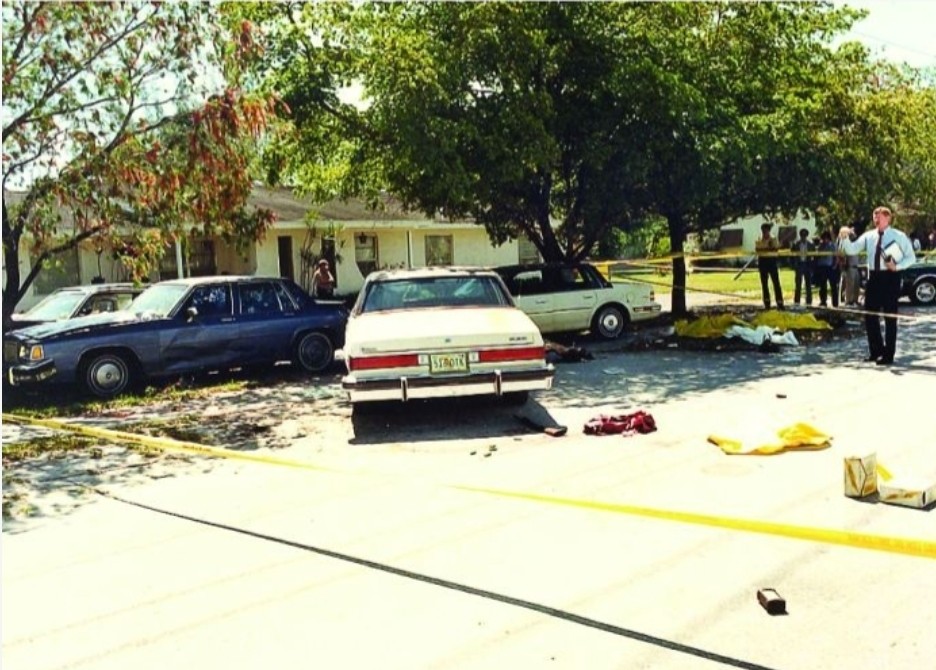
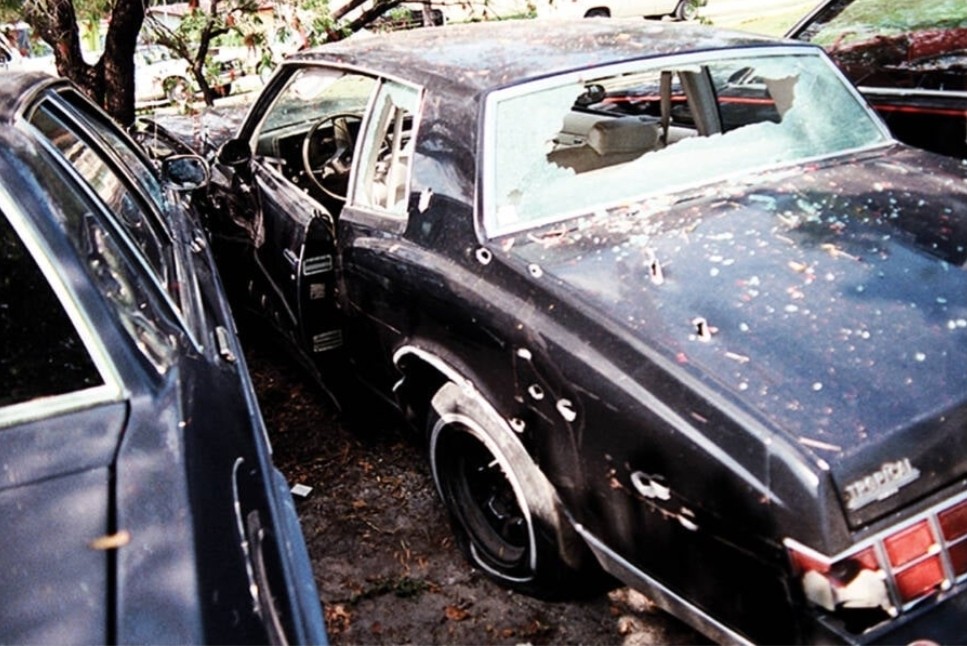
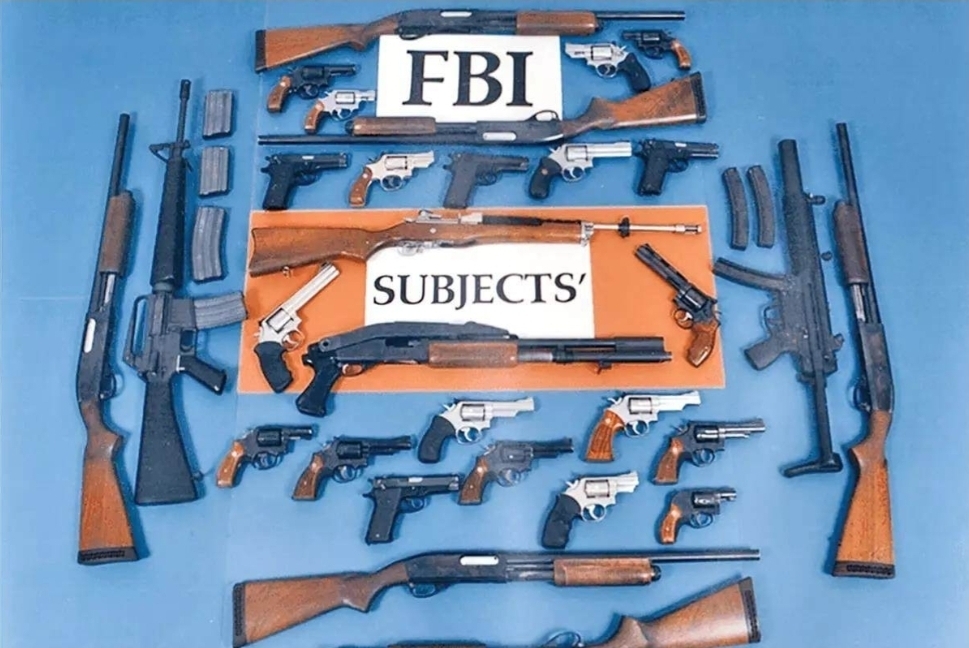
The 1986 FBI Miami Shootout: 5 Minutes That Changed The Bureau On April 11, 1986, eight FBI agents confronted two heavily armed bank robbers, Michael Lee Platt and William Russell Matix, in Pinecrest, Florida. Agents conducting surveillance on a stolen Monte Carlo attempted a felony car stop, forcing the suspects’ vehicle into a tree. Platt, a former Army Ranger, and Matix, a former military policeman from Fort Campbell, had previously murdered a man and stolen his car. What began as a routine stop erupted into a five-minute gunfight, the deadliest in FBI history at the time, with approximately 145 rounds fired. Platt fired at least 40 rounds from his Ruger Mini-14 rifle and two .357 revolvers; Matix used a 12-gauge shotgun. Agents, armed mostly with six-shot revolvers, a few 9mm pistols, and two shotguns, were outgunned, and body armor then offered limited protection against high-velocity rifle rounds. Both suspects absorbed multiple hits yet killed Special Agents Benjamin Grogan and Jerry Dove and wounded five others. Special Agent Edmundo Mireles was shot in the forearm and head. Despite massive blood loss, he fired his shotgun one-handed, wounded Platt, crawled forward, and used a revolver to fatally stop both suspects. Mireles survived and later received the FBI Medal of Valor. The shootout exposed critical weaknesses: revolvers lacked capacity, many rounds could not penetrate vehicles or bone, rifles outranged handguns, and armor was insufficient at the time. Nine of ten people were hit. In response, the FBI adopted higher-capacity semi-automatic pistols, improved ammunition, patrol rifles, and expanded tactical and scenario-based training. Modern FBI officers now use rifle-rated armor capable of stopping high-velocity rounds. Those five minutes in Miami foretold a new era in law enforcement, where firepower, armor, and training would define survival. #TrueCrime #America #USA #History #America #LawEnforcement #CrimeStory
1776 Patriot

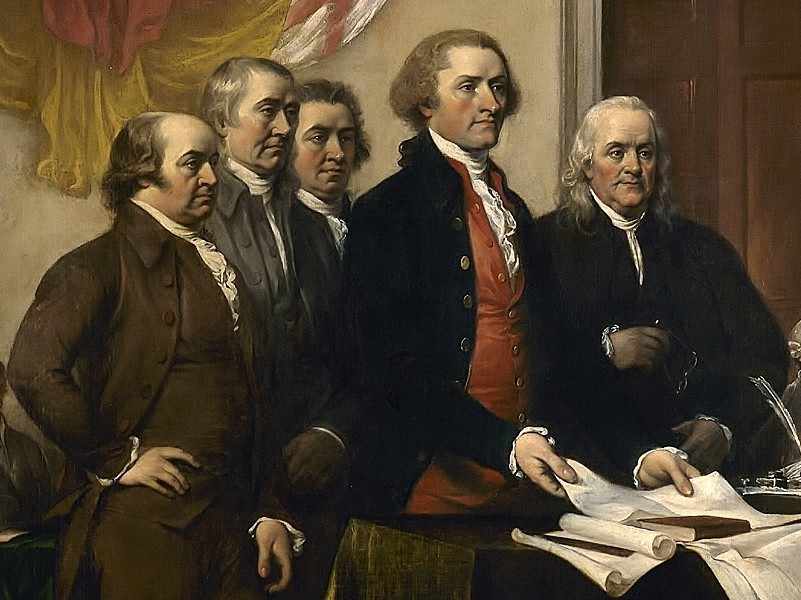
Founding Father Sherman’s Art of the Deal: Saving America in 1787 At the Constitutional Convention, 55 delegates from 12 states met from May to September 1787 in near-total secrecy. Rhode Island refused to attend. Windows were closed against the summer heat, and notes were forbidden to leave the room. The nation hung in the balance. Large states backed the Virginia Plan, demanding representation by population. Small states backed the New Jersey Plan, insisting on equal votes. Virginia had over 500,000 residents; Delaware had fewer than 60,000. Delegates warned that without agreement, the union could fracture before it began. Roger Sherman, a Connecticut shoemaker turned statesman, and Oliver Ellsworth proposed the Connecticut Compromise, the first national legislature to combine proportional representation in one chamber with equal state representation in another in a federal system. The House would be apportioned by population; the Senate would give two votes per state. Revenue bills would originate in the House, while all legislation required Senate approval. The plan passed a 5-to-4 committee vote before adoption by the full Convention, breaking the deadlock and keeping smaller states at the table. The compromise was revolutionary. It forced rival states into a single functional system. It embedded conflict within a durable framework that allowed debate without collapse. Large and small states were bound together in a union that would endure. Congress still operates under this structure. More than 70 countries today use bicameral legislatures, including Germany, Australia, and India. Without Sherman and Ellsworth’s daring compromise, the American experiment in self-government might never have survived. #History #USHistory #America #USA #Constitution101 #Politics #Congress

1776 Patriot

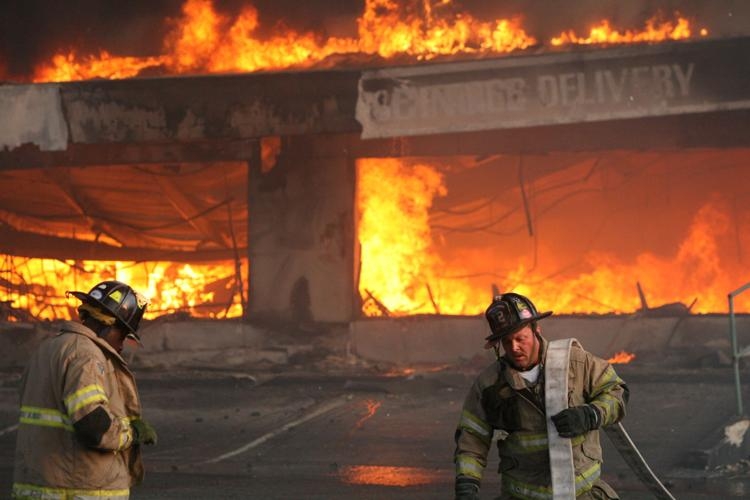
30 Lives Saved, 9 Lost: Remembering The Charleston 9 On the evening of June 18, 2007, a massive blaze erupted at the Sofa Super Store on North Rhett Avenue in Charleston, South Carolina. Within minutes, the fire engulfed more than 100,000 square feet of showroom and warehouse space. Thick black smoke and flames spread rapidly through stacks of furniture, creating one of the deadliest structural fires in U.S. history. Charleston Fire Department crews responded immediately. Among them was Captain Louis Mulkey, a 35-year veteran known for his calm leadership. As temperatures near the roof climbed above 1300°F, Mulkey and his team entered the building to search for civilians believed trapped inside. Despite rapidly deteriorating conditions and weakening structural integrity, they pushed deeper into the showroom. More than 80 firefighters entered the structure that night. Around 10:15 p.m., a sudden ceiling collapse trapped several firefighters. Mulkey was among those killed when a large section of the roof gave way. In total, nine Charleston firefighters lost their lives and 55 were injured. Before the collapse, crews helped evacuate an estimated 30 civilians. One survivor later said, “They were the last ones in and the last ones looking for people. They never quit on us.” Investigators later found that fire growth was underestimated and visibility had dropped to near zero. Data from the National Institute of Standards and Technology showed survival time in such conditions can drop by up to 80% in under 3 minutes without fresh air. The tragedy led to nationwide safety reforms, including improved air monitoring and structural risk assessment. Departments adopting these improvements saw a 30% reduction in injury rates in similar fires. Today, the fallen are honored at the "Charleston 9" Memorial Park, where their sacrifice continues to guide future generations of first responders. #HeroStories #America #USA #History #USA #Firefighters

1776 Patriot

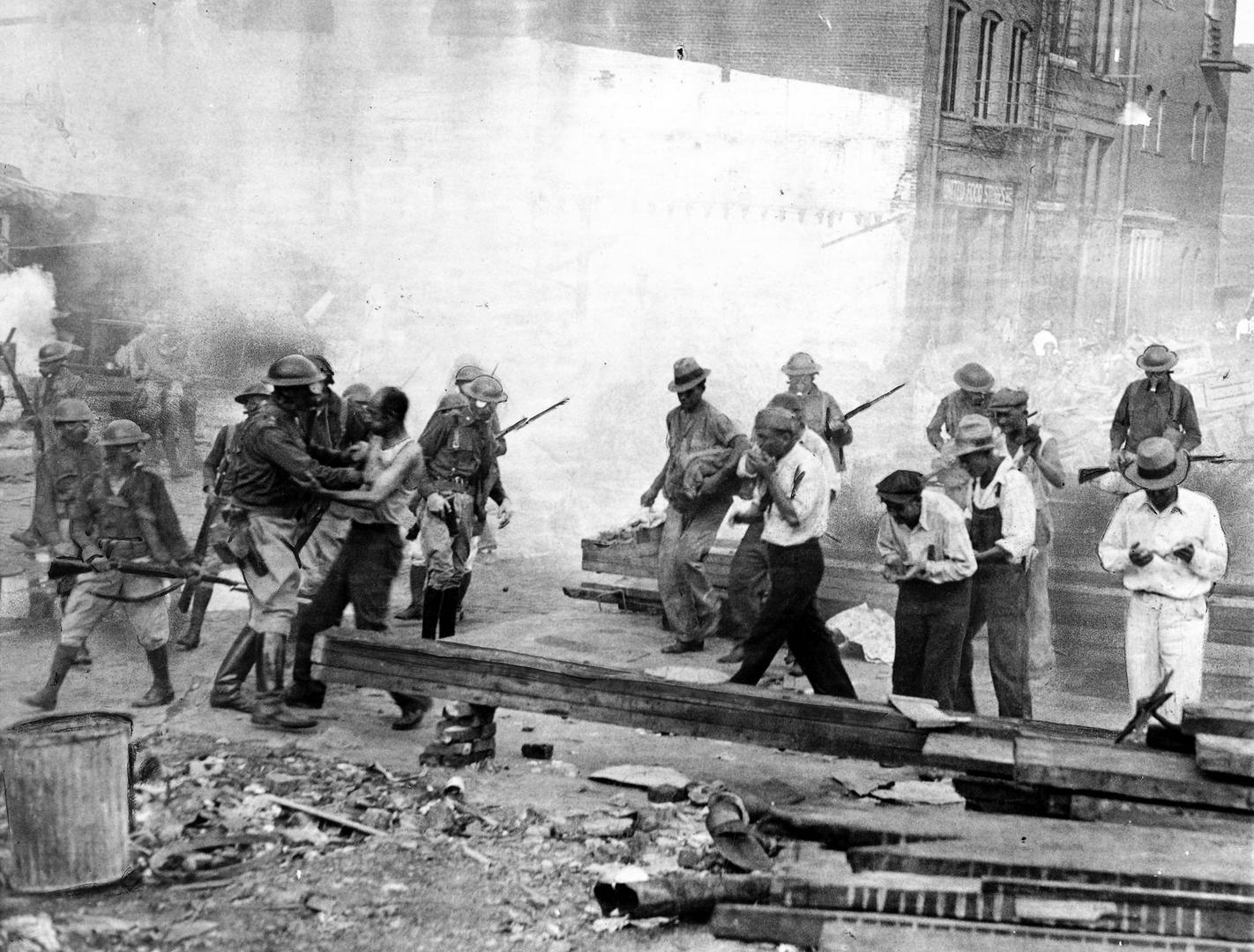
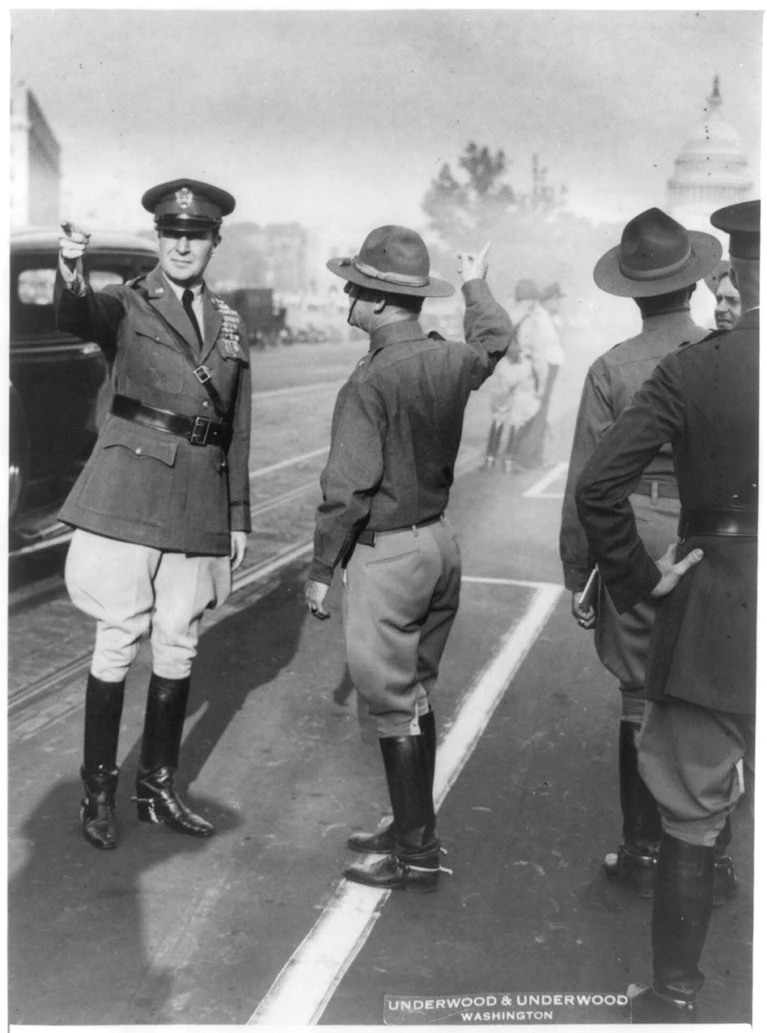
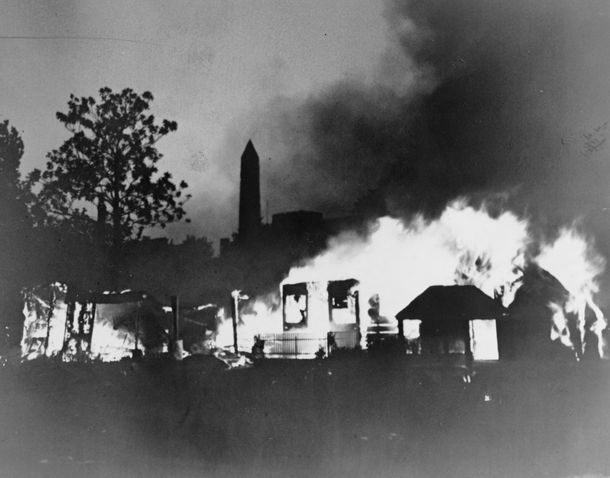
When General Patton and MacArthur Drove Veterans Out of Washington In the summer of 1932, roughly 43,000 people gathered in Washington D.C., including 17,000 World War I soldiers and 26,000 family members. They were the Bonus Expeditionary Force, demanding early payment of a bonus Congress promised in 1924 but scheduled for 1945. Each held a certificate worth $1 per day in the U.S. and $1.25 per day overseas, desperately needed during the Great Depression when unemployment reached 24%. They built over 1,500 huts on the Anacostia Flats. The encampment became the largest Hooverville, a shantytown named after President Hoover, with organized sanitation, streets, a small newspaper, a school, a mess hall, and medical stations. Congress debated their request, but the Senate rejected the bonus on June 17, 1932, by 62 - 18. Many refused to leave. On July 28, President Hoover ordered the camps cleared. Hoover faced declining public support as the economy worsened and unemployment peaked near 24%, contributing to a sharp decline in his popularity, which fell to roughly 23%. With business leaders urging action against perceived disorder, Hoover authorized Army Chief of Staff Douglas MacArthur to lead the operation. MacArthur oversaw 600 troops, including cavalry, infantry, and six M1917 tanks commanded by Major George S. Patton. Soldiers advanced with bayonets and fired tear gas while cavalry pushed crowds through the streets. By nightfall, the camp was set on fire, destroying hundreds of shelters and leaving thousands homeless. Thousands of personal belongings, including blankets and tents, were burned. At least 2 men were killed and more than 1,000 injured or treated for gas exposure. One participant told a reporter, “We fought for this country and now the country fights us.” Images of troops led by MacArthur and Patton driving out these former servicemen shocked the nation and became one of the most damaging moments of Hoover’s presidency. #USHistory #History #America

THESE VALUES

John F. Kennedy: The President with the Highest All Time Approva John F. Kennedy, the thirty fifth president of the United States. is still viewed as one of the most respected leaders in modern American historv. Throughout his presidency, his approval rating stayed near 70 percent, which is one of the highest averages ever recorded. His standing is measured through the modern polling system that began in 1936, allowing his numbers to be compared across generations of presidents. Based on this long record of surveys, Kennedy holds the highest average approval of any president in the polling era. Kennedy's popularity came from his personality, message, and calm eadership during major challenges. His naugural address, urging Americans ta serve their country, became one of the most memorable speeches in US history During the Cuban Missile Crisis in 1962, he quided the country through thirteen davs of extreme tension, preventing nuclear conflict and earning wide respect. His support for early civil rights efforts and his commitment to the space program added to the sense that he was eading the nation into a new ana ambitious era Surveys taken long after his death show how strong his legacy remains. One maior poll found that 85 percent of Americans approved of his performance when looking back on his presidency Even during difficult periods, such as the aftermath of the Bay of Pigs invasion, Kennedy kept approval ratings above 70 percent, something few presidents have matched. His calm approach, clear communication, and ability to connect with the public helped him maintain support across states, age groups, and political backgrounds Kennedy's consistently high approval demonstrates how trust and confidence from the public shape a president's place in history. Although he served less than one full term, his leadership during world crises and his appeal to national unity left a lasting mark #Politics #USA #History #USHistory #America