Tag Page americanhistory

#americanhistory
LataraSpeaksTruth

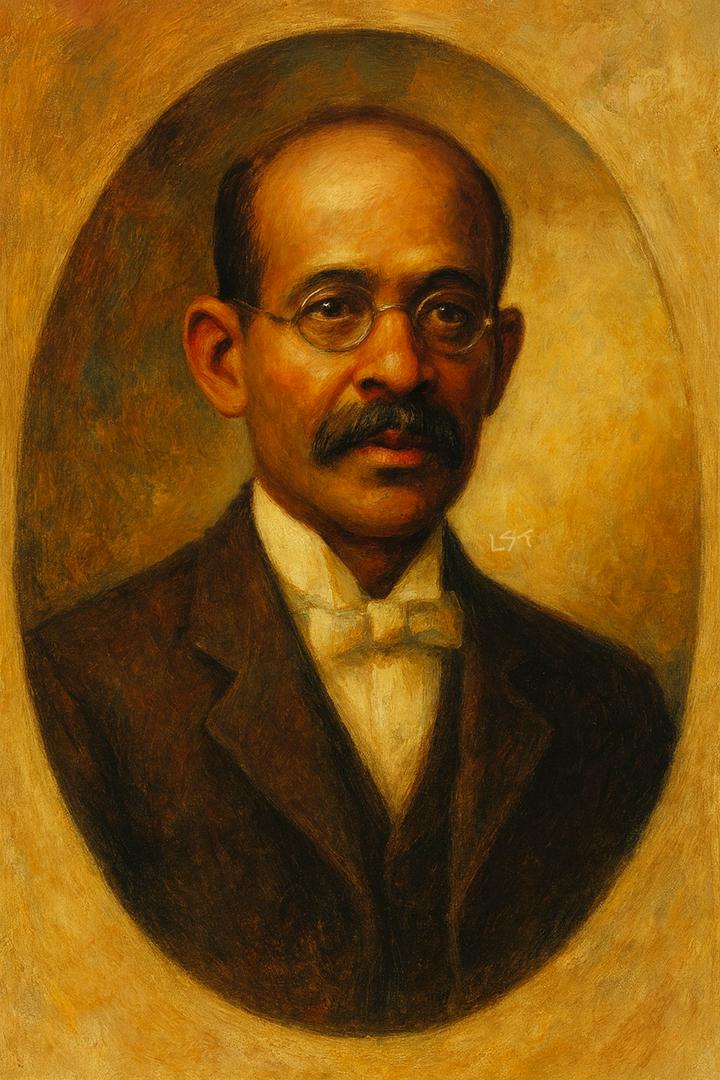
On December 9, 1872, P.B.S. Pinchback stepped into history as acting governor of Louisiana… the first Black governor in the United States. It’s one of those moments the textbooks whisper about, but it deserves a full-volume replay. Pinchback didn’t slide into power on easy mode; he fought through the chaos of Reconstruction, served as lieutenant governor, and rose to the top when the governor was impeached. His time in office was short, but sometimes it only takes a few bold weeks to shake up a century. And before someone pops into the comments with the usual, “Are you sure he was Black? He looks white…” let’s clear the air. A lot of people from that era had lighter complexions because of the grim reality of slavery: white enslavers fathered children with enslaved women, then left those kids to grow up with zero privilege, zero protection, and zero of the benefits their fathers enjoyed. Looking white didn’t grant them a shortcut. Pinchback lived, fought, and served as a Black man…?fully, openly, and without apology. His life is a reminder that history is complicated, messy, and shaped by truths many would rather ignore. Yet through it all, he carved out space where none existed and rewrote what leadership could look like in America. #TodayInHistory #BlackHistory #PBS_Pinchback #Reconstruction #LouisianaHistory #AmericanHistory #HiddenHistory #TruthMatters

LataraSpeaksTruth

Lewis Temple’s story is not just about invention. It is about how skill, observation, and lived experience can shape an industry, even when the person behind the breakthrough does not receive the full credit he deserves. Born around 1800 in Richmond, Virginia, Lewis Temple later built his life in New Bedford, Massachusetts, where he worked as a blacksmith. By the 1830s, he had established himself along the waterfront, making iron tools and fittings used in the whaling trade. In a city tied closely to the sea, Temple understood the demands of the work and the problems whalers faced. He became best known for improving the whaling harpoon with a design called the toggle iron. Unlike earlier harpoons, Temple’s version was far more effective at staying lodged after striking a whale. That improvement made voyages more successful and more profitable at a time when whaling was a major part of the American economy. But Lewis Temple was more than a man who made a better tool. He was a Black craftsman and inventor whose work reflected precision, intelligence, and practical engineering. He studied the problem, understood the labor, and created a solution with lasting impact. Innovation like that does not happen by accident. It comes from deep knowledge and skill. Temple never patented his invention, so others copied the design and benefited from it financially. Even so, his name remains tied to one of the most important technological improvements in the history of whaling. Lewis Temple deserves to be remembered not as a footnote, but as part of a larger truth. Black history is not only a story of endurance. It is also a story of innovation, engineering, and vision. Black minds helped improve this country and move it forward. That is not a side note in history. That is history. #LewisTemple #BlackHistory #AmericanHistory #HiddenHistory #BlackInventors #Innovation #NewBedford #UntoldStories #HistoricalTruth

LataraSpeaksTruth

George W. Ashburn

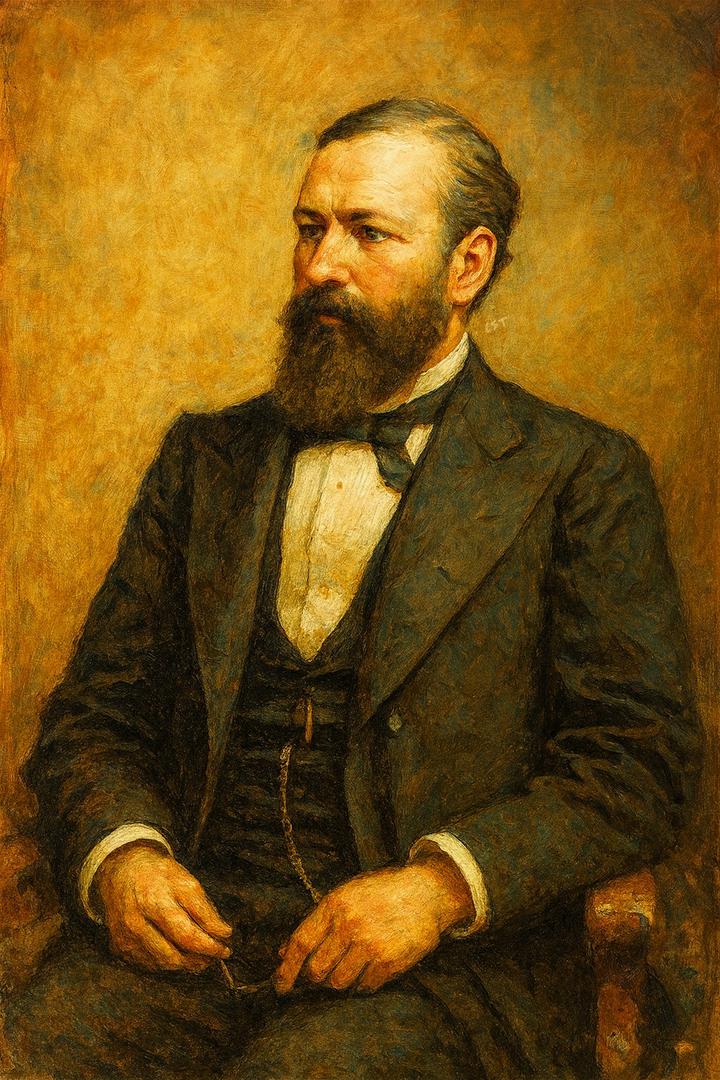
George W. Ashburn was a white Radical Republican who openly supported political rights for newly freed Black citizens during Reconstruction. That alone made him a target in Columbus, Georgia, where resistance to racial equality was strong and vocal. On March 31, 1868, Ashburn was assassinated inside a boarding house. Witnesses reported that a masked group forced their way in and shot him, a killing widely attributed to early Ku Klux Klan activity. His murder came just weeks after he backed Georgia’s new constitution, which expanded civil rights for Black residents. Because Georgia was still under military rule, his death did not stay a local matter. Federal authorities moved quickly, and on November 23, 1868, the case became national news when a military tribunal charged dozens of white men, some from prominent families, with participating in the assassination. The investigation exposed the organized backlash against Black political progress. It also showed how far opponents of Reconstruction were willing to go to silence anyone advocating for racial equality. But despite the national attention, the case fell apart. Political pressure, intimidation of witnesses, and Georgia’s push to end military oversight led to the charges being dropped. No one was ever convicted. Ashburn’s murder became a symbol of the violent resistance that shaped the end of Reconstruction, a reminder of the dangers faced not only by Black citizens, but by anyone who stood beside them during one of the most volatile periods in American history. #HistoryMatters #AmericanHistory #ReconstructionEra #GeorgiaHistory #CivilWarLegacy #PostWarSouth #HistoricalRecord #USHistoryStory #OnThisDayHistory

George W. Ashburn
LataraSpeaksTruth

1897… Andrew J. Beard Receives a Patent for the “Jenny Coupler”

On November 23, 1897, Andrew Jackson Beard, a Black inventor from Alabama, received a U.S. patent for one of the most important railroad safety devices of the late 1800s: the automatic car coupler known as the “Jenny Coupler.” Before Beard’s invention, railroad workers had to stand between moving train cars to manually link them together. It was a dangerous job that resulted in countless crushed limbs and deaths. Beard knew those risks firsthand—he had worked around railroads and had seen the toll the old system took on brakemen. His design changed everything. The Jenny Coupler used a pair of locking jaws that snapped together automatically the moment two cars touched. It replaced a life-threatening task with a simple, safer, almost automatic motion. Beard’s patent became part of a nationwide shift toward better railroad safety. His work influenced federal requirements for automatic couplers and helped protect the workers who kept the rail industry running. Even though his name isn’t widely recognized today, Beard’s contribution had a lasting impact. His 1897 patent remains a clear example of how Black inventors helped shape American industrial technology—often without the credit they deserved. #OnThisDay #BlackHistory #AmericanHistory #Inventors #RailroadHistory #SafetyInnovation #UnsungHeroes #CommunityFeed

1897… Andrew J. Beard Receives a Patent for the “Jenny Coupler”
LataraSpeaksTruth

1958… The Day Louisiana’s “Anti-Mixing” Sports Law Finally Fell

On November 28, 1958, a federal three-judge court ruled against Louisiana’s attempt to keep sports segregated forever. The case was called Dorsey v. State Athletic Commission, and it targeted the state’s “anti-mixing” law… a rule that tried to stop Black and white athletes from competing against each other. Louisiana used this law to block integrated boxing matches. Promoters were threatened with jail. Black fighters were refused licenses. White fighters were told to stay in their own lane. The whole thing was designed to protect the old order… and punish anyone who dared to break it. The court struck it down. They called it unconstitutional, discriminatory, and flat-out incompatible with the country’s direction. It was one of the quiet wins that chipped away at segregation’s foundation. Not loud. Not flashy. But necessary. This wasn’t just about sports. It was about the state trying to control who could stand toe-to-toe in public. And the court said no… not anymore. #LataraSpeaksTruth #HistoryMatters #AmericanHistory #HiddenHistory #UntoldStories #OnThisDay #CivilRightsEra

1958… The Day Louisiana’s “Anti-Mixing” Sports Law Finally Fell
LataraSpeaksTruth

Macon Bolling Allen Admitted to the Massachusetts Bar in 1845

On November 26, 1845, Macon Bolling Allen stepped into a world that liked to pretend it had no room for him and still made space anyway. He became the first Black lawyer admitted to the Massachusetts bar, carrying a calm kind of courage that hits different when you realize the country was still tangled in slavery and hostility. Earlier in 1844 he had already passed the Maine bar exam, proving his skill long before many thought he would even be allowed to take the test. Massachusetts recognized that ability next, and from there he kept pushing forward, eventually serving as one of the first Black judges in the United States. His journey reads like a reminder that discipline and study can be rebellion when the world expects you to shrink. Allen found a way into rooms that were not built for him and left the doors open behind him. Every Black lawyer, judge, advocate, and student walking their own path today moves with echoes of his persistence. #MaconBollingAllen #OnThisDay #HistoryMatters #AmericanHistory #LataraSpeaksTruth

Macon Bolling Allen Admitted to the Massachusetts Bar in 1845
You've reached the end!
Tag: americanhistory - Page 14 | LocalAll