Tag Page americanhistory

#americanhistory
LataraSpeaksTruth

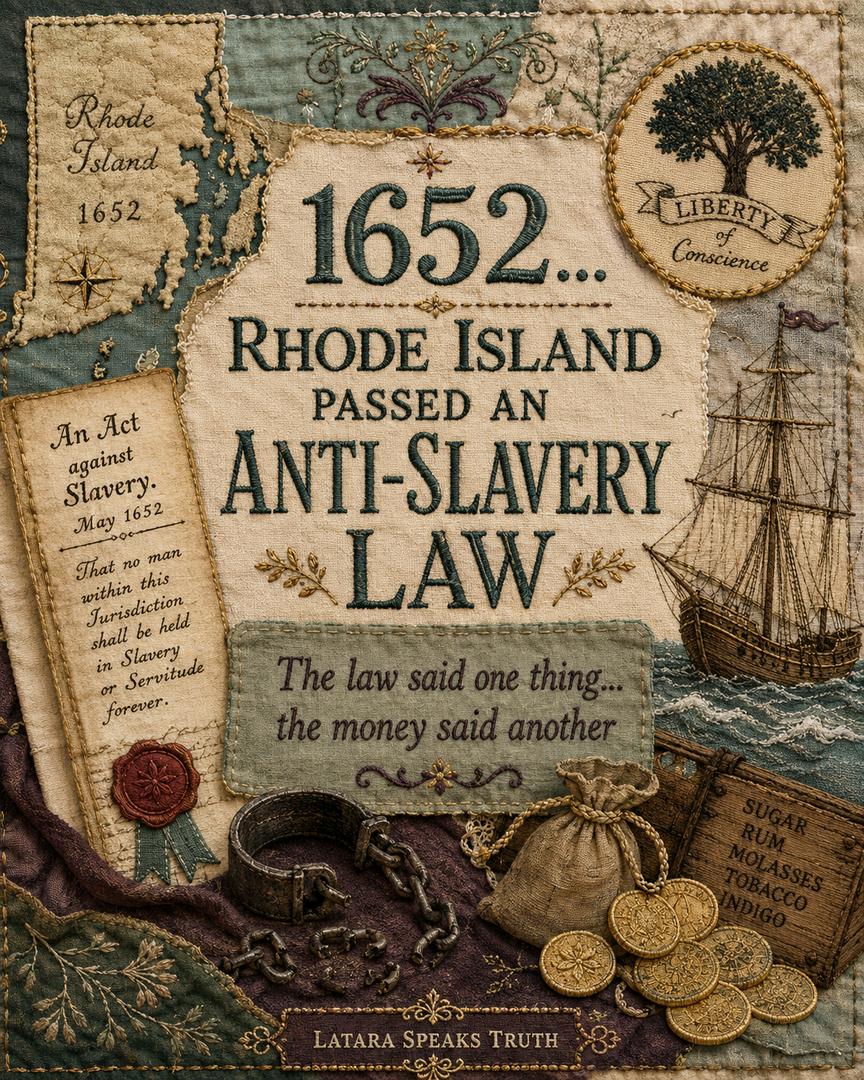
1652… Rhode Island Passed an Early Anti-Slavery Law, But Money Told a Different Story On May 18, 1652, Rhode Island passed what is often considered the first anti-slavery statute in the English American colonies. On paper, it sounded like a major step. The law said that Black and white servants could not be forced to serve for life. It limited servitude to ten years, or until age 24 for those brought in as children. After that, they were supposed to be free, similar to English indentured servants. But here is where history gets uncomfortable. The law existed, but enforcement did not follow with the same energy. That matters. Because when a law says one thing, but money says another, people usually find out which one had the real power. Rhode Island would later become deeply tied to slavery and the Atlantic slave trade, especially through ports like Newport. Ships, merchants, rum, labor, and profit became part of the colony’s economy. So while the 1652 law is remembered as an early anti-slavery statute, the reality after it shows how easily morality could be pushed aside when wealth was involved. That is the contradiction. Rhode Island could claim an early law against lifetime bondage while still becoming one of the colonies most connected to the business of human captivity. This is why history cannot be read from laws alone. A law can sound righteous. A law can look progressive. A law can be quoted later as proof that someone “tried.” But if nobody enforces it, and if the economy keeps rewarding the opposite behavior, then the law becomes more like decoration than protection. The painful truth is this: America’s early history is full of moments where the language of freedom was present, but the practice of freedom was selective. And Rhode Island’s 1652 law is one of those moments. The paper said one thing. The profit said another. #AmericanHistory #BlackHistory #RhodeIslandHistory #HiddenHistory #HistoryMatters

LataraSpeaksTruth

In May 1803, a group of captive Igbo people from West Africa reached the Georgia coast through a system that treated human beings like cargo. After arriving through Savannah, they were being transported toward plantations in the Sea Islands region. But somewhere between arrival and ownership, they refused the future that had been assigned to them. Accounts describe resistance during transport near St. Simons Island, with captives breaking control long enough to reach the shoreline at Dunbar Creek. What happened next has echoed for over two centuries. Oral histories carried in Gullah Geechee communities, alongside later written records, remember the Igbo choosing the water rather than bondage. Not confusion. Not accident. A decision. The details are debated, including how many drowned, who survived, and what happened in the moments after. Many tellings suggest at least ten to twelve people died, while others were captured again. But the heart of the story holds steady across sources. There was revolt. There was refusal. And there was a legacy that turned this place into sacred ground. Igbo Landing is remembered as more than tragedy. It is remembered as a declaration. A line drawn in saltwater. Proof that enslaved people were never simply captured and compliant. They fought, even when the only exit left was the sea. #IgboLanding #StSimonsIsland #GeorgiaHistory #GullahGeechee #AfricanDiaspora #SlaveResistance #AmericanHistory #HiddenHistory #UntoldStories #HistoryMatters

LataraSpeaksTruth

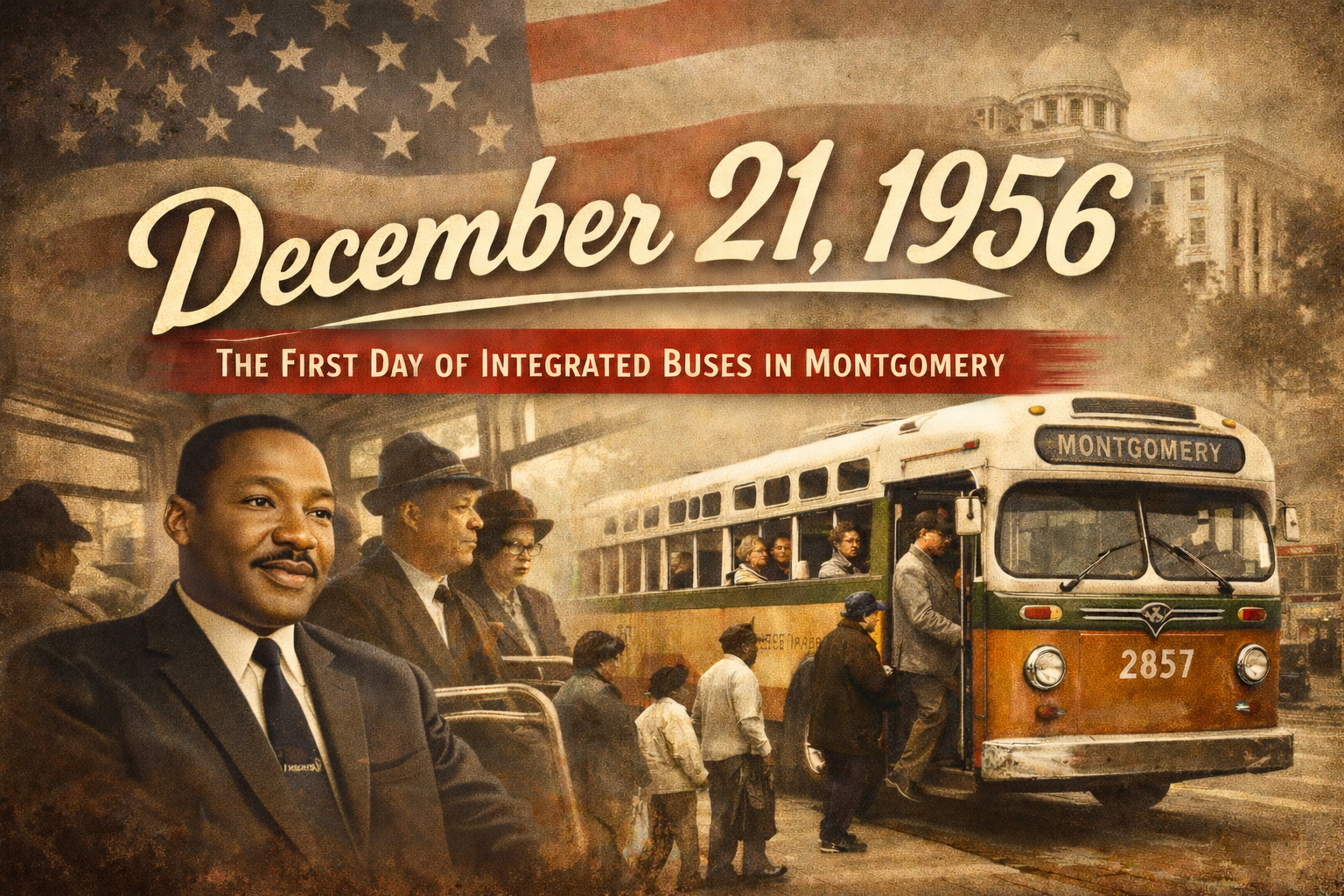
December 21, 1956 is often remembered as the end of the Montgomery Bus Boycott, but more precisely, it marks the first day Montgomery’s city buses operated as integrated in daily life. The legal battle had already been won, yet this morning mattered because it was when the ruling became visible, physical, and unavoidable. After more than a year of walking, carpooling, and enduring harassment, Black residents of Montgomery boarded buses alongside white passengers under a new reality. The Supreme Court decision banning bus segregation had finally reached Alabama, and the city was required to comply. December 21 was the morning the mandate moved from paper to pavement. That day, community leaders and ordinary citizens rode together. Among them was Martin Luther King Jr, who boarded a bus quietly, without fanfare. There were no speeches, no celebrations, and no cameras chasing spectacle. What made the moment powerful was its calm. People simply sat where the law now said they could sit. The boycott itself officially ended when the legal order took effect, which is why some summaries list earlier dates. But December 21 endures in public memory because it represents the first lived experience of change. It was not just a court victory. It was a morning commute transformed by discipline, unity, and resolve. For 381 days, Montgomery’s Black community refused to accept injustice as routine. On December 21, 1956, routine finally changed. History did not announce itself loudly that morning. It showed up on time, paid its fare, and took a seat. #MontgomeryBusBoycott #CivilRightsHistory #December21 #AmericanHistory #BlackHistory

LataraSpeaksTruth

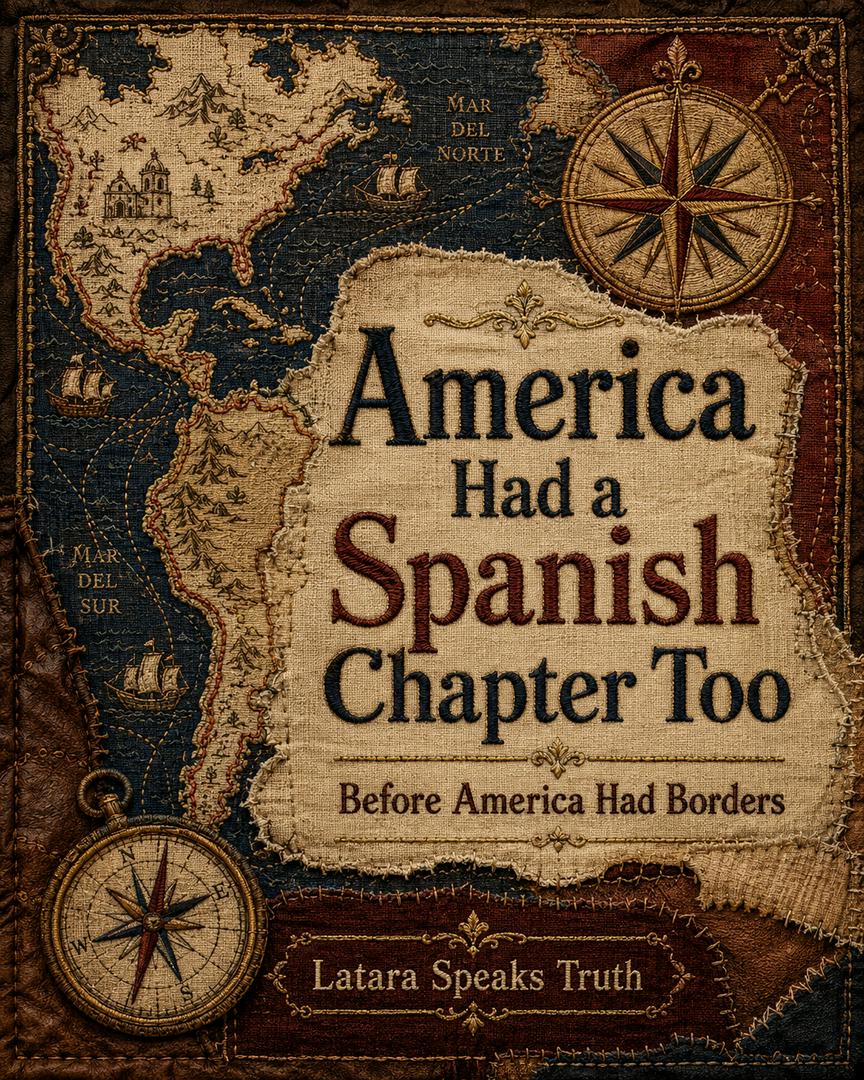
Before America argued about Spanish being spoken in public, before immigration became a political weapon, and before people were told to “go back,” there was already a Spanish chapter in this land. This story does not begin at the border. It begins before the United States existed. Indigenous nations were already here with languages, governments, families, land, and histories of their own. They were not “discovered.” They were encountered by Europeans seeking land, labor, wealth, and control. When Spain expanded into the Americas, it brought colonization, forced conversion, land seizure, disease, slavery, and forced labor. Indigenous communities resisted, while others were forced under colonial systems. African people were also part of this history. Africans and their descendants were enslaved throughout the Americas. Some resisted. Some escaped. Some formed communities with Indigenous people and others who refused colonial control. So when people ask, “Were they slaves?” the answer is layered. Some ancestors connected to Hispanic or Latino history were Indigenous people forced under colonial rule. Some were Africans brought through slavery. Some were Europeans who colonized. Some were mixed-race descendants shaped by violence, survival, culture, and time. Latino identity came later. The roots came first. In Spanish Florida, this history was already present by the 1500s. St. Augustine was founded in 1565, and African presence became part of the city’s early colonial history. Africans and their descendants helped shape Spanish Florida through labor, service, community, resistance, and the fight for freedom. That is why this story cannot start with immigration. The first chapter is land, colonization, Indigenous survival, African slavery, Spanish rule, forced labor, resistance, and communities later folded into Hispanic and Latino history. This history is not new. It was here before America even had a name. #AmericanHistory #latinoamerica #history

LataraSpeaksTruth

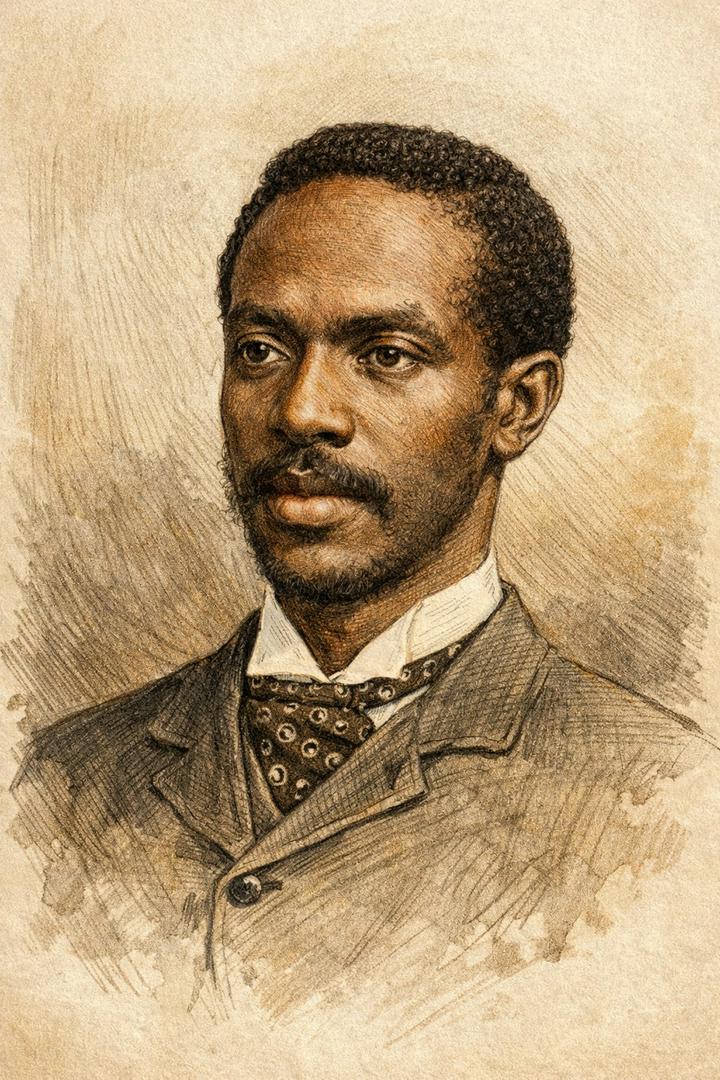
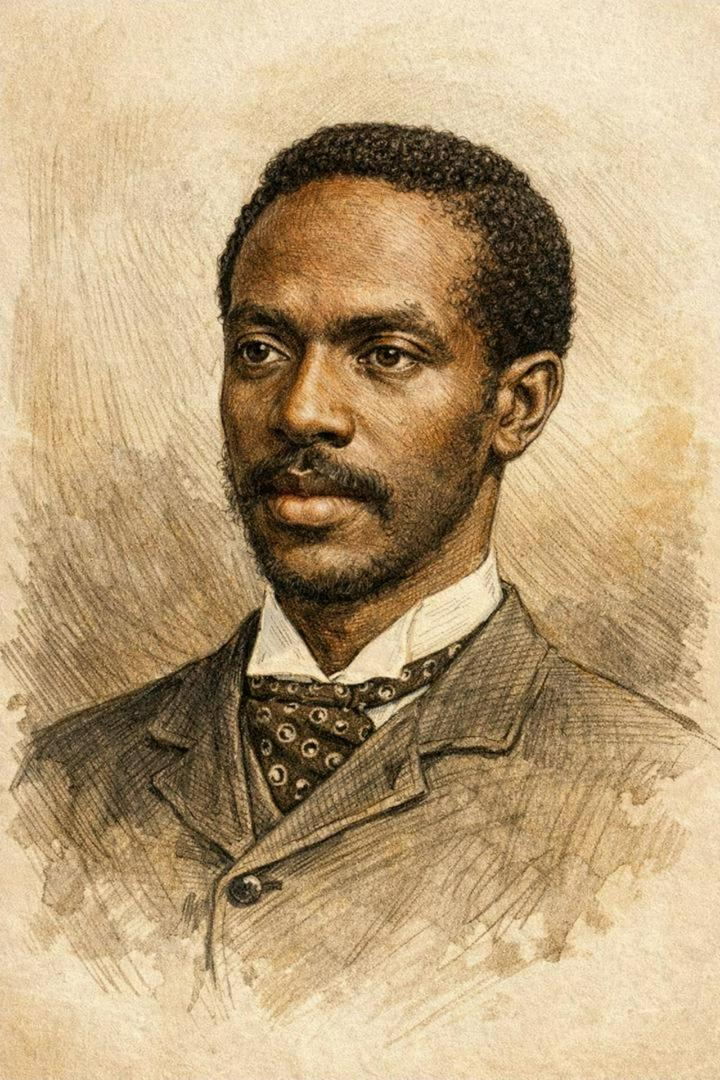
In 1870, Jonathan Jasper Wright made American history when he was elected to the South Carolina Supreme Court, becoming the first African American to hold a major judicial position at the state level. The moment passed without national celebration, but its significance was profound. A formerly enslaved man stepped into one of the highest legal institutions in the South during one of the most volatile periods in American history. Wright’s election came during Reconstruction, when Southern states briefly expanded political and civic participation in the aftermath of the Civil War. Born in Pennsylvania in 1840, Wright was educated and legally trained at a time when access to formal schooling was denied to most Black Americans. After relocating to South Carolina, he quickly earned respect as a legal thinker and public servant, serving first in the state senate before his elevation to the court. His role on the bench was substantive, not symbolic. Wright ruled on cases involving contracts, property disputes, and civil authority in a state struggling to redefine itself after slavery. His presence challenged long standing assumptions about who could interpret the law and whose judgment carried authority. Each decision he issued reinforced the reality that legal competence had never been confined to one race. Wright’s tenure was short. As Reconstruction collapsed and political retaliation intensified, he was removed from the bench in 1877 through impeachment proceedings widely viewed as racially motivated. The rollback of progress was swift, but the precedent remained. Jonathan Jasper Wright’s election reshaped American legal history. It proved that access to power could change, even briefly, and that once progress is recorded, it cannot be erased. #1870 #AmericanHistory #JudicialHistory #ReconstructionEra #SouthCarolinaHistory #LegalMilestones #HistoryMatters

LataraSpeaksTruth

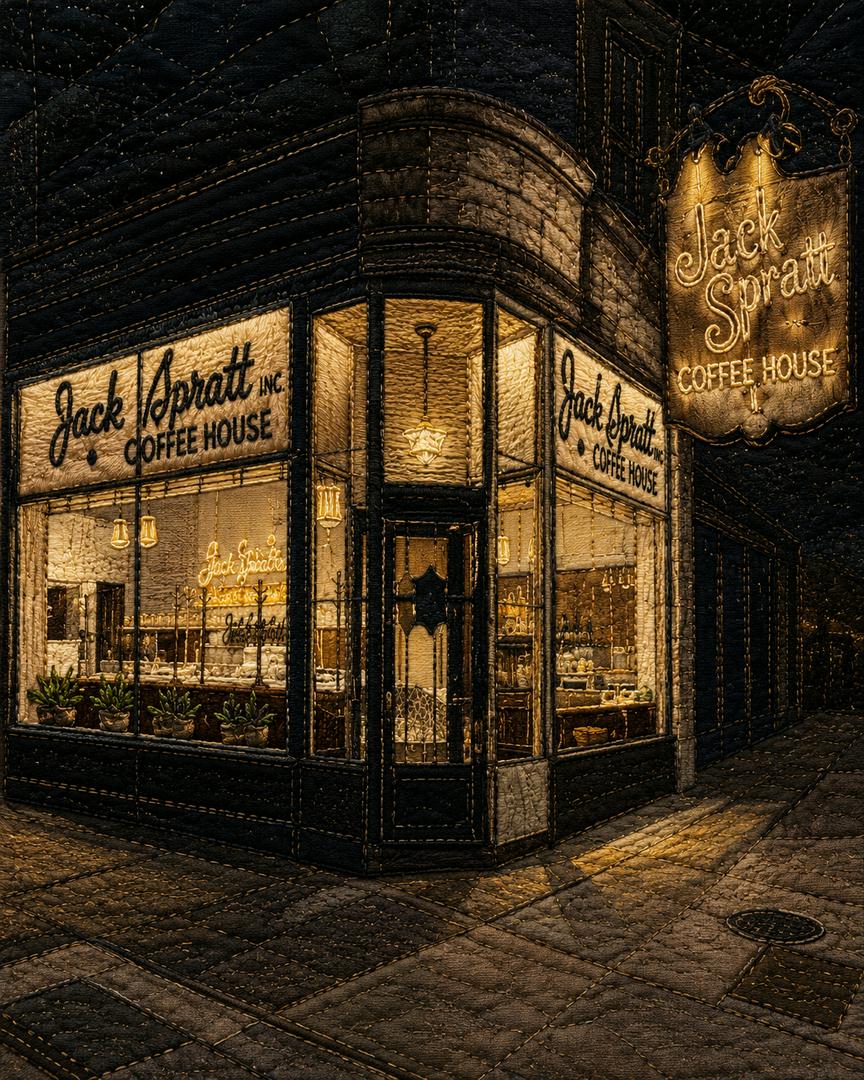
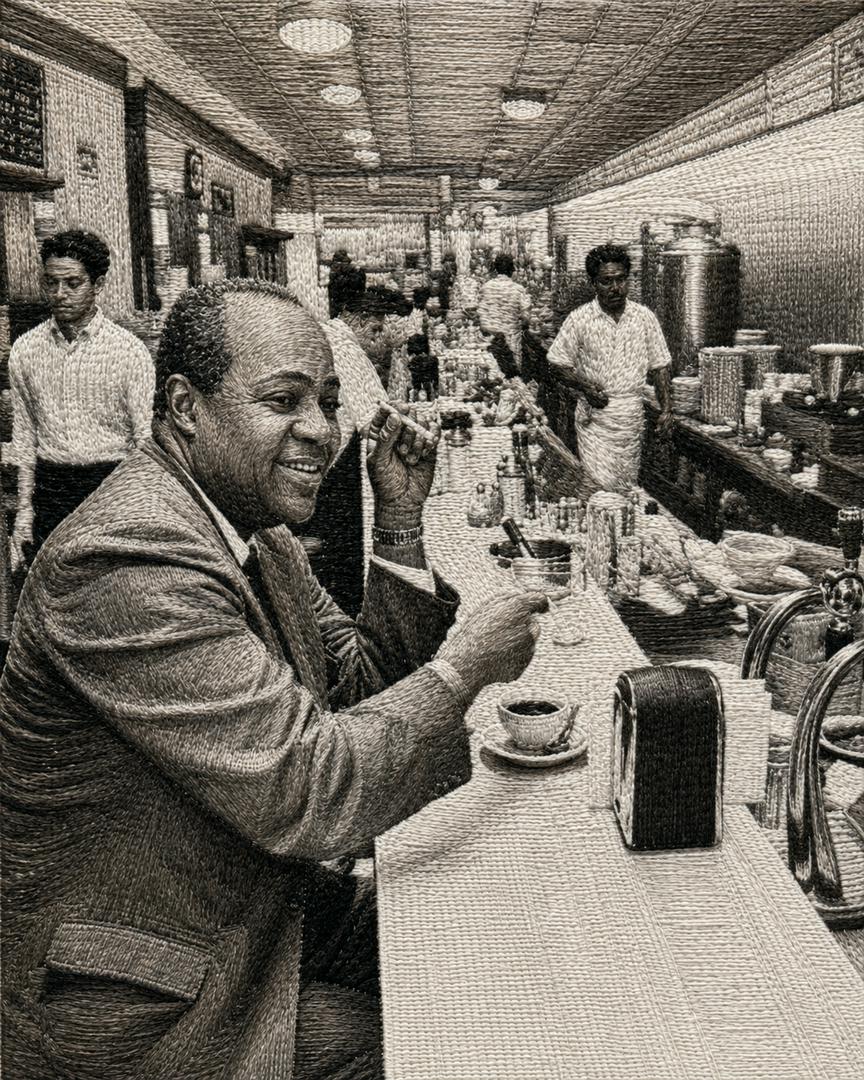
On May 15, 1943, Chicago CORE carried out one of the early organized sit-ins against discrimination in public accommodations. Twenty-eight people entered Jack Spratt in small groups. Each group included at least one African American person. White customers were served, while African American customers were refused. Instead of eating, the white participants passed food to their companions or refused to eat until everyone was served. The manager tried to separate the group, suggesting African American customers eat in the basement or in a back corner. Farmer refused. The police were called, but they reportedly said the protesters had broken no law. Eventually, the restaurant served everyone. Follow-up visits showed that Jack Spratt had changed its policy. This sit-in did not become as famous as the 1960 lunch counter protests, but it helped shape the playbook. It showed how disciplined, nonviolent direct action could expose discrimination without needing a courtroom first. Sometimes history does not begin where the textbooks start. Sometimes it starts with a donut, a counter, and people refusing to accept second-class treatment. #History #ChicagoHistory #JamesFarmer #CORE #CivilRightsHistory #AmericanHistory #May15

LataraSpeaksTruth

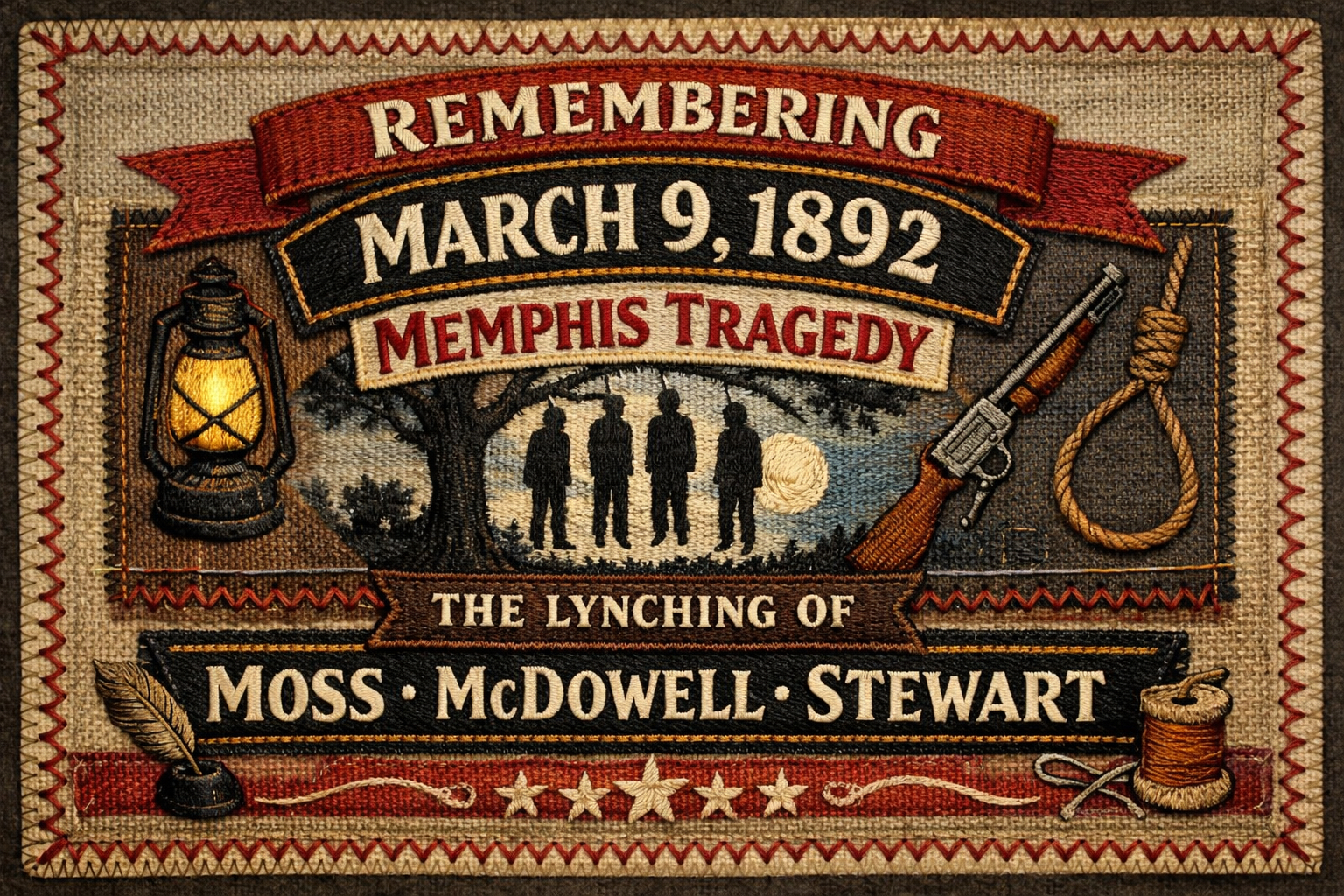
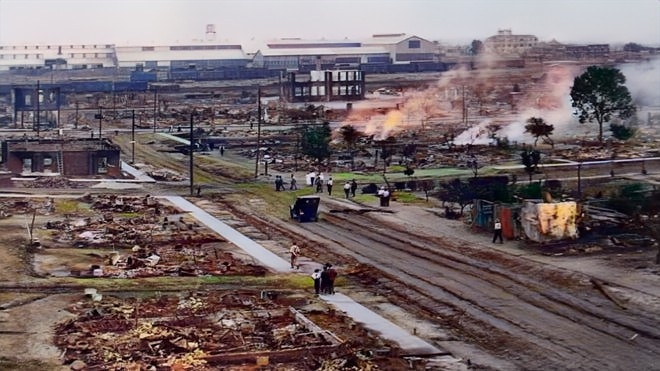
On March 9, 1892, Thomas Moss, Calvin McDowell, and Will Stewart were taken from a Memphis jail by a white mob and lynched. They were not criminals brought to justice. They were Black businessmen connected to the People’s Grocery, a successful Black owned store that had become a source of pride in the community and a threat to white resentment. Their murders were not random. They happened in a climate where Black progress itself could be treated as a target. Thomas Moss was more than a grocer. He was a respected postman, a family man, and a friend of Ida B. Wells. Moss, McDowell, and Stewart had built something meaningful in a world that often punished Black success for daring to exist. After a racial conflict near the store and rising white hostility, the three men were jailed. Then the law gave way to mob violence. In the dark of night, they were dragged out and killed without trial, without mercy, and without consequence for the people who did it. This was one of the moments that lit a deeper fire in Ida B. Wells. She had already begun speaking out, but the murder of these men made the truth even harder to ignore. She understood what many refused to say plainly. Lynching was not about justice. It was about power, terror, and control. It was a weapon used to crush dignity, silence progress, and remind Black people that even success could make them a target. The killing of Moss, McDowell, and Stewart remains one of the clearest examples of how racial violence was used to destroy not only lives, but community strength, economic independence, and hope. Their story still matters because it forces this country to face what was done when Black people tried to build for themselves. #OnThisDay #BlackHistory #IdaBWells #ThomasMoss #CalvinMcDowell #WillStewart #MemphisHistory #PeoplesGrocery #AmericanHistory #HiddenHistory

Guess_str

In 1870, Jonathan Jasper Wright made American historv when he was elected to the South Carolina Supreme Court becoming the first African American to hold a major judicial position at the state level. The moment passed without nationa celebration, but its significance was profound. A formerly enslaved man steppec into one of the highest legal institutions in the South during one of the most volatile periods in American history. Wright's election came during Reconstruction, when Southern states briefly expanded political and civic participation in the aftermath of the Civi War. Born in Pennsvlvania in 1840, Wright was educated and legally trained at a time when access to formal schooling was denied to most Black Americans. After relocating to South Carolina, he quickly earned respect as a legal thinker and public servant, serving first in the state senaterelocating to South Carolina, he quickly earned respect as a legal thinker and public servant, serving first in the state senate before his elevation to the court His role on the bench was substantive. not symbolic. Wright ruled on cases involving contracts, property disputes, and civil authority in a state struggling to redefine itself after slavery. His presence challenged long standing assumptions about who could interpret the law and whose judgment carried authority. Each decision he issued reinforced the reality that legal competence had never been confined to one race Wriaht's tenure was short. As Reconstruction collapsed and political retaliation intensified. he was removed from the bench in 1877 through impeachment proceedings widely viewed as racially motivated. The rollback of progress was swift, but the precedent remainedJonathan Jasper Wright's election reshaped American legal history. It proved that access to power could change, even briefly, and that once progress is recorded, it cannot be erased. #1870 #AmericanHistory #JudicialHistory #ReconstructionEra #SouthCarolinaHistory #LegalMilestones #HistoryMa

Tag: americanhistory - Page 17 | LocalAll