Tag Page americanhistory

#americanhistory
LataraSpeaksTruth

1863… Connecticut Approves a Black Civil War Regiment

On this day in 1863, the Connecticut General Assembly met in a special session to decide whether Black men could serve as front line soldiers in the Union Army. After a day of debate, lawmakers approved the measure, and Governor William Buckingham signed it into law on November 23. This decision opened the door for Black residents in Connecticut to enlist in a state infantry regiment for the first time. Recruiters began organizing almost immediately, and more than one thousand Black volunteers stepped forward in the following months. Their participation formed the 29th Connecticut Colored Infantry Regiment and helped begin a second unit, the 30th Connecticut. The 29th Connecticut mustered into service in early 1864 and later fought in major campaigns near Petersburg and Richmond. They were also among the first Union troops to enter Richmond when the city fell in April 1865. The decision made on November 23, 1863 marked a turning point in Connecticut’s military history and highlighted the essential role Black soldiers played in the Union’s efforts during the Civil War. #BlackHistory #TodayInHistory #CivilWarHistory #ConnecticutHistory #UnionArmy #29thConnecticut #HistoricalFacts #AmericanHistory #OnThisDay #HistoryMatters

1863… Connecticut Approves a Black Civil War Regiment
LataraSpeaksTruth

December 21, 1956 is often remembered as the end of the Montgomery Bus Boycott, but more precisely, it marks the first day Montgomery’s city buses operated as integrated in daily life. The legal battle had already been won, yet this morning mattered because it was when the ruling became visible, physical, and unavoidable. After more than a year of walking, carpooling, and enduring harassment, Black residents of Montgomery boarded buses alongside white passengers under a new reality. The Supreme Court decision banning bus segregation had finally reached Alabama, and the city was required to comply. December 21 was the morning the mandate moved from paper to pavement. That day, community leaders and ordinary citizens rode together. Among them was Martin Luther King Jr, who boarded a bus quietly, without fanfare. There were no speeches, no celebrations, and no cameras chasing spectacle. What made the moment powerful was its calm. People simply sat where the law now said they could sit. The boycott itself officially ended when the legal order took effect, which is why some summaries list earlier dates. But December 21 endures in public memory because it represents the first lived experience of change. It was not just a court victory. It was a morning commute transformed by discipline, unity, and resolve. For 381 days, Montgomery’s Black community refused to accept injustice as routine. On December 21, 1956, routine finally changed. History did not announce itself loudly that morning. It showed up on time, paid its fare, and took a seat. #MontgomeryBusBoycott #CivilRightsHistory #December21 #AmericanHistory #BlackHistory

LataraSpeaksTruth

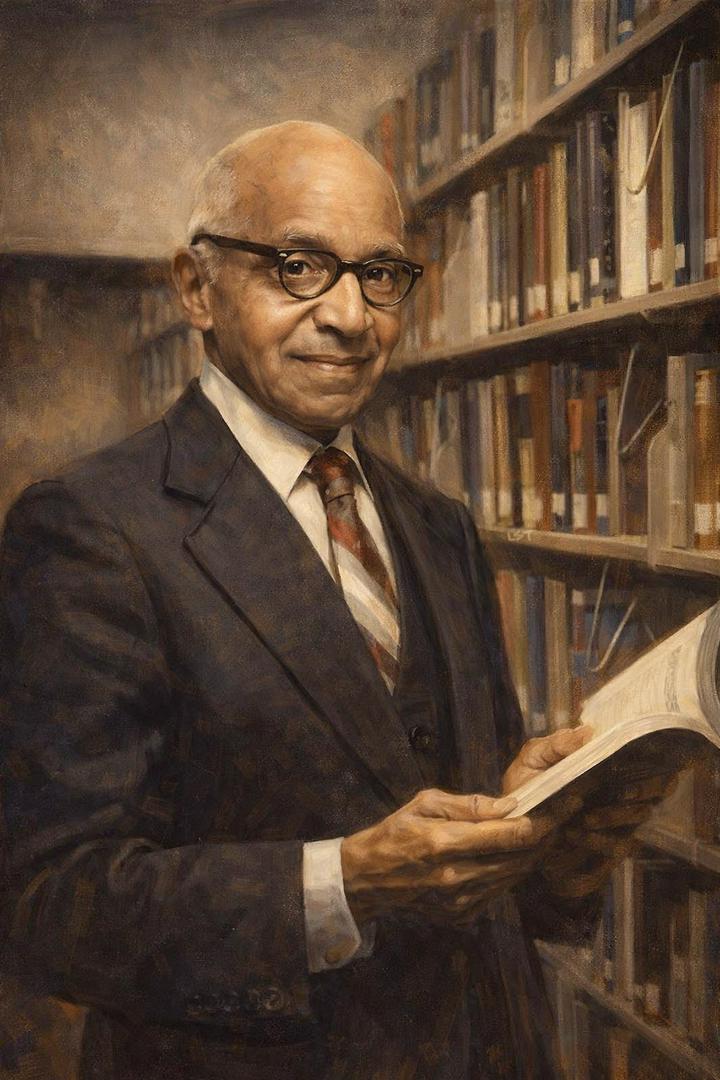
Macon Bolling Allen Admitted to the Massachusetts Bar in 1845

On November 26, 1845, Macon Bolling Allen stepped into a world that liked to pretend it had no room for him and still made space anyway. He became the first Black lawyer admitted to the Massachusetts bar, carrying a calm kind of courage that hits different when you realize the country was still tangled in slavery and hostility. Earlier in 1844 he had already passed the Maine bar exam, proving his skill long before many thought he would even be allowed to take the test. Massachusetts recognized that ability next, and from there he kept pushing forward, eventually serving as one of the first Black judges in the United States. His journey reads like a reminder that discipline and study can be rebellion when the world expects you to shrink. Allen found a way into rooms that were not built for him and left the doors open behind him. Every Black lawyer, judge, advocate, and student walking their own path today moves with echoes of his persistence. #MaconBollingAllen #OnThisDay #HistoryMatters #AmericanHistory #LataraSpeaksTruth

Macon Bolling Allen Admitted to the Massachusetts Bar in 1845
LataraSpeaksTruth

December 18 holds a quiet but powerful place in American history. On December 18, 1865, the United States officially proclaimed that the 13th Amendment had been ratified, permanently abolishing slavery nationwide. This was the moment emancipation became constitutional law, not a wartime order, not a promise tied to politics or conflict, but a legal reality written into the foundation of the country. By the time this proclamation was announced, many formerly enslaved people had already tasted freedom through the Emancipation Proclamation. But that earlier declaration did not apply everywhere and could be reversed if the war was lost. December 18 marked the point of no return. Slavery was no longer conditional. It was no longer regional. It was, on paper, dead. For Black communities, this date mattered because it represented confirmation. After generations of broken promises, delayed enforcement, and freedom that arrived late or not at all, December 18 was the federal government finally acknowledging what should have never required a constitutional amendment in the first place. The waiting was not symbolic. It was lived. People waited for news. They waited for certainty. They waited for something permanent. While celebrations like Freedom’s Eve are historically tied to December 31 and the Emancipation Proclamation, December 18 stands as the legal closing of slavery as an institution in the United States. It is not as widely remembered or publicly celebrated, but it represents the moment freedom was locked into law. Some dates shout. Others whisper. December 18 is one of the whispers that still deserves to be heard. #OnThisDay #December18 #AmericanHistory #13thAmendment #Emancipation #HiddenHistory #HistoryMatters

LataraSpeaksTruth

Born December 8, 1868, Henry Hugh Proctor entered the world just as Reconstruction was slipping away. The promises were fading, the tension was thick, and yet he grew into a leader who insisted that hope could be rebuilt if people were willing to do the work. Proctor did not simply become a minister. He became a community strategist, the kind of pastor who believed that faith without structure and support was just noise. When he stepped into leadership at Atlanta’s First Congregational Church, he treated the space like fertile ground. He preached, yes, but he also organized libraries, a gym, job assistance programs, cultural clubs, safe housing for young Black women, and music programs that strengthened spirits in a city determined to limit Black opportunity. He built a full-life resource center long before that phrase existed, proving that the church could be both sanctuary and engine. Proctor helped co-found the National Convention of Congregational Workers Among Colored People, creating a network for Black ministers who were pushing for progress in their own communities. After the violence of the 1906 Atlanta massacre, he worked on interracial committees that aimed to cool the hostility poisoning the South. He did this quietly, intentionally , and with the kind of steady courage that often goes unnoticed by history books. He was not chasing spotlight. He was shaping lives. His influence stretched far beyond his pulpit, carried in the people who found safety, dignity, and opportunity through the institutions he helped build. December 8, 1868 marks the birth of Henry Hugh Proctor, pioneering minister and committed community reformer. #HenryHughProctor #BlackHistory #OnThisDay #CommunityBuilder #AtlantaHistory #ReconstructionEra #FaithAndJustice #UnsungHeroes #AmericanHistory

LataraSpeaksTruth

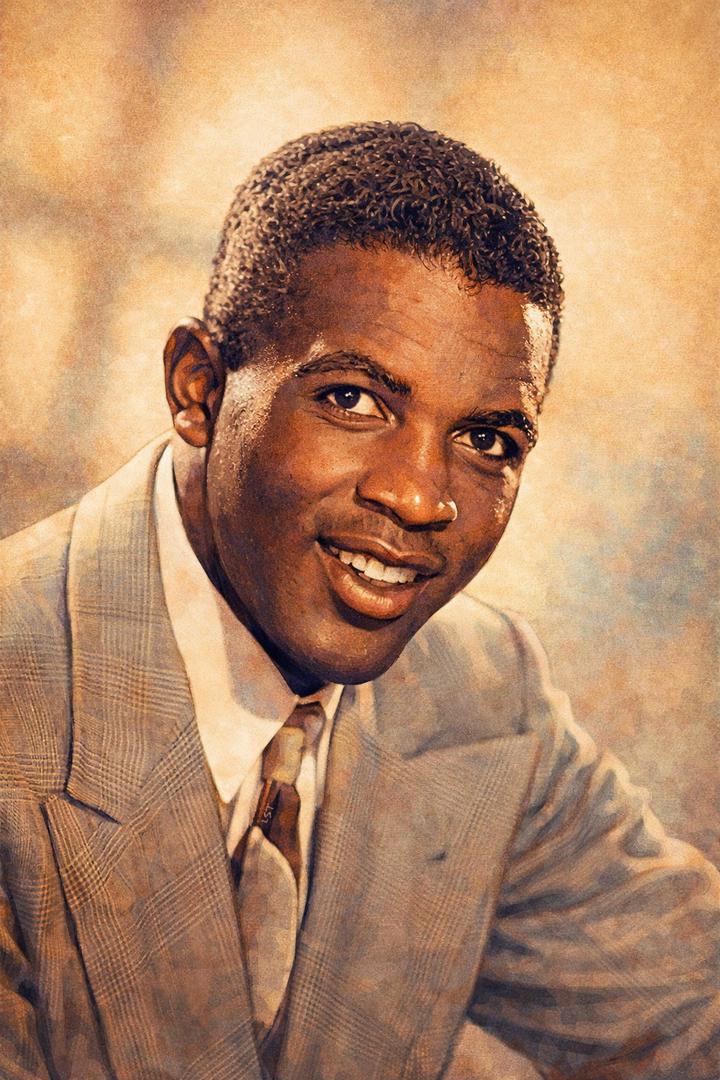
On January 23, 1962, Jackie Robinson was elected to the National Baseball Hall of Fame, becoming the first Black player ever inducted. The announcement marked more than a personal achievement…it was institutional acknowledgment of a man who changed the structure of American sports and forced the nation to confront itself. Robinson’s career with the Brooklyn Dodgers lasted just ten seasons, but its impact was permanent. When he broke Major League Baseball’s color barrier in 1947, he entered a league that was not prepared to accept him and often hostile toward his presence. He endured abuse from fans, opposing players, and even teammates, while being expected to respond with restraint, discipline, and excellence. He did all three. On the field, Robinson was relentless. Rookie of the Year. Six-time All-Star. National League MVP. World Series champion. But statistics alone cannot explain why his election mattered. Robinson represented a shift in who was allowed to belong, who could lead, and who could be honored by America’s most guarded institutions. His Hall of Fame election came while he was still alive, still outspoken, and still pushing for civil and economic equality beyond baseball. It was not a sentimental gesture…it was a recognition that the game itself had been transformed by his courage. Cooperstown could no longer tell its story honestly without him. Jackie Robinson did not just open a door. He stood in the doorway long enough for others to walk through, even when the cost was high. History remembers January 23, 1962 as the moment baseball formally admitted what the world already knew…the game would never be the same. #JackieRobinson #OnThisDate #BaseballHistory #HallOfFame #SportsHistory #AmericanHistory #Legacy #HistoryMatters

LataraSpeaksTruth

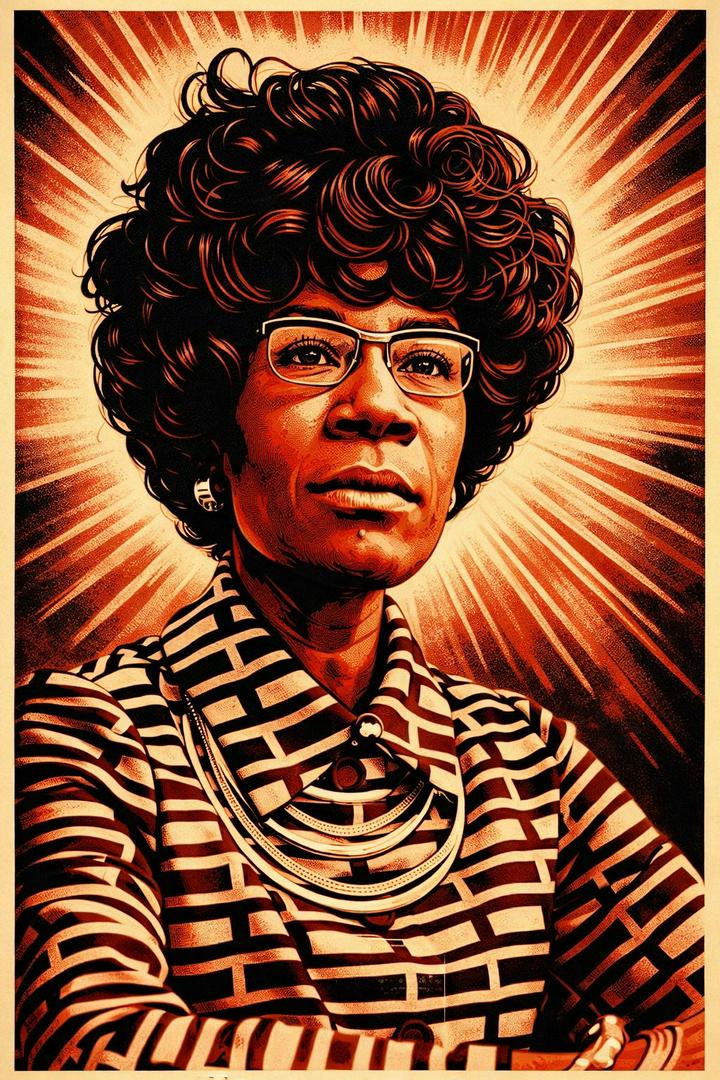
January 25, 1972, was not a symbolic gesture. It was a declaration. On this day, Shirley Chisholm officially launched her campaign for President of the United States, becoming the first woman and the first Black person to seek the Democratic Party’s nomination. She announced her run from Brooklyn, New York, grounded in community rather than power corridors, knowing full well the political terrain was hostile by design. Chisholm didn’t run because the moment was welcoming. She ran because the moment was overdue. At the time, she was already a sitting member of Congress, elected in 1968 as the first Black woman to serve in the U.S. House of Representatives. Her campaign slogan, “Unbought and Unbossed,” wasn’t rhetoric. It was a warning. She refused to be owned by party machines, donors, or expectations placed on who leadership was supposed to look like. The barriers were relentless. Limited funding. Minimal media coverage. Resistance from within her own party. Even so, Chisholm appeared on ballots in 12 states and earned delegates at the Democratic National Convention. She forced the country to confront questions it had avoided for generations…who gets to lead, who gets heard, and who decides what is “realistic.” This campaign wasn’t about winning by traditional measures. It was about widening the door so others could walk through it without asking permission. Every serious conversation today about representation, access, and political courage traces back to moments like this one. Chisholm’s run shifted the rules by daring to exist at all. History doesn’t only move through victories. Sometimes it moves through audacity. January 25, 1972, was one of those days. #ShirleyChisholm #January25 #OnThisDay #PoliticalHistory #WomensHistory #AmericanHistory #UnboughtAndUnbossed #Trailblazer #Leadership #Representation

LataraSpeaksTruth

December 20, 1868 marks the birth of Harvey Firestone, an American industrialist best known for founding the Firestone Tire and Rubber Company. Firestone was not a Black American, but his relevance to Black history is tied to the influence he exercised during a critical period of educational development in the early twentieth century. Firestone formed a professional relationship with Booker T. Washington, one of the most influential Black educators of the era. Washington promoted industrial education and economic self reliance as practical strategies for advancement within a segregated society. Firestone supported this philosophy through financial contributions and public advocacy, particularly in support of Tuskegee Institute. At a time when Black educational institutions were consistently underfunded, private donations often determined whether schools could expand programs or continue operating at all. Firestone’s backing helped strengthen Tuskegee’s vocational and industrial training initiatives, which emphasized skilled trades and applied learning. These programs prepared students for economic participation during an era when access to professional opportunities was severely restricted. This relationship reflects a broader historical reality. Progress frequently depended on decisions made behind the scenes by individuals who held financial power and social access. While such support did not challenge segregation directly, it helped build durable educational infrastructure that served generations of Black students. In this context, Firestone’s legacy is not one of leadership but of influence. His role illustrates how quiet financial support helped shape access and opportunity during a formative chapter in American history. #OnThisDay #BlackHistoryContext #EducationHistory #TuskegeeInstitute #AmericanHistory

Tag: americanhistory - Page 9 | LocalAll