Janice Lopez+FollowPowerful VersesGod never promised a life without battles, but He promised His presence in every single one. • • #Faith #trustgod #encouragement #Inspiration #bible #peace #christian #fyp #biblestudy1739Share
OneWordStudy+FollowOne Hebrew word changed how I understand feeling useless. In English, useless sounds harsh. Like you no longer matter. Like your season is over. But in Psalm 71:9, the psalmist pleads not to be cast off in old age. The Hebrew word behind this fear is ma’as. Ma’as doesn’t mean worthless. It means to be set aside. Still intact, but no longer chosen for use. This feeling is common later in life. When your skills are less requested. When decisions happen without you. When people thank you for what you used to do. The psalmist doesn’t pretend this fear is sinful. He brings it straight to God. Ma’as tells us this: Feeling set aside by people does not mean you’ve been discarded by God. #BibleStudy #HebrewWord51Share
OneWordStudy+FollowOne Hebrew word changed how I understand regret. In English, regret sounds like a mistake you should get over. Something to forgive yourself for and move on. But Genesis uses the word nacham. It means deep inner turning. Nacham is used for humans—and even for God. It describes pain that reshapes how you see everything. This kind of regret doesn’t fade easily. It grows with time. With hindsight. With clearer vision. Scripture does not treat regret as weakness. It treats it as seriousness. Nacham tells us regret is not proof you failed your life. It may be proof you took it seriously. #BibleStudy #HebrewWord #Regret #LifeReflection #SpiritualDepth228Share
OneWordStudy+FollowOne Greek word changed how I see endurance. In English, endurance sounds heroic. Like pushing harder and never slowing down. But the Greek word makrothymia means long-tempered. Literally, slow to boil. It describes someone who has learned to live with tension. Without exploding. Without quitting. This matters when life hasn’t improved, just continued. When endurance feels boring instead of brave. Scripture honors this kind of endurance quietly. Not because it looks strong, but because it lasts. Makrothymia says endurance doesn’t need applause to be real. #BibleStudy #GreekWord #Endurance #LongFaith #ChristianLife70Share
OneWordStudy+FollowOne Hebrew word changed how I understand being tired of believing. In English, tired sounds physical. Something rest should fix. But Isaiah uses the word ya’ef. It means deep weariness of the soul. Ya’ef appears when strength has been spent over time. Not suddenly. Not dramatically. Just slowly. This kind of tiredness scares believers. Because it feels spiritual. And shameful. Scripture does not shame it. It names it. Ya’ef reminds us that being tired of believing does not mean you stopped believing. It may mean you’ve been faithful for a very long time. #BibleStudy #HebrewWord #SpiritualFatigue #FaithAndAging #ChristianComfort181Share
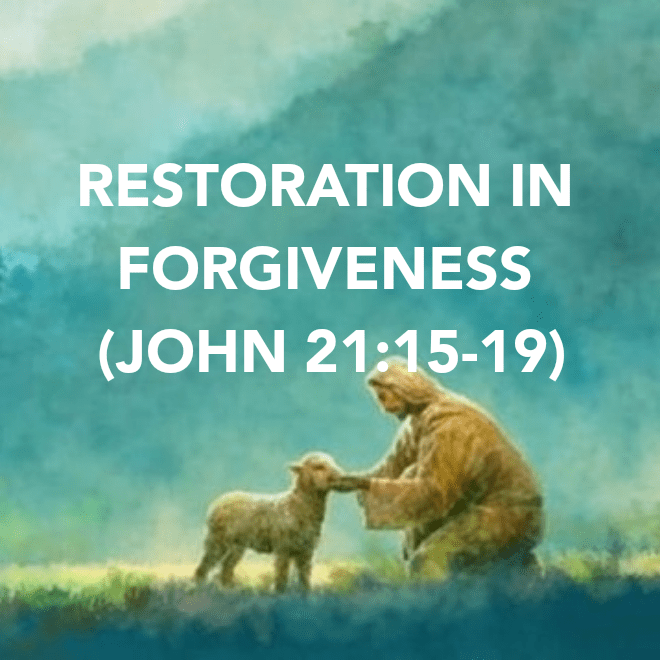
The Verse You Skipped+FollowI almost skipped John 21. I didn’t expect a quiet restoration. John 21 feels like an epilogue. The story already ended. Resurrection already happened. I thought it was optional. Then verse 15 changed everything. Jesus doesn’t confront Peter loudly. He asks one simple question—three times. “Do you love me?” No shaming. No replay of failure. Just restoration, gently layered over denial. This chapter reminded me that God doesn’t rush healing. He rebuilds trust slowly—and personally. #BibleStudy #TheVerseYouSkipped #John #Restoration #Grace #GospelReflection6910Share
The Verse You Skipped+FollowI skipped Ecclesiastes 4. I didn’t realize it was about loneliness. Ecclesiastes 4 sounds philosophical. Oppression. Labor. Vanity. But verse 8 stopped me cold. A man works endlessly. No family. No companion. No one to share it with. And the question hangs there: “For whom am I toiling?” This chapter isn’t abstract. It’s painfully human. It reminded me that success without connection still feels empty. And God sees that emptiness clearly. #BibleStudy #TheVerseYouSkipped #Ecclesiastes #Loneliness #LifeReflection #ScriptureInsight363Share
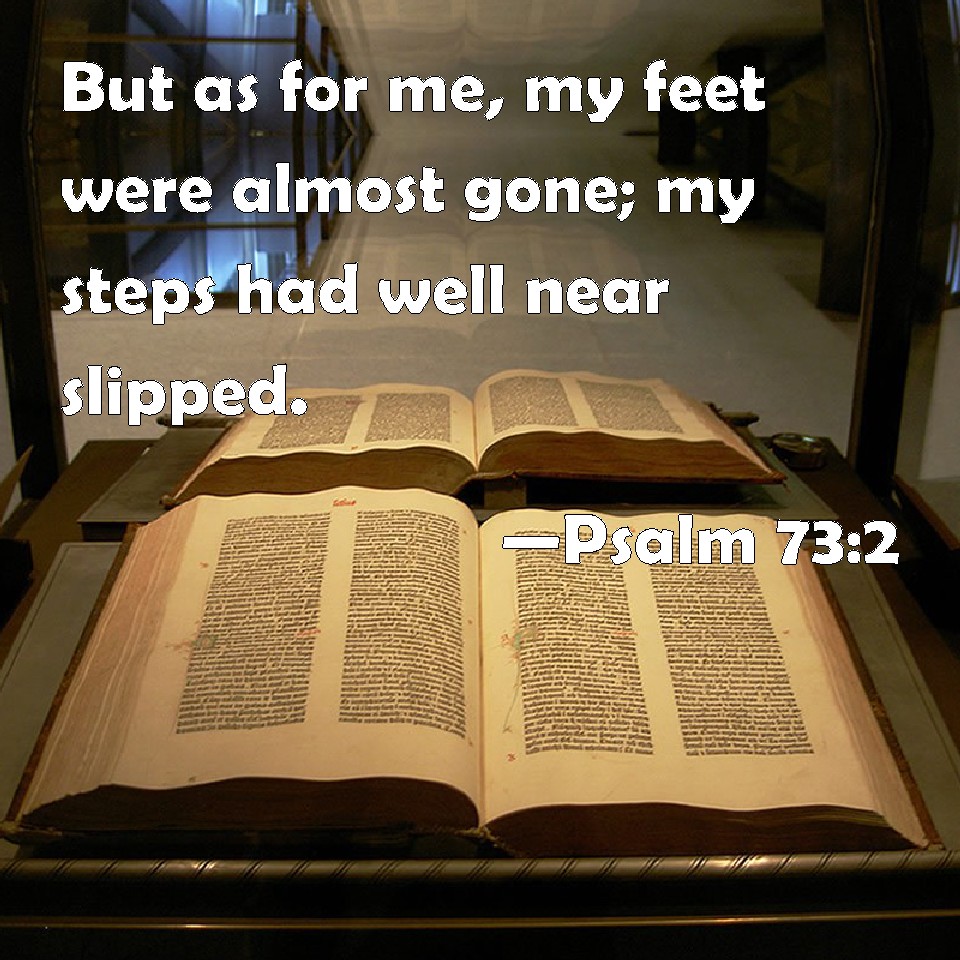
The Verse You Skipped+Follow I almost skipped Psalm 73. It asked the question I was afraid to say out loud. Psalm 73 starts dangerously honest. The writer admits envy. Frustration. Doubt. “I almost slipped.” That line hit me hard. This psalm gives voice to something many believers hide: Why do the arrogant seem to thrive while I struggle? And God didn’t censor that question. He included it. This chapter reminded me that faith isn’t pretending everything makes sense. It’s choosing to stay—even when it doesn’t. #BibleStudy #TheVerseYouSkipped #Psalms #HonestFaith #SpiritualStruggle #BibleReflection434Share
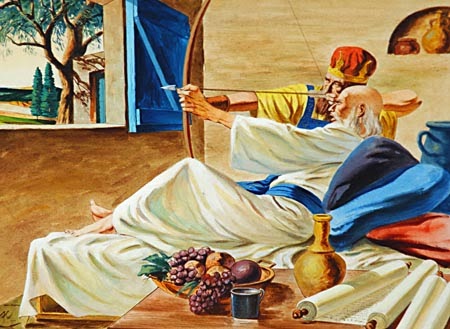
The Verse You Skipped+FollowI skipped 2 Kings 13. I didn’t expect God to work through leftovers. 2 Kings 13 feels like decline. A tired king. A dying prophet. No great revival in sight. Then verse 21 shocked me. A dead man touches Elisha’s bones— and comes back to life. Not through a sermon. Not through a prayer. But through what looked like leftovers. This chapter taught me something I needed to hear: God’s power doesn’t expire with age. Even when you feel finished, God may still use what remains. #BibleStudy #TheVerseYouSkipped #Kings #GodsPower #Hope #FaithJourney140Share
The Verse You Skipped+FollowI almost skipped Genesis 36. It felt irrelevant to my life. Genesis 36 is just Esau’s family. Names. Chiefs. Territories. Not the chosen line. Not the promise. I used to think, Why is this even here? Then I noticed something quiet but powerful. God records Esau’s story in full— even though the covenant doesn’t pass through him. This chapter reminded me that being outside the spotlight doesn’t mean being erased. God didn’t forget Esau. And maybe He hasn’t forgotten me, even when my life didn’t turn out the way I expected. #BibleStudy #TheVerseYouSkipped #Genesis #GodSeesYou #Grace #ScriptureReading264Share