Tag Page blackexcellence

#blackexcellence
LataraSpeaksTruth

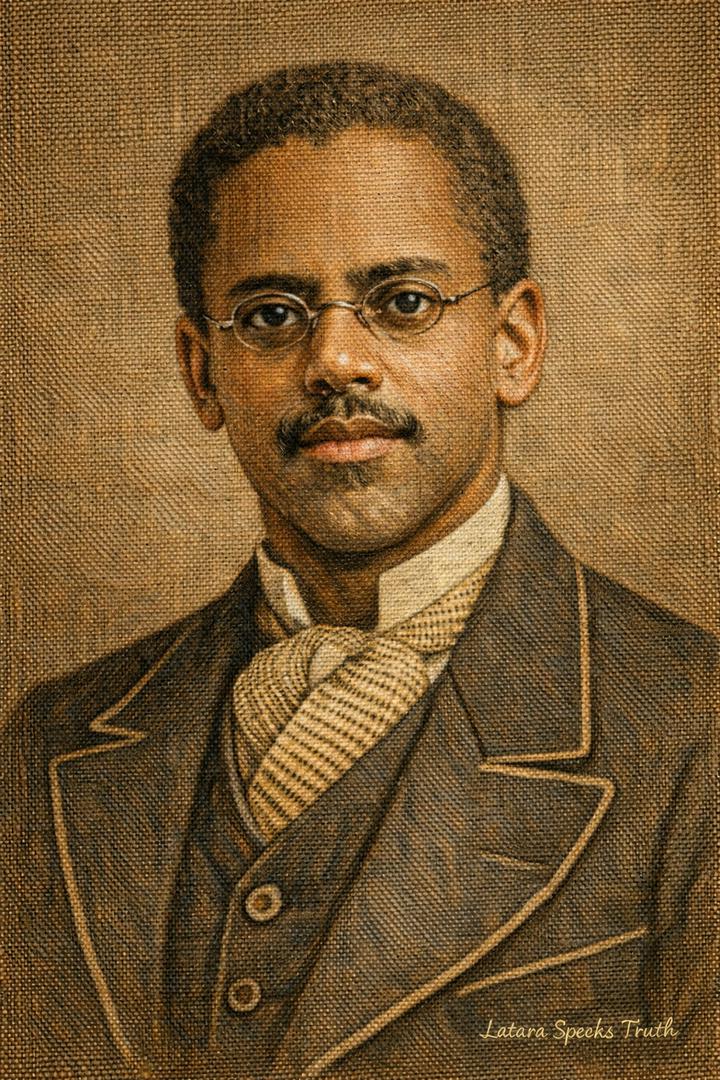
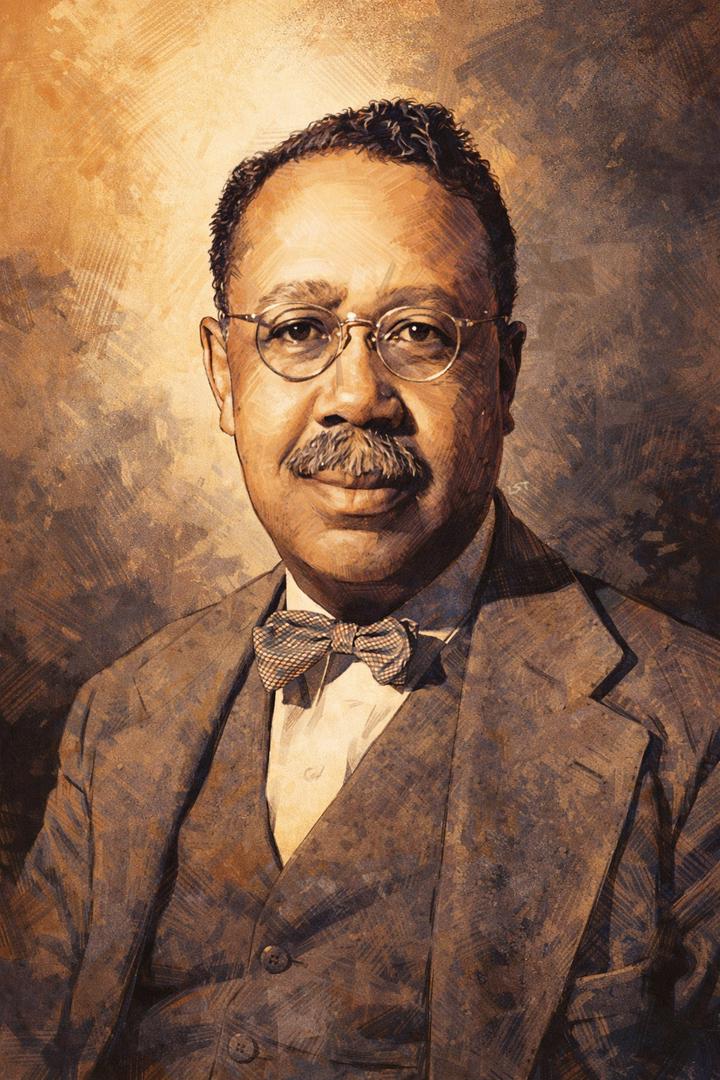
William Augustus Hinton 1883 to 1959 was a pioneering bacteriologist, pathologist, and educator whose work helped shape modern public health in the United States. Born on December 15, 1883, Hinton came of age during a time when medical education and scientific research were largely inaccessible to Black Americans. Despite those barriers, he earned his degrees at Harvard University and went on to make contributions that would save countless lives. Hinton is best known for developing what became known as the Hinton test, a blood test used to detect syphilis. At a time when existing tests were often unreliable, his method stood out for its accuracy and consistency. The test was adopted widely by public health departments and hospitals across the country, becoming a standard tool in disease detection and prevention. Beyond the laboratory, Hinton was a dedicated educator. He taught at Harvard Medical School for decades, training generations of physicians in bacteriology and pathology. In 1949, after years of teaching and research, he became the first Black professor in Harvard’s history, a milestone that reflected not a sudden breakthrough but a lifetime of quiet excellence. Hinton also authored a major medical textbook that further shaped laboratory medicine and public health practice. His legacy lives not only in scientific innovation but in the doors he opened through persistence, rigor, and commitment to saving lives. #WilliamAugustusHinton #MedicalHistory #PublicHealth #HarvardHistory #BlackExcellence #HiddenFigures #ScienceHistory #OnThisDay #HealthInnovation #LaboratoryMedicine

Dashcamgram

That’s how you give back with purpose. Moneybagg Yo is being praised after donating $20,000 to a Memphis-based youth program that supports teen parents working to finish school. The donation hit home for many, especially knowing Moneybagg Yo was raised by a teen mother himself. People are saying this isn’t just charity — it’s full-circle impact. By investing in young parents, he’s helping break cycles, keep teens in school, and give families a real chance at stability. Supporters are applauding him for putting money back into the same city that shaped him, while others are pointing out how powerful it is when public figures support education and parenting at the same time. Moments like this spark bigger conversations about community responsibility, generational change, and what real leadership looks like beyond music. Memphis isn’t just where he’s from — it’s who he’s still showing up for. #MoneybaggYo #Memphis #GivingBack #CommunityImpact #TeenParents #EducationMatters #BlackExcellence #HipHopGivesBack #PositiveNews

LataraSpeaksTruth

December 25 in the 1930s and 1940s quietly became one of the most important days for Black radio. While churches, concert halls, and public venues remained restricted or segregated, Christmas Day radio broadcasts allowed Black gospel music to move freely across the country. On this day, spirituals, choirs, sermons, and holiday messages reached households far beyond local communities, turning the airwaves into a sanctuary when physical space was denied. Radio mattered because it crossed boundaries people could not. Families who might never step inside a Black church still heard the music. Listeners encountered voices shaped by faith, survival, and tradition without seeing faces first. Gospel did not arrive as protest, but its presence challenged exclusion simply by existing in national soundspace. Christmas amplified that reach, giving Black spiritual expression a moment of visibility during a holiday associated with reflection and hope. These broadcasts also helped standardize and spread gospel as a national musical form. Regional styles traveled coast to coast, influencing future performers, choirs, and composers. What began as sacred music rooted in specific communities expanded through radio into a shared cultural language. Christmas programming made room for that expansion when few other platforms would. By the 1940s, Black gospel on Christmas radio was more than seasonal programming. It was infrastructure. It preserved tradition, strengthened cultural memory, and reminded listeners that faith, like sound, could not be segregated forever. December 25 became proof that even when doors were closed, voices still traveled. #BlackHistory #GospelMusic #RadioHistory #ChristmasDay #CulturalHistory #AmericanMusic #FaithAndCulture #HiddenHistory #BlackExcellence #MediaHistory

LataraSpeaksTruth

On December 25, 1932, Cab Calloway and his orchestra performed a nationally broadcast Christmas Day radio concert that reached audiences across a segregated America. At a time when Black artists were rarely allowed mainstream visibility without distortion or caricature, Calloway’s music moved freely through living rooms that would never have welcomed him in person. The sound carried elegance, swing, and confidence. It crossed boundaries quietly but decisively, challenging racial limits through sound alone. Radio did something dangerous that day. It humanized Black excellence without permission. Listeners did not see skin color first. They heard brilliance. Calloway’s presence on Christmas Day placed Black artistry at the center of a national moment rather than at its margins. This was not just entertainment. It was cultural negotiation happening in real time. While segregation still ruled streets and stages, the airwaves told a different story. December 25 became proof that Black influence could not be contained, even when the country tried. #BlackMusicHistory #JazzLegacy #CabCalloway #CulturalImpact #BlackExcellence #December25 #AmericanCulture

LataraSpeaksTruth

December 24, 1906. On this day, Josephine Baker was born, and history quietly underestimated her. Born into poverty in St. Louis, she came of age in a nation that craved her talent but denied her dignity. America wanted her onstage smiling, dancing, entertaining but not respected, protected, or treated as fully human. So she made a radical choice. She left. In France, Baker found what the United States refused to offer her at the time: freedom alongside fame. She became one of the most recognizable performers in the world, commanding European stages and redefining what it meant to be a Black woman in the spotlight. But sequins were never the whole story. During World War II, Baker served as an agent for the French Resistance, using her celebrity as cover to gather intelligence, conceal messages in sheet music, and transport information across borders. She risked her life fighting fascism. No costume patriotism. Real resistance. What stings is not only what she achieved, but what she had to leave behind to do it. Baker did not abandon America out of spite. She outgrew a country unwilling to grow with her. Even after global success, she confronted racism head on, refused to perform for segregated audiences, and later stood alongside civil rights leaders, including speaking at the March on Washington. December 24 marks more than a birthday. It marks the arrival of a woman who proved that talent does not need permission, dignity is not negotiable, and sometimes the loudest protest is choosing a life that refuses to shrink. She did not just escape limitations. She exposed them. #OnThisDay #December24 #JosephineBaker #HiddenHistory #WorldWarIIHistory #CulturalHistory #Resistance #Legacy #BlackExcellence #AmericanHistory #HistoryThatMatters
LataraSpeaksTruth

December 10 marks a moment that shook the sports world in 1965. Sugar Ray Robinson, the man many still consider the greatest boxer to ever lace a pair of gloves, officially stepped away from the ring and closed a career that feels almost mythical in hindsight. He retired with world titles in the welterweight and middleweight divisions and more than 100 knockouts across eras where every fight was a battle for legacy. Sugar Ray wasn’t just skilled, he was the blueprint. Footwork light as conversation, timing sharp as intuition, movement that looked like it should have been captured in poetry instead of film. He shifted how fighters trained, strategized, dreamed. Whole generations studied him. Whole styles were born from his rhythm. His retirement on this day was bigger than a personal decision. It marked the end of a chapter in American sports history, a moment where fans knew they were watching the closing of something rare, something unmatched. A career that rewrote expectations. A fighter who redefined excellence. A legend who stood alone. There are champions. There are icons. And then there is Sugar Ray Robinson, a name that still commands respect every single time it’s spoken. His legacy didn’t end with retirement. It expanded, echoing through every fighter who studied the art of footwork, precision, and heart. #BlackHistory #BlackExcellence #OnThisDay #SportsHistory #BoxingHistory #SugarRayRobinson #LataraSpeaksTruth