Tag Page blackhistory

#blackhistory
LataraSpeaksTruth

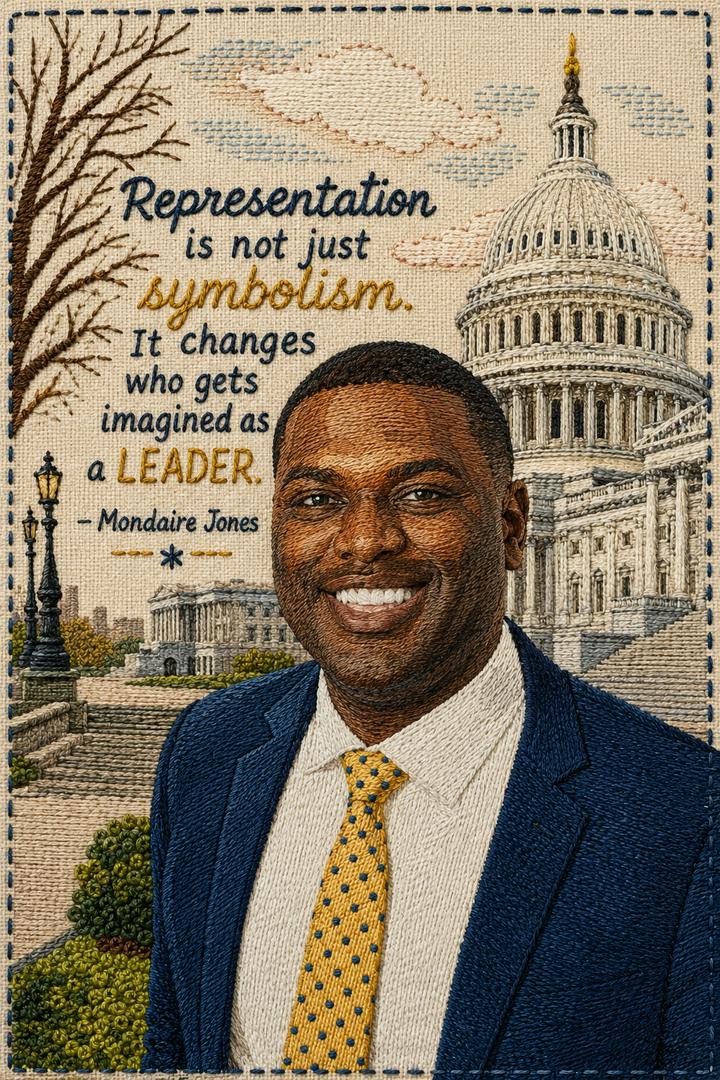
1987… Mondaire Jones was born. Mondaire Jones was born on May 18, 1987, in Nyack, New York. His place in political history was secured in 2020, when he and Ritchie Torres became the first openly gay Black men elected to Congress. Jones represented New York’s 17th Congressional District from January 2021 to January 2023. His time in Congress was not long, but the history attached to his election still matters. For generations, American politics did not make much room for people who stood outside the usual image of power. Jones entered that space as a young Black gay man from Rockland County, raised outside the wealthy political circles that often shape who gets heard. He graduated from Stanford University and earned his law degree from Harvard Law School before working as an attorney. In Congress, he became known as a progressive voice who spoke on voting rights, democracy, civil rights, and equal protection under the law. His story is also a reminder that representation is not just about symbolism. It changes who gets imagined as a leader. It tells people watching from the outside that leadership was never meant to belong to only one kind of person. Mondaire Jones did not serve a long congressional career, but history is not only measured by how long someone stays in office. Sometimes history is made by walking through a door that had been closed for too long. Born May 18, 1987, Mondaire Jones remains part of an important political milestone in American history. Sources: U.S. House History, Biographical Directory of the U.S. Congress, TIME, Them #MondaireJones #OnThisDay #PoliticalHistory #BlackHistory #LGBTQHistory #AmericanHistory #RepresentationMatters #HistoryMatters

LataraSpeaksTruth

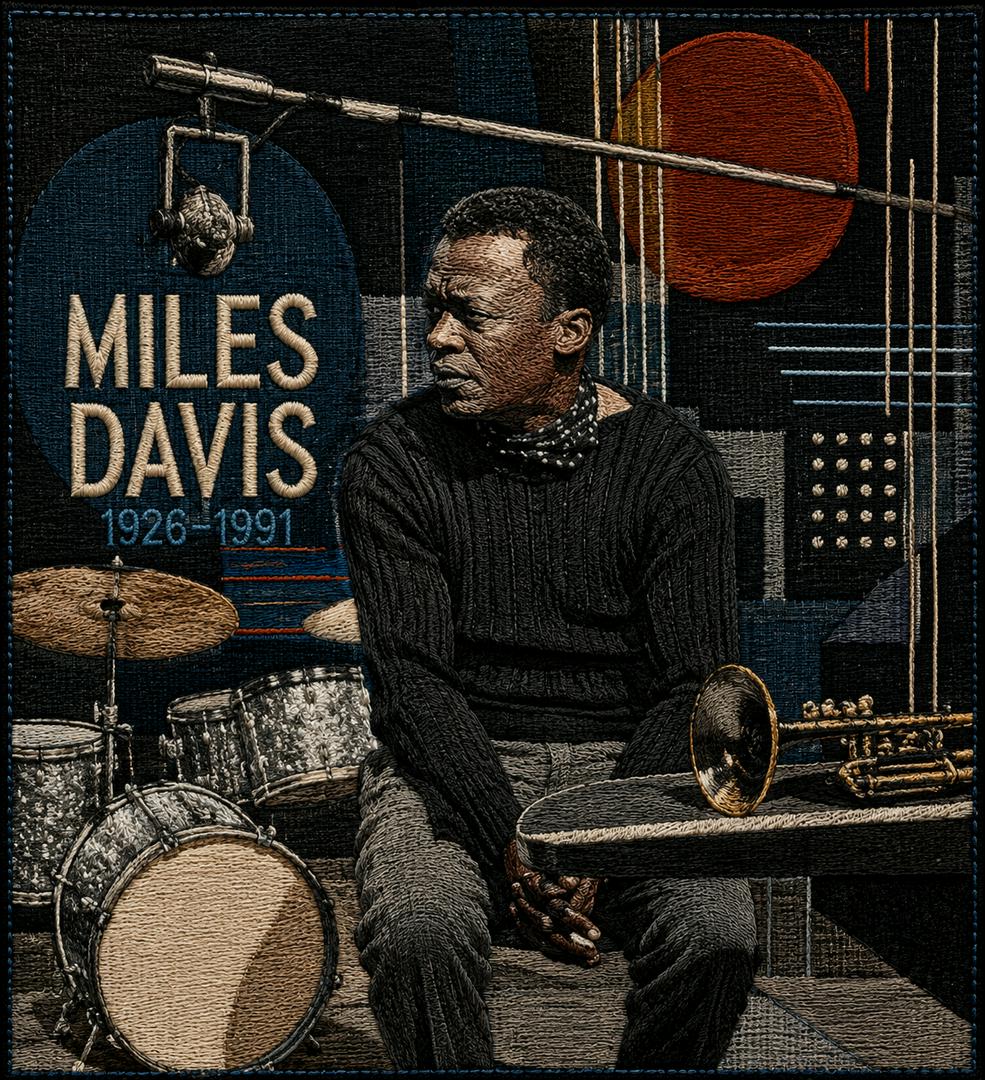
On May 26, 1926, Miles Davis was born in Alton, Illinois. He became one of the most influential musicians in jazz history, not by staying in one lane, but by changing the road completely. Miles first rose during the bebop era alongside artists like Charlie Parker and Dizzy Gillespie. But he did not stop there. He helped shape cool jazz with Birth of the Cool, then helped redefine modern jazz again with Kind of Blue, one of the most celebrated jazz albums ever recorded. By the late 1960s and 1970s, Miles pushed jazz into bold new territory, blending it with rock, funk, electric instruments, and experimental sounds. That shift helped build what became known as jazz fusion. What made Miles Davis powerful was not just the trumpet. It was vision. His sound could be quiet, sharp, moody, distant, emotional, and unforgettable all at once. He knew how to make silence speak. He also had an eye for talent, with many musicians from his bands later becoming legends themselves. Miles Davis did not simply play jazz. He challenged it. He stretched it. He made it evolve. Nearly a century after his birth, his influence can still be heard across jazz, hip-hop, R&B, film scores, and modern music production. Some artists belong to an era. Miles Davis helped create several. #MilesDavis #JazzHistory #BlackHistory #MusicHistory #OnThisDay

LataraSpeaksTruth

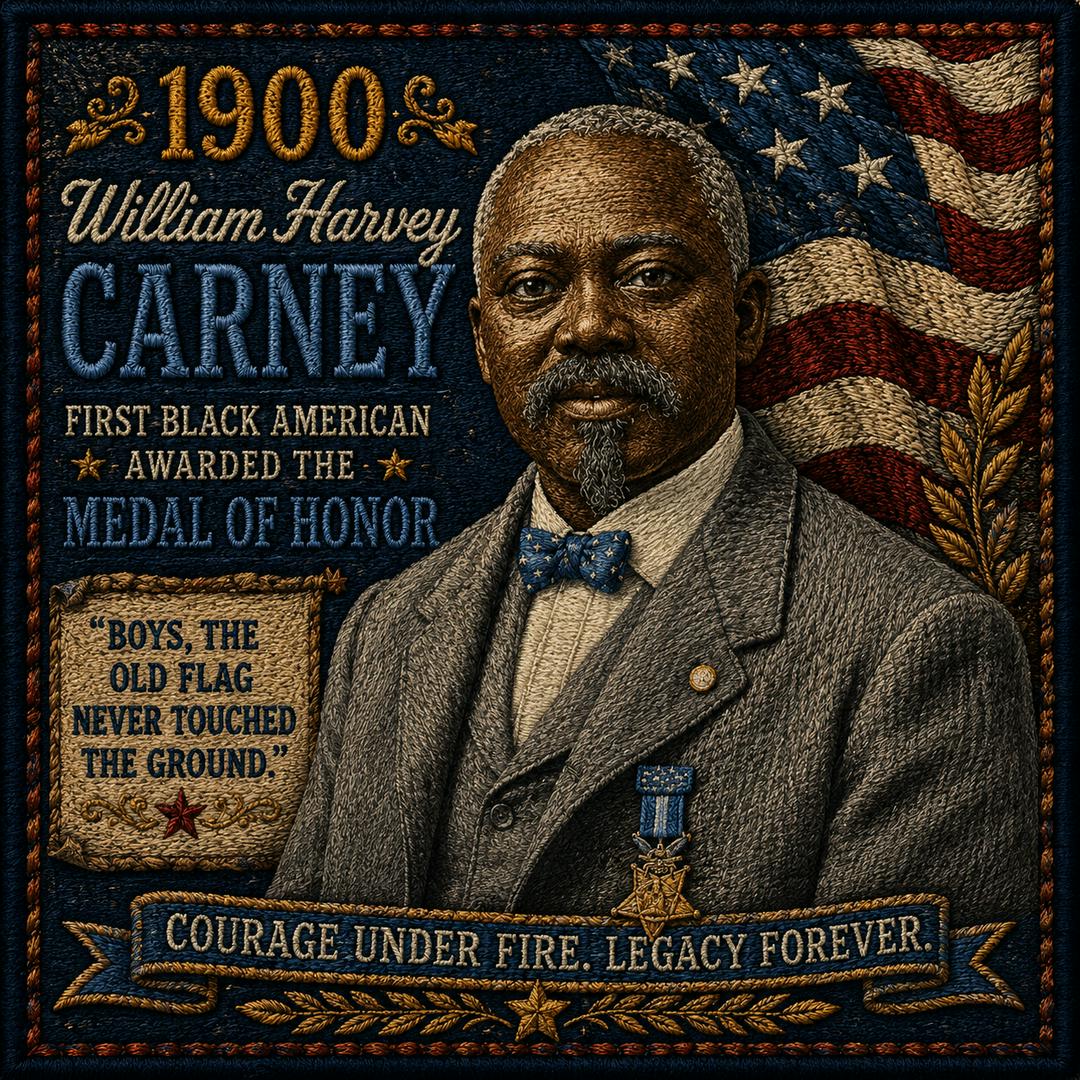
M1900…William Harvey Carney received the Medal of Honor for his actions during the Civil War, becoming known for the earliest act of bravery by a Black American to be recognized with the nation’s highest military honor. But the story behind that medal began decades earlier…on the battlefield at Fort Wagner in 1863. Carney was a soldier in the famous 54th Massachusetts Infantry Regiment…one of the first officially recognized Black military units to fight for the Union during the Civil War. During the brutal assault on Fort Wagner in South Carolina, the regiment faced deadly Confederate fire. Soldiers fell all around him as the American flag bearer was struck down. Carney refused to let the flag touch the ground. Despite being wounded multiple times, he grabbed the flag and pushed forward under heavy gunfire. Witnesses said he carried the flag through the chaos while bullets tore through the battlefield around him. Even after being injured, he protected the flag and brought it back safely to Union lines. His reported words afterward became legendary: “Boys, the old flag never touched the ground.” At a time when Black Americans were still fighting to be recognized as full citizens, Carney’s courage challenged racist beliefs about loyalty, bravery, and citizenship. Although other Black soldiers received the Medal of Honor before Carney physically received his in 1900, his actions at Fort Wagner were the earliest by a Black American to later be recognized with the award. His recognition came nearly 37 years after the battle itself. That delay says a lot about the era. Black soldiers helped preserve the Union while also fighting for their own dignity in a country that still denied them equal rights. Today, William Harvey Carney remains a symbol of courage, endurance, and determination under impossible circumstances. History often remembers the battles. But sometimes the deeper story is who had to fight just to be remembered at all. #BlackHistory

LataraSpeaksTruth

January 13, 1777 did not arrive with celebration or ceremony, but it carried one of the clearest moral confrontations of the Revolutionary era. On this day, Prince Hall and seven other Black men formally petitioned the Massachusetts legislature for freedom on behalf of those held in bondage. Their argument was not emotional pleading. It was political, logical, and devastatingly precise. If the colonies were fighting a war over natural rights and liberty, then slavery stood in direct contradiction to the very ideals being proclaimed. The petitioners pointed to the hypocrisy plainly. They reminded lawmakers that Black men were being taxed, governed, and even conscripted, while denied the freedom those sacrifices were supposedly defending. This was not a request for gradual reform or future consideration. It was a direct challenge to the legitimacy of slavery itself. The men asserted that freedom was not a gift to be granted at convenience but a right already owed. The legislature did not immediately abolish slavery in response. Power rarely moves that fast. But the petition mattered because it created a permanent written record of resistance from within the system. It forced lawmakers to confront the contradiction in ink, preserved in official archives. It also helped lay the groundwork for later legal challenges that would ultimately dismantle slavery in Massachusetts by the early 1780s. Prince Hall would go on to become one of the most influential Black leaders of the eighteenth century, founding Black institutions, advocating education, and organizing community defense. But on January 13, 1777, his legacy was already clear. He understood that freedom is not begged for quietly. It is demanded clearly, publicly, and without apology. History remembers battles and speeches. It should also remember petitions like this one. Because sometimes the most dangerous thing to a system built on contradiction is a document that tells the truth. #OnThisDay #January13 #America

LataraSpeaksTruth

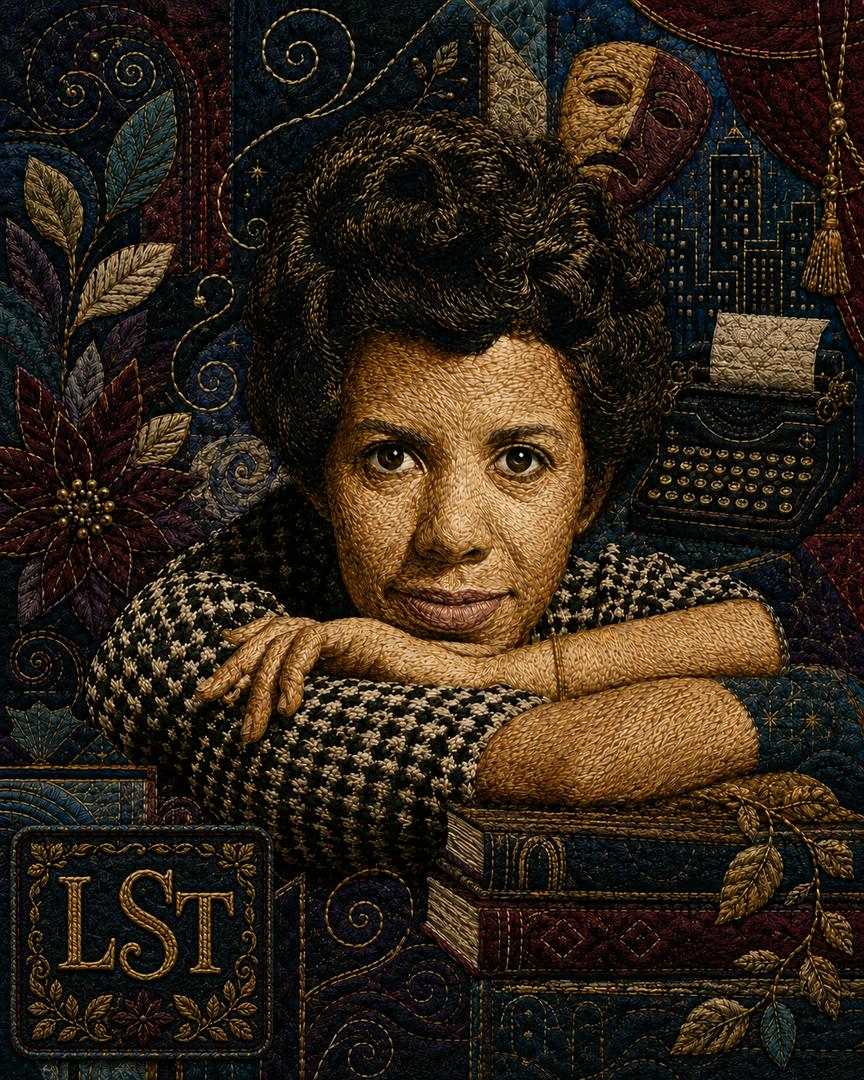
May 19, 1930, Lorraine Hansberry was born in Chicago, Illinois, and the world received a writer who would not just enter American theater…she would change it. Hansberry became best known for A Raisin in the Sun, a play centered on the Younger family, a Black working-class family in Chicago trying to hold on to dignity, dreams, and each other while facing money struggles, racism, housing discrimination, and the weight of being Black in a country that kept putting walls in front of them. When A Raisin in the Sun opened on Broadway in 1959, Lorraine Hansberry made history as the first Black woman playwright to have a play produced on Broadway. That was not a small “first.” That was a door being kicked open in a space that had not been built with Black women in mind. And she did it at only 29 years old. The title came from Langston Hughes’ poem Harlem, where he asked what happens to a dream deferred. Hansberry answered that question through a family that wanted more than survival. They wanted a home. They wanted respect. They wanted a future. That is why the play still matters. It was not just about one family in one apartment. It was about the dreams Black families were told to shrink, delay, or bury. It showed the beauty, frustration, pride, fear, humor, and pain inside Black life without flattening it for anybody’s comfort. Hansberry was also more than a playwright. She was a thinker, activist, and truth-teller who used her voice to speak on race, gender, class, and justice. Her life was short, but her impact was not. She died in 1965 at only 34 years old, but the work she left behind still walks into classrooms, theaters, conversations, and movements like it never left. Lorraine Hansberry did not just write a play. She wrote a reminder that Black dreams were never meant to dry up in silence. #LorraineHansberry #ARaisinInTheSun #BlackHistory #BlackWomenInHistory
LataraSpeaksTruth

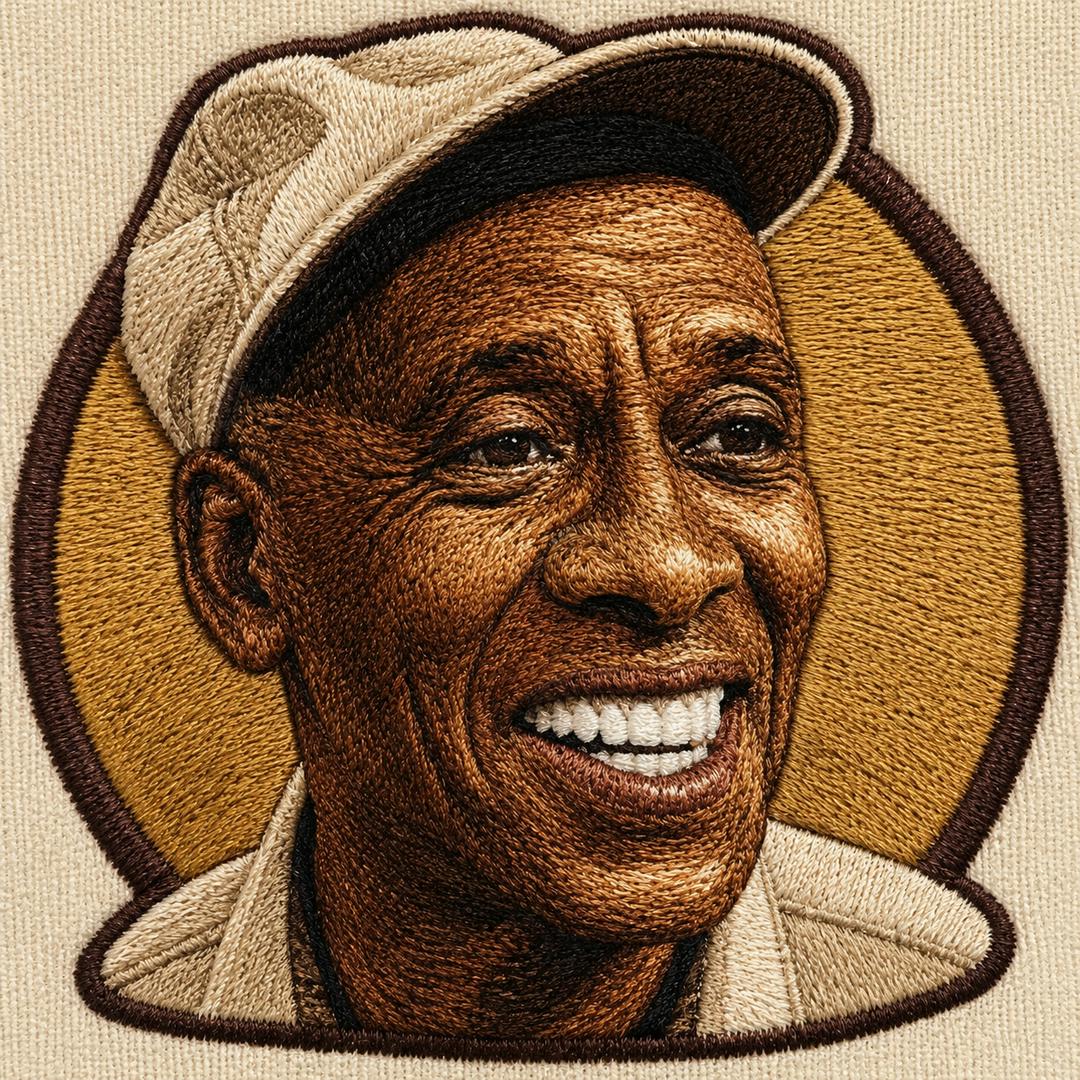
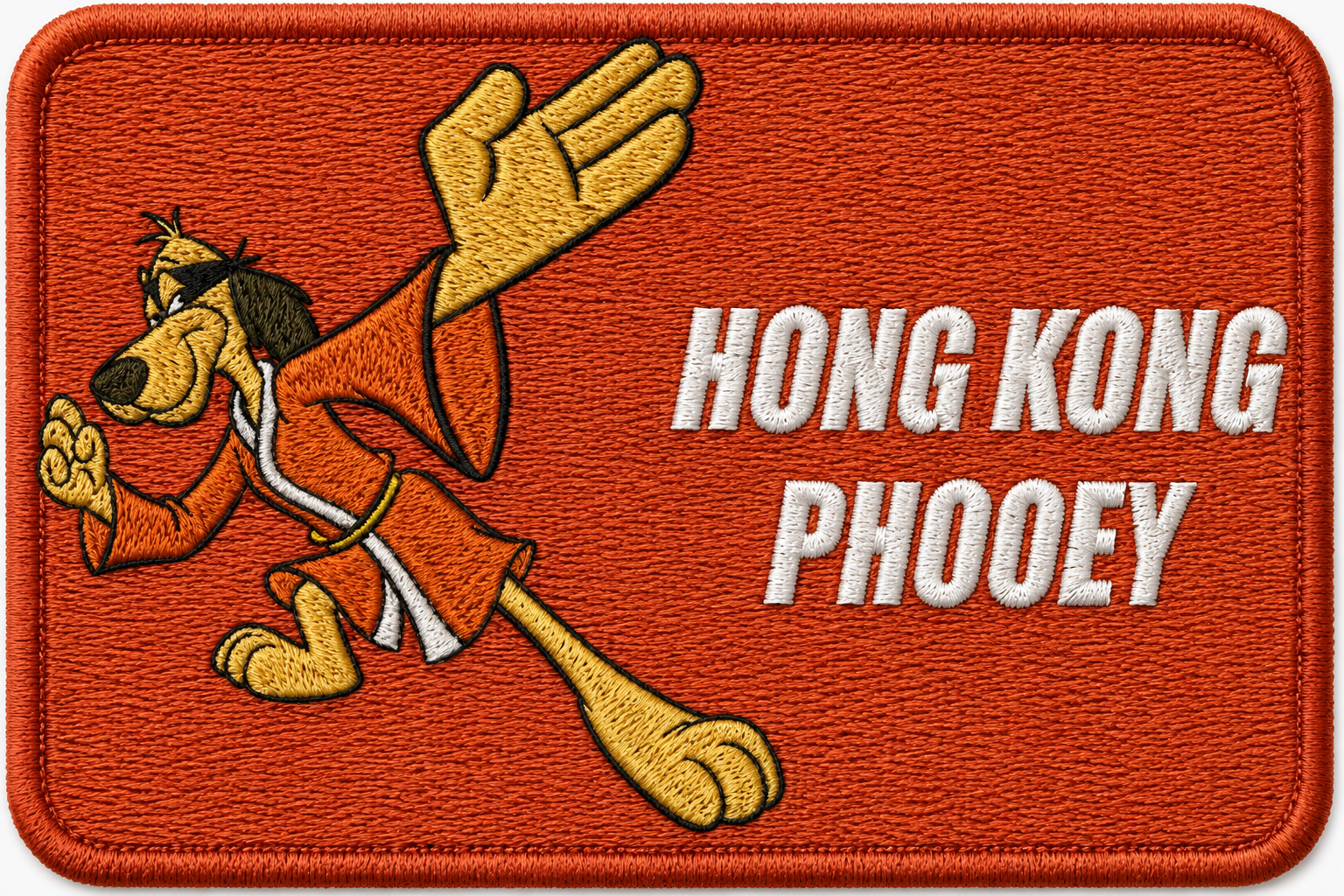
1910…Scatman Crothers was born. Before many people knew his face from film and television, Benjamin Sherman Crothers had already built a life around sound. Born in Terre Haute, Indiana, Crothers became known as a singer, musician, actor, dancer, and voice artist whose career stretched across generations. His nickname “Scatman” came from his scat singing style, a form of vocal improvisation rooted in jazz. To some viewers, he will always be Dick Hallorann from The Shining, the warm and watchful hotel cook whose presence gave the story a human heartbeat. To others, he was the unforgettable voice behind Hong Kong Phooey, the cartoon crime-fighting dog who became a childhood favorite. But Crothers was much more than one role. He appeared in Chico and the Man, The Aristocats, The Transformers, Roots, Sanford and Son, The Twilight Zone Movie, and many more projects. His voice carried charm. His face carried kindness. His performances carried decades of work across music, television, film, and animation. Scatman Crothers had one of those careers that quietly touched everybody’s childhood, movie nights, cartoons, and memories. He was not just a familiar face. He was a familiar feeling. A reminder that some legends do not need to shout to be remembered. Their voice does it for them. #ScatmanCrothers #BlackHistory #HollywoodHistory #ClassicTelevision #LataraSpeaksTruth

LataraSpeaksTruth

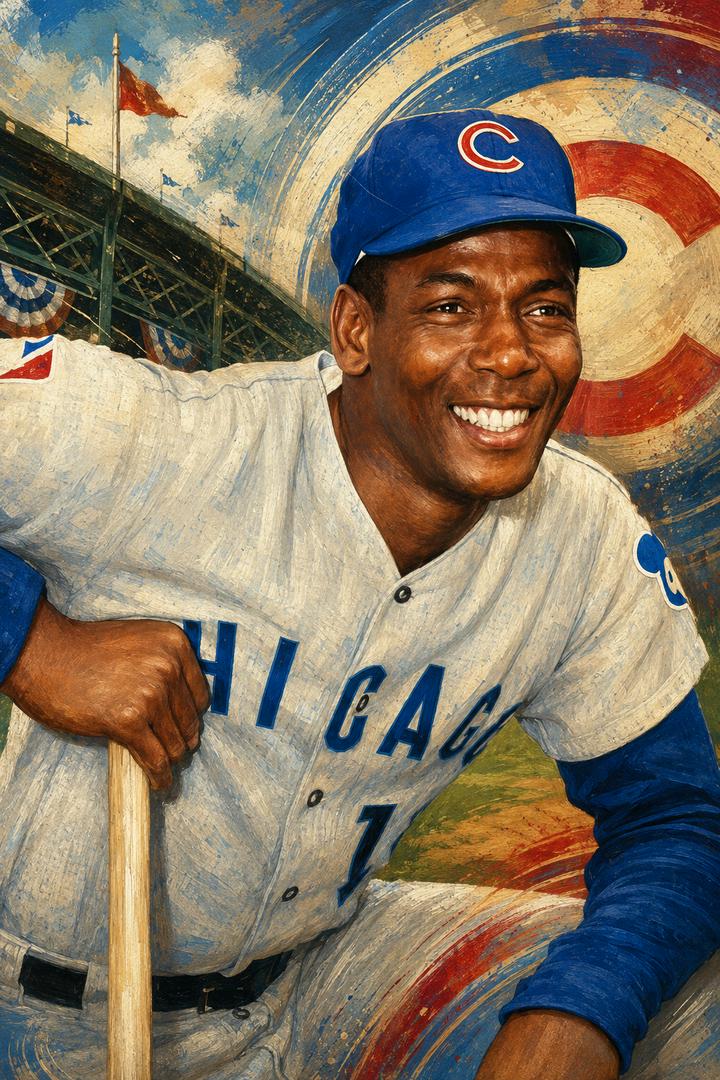
May 12, 1970… Ernie “Mr. Cub” Banks hit his 500th career home run at Wrigley Field. By the time Banks stepped to the plate that afternoon, he was already one of baseball’s most beloved figures. But in the bottom of the second inning against the Atlanta Braves, he added another line to history. Facing right-hander Pat Jarvis, Banks drove a 1-and-1 pitch over the left-field wall and became just the ninth player in Major League Baseball history to reach 500 home runs. The number mattered, but Banks’ story was bigger than the milestone. Before he became Mr. Cub, he played for the Kansas City Monarchs of the Negro leagues, part of a baseball world that produced some of the greatest talent America had ever seen, even when Major League doors had not fully opened. The Monarchs helped shape him before selling his contract to the Chicago Cubs in 1953. When Banks debuted for Chicago that September, he became the franchise’s first Black player. Banks did not just bring power to Chicago. He brought joy. His famous spirit, his love for the game, and his phrase “Let’s play two” became part of baseball language. He played through years when the Cubs gave him few postseason moments, but he still gave the city a reason to believe. That 500th home run was not just a swing. It was a bridge from the Negro leagues to Major League Baseball, from exclusion to recognition, from raw talent to permanent legacy. It also reminded fans that the record books often arrive late to the truth. Long before the applause at Wrigley, Banks had been forged by a game that demanded greatness without always giving greatness its due. Banks finished his career with 512 home runs and was inducted into the Baseball Hall of Fame in 1977. But for Cubs fans, he was never just a Hall of Famer. He was Mr. Cub. And on May 12, 1970, Wrigley Field watched him step into history. #ErnieBanks #MrCub #ChicagoCubs #BlackHistory #BaseballHistory #MLBHistory #NegroLeagues

LataraSpeaksTruth

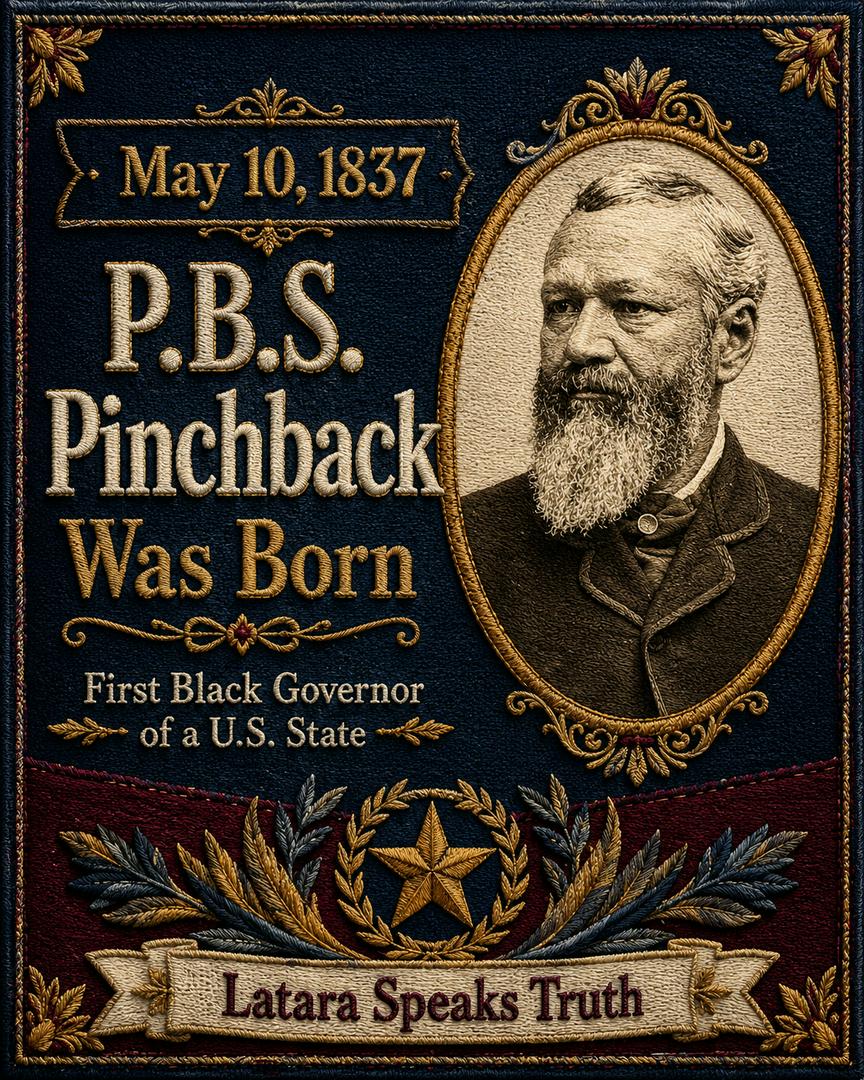
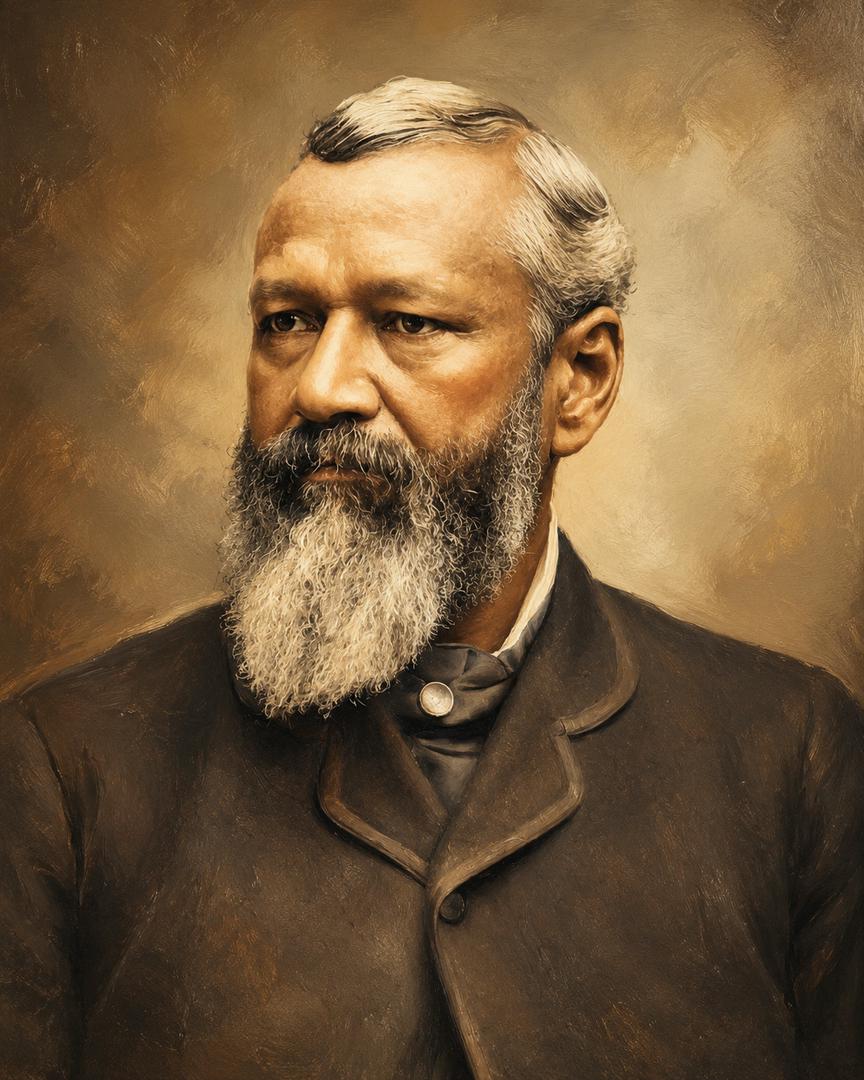
On May 10, 1837, Pinckney Benton Stewart Pinchback was born near Macon, Georgia. His name may not be taught as often as it should be, but his life belongs in the center of America’s Reconstruction story. Known as P.B.S. Pinchback, he was born free at a time when freedom for Black people in the South could still be fragile, challenged, and dangerous. After his father died, his mother took the family to Ohio to protect their freedom. That decision helped shape the path of a man who would later step into history. During the Civil War, Pinchback served in the Union Army and helped recruit Black soldiers. After the war, he entered politics in Louisiana during Reconstruction, a period when formerly enslaved people and free Black citizens pushed for voting rights, education, public office, and a new kind of power in the South. Pinchback rose through Louisiana politics and became lieutenant governor. Then, in December 1872, after Governor Henry Clay Warmoth was suspended during an impeachment dispute, Pinchback briefly served as acting governor of Louisiana. That made him the first Black person to serve as governor of a U.S. state. His time in office lasted only a few weeks, from December 1872 to January 1873, but the meaning of it was much larger than the length of the term. In a nation still fighting over the future of freedom, a Black man stood at the head of a Southern state government. Pinchback was also elected to the U.S. Senate, but he was never allowed to take his seat. That part of his story says plenty about the promise of Reconstruction and the resistance that worked to limit it. P.B.S. Pinchback’s story is not just a political footnote. It is a reminder that Black leadership after the Civil War was real, powerful, and often deliberately pushed out of the spotlight. Born May 10, 1837. Remember the name. #BlackHistory #OnThisDay #PBSplashback #ReconstructionHistory #NewsBreak

You've reached the end!