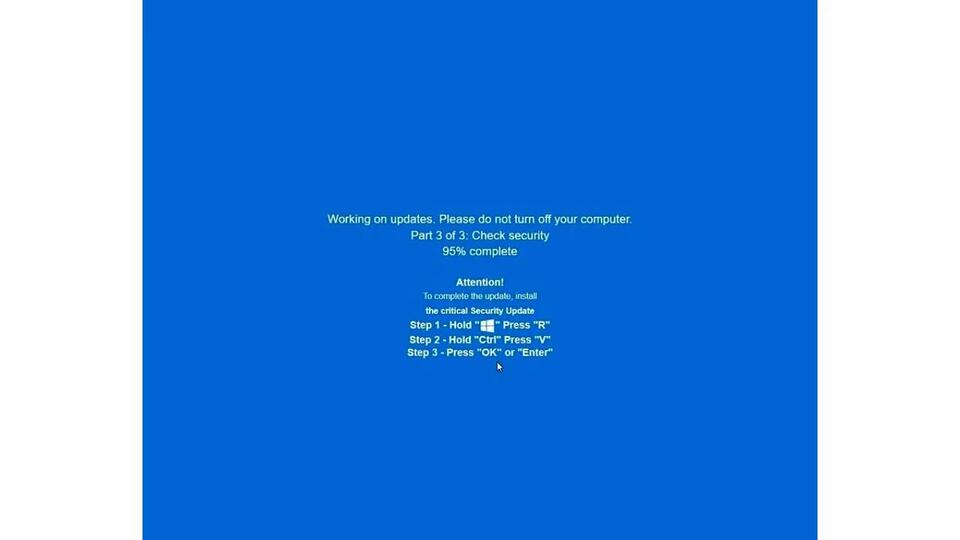
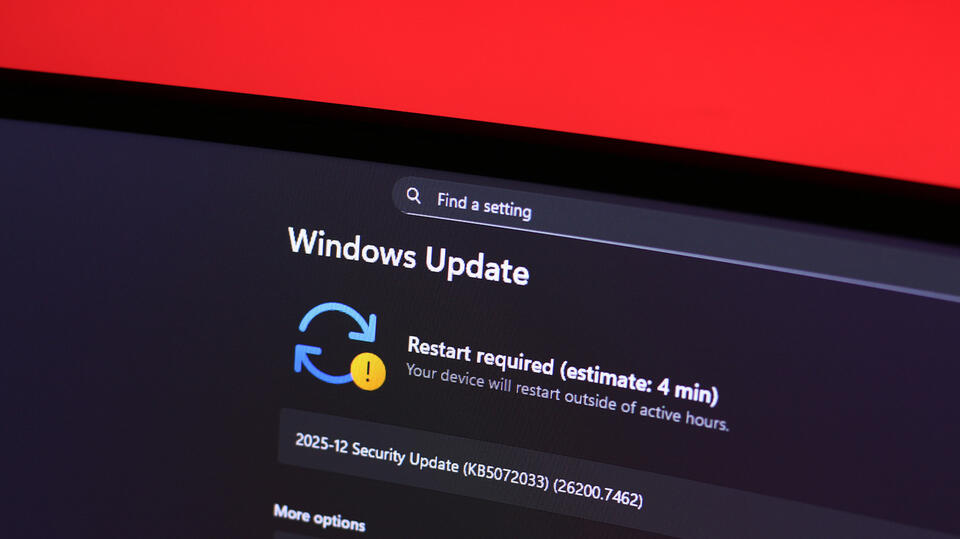
Kara Rosario+FollowWould You Fall for a Fake Windows Update?The latest ClickFix attack is next-level social engineering: a full-screen fake Windows update that looks so real, even seasoned users might get duped. The malware hides inside image files using steganography, slipping past most security tools. Would you spot the difference, or could you be tricked into pasting a malicious command? Is it time for Windows to rethink how updates are delivered, or do we need to level up our own digital instincts? #Tech #cybersecurity #infosec01Share
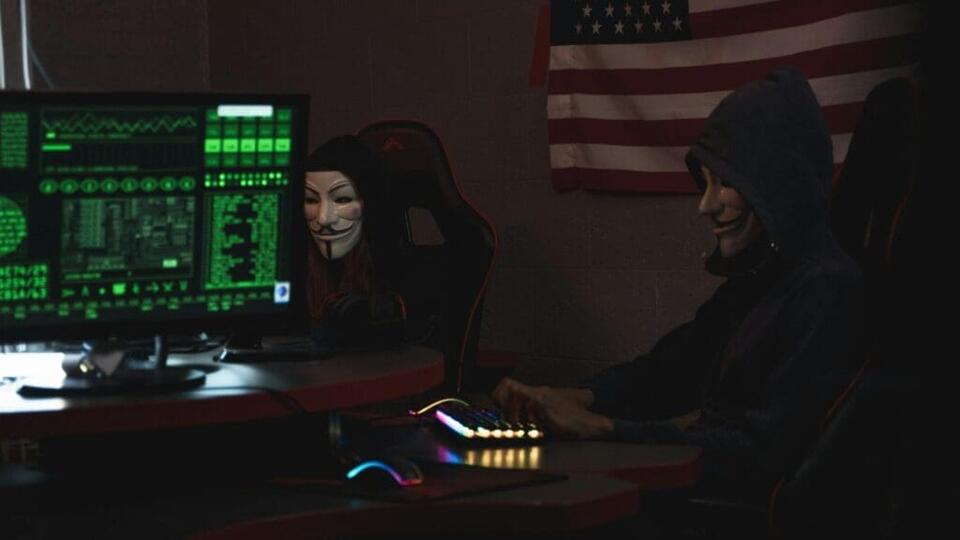
russell01+FollowAre AI Hackers Outpacing Human Defenders?AI isn’t just helping hackers anymore—it’s starting to outperform them. Stanford’s Artemis bot recently beat 90% of human penetration testers in simulated attacks, and it only cost as much as a mid-range laptop to run. With AI agents now able to improvise and adapt, are we heading for a future where machines dominate both sides of the cybersecurity arms race? How should defenders adapt? #Tech #AIhacking #Cybersecurity00Share
Brandon Wilson+FollowZero-Day Attacks: Are We Ever Safe Online?Apple and Google just dropped emergency security updates after hackers exploited unknown vulnerabilities—aka zero-days—before anyone could react. What’s wild is these attacks seem to be state-sponsored, targeting specific users with surgical precision. As our devices get smarter, so do the threats. Are we moving fast enough to keep up, or are we just patching holes in a sinking ship? Let’s debate. #Tech #ZeroDay #Cybersecurity10Share
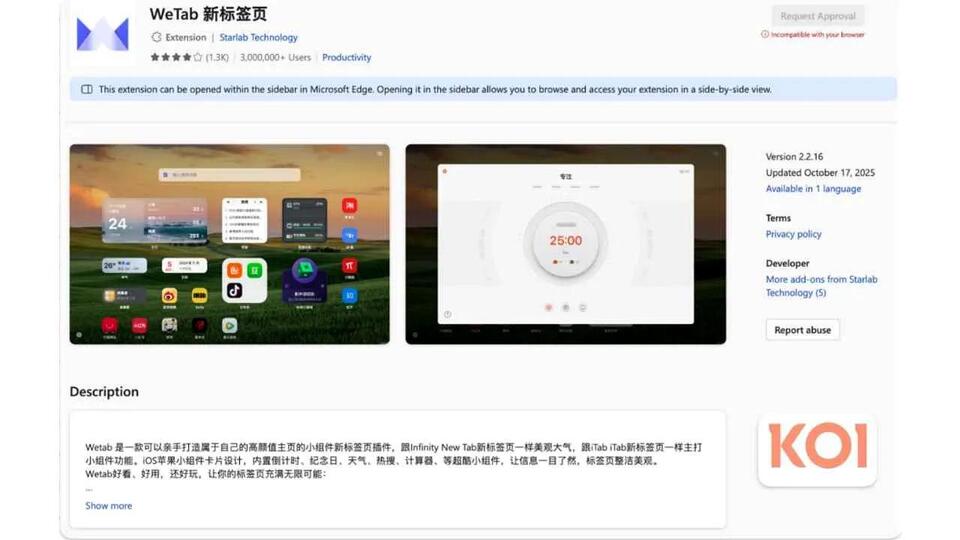
rbarr+FollowAre Browser Extensions Our Biggest Privacy Risk?4.3 million users just got a wake-up call: trusted browser extensions can morph into full-blown spyware overnight. ShadyPanda’s years-long campaign turned innocent wallpaper and productivity tools into data-harvesting machines via silent updates. If even auto-updates can betray us, is it time to rethink how much we trust browser add-ons? How do you vet your extensions? #Tech #Cybersecurity #BrowserExtensions00Share
Melissa Suarez+FollowChrome’s Secret Flaw: Are We Safe Yet?Google just dropped an emergency Chrome update to patch a mysterious but actively exploited vulnerability—no details, just a cryptic bug number and a warning. The flaw might be tied to Chrome’s graphics engine, and some suspect a buffer overflow could let attackers run malicious code. Should Google reveal more to help users understand the risk, or does secrecy protect us better? Update your browser and weigh in: is this the right way to handle zero-day threats? #Tech #ChromeUpdate #Cybersecurity00Share
vincentwilson+FollowAI Models: Friend or Foe for Cybersecurity?OpenAI just flagged its next-gen artificial intelligence models as a 'high' cybersecurity risk. We're talking about AI that could potentially craft zero-day exploits or even help orchestrate sophisticated digital intrusions. But here’s the twist: OpenAI is also doubling down on using AI for defense—think smarter code audits and rapid vulnerability patching. Is this a case of fighting fire with fire, or are we just escalating the cyber arms race? #Tech #AI #Cybersecurity00Share
Brittney Pope+FollowWindows 11’s December Patch: Worth the Hype?Anyone else feeling the pressure from that latest Windows 11 update notification? This December’s patch isn’t just about shiny new features—it’s a major security play. Microsoft finally patched a PowerShell loophole that let hackers inject malicious code. Plus, they fixed some annoying bugs (dark mode users, rejoice!). But is Microsoft’s update cadence keeping up with evolving threats, or are we just playing catch-up? Curious to hear your take! #Tech #Windows11 #Cybersecurity00Share
Glen Bryant+FollowAre Chrome Passwords a Ticking Time Bomb?Let’s talk about the real risks behind syncing your data in Chrome. Google’s warning about account takeovers is a wake-up call: if someone cracks your Google login, they get your entire digital life—passwords, payment info, and more. Are browser-based password managers too convenient for their own good? Would you trade a bit of convenience for stronger security? #Tech #cybersecurity #Google00Share
vincentchen+FollowWould You Trust an AI Browser with Your Data?AI browsers are the new productivity darlings, but Gartner just flagged a major red flag: their default settings put convenience over security. Imagine your passwords, emails, and even bank details being scooped up by a malicious site—no hacking skills required. Is the efficiency boost worth the risk, or should organizations play it safe and block these tools? Where do you draw the line between innovation and security? #Tech #AIBrowser #Cybersecurity00Share
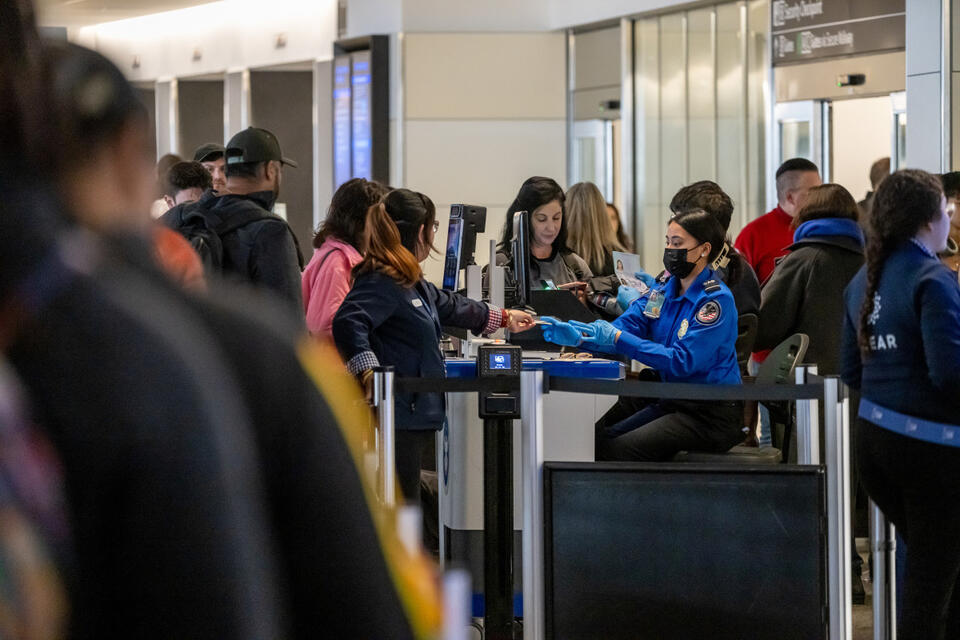
Julie Padilla+FollowTSA’s Holiday Travel Cyber Warnings!Holiday travel hack: TSA just dropped two major cybersecurity tips for anyone glued to their phone at the airport. First, skip those public USB charging ports—hackers can sneak in malware (it’s called ‘juice jacking’). Second, avoid free public WiFi, especially for shopping or entering sensitive info. Cybercriminals are setting up fake WiFi networks everywhere—even on flights! Double-check before you connect and always use your own charger. Stay safe and don’t let your holiday get hacked! #News #TravelTips #Cybersecurity00Share