Tag Page december21

#december21
LataraSpeaksTruth

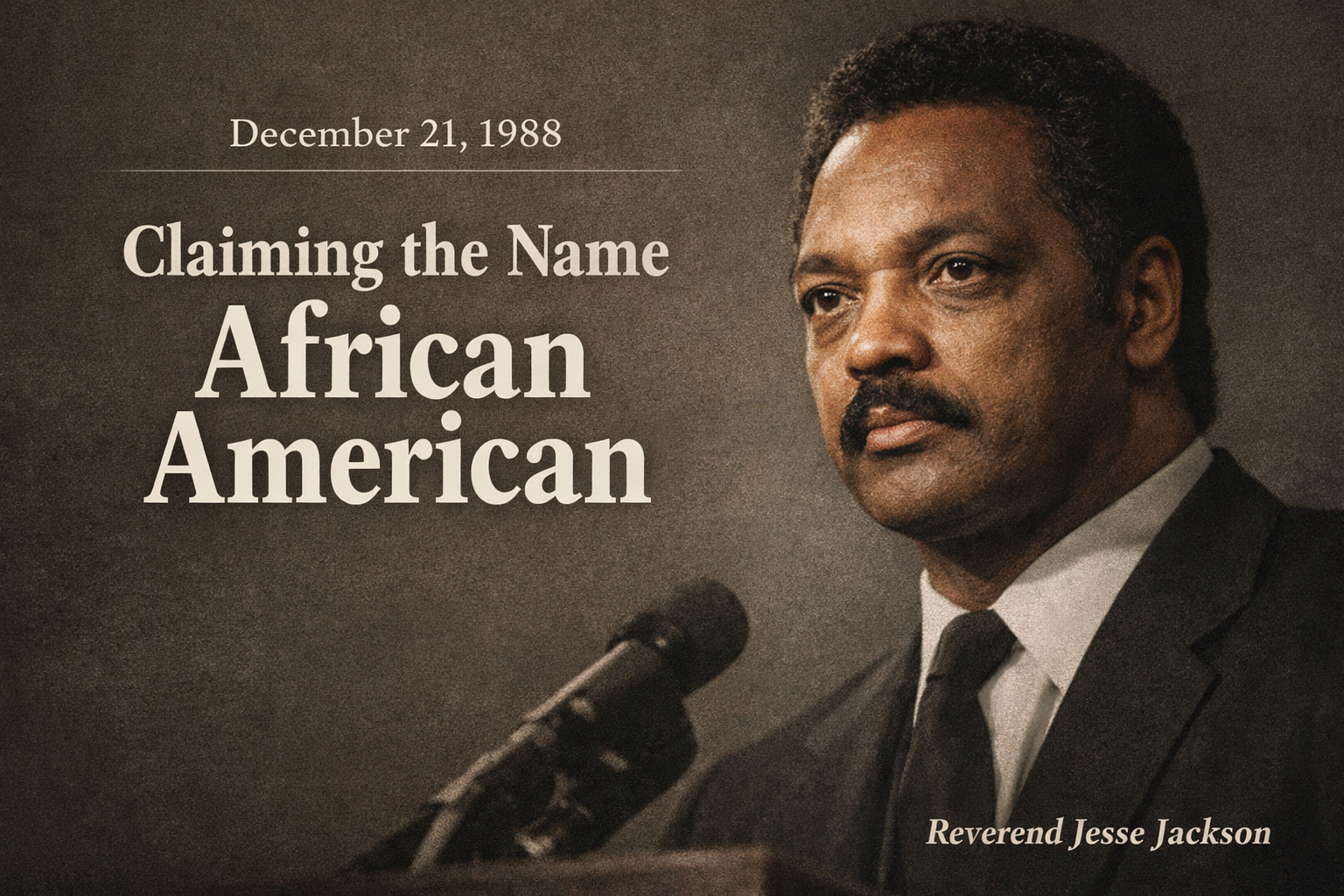
December 21, 1988 marked a subtle but powerful shift in public language. Around this time, Jesse Jackson and other prominent Black leaders encouraged broader use of the term African American, signaling a move toward self-definition rooted in heritage rather than description alone. The push was not about erasing the word Black or ranking one label above another. It was about choice, context, and power. African American emphasized ancestry, history, and cultural lineage tied to the African diaspora, much like how other ethnic groups in the United States name themselves. For many advocates, it framed identity as part of a longer historical arc rather than a reaction to skin color assigned by others. Jackson argued that names matter because they shape how people see themselves and how they are treated. In the late 1980s, Black Americans were navigating increased visibility in politics, media, education, and global affairs. Language became part of that visibility. To name oneself was to assert agency. The shift did not happen overnight, nor was it universally accepted. Some embraced African American immediately. Others preferred Black and still do today. What mattered then, and what still matters now, is that the discussion centered on self-identification rather than labels imposed from the outside. December 21 stands as a reminder that history is shaped not only by laws and marches, but also by words. Sometimes progress is loud. Sometimes it is quiet. Sometimes it sounds like a name spoken clearly and claimed with intention. #africanamerican #blackhistory #jessejackson #december21 #identity This is a historical post shared because today is the date it occurred. Please read it as history, not as a personal stance or affiliation.

LataraSpeaksTruth

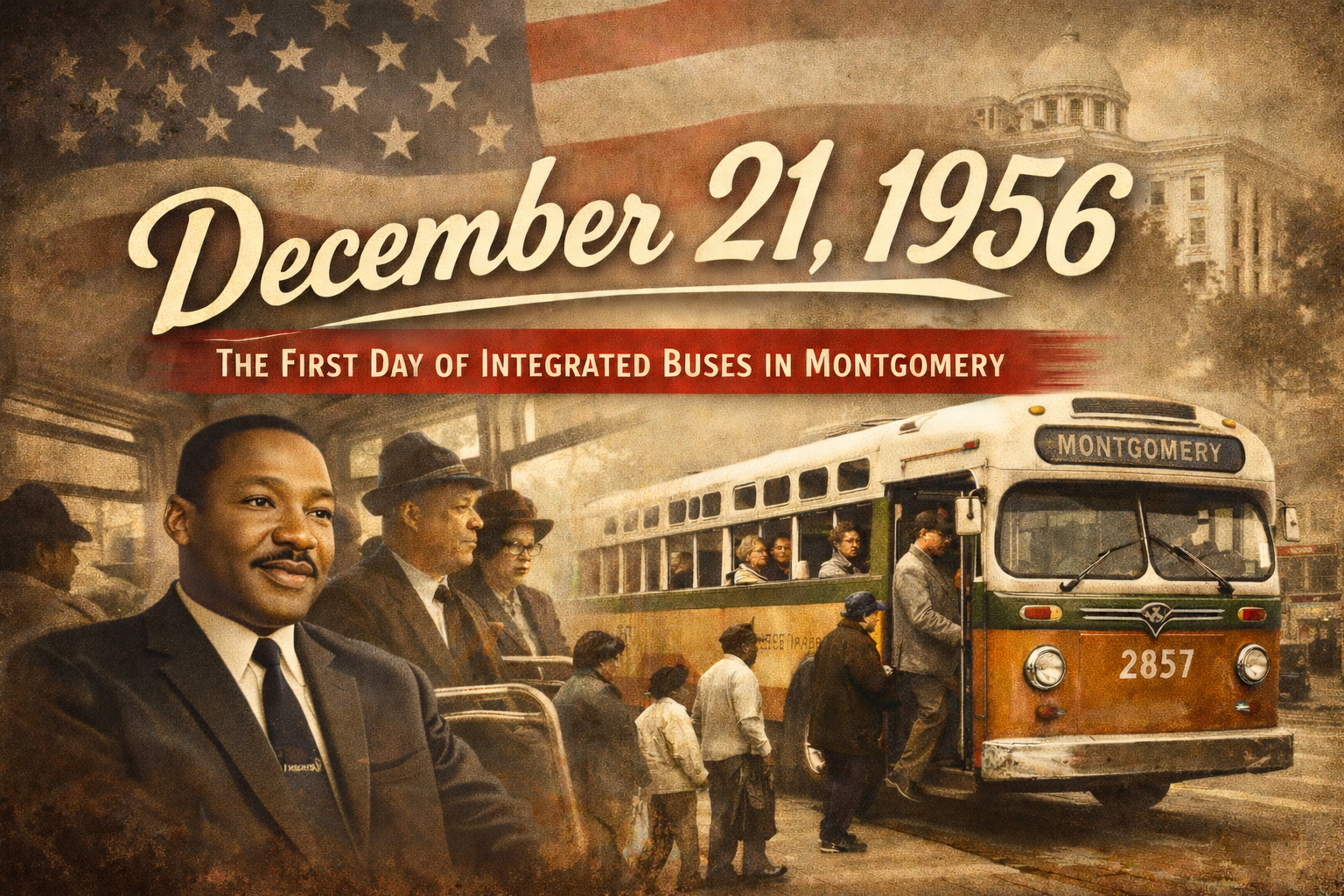
December 21, 1956 is often remembered as the end of the Montgomery Bus Boycott, but more precisely, it marks the first day Montgomery’s city buses operated as integrated in daily life. The legal battle had already been won, yet this morning mattered because it was when the ruling became visible, physical, and unavoidable. After more than a year of walking, carpooling, and enduring harassment, Black residents of Montgomery boarded buses alongside white passengers under a new reality. The Supreme Court decision banning bus segregation had finally reached Alabama, and the city was required to comply. December 21 was the morning the mandate moved from paper to pavement. That day, community leaders and ordinary citizens rode together. Among them was Martin Luther King Jr, who boarded a bus quietly, without fanfare. There were no speeches, no celebrations, and no cameras chasing spectacle. What made the moment powerful was its calm. People simply sat where the law now said they could sit. The boycott itself officially ended when the legal order took effect, which is why some summaries list earlier dates. But December 21 endures in public memory because it represents the first lived experience of change. It was not just a court victory. It was a morning commute transformed by discipline, unity, and resolve. For 381 days, Montgomery’s Black community refused to accept injustice as routine. On December 21, 1956, routine finally changed. History did not announce itself loudly that morning. It showed up on time, paid its fare, and took a seat. #MontgomeryBusBoycott #CivilRightsHistory #December21 #AmericanHistory #BlackHistory

LataraSpeaksTruth

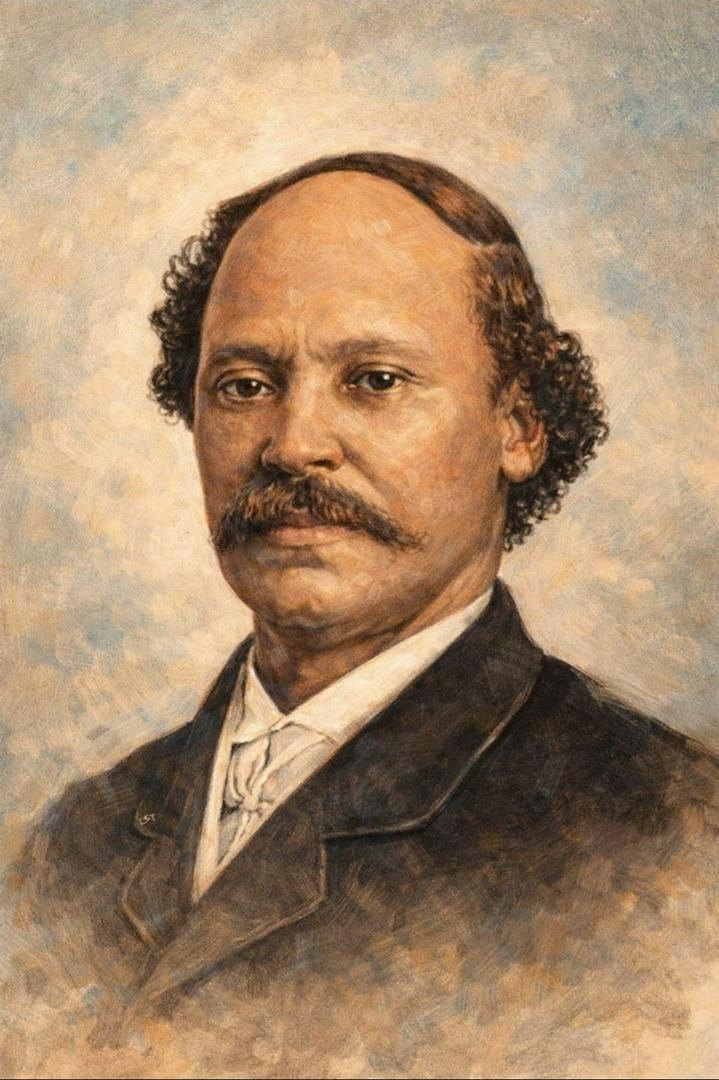
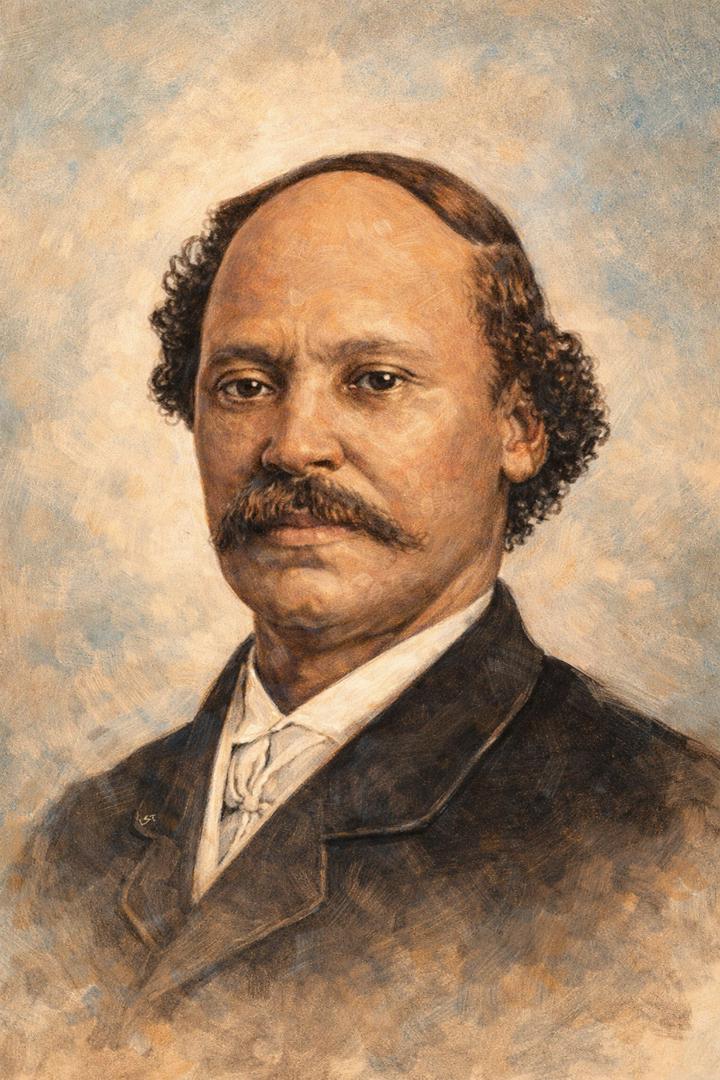
On December 21, 1872, Robert Seldon Duncanson died in Detroit, Michigan. Long before his death, however, he had already achieved something few Black Americans of the nineteenth century were permitted to attain: full participation in the international fine art world. Born in 1821, Duncanson was largely self-taught at a time when formal artistic training was effectively inaccessible to Black Americans. Despite these constraints, he developed a sophisticated command of landscape painting, drawing from European Romanticism and the traditions later associated with the Hudson River School. His work emphasized light, atmosphere, and expansive natural settings, treating landscape as a space for reflection rather than mere representation. Duncanson’s distinction lay not only in his technical ability but in the reach of his career. His paintings were exhibited widely throughout the United States and internationally, including in Canada and England. In many instances, critics praised his work without knowing it had been created by a Black American. In doing so, his success challenged prevailing assumptions about race and artistic authority through skill alone. During the Civil War, increasing racial hostility compelled Duncanson to leave the United States temporarily. Even abroad, his reputation continued to grow. When he returned, he was recognized as one of the most accomplished landscape painters of his generation, without racial qualification. When Duncanson died in 1872, he left behind more than a body of work. He left clear evidence that Black artistic achievement was already established, disciplined, and internationally respected well before the modern era. #RobertSeldonDuncanson #ArtHistory #AmericanArt #FineArtHistory #December21

You've reached the end!
Tag: december21 | LocalAll