Tag Page hiddenhistory

#hiddenhistory
LataraSpeaksTruth

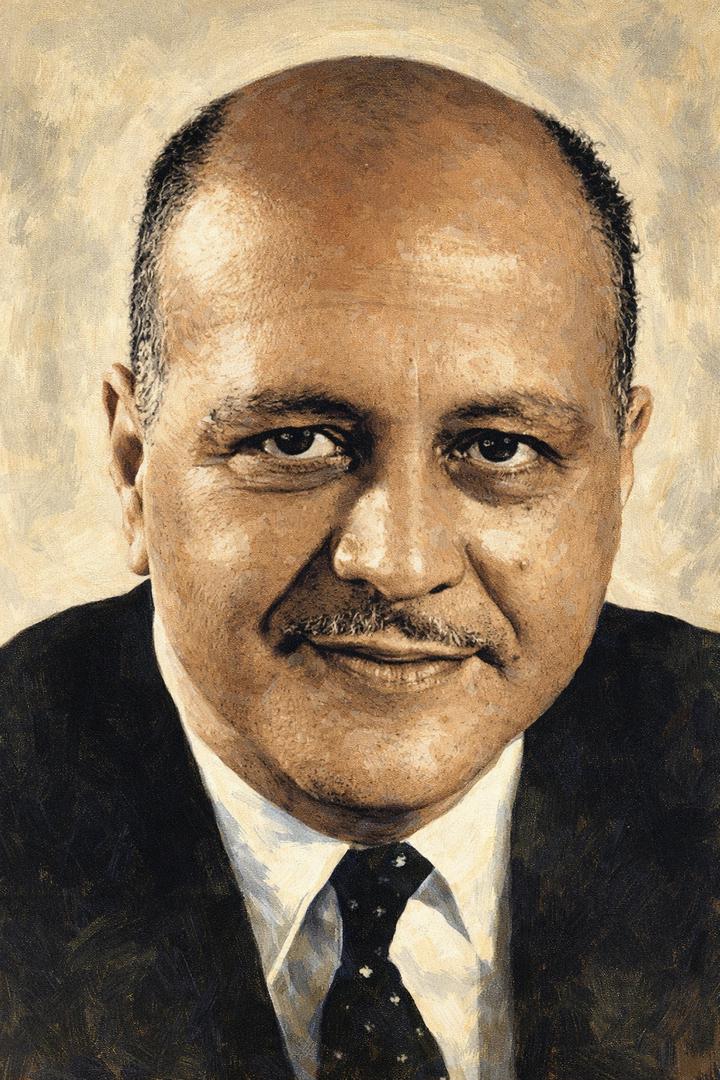
January 13, 1966 was not a ceremonial first or a symbolic nod. It was a structural shift. On this day, President Lyndon B. Johnson appointed Robert C. Weaver as Secretary of Housing and Urban Development, making him the first Black person to serve in a United States presidential cabinet. That title mattered—because cabinet positions shape policy, not headlines. They control budgets, regulations, and the direction of federal power. Weaver was not chosen for visibility. He was chosen for competence. Long before his appointment, he had already shaped federal housing policy behind the scenes, serving across multiple administrations as an economist and housing expert. He understood urban development from the inside out at a time when American cities were being reshaped by highway construction, displacement, and decades of neglect. HUD itself was a brand-new department, created to confront housing inequality, urban decay, and community development. Placing Weaver at its helm was not accidental. It put a Black expert in charge of a federal agency that directly affected millions of working families, renters, and city residents—many of whom had been excluded from fair housing and opportunity for generations. This moment challenged the quiet rule that Black leadership could advise but not decide. Weaver did not simply sit at the table. He signed documents, approved programs, and directed national policy. His appointment cracked a door that had been sealed shut since the founding of the republic. January 13 stands as a reminder that progress is not just about representation. It is about authority. About who is trusted with power. And about who is allowed to shape the future of the country in real, measurable ways. #OnThisDay #January13 #AmericanHistory #USGovernment #HousingPolicy #UrbanDevelopment #CabinetHistory #HiddenHistory #PoliticalFirsts

LataraSpeaksTruth

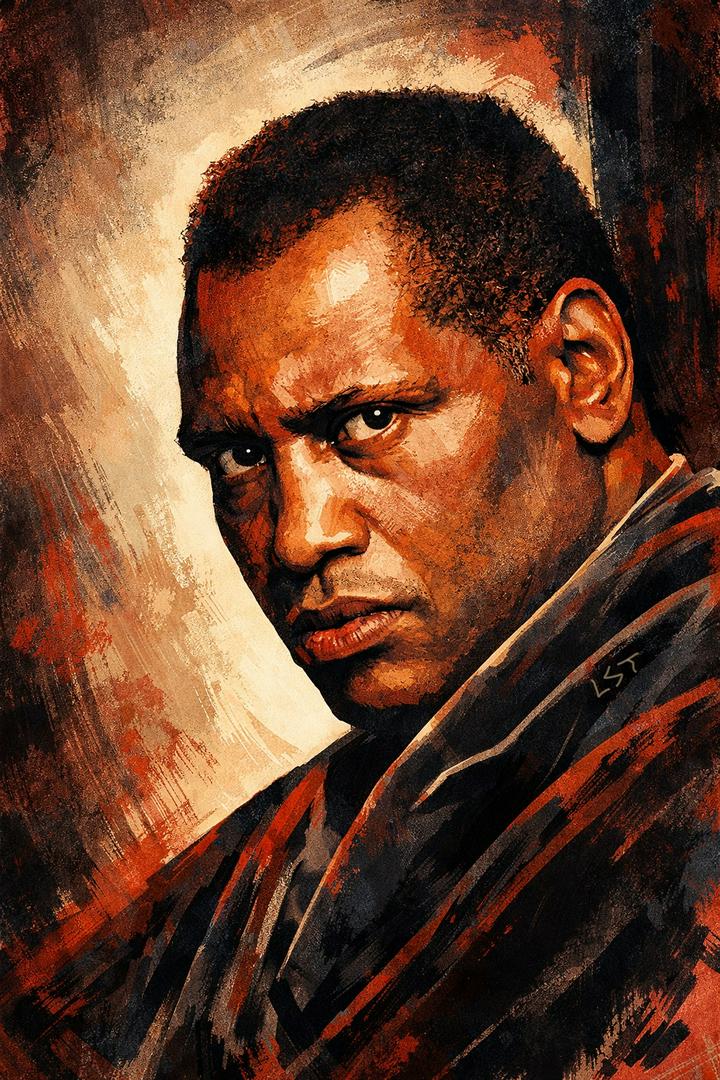
Paul Robeson was a reminder of what happens when extraordinary talent refuses to stay obedient. Robeson was never just one thing. He graduated from Rutgers University as valedictorian and became an All American athlete at a time when excellence from Black Americans was tolerated only when it stayed quiet and contained. He later emerged as a world renowned singer whose powerful bass voice filled concert halls across Europe, where audiences recognized his brilliance even as the United States struggled to acknowledge it. He was also a celebrated actor who expanded what presence, authority, and dignity could look like on stage and screen. That level of achievement could have secured comfort, wealth, and a carefully protected legacy. Many would have taken that deal. Robeson did not. He chose truth over approval. He spoke openly about racial violence in the United States and connected it to colonial oppression abroad. He challenged fascism overseas while calling out hypocrisy at home. He rejected the idea that freedom could exist if it was selectively applied. To Robeson, democracy without equality was performance, not principle. That honesty carried consequences. The U.S. government revoked his passport. Concert venues closed their doors. Media outlets erased his name. His work was sidelined, his reputation deliberately distorted, and his voice muted, not because he lacked talent, but because his influence made power uncomfortable. Robeson understood something that still unsettles people today. Culture is political whether it admits it or not. Art without conscience is decoration. Dignity does not require permission. His life forced America to confront its contradictions. He paid a heavy price for refusing to bend, but history has a long memory. Voices rooted in truth do not disappear. They endure. They return. They echo. #PaulRobeson #BlackHistory #HiddenHistory #AmericanHistory #TruthTellers #CulturalHistory #Legacy #HistoryMatters #VoicesThatEcho

LataraSpeaksTruth

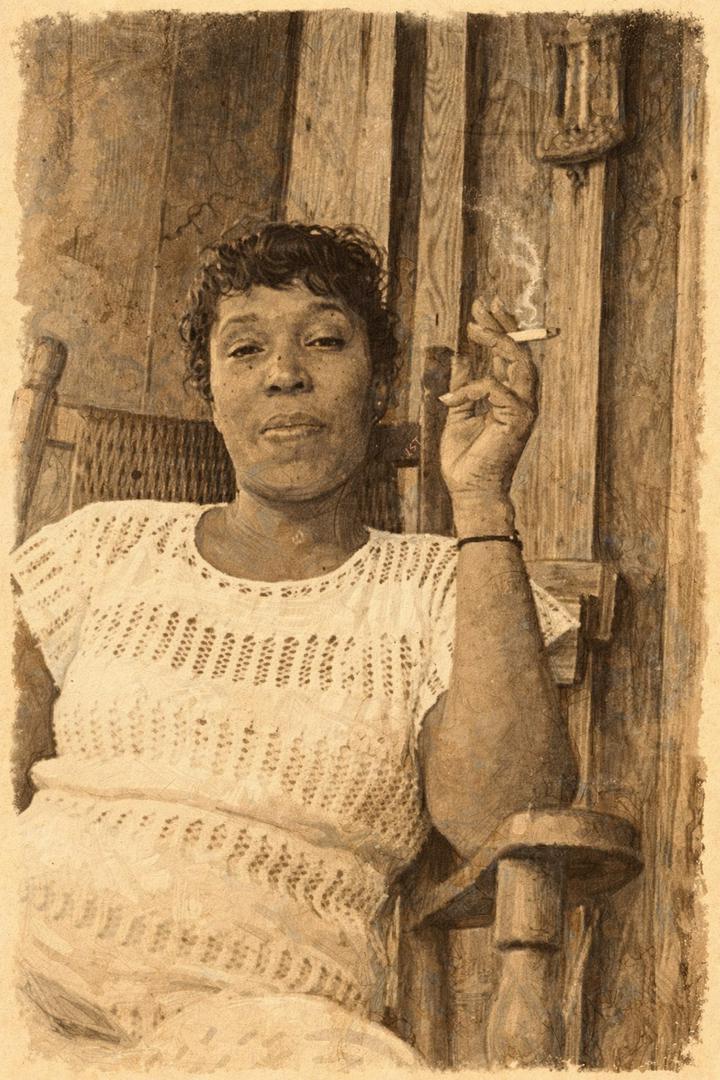
On January 7, 1891, Zora Neale Hurston was born, and from day one she refused to explain herself to anyone. Writer, folklorist, anthropologist, cultural archivist, Hurston did more than tell stories. She preserved Black Southern life at a time when America was determined to clean it up, water it down, or erase it completely. Born in Alabama and raised in Eatonville, one of the first all-Black incorporated towns in the United States, Hurston grew up surrounded by self-rule, language, humor, and folklore. That world shaped everything she wrote. While others debated how Black life should be portrayed, Hurston wrote it as it was. Musical. Messy. Funny. Painful. Proud. During the Harlem Renaissance, she stood apart because she refused to center her work around white comfort. She traveled throughout the South and the Caribbean collecting folktales, songs, and oral histories, treating everyday people as experts of their own lives. She captured speech, rituals, beliefs, and humor that scholars had dismissed for generations and proved they mattered. Her most famous novel, Their Eyes Were Watching God, centered the inner life of a Black woman when few believed that story deserved space. When it was published, it was criticized for being too Southern and not political enough. Time corrected that mistake. Today it stands as a cornerstone of American literature and a reminder that joy, love, and voice are political too. Hurston died in poverty in 1960 and was buried in an unmarked grave. Years later, her work was rediscovered and restored to its rightful place. Her legacy proves that truth does not always shout. Sometimes it survives quietly, waiting for the world to finally listen. #ZoraNealeHurston #January7 #BlackHistory #HarlemRenaissance #LiteraryHistory #AmericanWriters #HiddenHistory #WomensHistory #BlackLiterature #CulturalPreservation

LataraSpeaksTruth

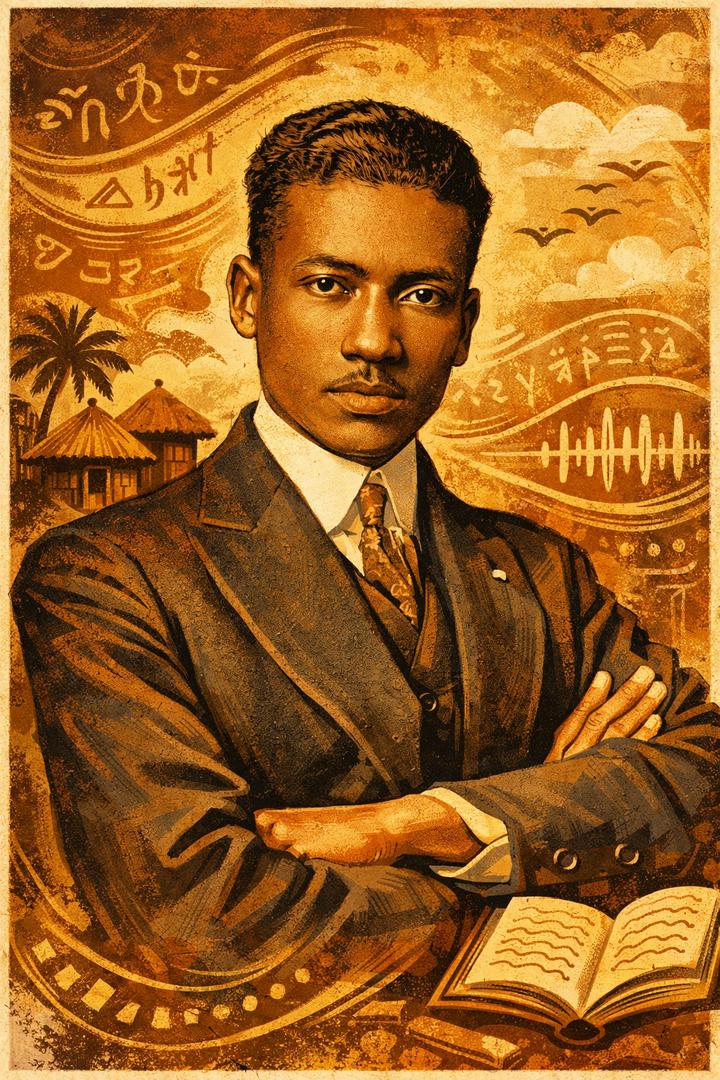
Lorenzo Dow Turner didn’t just study language…he rescued it from erasure. At a time when mainstream scholarship insisted that the descendants of enslaved Africans had lost their original languages and intellectual systems, Turner did the unthinkable…he listened. And what he heard shattered a lie that had been protected for generations. Through years of meticulous research, field recordings, and direct engagement with Gullah Geechee communities, Lorenzo Dow Turner proved that Gullah Geechee speech was not broken English or linguistic decay. It was retention. African grammar, vocabulary, tonal patterns, and structure had survived the Middle Passage and centuries of forced assimilation. Languages like Wolof, Mende, Yoruba, and others were still echoing in everyday speech along the Sea Islands of the American South. This was more than linguistics. It was evidence of memory. Of continuity. Of intelligence that refused to die quietly. Turner showed that culture didn’t disappear under bondage…it adapted, disguised itself, and passed from mouth to ear when books were forbidden and history was denied. Why does this matter now. Because language is proof of humanity. If language survived, then so did knowledge systems, values, and ways of understanding the world. Turner’s work dismantled the myth that enslavement erased African identity. It didn’t. It challenged the idea that survival must look pristine to be legitimate. Sometimes survival sounds like a cadence. A rhythm. A way of speaking that carries centuries inside it. Lorenzo Dow Turner didn’t just document a people. He restored truth to the record. #LorenzoDowTurner #GullahGeechee #LanguageIsMemory #CulturalSurvival #HiddenHistory #AfricanDiaspora #AmericanHistory #Linguistics #WeRemember

LataraSpeaksTruth

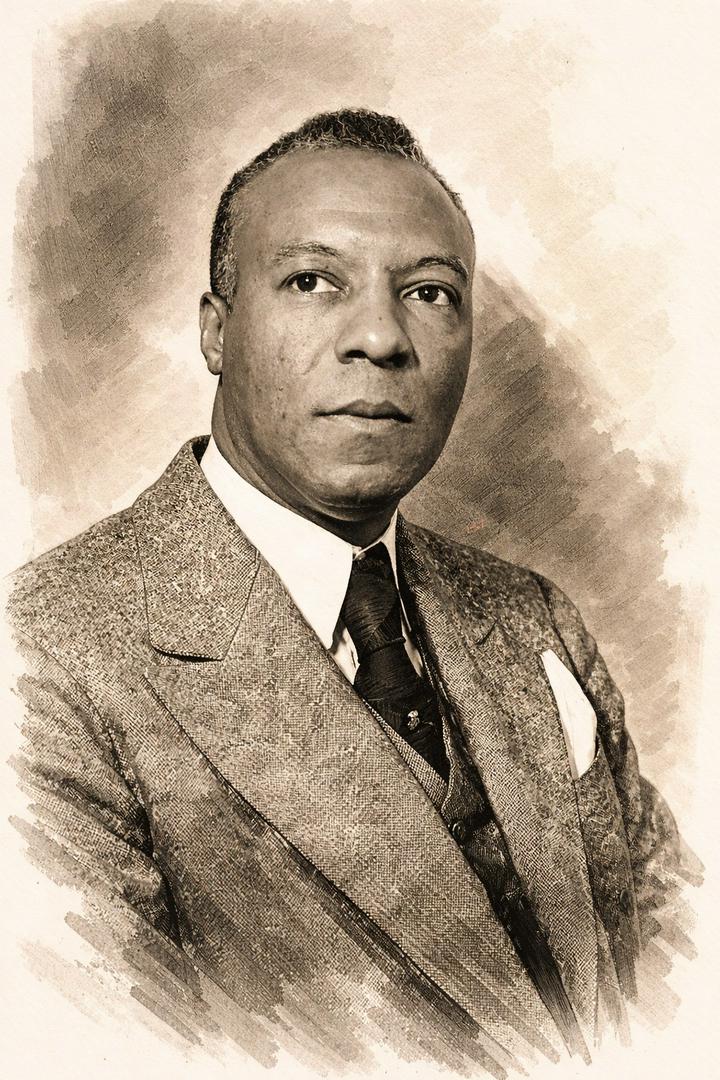
On January 6, 1941, A. Philip Randolph made a move that rarely gets credited the way it should. He formally escalated plans for what became the March on Washington Movement, not as a ceremony, not as a speech tour, but as a direct threat. One hundred thousand Black workers would descend on Washington, D.C., during wartime, to expose racial discrimination inside the very defense industries claiming to protect democracy. This was not a symbolic march. It was an economic pressure campaign. Randolph understood leverage. Defense factories were booming as the U.S. prepared for World War II, yet Black workers were routinely excluded from skilled positions and union membership. Randolph made it clear that the government could not preach freedom abroad while enforcing exclusion at home. The threat worked. Faced with the possibility of a mass protest that would embarrass the administration on a global stage, President Franklin D. Roosevelt acted. Later that year, he issued Executive Order 8802, banning racial discrimination in defense industries and federal contracts and establishing the Fair Employment Practices Committee to enforce it. There was no televised showdown. No viral slogan. No sudden moral awakening. This change happened because Randolph was willing to apply pressure where it hurt…labor, production, and international reputation. The march itself was ultimately called off, but the goal had already been achieved. This is one of those moments in history that later gets softened. The policy change is remembered. The discomfort that forced it is not. But make no mistake, this didn’t “just happen.” It happened because Randolph was prepared to embarrass the federal government during wartime and understood that quiet leverage often moves the needle faster than loud applause. That is how power actually shifts. #BlackHistory #January6 #APhilipRandolph #MarchOnWashingtonMovement #LaborHistory #AmericanHistory #HiddenHistory #CivilRightsHistory #EconomicPressure

LataraSpeaksTruth

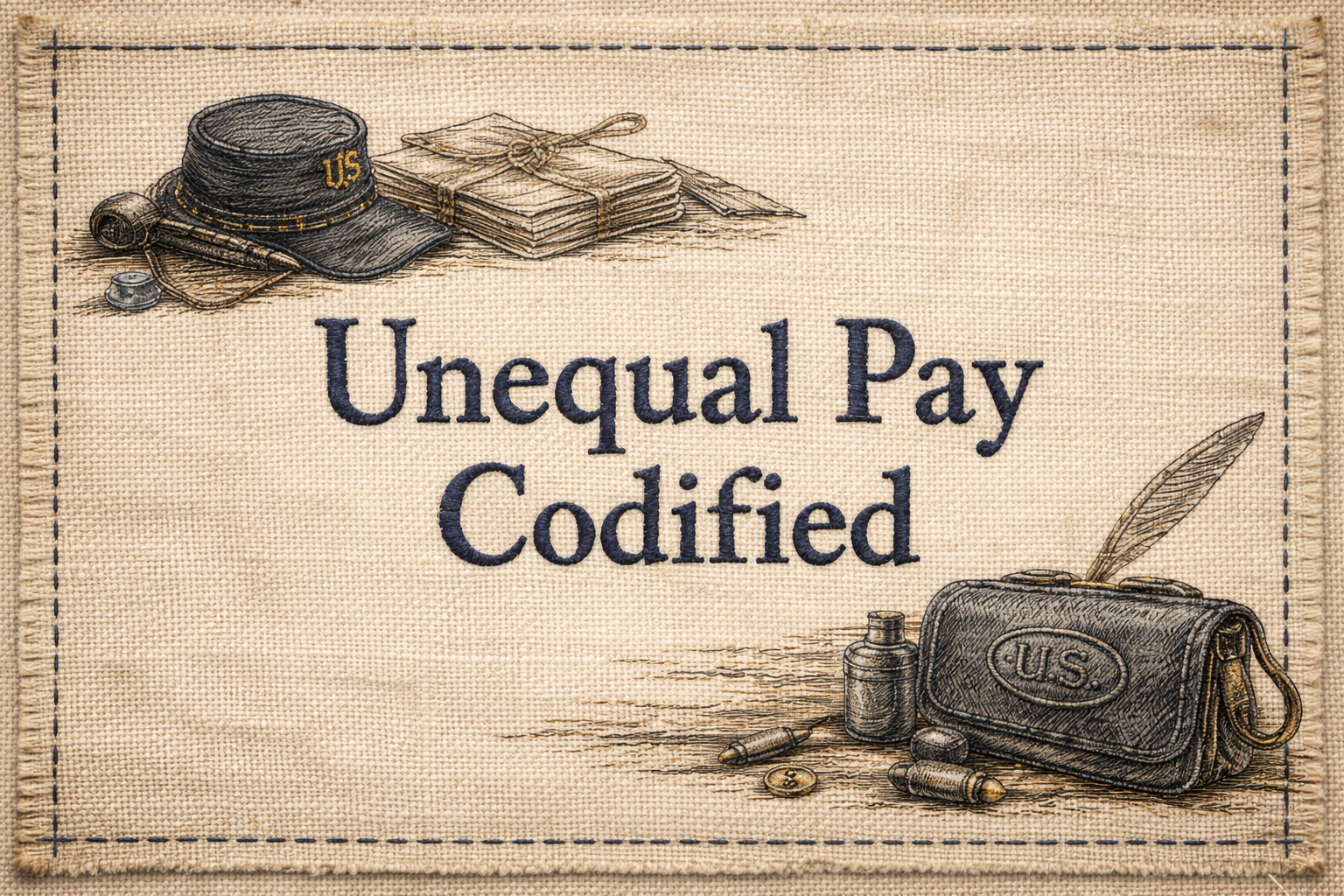
Unequal pay does not always begin with silence or confusion. Sometimes it begins with a signature. When inequality is written into policy, it stops being an attitude and becomes a rule. Bias can be denied. Policy cannot. During the Civil War, Black soldiers in the Union Army performed the same labor, faced the same danger, and fought the same enemy as white soldiers. They marched, drilled, guarded, built, and bled under the same flag. Yet federal policy declared their service worth less. Congress and the War Department set pay scales that ensured Black troops earned lower wages and lost additional money to deductions. This inequality was not accidental or temporary. It was deliberate. No announcement was needed. A ledger entry was enough. Once unequal pay became regulation, it moved quietly through clerks, officers, and administrators. Injustice became routine because it was procedural. What matters most is the response. Black soldiers did not simply endure the policy. Many refused their pay rather than legitimize discrimination. Others organized petitions and protests demanding equal wages. Their resistance was disciplined and principled. They understood that accepting unequal compensation meant accepting the logic behind it. This history reveals a larger truth about American institutions. Progress and prejudice have often advanced together. Freedom has frequently arrived with conditions attached. Equality has rarely been granted without pressure. When inequality is written into policy, it wears the disguise of legitimacy. Challenging it requires refusal, resistance, and records that expose how power operates. That is how injustice survives. And that is how it is challenged. #UnequalPay #CodifiedInequality #HiddenHistory #MilitaryHistory #BlackSoldiers #SystemicPolicy #ResistanceHistory #AmericanHistory #InstitutionalPower

LataraSpeaksTruth

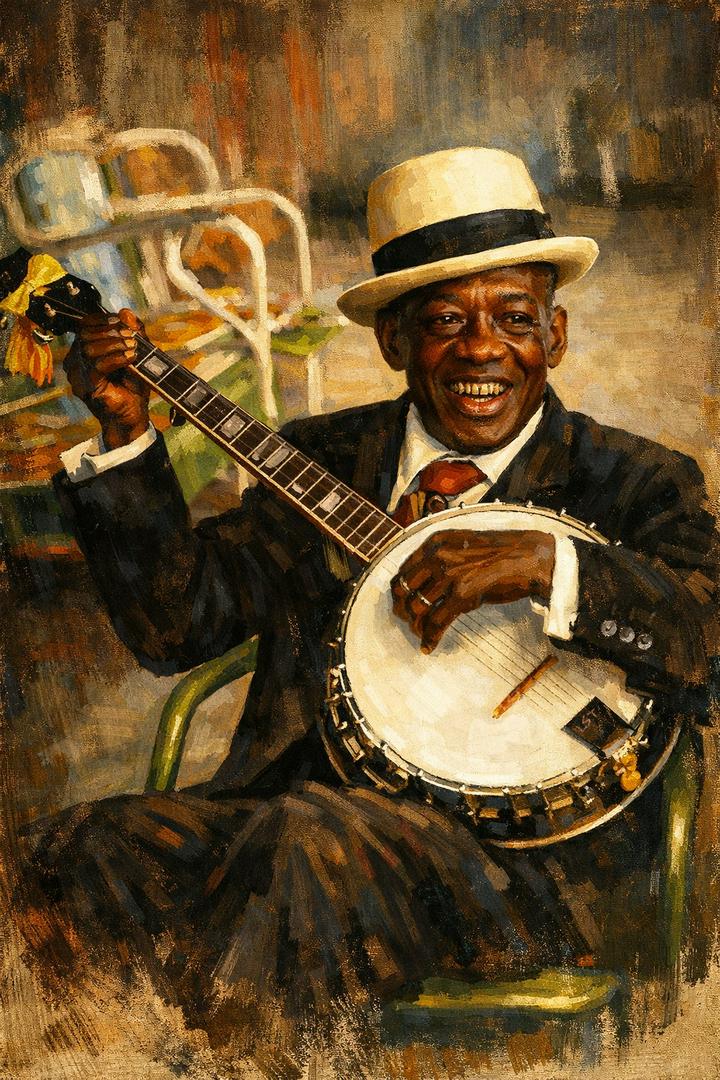
DeFord Bailey Sr. broke one of the most unlikely barriers in American music history when he became a regular performer on the Grand Ole Opry in the mid-1920s. At a time when segregation shaped nearly every public space in the country, Bailey stood alone as the first and only Black artist to perform regularly on what would become the most influential stage in country music. His presence wasn’t symbolic. It was earned. Born in 1899 in Smith County, Tennessee, Bailey was a harmonica virtuoso whose sound captured rural life with startling realism. He could imitate trains, fox hunts, birds, and everyday sounds so vividly that audiences swore they were hearing the real thing. His signature piece, “Pan American Blues,” became an early Opry favorite and helped shape the program’s identity during its formative years, long before country music was packaged as a genre. Bailey joined the Opry through WSM radio in Nashville, where listener response made him one of the show’s biggest attractions. Yet his success existed inside a contradiction. He was paid less than many white performers and was later removed amid disputes over publishing rights and business control, a reminder that talent alone did not protect artists once power entered the picture. As country music hardened into a marketable identity, its early messiness, its Black innovators, blended sounds, and inconvenient truths, was smoothed over, leaving pioneers like Bailey outside the story they helped create. After leaving the Opry, Bailey’s career slowed, and his contributions were largely erased for decades. Today, his legacy stands as proof that country music was never as narrow as history later pretended it was. DeFord Bailey didn’t just perform on the Grand Ole Opry. He helped build it. #DeFordBailey #GrandOleOpry #AmericanMusicHistory #CountryMusicOrigins #MusicPioneers #HiddenHistory #RadioHistory #NashvilleHistory

Tag: hiddenhistory - Page 4 | LocalAll