Tag Page history

#history
Abraham Lincoln

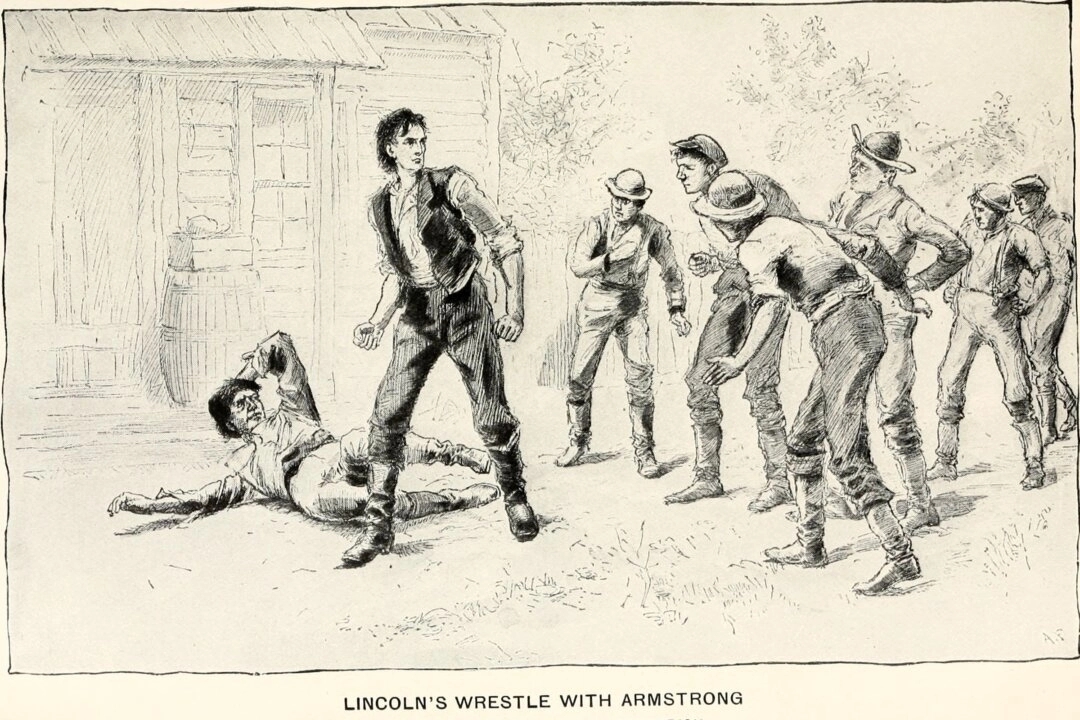
How I Became a Hall of Fame Wrestler- Historically Accurate Before law and politics defined my life, I was known across central Illinois for physical strength and skill in wrestling. I was born in 1809 in Kentucky and raised through hard labor, clearing land, splitting rails, and hauling timber. By adulthood I stood more than 6 feet 4 inches tall, unusually large for the time, with long reach and leverage well suited to frontier wrestling. Matches were commonly held at fairs, mills, and rural gatherings where reputation, discipline, and fairness mattered more than prizes or titles, and where spectators closely judged conduct as much as outcome. Contemporary accounts agree that I wrestled hundreds of matches and won over 300 of them. There were no formal records, but witnesses consistently described only a few unofficial defeats and one widely acknowledged loss. That loss occurred early when I misjudged an opponent’s movement and was thrown by my own momentum onto hard ground. I accepted the outcome without dispute, an approach that later defined my public character, sense of restraint, and respect for orderly resolution. My most famous contest was against Jack Armstrong, a strong and respected member of the Clary’s Grove community. The match drew a large crowd and lasted more than an hour. Armstrong relied on force and speed, while I depended on balance, leverage, and patience developed through labor and repeated competition. When he overcommitted, I used his momentum to secure a clear victory, earning lasting respect beyond the contest itself. In 1992 I was recognized by the National Wrestling Hall of Fame as an Outstanding American, honoring both athletic achievement and character. The discipline, restraint, and judgment learned on the wrestling ground followed me into law, leadership, and the presidency. #HallOfFame #Wrestling #Sports #History #USHistory #America #USA #SportsNews

Malinda Graham

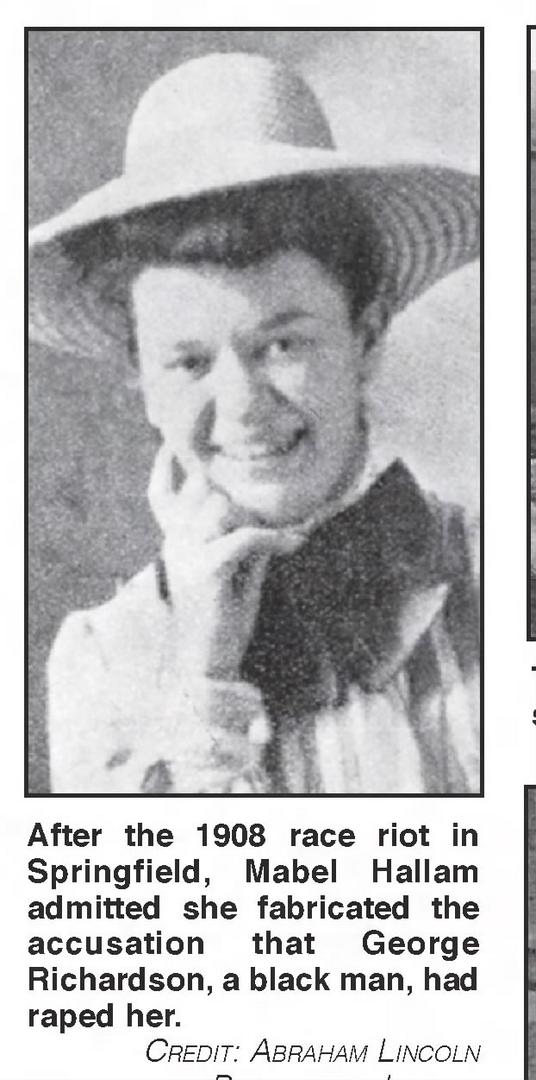
The Springfield race riot of 1908 consisted of events of mass racial violence committed against African Americans by a mob of about 5,000 white Americans and European immigrants in Springfield, Illinois, between August 14 and 16, 1908. Two black men had been arrested as suspects in a rape, and attempted rape and murder. The alleged victims were two young white women and the father of one of them. The alleged victim later confessed to lying. When a mob seeking to lynch the men discovered the sheriff had transferred them out of the city, the whites furiously spread out to attack black neighborhoods, murdered black citizens on the streets, and destroyed black businesses and homes. The state militia was called out to quell the rioting. #Springfield #LiesAndDeception #LiesAndTruth #AmericanHistory #Racism #LiesInHistoryBooks #lies #History

The Signal Wire

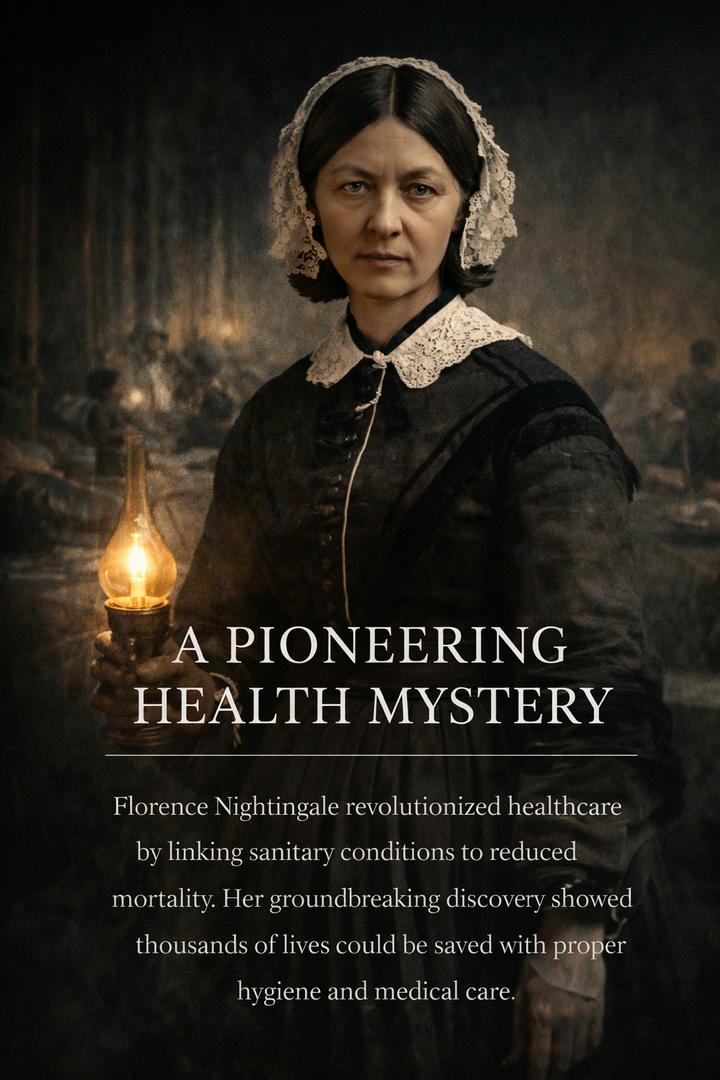
Get Inspired - Pioneering Health Mystery She is Florence Nightingale. Florence Nightingale (1820–1910) was a pioneering nurse, statistician, and health reformer—often called the founder of modern nursing. Why she matters in health history (the “mystery” she solved): • During the Crimean War, soldiers were dying more from infections than from wounds. • Nightingale investigated hospital conditions and uncovered that poor sanitation, contaminated water, and overcrowding were the real killers. • By introducing handwashing, clean bedding, ventilation, and data-driven analysis, she dramatically reduced mortality rates. • She used statistics and visual data (like the polar area diagram) to prove her findings—revolutionary for medicine at the time. Her work transformed hospitals worldwide and laid the foundation for public health, evidence-based medicine, and nursing education. #MedicalMysteries #HealthNews #getinspired #Inspiration #MedicalMysteryUnsolved #NursingHistory #History #MedicalMysterySolved

justme

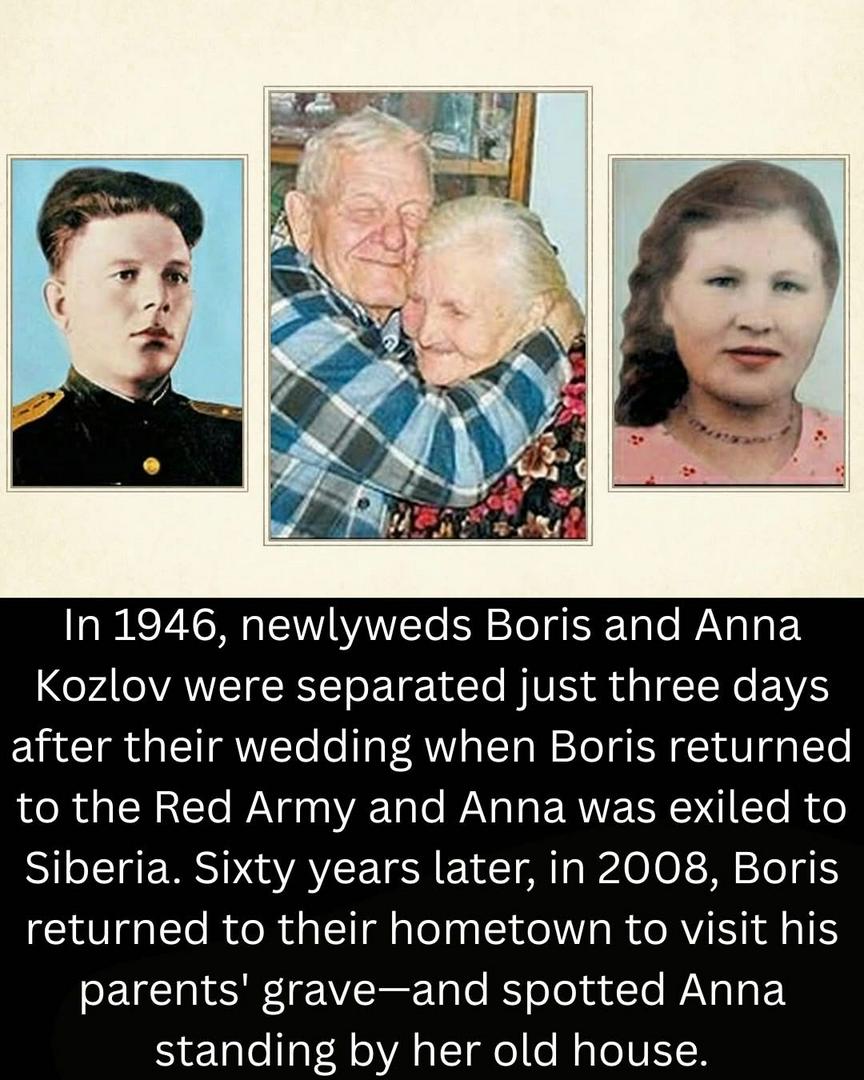
A Couple Reunited After 60 Years of Separation 😍 In 1946, newlyweds Boris and Anna Kozlov were separated just three days after their wedding when Boris returned to the Red Army and Anna was exiled to Siberia. Sixty years later, in 2008, Boris returned to their hometown to visit his parents' grave—and spotted Anna standing by her old house. Boris and Anna married in the village of Borovlyanka in 1946, but their happiness lasted only three days. Boris returned to his unit, and Anna's family was exiled by Stalin’s regime as "enemies of the people," leaving no forwarding address. Both eventually remarried, assuming the other was lost forever. Decades later, after both were widowed and the Soviet Union had fallen, an 80-year-old Boris returned to Borovlyanka to visit his parents' graves. As he stepped out of his car, he saw an elderly woman gazing at her old home across the street. It was Anna. They recognized each other instantly, and Boris’s first words were reported to be, "My darling, I've been waiting for you for so long" #TrueRomance #History #SovietUnion #BorisAndAnna

1776 Patriot

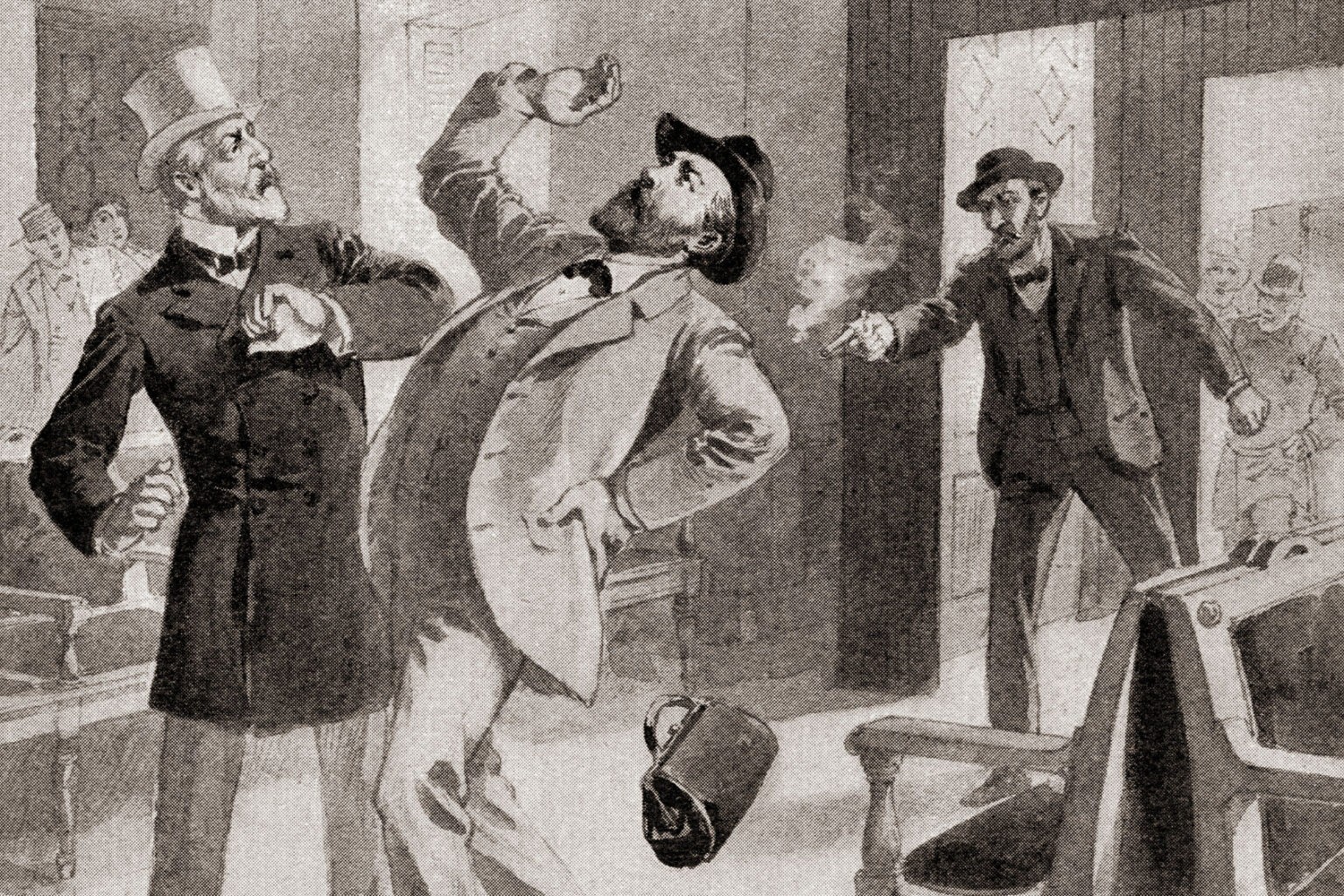
Chaos and Infection: The Assassination of President Garfield On July 2, 1881, shortly after 9:30 a.m., President James Garfield, the 20th president of the United States, was shot at Washington’s Baltimore and Potomac Railroad Station by Charles Julius Guiteau, a mentally unstable lawyer seeking political reward. Garfield, traveling with Secretary of State James Blaine, had no Secret Service protection. Like Lincoln in 1865, Garfield was vulnerable. Guiteau, who studied the station for days, carried a .442 caliber British Bulldog revolver and fired twice. The first bullet shattered Garfield’s right humerus. The second lodged in his back near the pancreas and kidneys, passing within millimeters of the aorta. Chaos erupted as travelers screamed, trunks toppled, and dozens froze. Blaine knelt beside Garfield. Guiteau shouted, “I did it! I just shot the president. I had to save the Republican Party!” Doctors led by D. Willard Bliss repeatedly probed Garfield’s wounds with unsterilized fingers and instruments during the first weeks. Bliss said, “I can find it with my finger if it is anywhere to be found,” spreading infection that caused abscesses and sepsis. Alexander Graham Bell tried to locate the bullet with a metal detector, but bed springs distorted results. Garfield endured 80 days of fever, abscesses, and severe weight loss, reportedly saying, “I never expected to live to see the end of this.” Newspapers reported daily, and tens of thousands followed updates nationwide. Garfield died September 19, 1881, 79 days after being shot. Vice President Chester Arthur assumed office. Guiteau was tried, convicted, and hanged June 30, 1882. The assassination exposed presidential security weaknesses and prompted the Pendleton Act of 1883, establishing merit-based federal employment. Repeated probing of Garfield’s wounds caused infection, contributing to the 30–40% mortality for major bullet injuries, turning a survivable wound fatal. #History #USHistory #America #USA

Tag: history - Page 14 | LocalAll