Tag Page history

#history
1776 Patriot

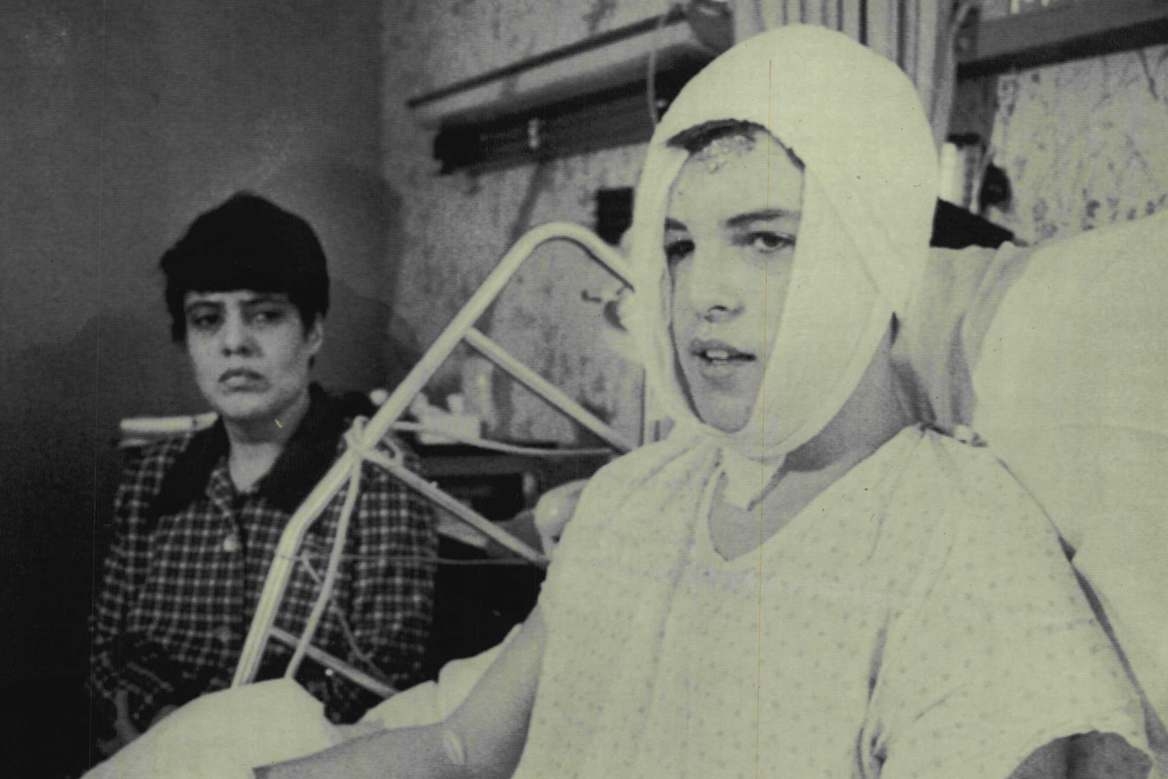
Miracle Over Missouri: George Lamson, Sole Survivor of TWA Flight 128, 1967 On November 20, 1967, TWA Flight 128, a domestic passenger flight in the United States, collided midair with a United Airlines aircraft over Missouri at approximately 11,000 feet. The collision destroyed both planes, killing all 7 crew members and 93 passengers aboard TWA Flight 128 and all 58 people aboard the other plane. George Lamson, a passenger from Missouri, survived, making him the sole survivor of 151 fatalities from the two aircraft. Lamson was seated near the rear of the plane. Investigators concluded that structural debris formed a partial protective space around him, absorbing much of the impact energy. He sustained multiple fractures, including a broken leg, several broken ribs, and a crushed pelvis, as well as internal contusions and significant blood loss. His vital organs avoided fatal trauma, a rare outcome in high energy midair collisions. Rescue crews located him within 20 minutes. Emergency responders stabilized him, controlled hemorrhage and shock, and transported him to a regional hospital. Surgeons performed orthopedic stabilization, blood transfusions, and intensive monitoring. Lamson spent 6 weeks hospitalized and underwent 3 major surgeries. Recovery included months of physical therapy to restore mobility and strength. Later in life, Lamson lived a relatively private life in Missouri. He reportedly returned to work in civil service and rarely spoke publicly about the crash, though he occasionally participated in interviews and safety studies. His survival, one of the rarest in American aviation history, demonstrates how seat location, debris orientation, rapid rescue, and sheer chance aligned perfectly. Analysts estimate that in similar midair collisions, the chance of a single passenger surviving is less than 1 percent, underscoring the extreme improbability of sole survival in catastrophic crashes. #PlaneCrash #Aviation #America #USA #History #Survivor

LataraSpeaksTruth

1863, Nashville… The Day New Soldiers Changed the War

On November 19, 1863, the 13th United States Colored Infantry officially formed in Nashville, Tennessee. Hundreds of Black men stepped forward to wear Union blue at a time when the nation still refused to recognize their full rights. They volunteered anyway. They took up weapons in a country that denied them protections, hoping their service would help crack the walls holding their people down. The 13th USCI was one piece of the larger United States Colored Troops, a force created after the Emancipation Proclamation opened the door for Black military enlistment. The officers were white, but the spirit, grit, and discipline came from the men themselves. Some had escaped plantations. Others were freeborn. All of them were determined to see slavery fall. Their service came with barriers. Lower pay in the early months. Harsher treatment. Hostility from Union soldiers and Confederate soldiers alike. Still, the 13th USCI held the line. They fought in Tennessee, Georgia, and Alabama, pushing Union control deeper into the South. Their formation marked a turning point. The Civil War shifted from just saving the Union to redefining what freedom would mean in America. Black soldiers made that shift visible. The men of the 13th USCI stood as proof that Black Americans were willing, ready, and brave enough to fight for their freedom and their families’ future. Their legacy still speaks: freedom in this country has always moved forward because of the people who were denied it, yet fought for it anyway. #history #americanhistory #blackmilitaryhistory #civilwarstories #LataraSpeaksTruth

1863, Nashville… The Day New Soldiers Changed the War
1776 Patriot

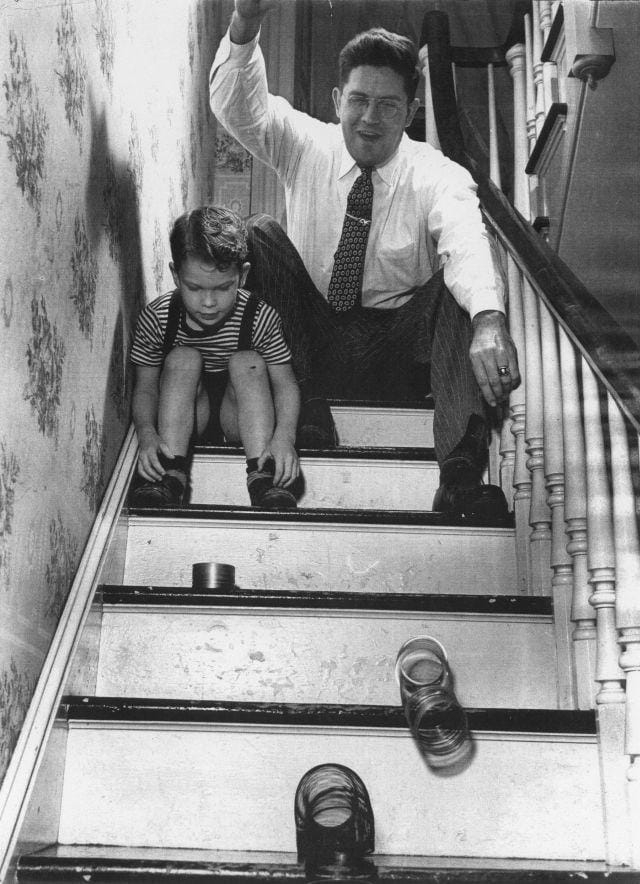
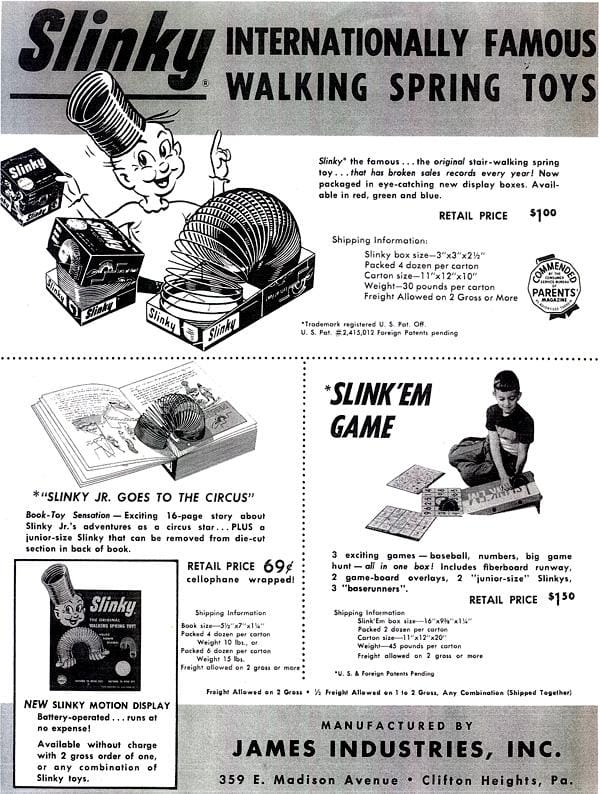
WWII Walking Wonder: The Untold Story of the Slinky In 1943, naval engineer Richard James was working in his Philadelphia workshop on tension springs meant to stabilize sensitive instruments aboard battleships during World War II. While adjusting a spring, it slipped from his hands and “walked” across the floor in a mesmerizing motion. James was astonished. He and his wife, Betty, immediately realized this accidental movement could be the basis for a playful invention. They experimented with dozens of prototypes, measuring how far springs could travel, how many flips they could make, and how quickly they could complete a descent. After testing hundreds of coils, they determined that a spring 2.5 inches in diameter made from high-grade Swedish steel produced the most consistent walking effect. Slight variations in coil thickness, tension, and length drastically changed the motion, and only about 2% of springs tested achieved the ideal “walk.” The war influenced materials and timing: steel was rationed, making their carefully sourced Swedish steel highly valuable, and small-scale production required meticulous hand-winding and testing. Post-war America’s shift to consumer goods in 1945 created the perfect market moment, allowing the Jameses to bring their invention to stores. Each original Slinky sold for $1, equivalent to roughly $17 today. Finally, they revealed the creation to the public: at Gimbels department store in Philadelphia, 400 units were displayed, and all sold within 90 minutes. By the early 1950s, Slinky was sold in over 30,000 stores nationwide, and more than 50 million units were purchased by 1960. Today, over 300 million Slinkys are sold annually worldwide, including metal, plastic, glow-in-the-dark, and themed editions like Disney and Star Wars. The toy also serves as an educational tool, demonstrating wave motion, gravity, and momentum in classrooms across the globe. #WWII #WWIIHistory #USHistory #History #America #USA #Military #Toys

Tag: history - Page 19 | LocalAll