Tag Page history

#history
1776 Patriot

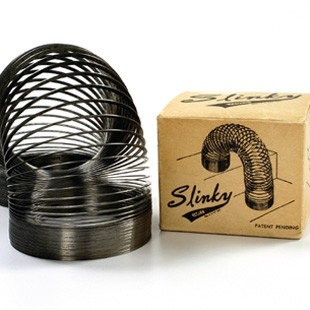
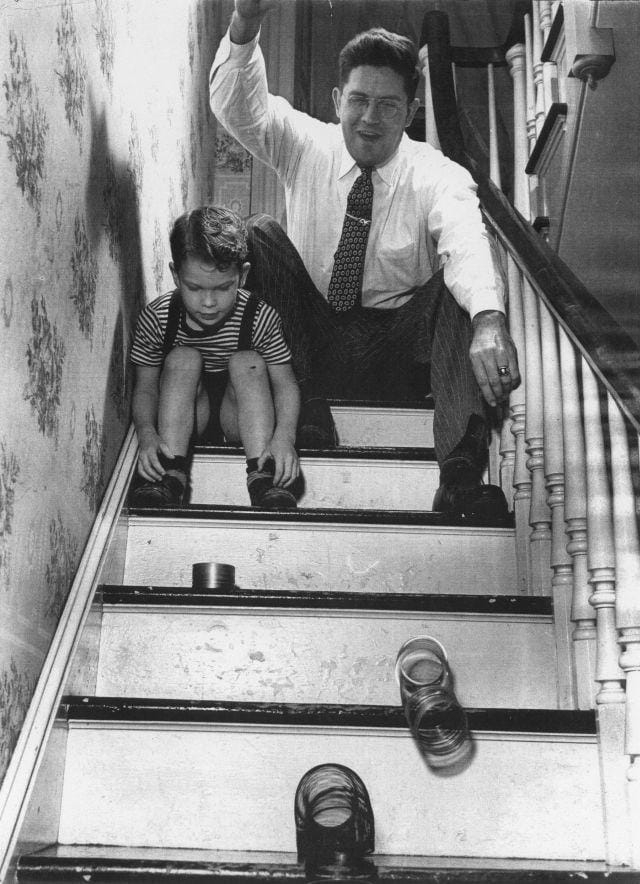
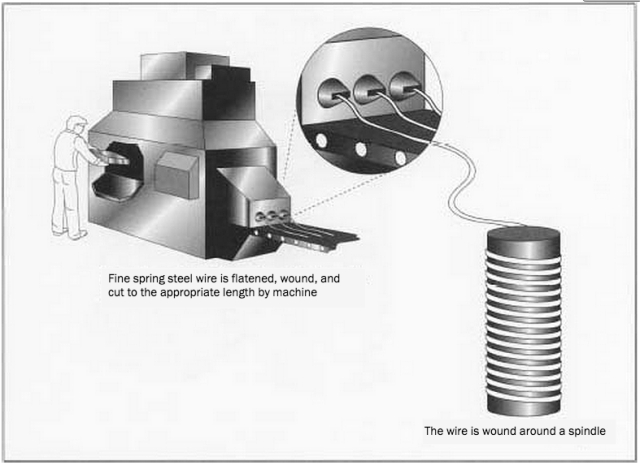
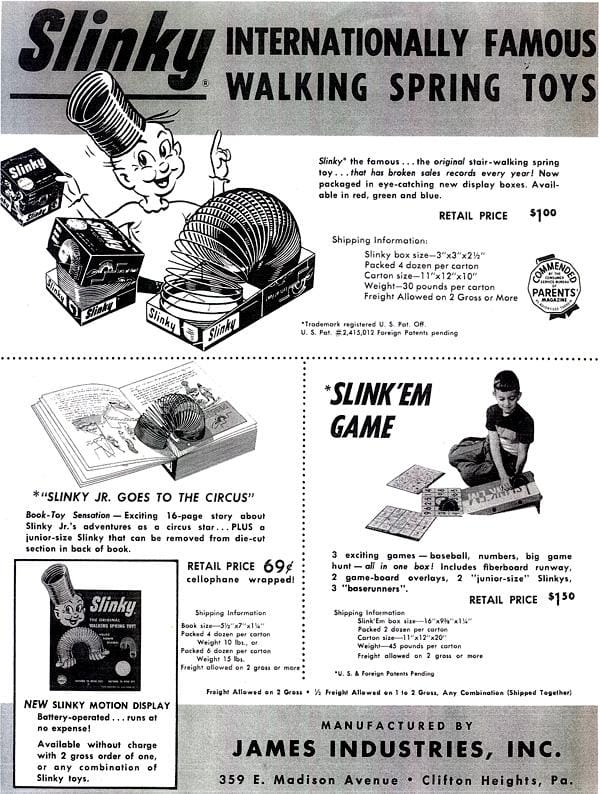
WWII Walking Wonder: The Untold Story of the Slinky In 1943, naval engineer Richard James was working in his Philadelphia workshop on tension springs meant to stabilize sensitive instruments aboard battleships during World War II. While adjusting a spring, it slipped from his hands and “walked” across the floor in a mesmerizing motion. James was astonished. He and his wife, Betty, immediately realized this accidental movement could be the basis for a playful invention. They experimented with dozens of prototypes, measuring how far springs could travel, how many flips they could make, and how quickly they could complete a descent. After testing hundreds of coils, they determined that a spring 2.5 inches in diameter made from high-grade Swedish steel produced the most consistent walking effect. Slight variations in coil thickness, tension, and length drastically changed the motion, and only about 2% of springs tested achieved the ideal “walk.” The war influenced materials and timing: steel was rationed, making their carefully sourced Swedish steel highly valuable, and small-scale production required meticulous hand-winding and testing. Post-war America’s shift to consumer goods in 1945 created the perfect market moment, allowing the Jameses to bring their invention to stores. Each original Slinky sold for $1, equivalent to roughly $17 today. Finally, they revealed the creation to the public: at Gimbels department store in Philadelphia, 400 units were displayed, and all sold within 90 minutes. By the early 1950s, Slinky was sold in over 30,000 stores nationwide, and more than 50 million units were purchased by 1960. Today, over 300 million Slinkys are sold annually worldwide, including metal, plastic, glow-in-the-dark, and themed editions like Disney and Star Wars. The toy also serves as an educational tool, demonstrating wave motion, gravity, and momentum in classrooms across the globe. #WWII #WWIIHistory #USHistory #History #America #USA #Military #Toys

Abraham Lincoln

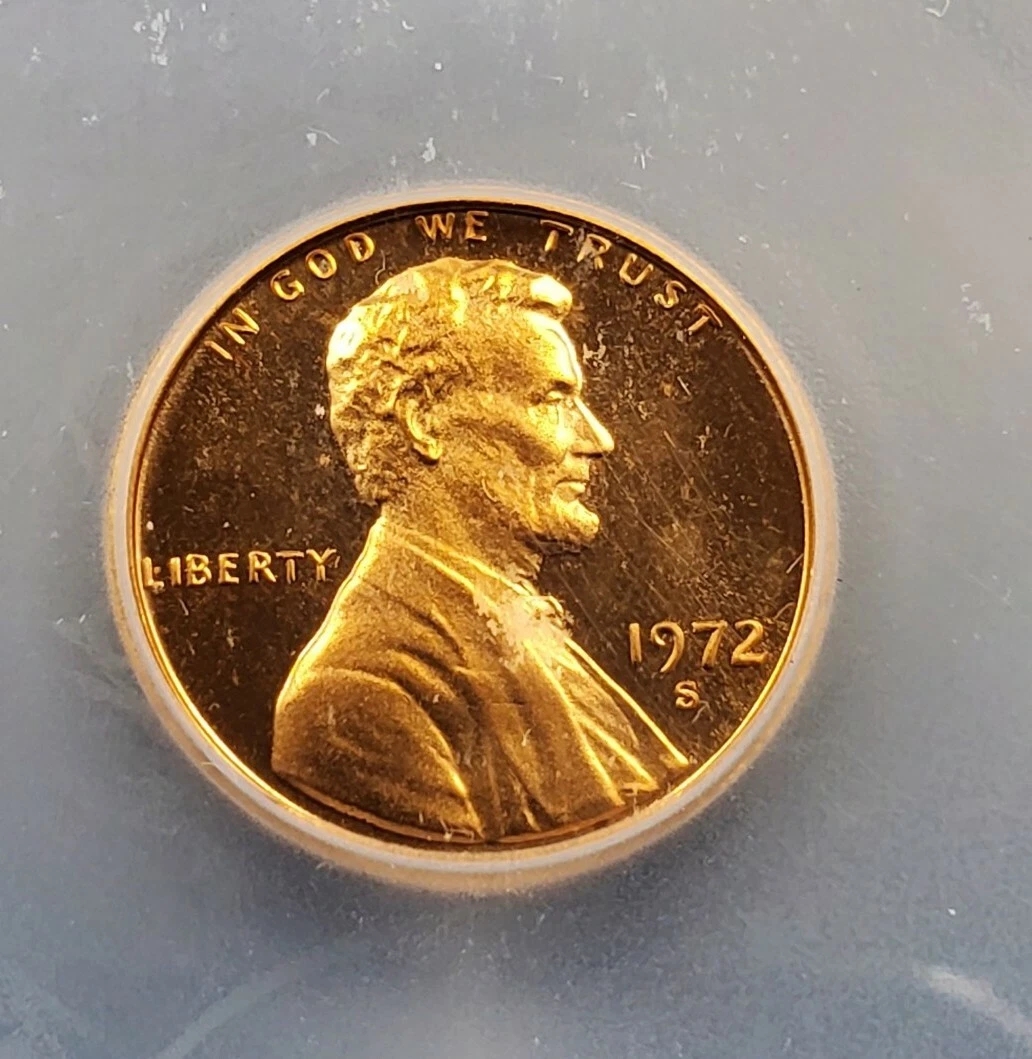
Reflections from My Pocket: How I Came to Be on the Penny I never imagined my face would appear on something as ordinary as a penny, yet in 1909, the United States Mint struck the first Lincoln cent to honor my 100th birthday. At the time, that penny, worth one cent, had the purchasing power of roughly 30¢ today, enough to buy a loaf of bread or a newspaper. In that year alone, the Mint produced 72 million pennies, nearly 60% more than the previous year’s Indian Head cents, showing the public’s enthusiasm for seeing history in their pockets. Why choose me? I understand now that Victor David Brenner, the sculptor who designed the coin, wrote, “I chose Lincoln because his life embodies the highest ideals of this country, and the coin should carry his noble image to every pocket.” I am humbled that my life, my work preserving the Union and proclaiming liberty for the enslaved, was seen as worthy of such a tribute. Some critics at the time worried about placing a political figure on money, yet the public embraced it. Brenner, born in Lithuania and immigrating to the United States in 1890, captured my profile using photographs by Mathew Brady. His initials, VDB, appeared on the reverse of the first 1909 pennies, occupying roughly 1–2% of the surface, which sparked a debate over visibility and credit. The coin weighed 3.11 grams and was composed of 95% copper and 5% tin and zinc, nearly identical to modern pre-1982 cents. Within the first year, about 18 million coins bore the full VDB initials, making them prized collectibles today, some fetching hundreds or even thousands of dollars. Even more than a century later, I am humbled that my likeness remains carried by millions every day. The Lincoln cent is a small object, yet it carries the weight of history, unity, and perseverance. I am glad that Brenner’s vision, that my life should embody the ideals of the nation in every pocket, lives on with each coin. #History #USHistory #America #USA #Penny #Mint #Lincoln

1776 Patriot

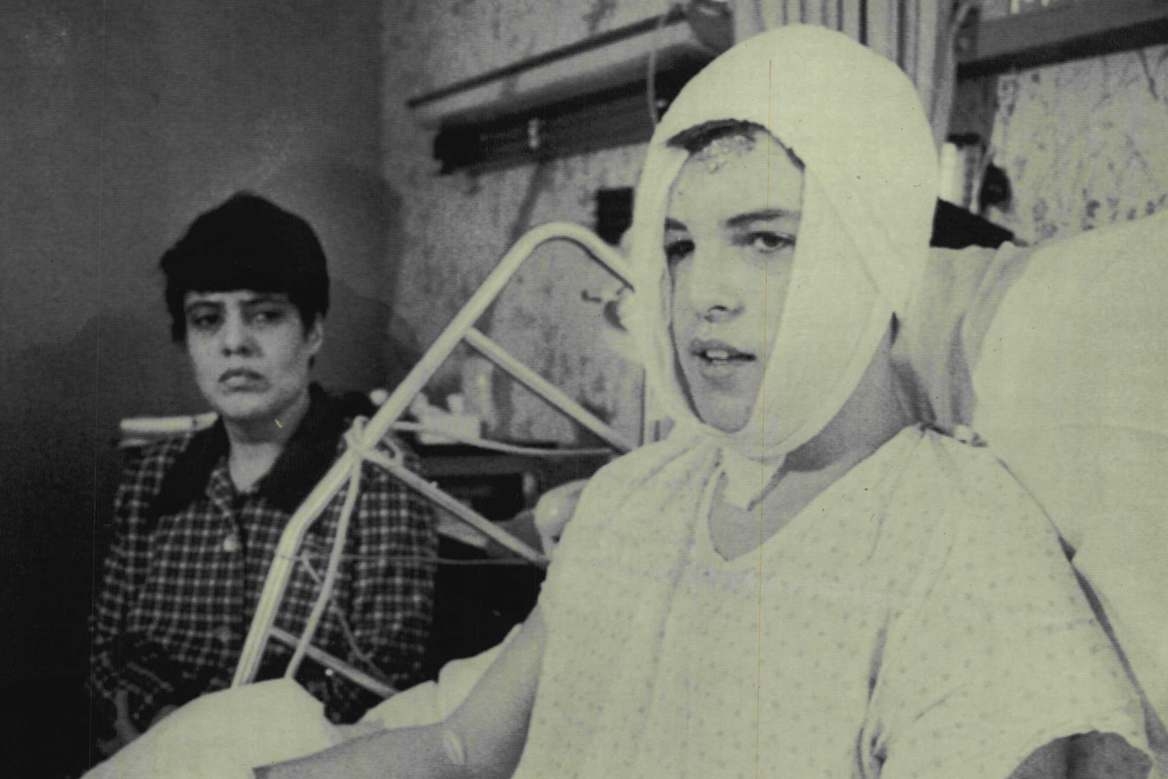
Miracle Over Missouri: George Lamson, Sole Survivor of TWA Flight 128, 1967 On November 20, 1967, TWA Flight 128, a domestic passenger flight in the United States, collided midair with a United Airlines aircraft over Missouri at approximately 11,000 feet. The collision destroyed both planes, killing all 7 crew members and 93 passengers aboard TWA Flight 128 and all 58 people aboard the other plane. George Lamson, a passenger from Missouri, survived, making him the sole survivor of 151 fatalities from the two aircraft. Lamson was seated near the rear of the plane. Investigators concluded that structural debris formed a partial protective space around him, absorbing much of the impact energy. He sustained multiple fractures, including a broken leg, several broken ribs, and a crushed pelvis, as well as internal contusions and significant blood loss. His vital organs avoided fatal trauma, a rare outcome in high energy midair collisions. Rescue crews located him within 20 minutes. Emergency responders stabilized him, controlled hemorrhage and shock, and transported him to a regional hospital. Surgeons performed orthopedic stabilization, blood transfusions, and intensive monitoring. Lamson spent 6 weeks hospitalized and underwent 3 major surgeries. Recovery included months of physical therapy to restore mobility and strength. Later in life, Lamson lived a relatively private life in Missouri. He reportedly returned to work in civil service and rarely spoke publicly about the crash, though he occasionally participated in interviews and safety studies. His survival, one of the rarest in American aviation history, demonstrates how seat location, debris orientation, rapid rescue, and sheer chance aligned perfectly. Analysts estimate that in similar midair collisions, the chance of a single passenger surviving is less than 1 percent, underscoring the extreme improbability of sole survival in catastrophic crashes. #PlaneCrash #Aviation #America #USA #History #Survivor

LataraSpeaksTruth

1863, Nashville… The Day New Soldiers Changed the War

On November 19, 1863, the 13th United States Colored Infantry officially formed in Nashville, Tennessee. Hundreds of Black men stepped forward to wear Union blue at a time when the nation still refused to recognize their full rights. They volunteered anyway. They took up weapons in a country that denied them protections, hoping their service would help crack the walls holding their people down. The 13th USCI was one piece of the larger United States Colored Troops, a force created after the Emancipation Proclamation opened the door for Black military enlistment. The officers were white, but the spirit, grit, and discipline came from the men themselves. Some had escaped plantations. Others were freeborn. All of them were determined to see slavery fall. Their service came with barriers. Lower pay in the early months. Harsher treatment. Hostility from Union soldiers and Confederate soldiers alike. Still, the 13th USCI held the line. They fought in Tennessee, Georgia, and Alabama, pushing Union control deeper into the South. Their formation marked a turning point. The Civil War shifted from just saving the Union to redefining what freedom would mean in America. Black soldiers made that shift visible. The men of the 13th USCI stood as proof that Black Americans were willing, ready, and brave enough to fight for their freedom and their families’ future. Their legacy still speaks: freedom in this country has always moved forward because of the people who were denied it, yet fought for it anyway. #history #americanhistory #blackmilitaryhistory #civilwarstories #LataraSpeaksTruth

1863, Nashville… The Day New Soldiers Changed the War
1776 Patriot

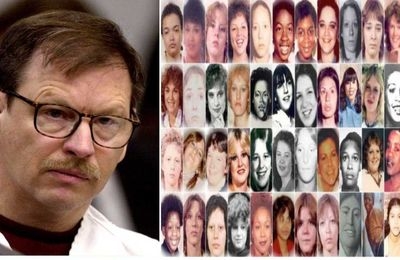
Catching America’s Deadliest Serial Killer: The Green River Killer Investigation Gary Ridgway, the Green River Killer, stands among America’s most prolific serial predators, responsible for 49 confirmed victims and claiming up to 80. His crimes spanned from 1982 to 2000 across Washington state. Ridgway targeted vulnerable women, often sex workers or runaways, luring them into isolated areas and strangling them before leaving their bodies in concealed locations along the Green River, which slowed early discovery and hindered investigative progress. Forensic teams relied heavily on microscopic and biological evidence to link him to victims. Minuscule paint spheres measuring roughly 10 microns were recovered from at least six victims. For scale, 10 microns is one tenth the width of a human hair and comparable to a single red blood cell. Infrared microspectroscopy showed the particles matched rare industrial spray paint used at Ridgway’s workplace. Investigators noted that hundreds of spheres in multiple colors created recurring environmental signatures that tied murders to a single source and demonstrated how trace materials could quietly record offender movements. DNA evidence added decisive weight. Preserved samples from several victims were matched to Ridgway’s 1987 saliva sample, confirming direct contact and strengthening the timeline of his activities. These converging forensic streams enabled detectives to confidently link victims separated by many years and refine a consistent offender pattern with greater precision. Ridgway’s methodical tactics and repeated returns to dump sites helped him evade capture for nearly two decades. After his arrest, he entered a detailed confession to avoid capital punishment. He received life imprisonment without the possibility of parole for each count, ensuring he will remain in custody permanently. #TrueCrime #LawEnforcement #History #ForensicScience #SerialKiller #USA

1776 Patriot

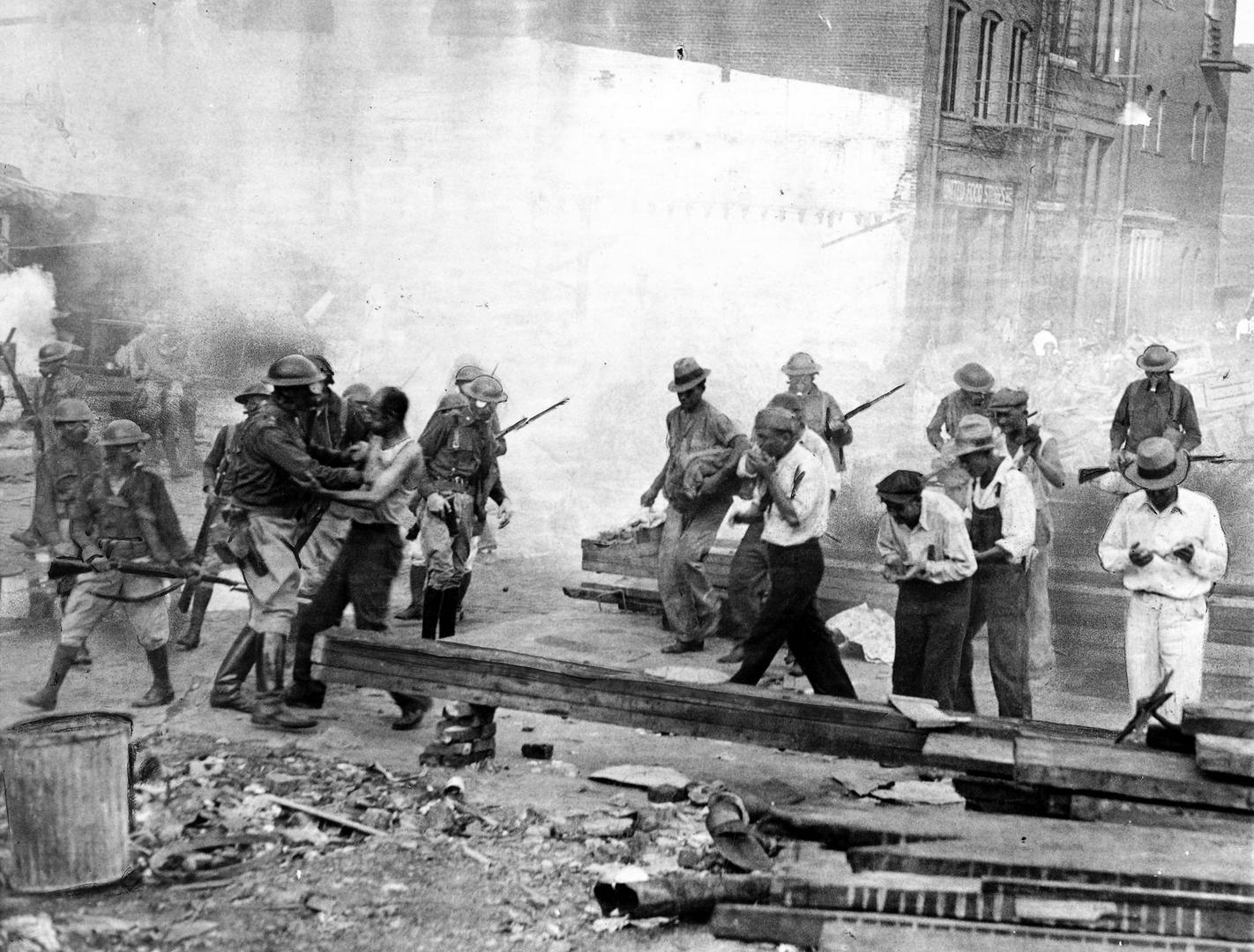
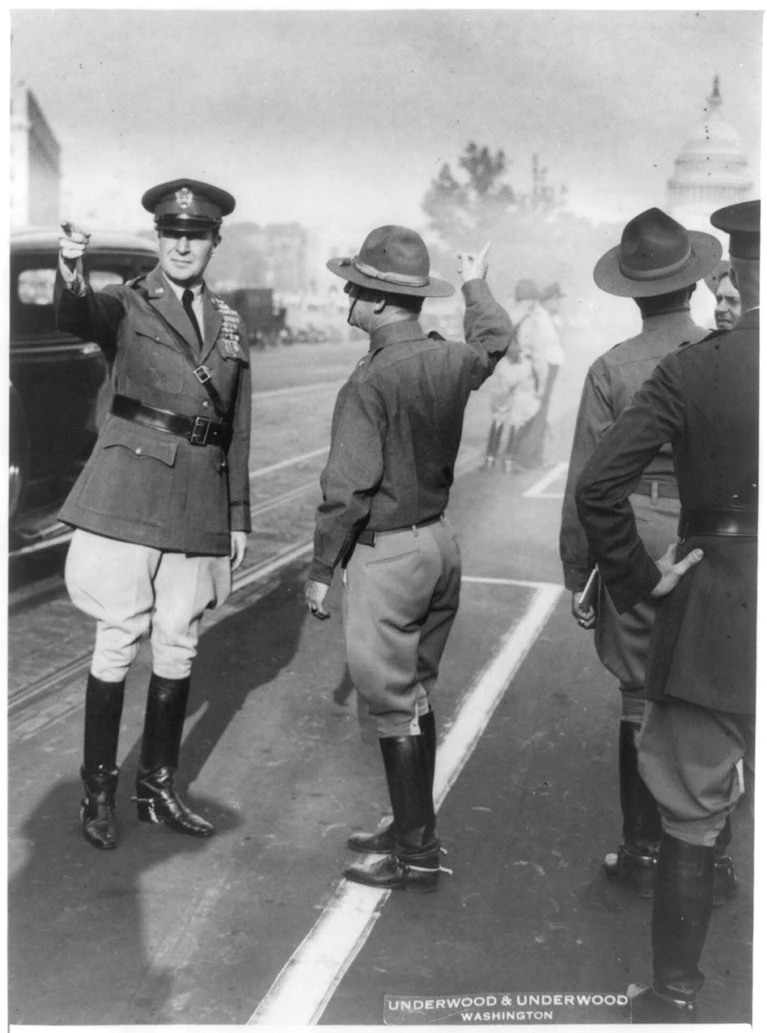
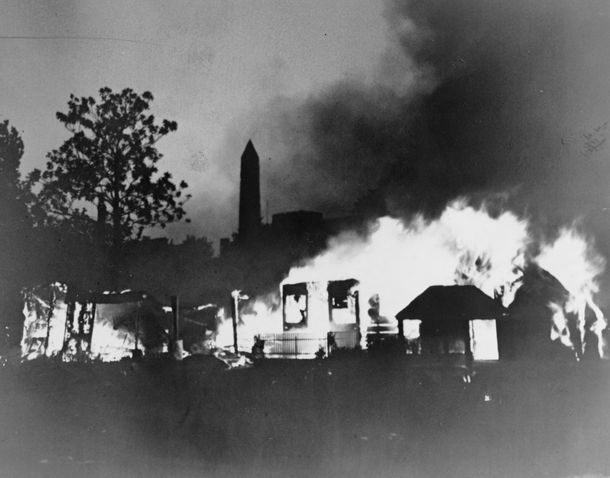
When General Patton and MacArthur Drove Veterans Out of Washington In the summer of 1932, roughly 43,000 people gathered in Washington D.C., including 17,000 World War I soldiers and 26,000 family members. They were the Bonus Expeditionary Force, demanding early payment of a bonus Congress promised in 1924 but scheduled for 1945. Each held a certificate worth $1 per day in the U.S. and $1.25 per day overseas, desperately needed during the Great Depression when unemployment reached 24%. They built over 1,500 huts on the Anacostia Flats. The encampment became the largest Hooverville, a shantytown named after President Hoover, with organized sanitation, streets, a small newspaper, a school, a mess hall, and medical stations. Congress debated their request, but the Senate rejected the bonus on June 17, 1932, by 62 - 18. Many refused to leave. On July 28, President Hoover ordered the camps cleared. Hoover faced declining public support as the economy worsened and unemployment peaked near 24%, contributing to a sharp decline in his popularity, which fell to roughly 23%. With business leaders urging action against perceived disorder, Hoover authorized Army Chief of Staff Douglas MacArthur to lead the operation. MacArthur oversaw 600 troops, including cavalry, infantry, and six M1917 tanks commanded by Major George S. Patton. Soldiers advanced with bayonets and fired tear gas while cavalry pushed crowds through the streets. By nightfall, the camp was set on fire, destroying hundreds of shelters and leaving thousands homeless. Thousands of personal belongings, including blankets and tents, were burned. At least 2 men were killed and more than 1,000 injured or treated for gas exposure. One participant told a reporter, “We fought for this country and now the country fights us.” Images of troops led by MacArthur and Patton driving out these former servicemen shocked the nation and became one of the most damaging moments of Hoover’s presidency. #USHistory #History #America

You've reached the end!