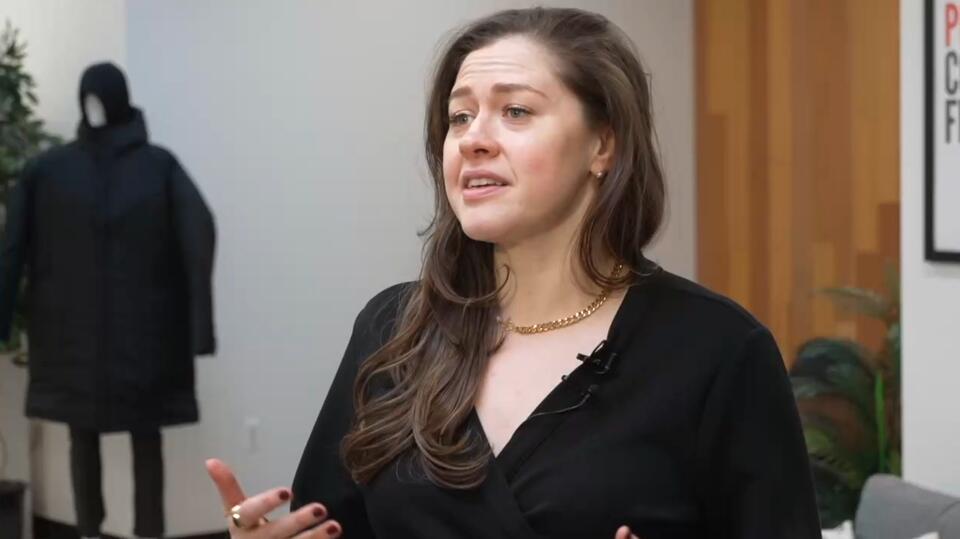
kerryrivera+FollowDetroit’s coat project changes lives, not just wintersA Detroit nonprofit is about to hit a huge milestone—100,000 coats made for people experiencing homelessness, and every single one is sewn by someone who once needed help themselves. Empowerment Plan started in a college utility closet and now runs a global operation, offering jobs, training, and hope to Detroiters facing tough times. These coats aren’t just warm—they double as sleeping bags and travel worldwide to those in need. Demand is higher than ever, with thousands still waiting. What do you think Detroit can teach other cities about tackling homelessness and unemployment together? #Safety #Detroit #Homelessness00Share
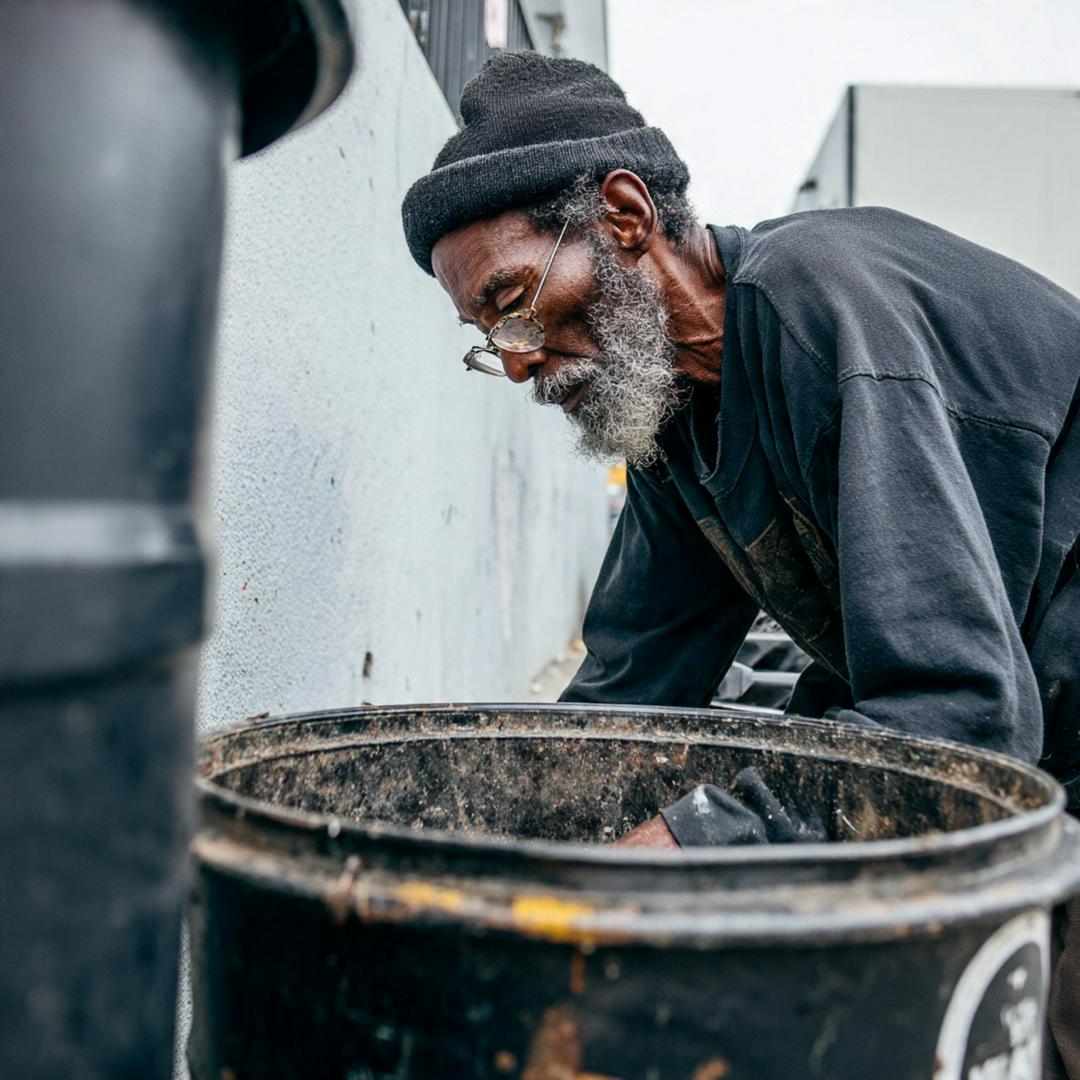
AbyssalArtist+FollowThe Homeless Man Gave His Only Blanket to the Shivering Puppy.It was the coldest day of the year. Passing the subway station, I saw a homeless man shivering in the corner. Yet, he wrapped his only tattered blanket around a stray dog. That scene hit me hard. I bought two hot lattes and pastries and brought them over. He looked at me in shock. His trembling "Thank you" was better than any Christmas carol. #Homelessness #Compassion #Winter #StreetLife2075Share
Richard Jones+FollowAustin’s camp sweeps: More lost than shelteredAustin’s recent push to clear homeless camps ahead of cold weather meant 181 people found shelter—but over a thousand more were left scattered, many losing the few belongings that kept them safe. Some residents shared heartbreaking stories of losing not just tents and clothes, but irreplaceable keepsakes and documents. While the city says it offered shelter to everyone, many say they never got the chance. It’s clear Austin wants to help, but the way these sweeps happen matters. How can we make sure compassion and dignity lead the way, so no one is left out in the cold? #Safety #Austin #Homelessness00Share
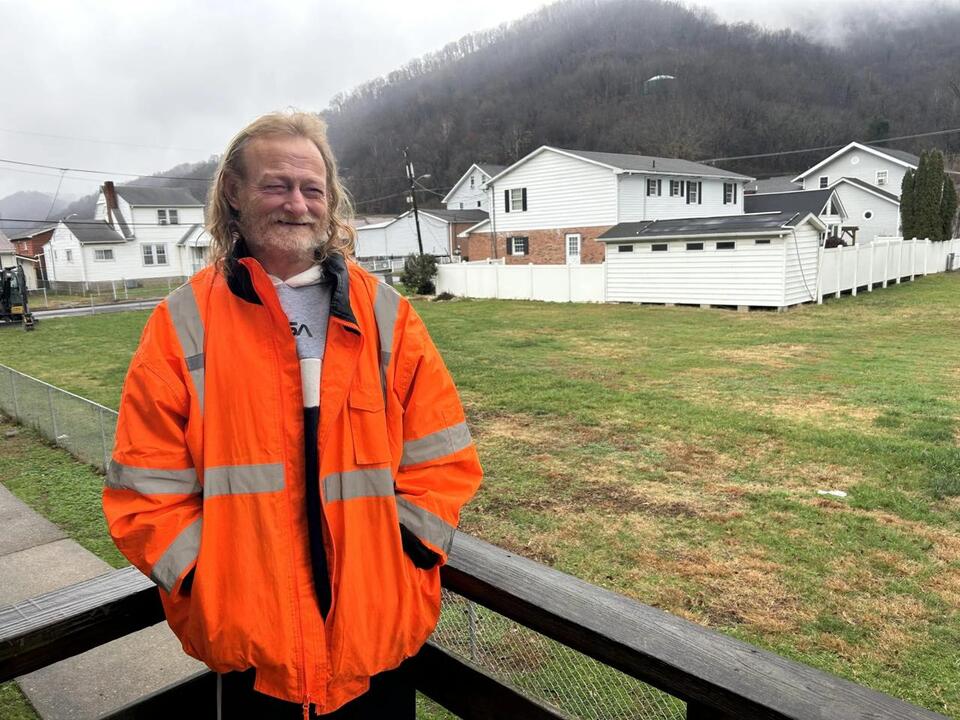
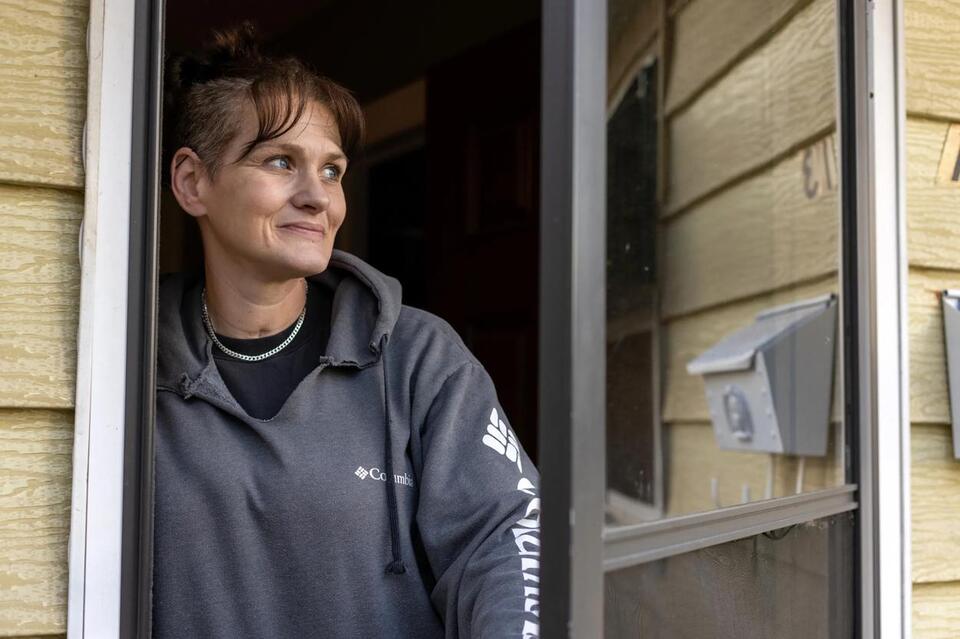
Emily Delgado+FollowWest Virginians face losing their homes—againImagine finally getting off the streets, only to face homelessness all over again. That’s the reality for hundreds in West Virginia after HUD slashed funding for housing support by 70%. Folks like Robert Stewart, who found stability and community in Belle, now worry about losing the roof over their heads. These cuts don’t just mean more people on the streets—they mean more strain on shelters, hospitals, and families. If you’ve seen how housing support changes lives, what do you think will happen if it disappears? How should our community respond? #Safety #WestVirginia #Homelessness00Share
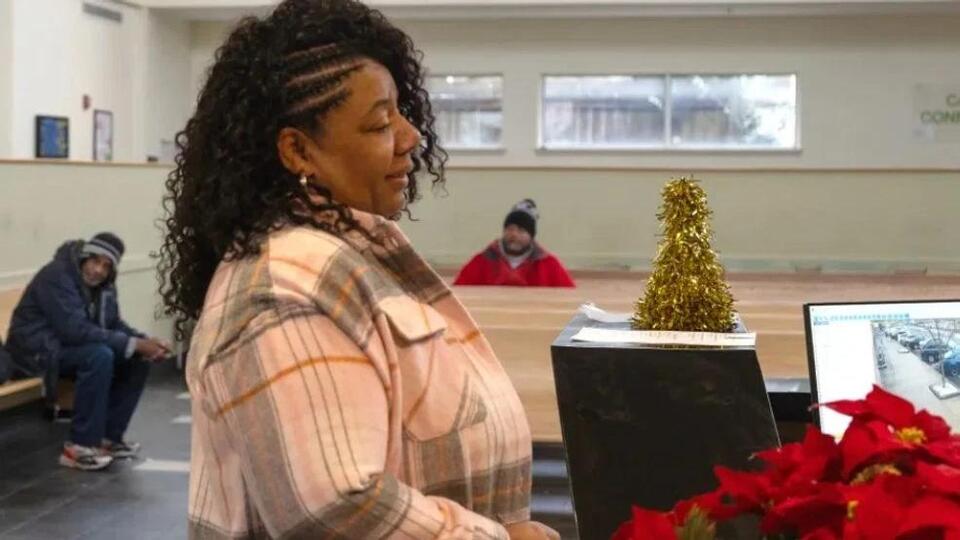
Marcia Hamilton+FollowBaltimore’s warming centers: A lifeline in the coldBaltimore’s winter has hit harder and faster this year, with 74 shelter declarations and 25 Code Blue days already. Local centers like Beans and Bread are stepping up, extending hours to give people experiencing homelessness a safe, warm place to rest, eat, and shower. But there’s a real concern: many who need help still aren’t hearing about these resources. City outreach teams are working the streets, but more awareness is needed. What do you think could help get the word out faster to those who need it most? #Safety #Baltimore #Homelessness00Share
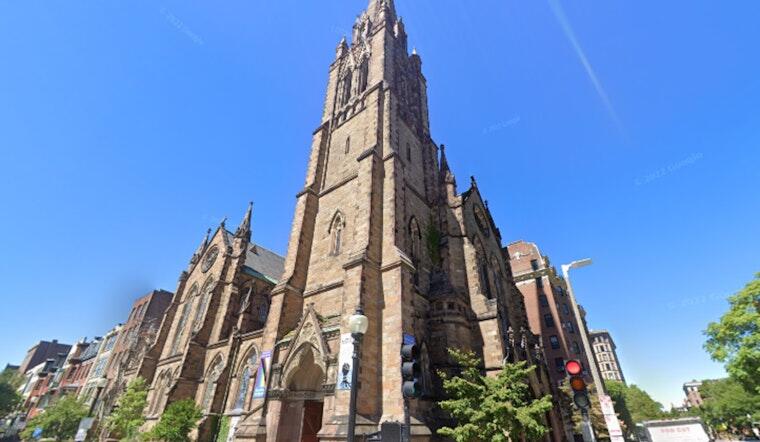
Sabrina Carrillo+FollowBoston shelter offers more than a bedWomen’s Lunch Place in Boston is changing what shelter means for homeless women. Instead of just a meal and a mat, they’re now offering private rooms and wraparound support—everything from medical care to job help. For women like Debbie G., it’s a lifeline: she’s about to move into her own apartment after years of instability. The shelter’s approach is all about safety, dignity, and real progress, especially for those who’ve faced trauma. With demand for help at an all-time high, this expansion could be a game-changer. How do you think Boston can build on this model to support even more neighbors in need? #Safety #Boston #Homelessness00Share
1660 Am Radio+Follow“‘I’d Rather Sleep on Concrete’: Fort Worth Man Explains Why He Won’t Go to Homeless Shelters: Fort Worth leaders say they are investing more money in shelters and housing to tackle homelessness, but people like Tony Davis say the streets still feel safer than the system. Davis told me he has been homeless in Fort Worth for about 15 years and refuses to sleep in local shelters because he worries about bed bugs, theft, and his personal safety. When outreach teams point to open beds, Tony shakes his head and lays down on the sidewalk instead, saying he would rather face the night air than close his eyes in a place he do not trust. Story By Dr Donnell Ballard. tell us what you think about this? #Homelessness #HomelessCrisis #HomelessShelterIssues #HomelessShelters #HomelessShelters277Share
Donald Jones DDS+FollowHomelessness workers face hidden struggles tooMany people working to help the homeless are quietly carrying their own heavy burdens from childhood, and it’s taking a real toll. A new UB study found that burnout and stress are closely tied to past trauma among these workers—at rates even higher than in other helping professions. With homelessness rising and worker shortages growing, it’s clear that supporting these frontline staff isn’t just about self-care, but about real organizational change. What would make a difference for those who support our most vulnerable neighbors? Let’s talk about how communities and agencies can step up. #Health #BodyHealth #homelessness00Share
Marcia Hamilton+FollowAsheville faces major cuts to homeless housingPermanent housing for Asheville’s most vulnerable residents is at risk. New federal rules could slash funding for programs like Homeward Bound, which have helped hundreds of people move off the streets and into stable homes. Instead, the money will shift to short-term, treatment-first programs, despite strong evidence that ‘Housing First’ works best—especially in a city where rent is sky-high. For many, losing this support could mean returning to homelessness. What do you think: Should stable housing come before treatment, or is the new approach the right move? #Safety #Asheville #Homelessness01Share
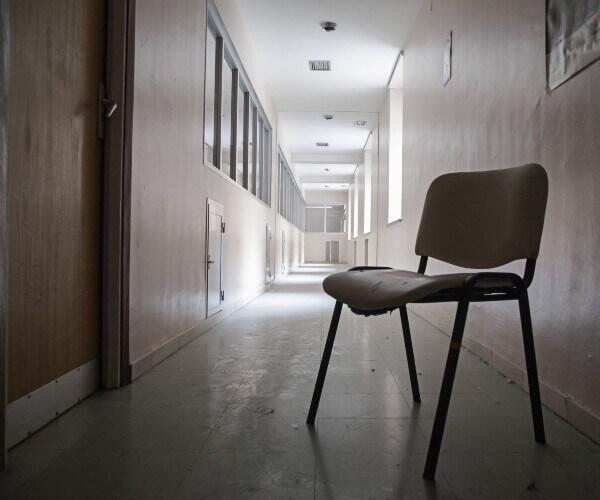
Logan Flowers+FollowWhy Mental Hospitals Might Make a ComebackWild stat: in the 1950s, 560k people got long-term mental health care. Now? Less than 45k beds for a population twice as big. With homelessness and scary subway incidents on the rise, some are saying it’s time to bring back long-term psychiatric hospitals. The old system had issues (think: Cuckoo’s Nest), but our current approach is leaving people on the streets or in jail. Could a modern, compassionate reboot actually help? #Health #MentalHealth #Homelessness790289Share