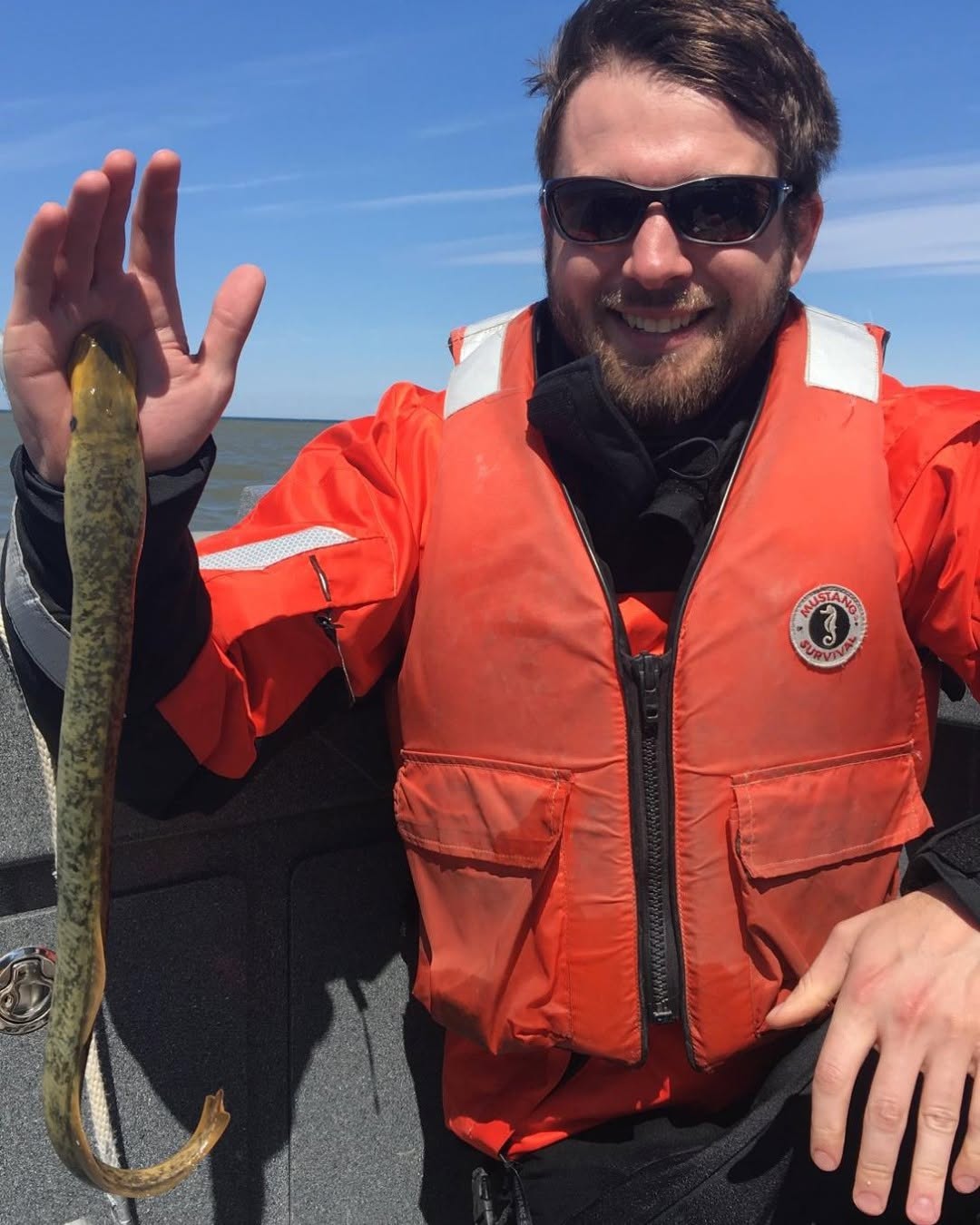
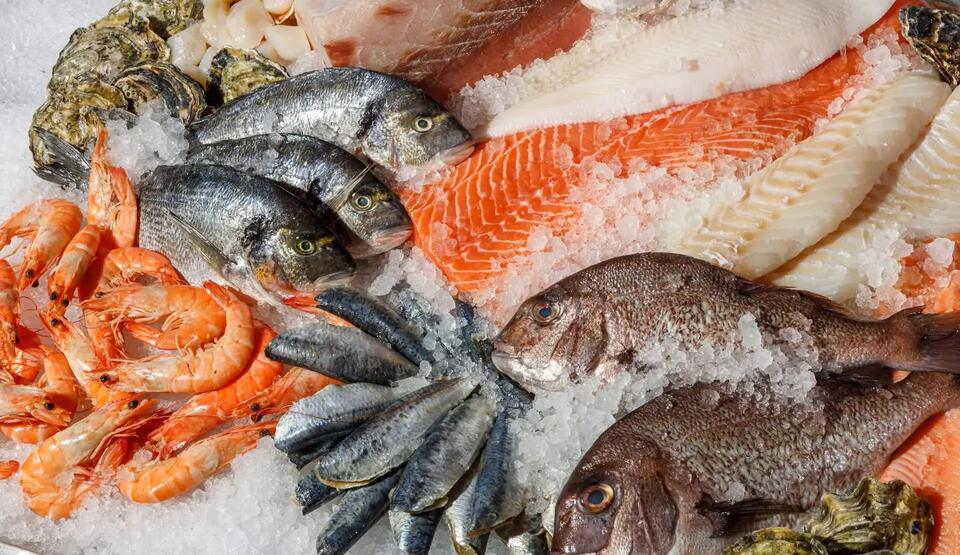
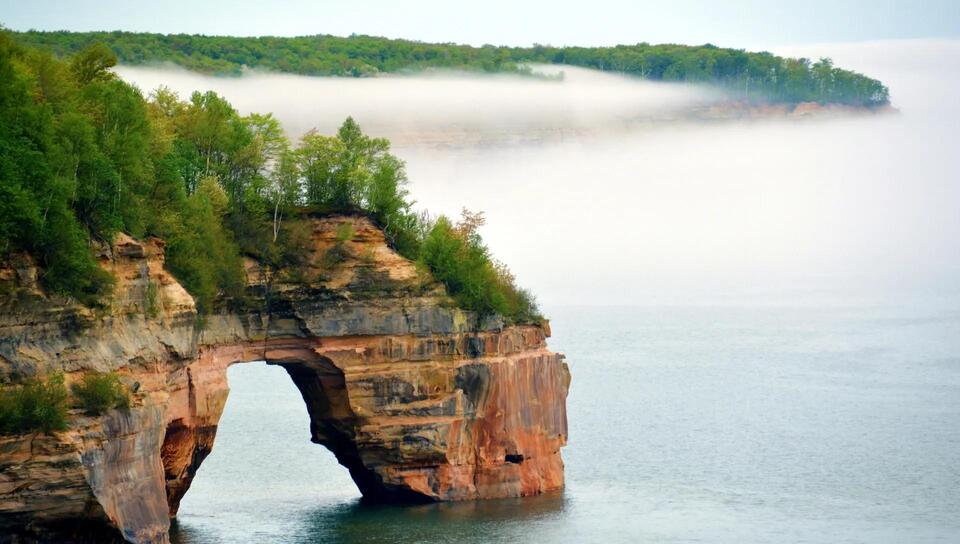
Melvin Mosley+FollowGreat Lakes face a new sea lamprey threatSea lampreys—those nightmare fish with suction mouths and rows of teeth—are making a comeback in the Great Lakes, and funding to fight them is on the chopping block. Locals remember when these invaders nearly wiped out lake trout, devastating fishing and local economies. Now, scientists worry lampreys are getting resistant to the chemical that once kept them in check, just as research budgets are threatened. If these cuts go through, we could see another explosion in lamprey numbers, putting native fish and livelihoods at risk. What do you think: Should protecting our lakes be a top priority? #Science #GreatLakes #InvasiveSpecies10Share
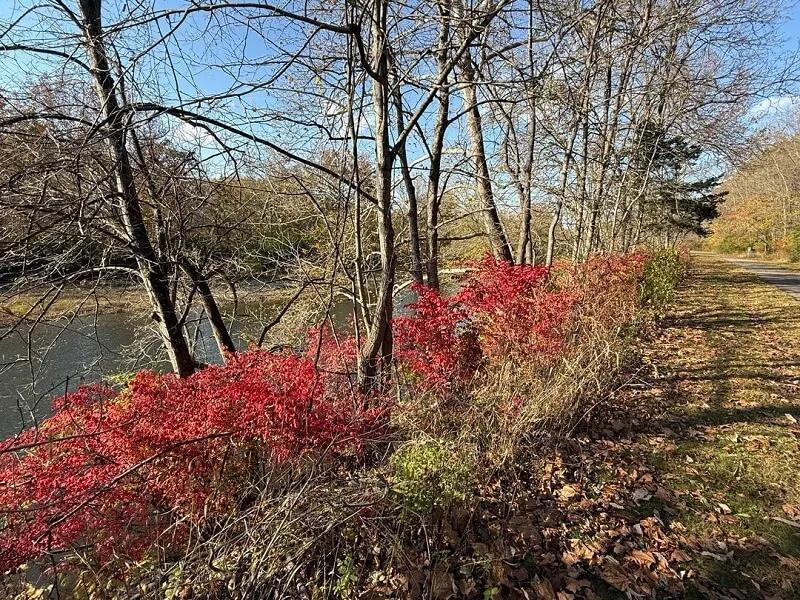
Richard Vaughan+FollowBurning bush invasion threatens Ohio habitatsSouthwest Ohio neighborhoods are seeing their natural spaces swallowed up by burning bush, an invasive plant that's crowding out native species and even overwhelming the once-dominant Amur Honeysuckle. What’s wild is how quickly these plants take over—just one resident’s photo shows entire riverbanks and walking paths blanketed in dense, fiery shrubs. While burning bush looks pretty in fall, it’s a real headache for homeowners and a disaster for local ecosystems. Swapping out invasives for native plants can help restore balance, save money, and support pollinators. Have you noticed these plants taking over your area? What’s worked for you in fighting back? #Science #OhioNature #InvasiveSpecies00Share
Tamara Jones+FollowMaine’s tasty solution to the green crab invasionGreen crabs are causing chaos along Maine’s coast, tearing up eelgrass beds and threatening local shellfish. Instead of letting these invaders take over, chefs and fishermen are fighting back—with their menus. By turning green crabs into broths, sauces, and stocks, Mainers are not only protecting native species but also creating new business for local restaurants. It’s a win-win: fewer invasive crabs and more creative dishes to try. Would you order green crab soup if it helped the environment? Let’s talk about whether eating our way out of this problem could work elsewhere, too! #Science #MaineEats #InvasiveSpecies10Share
Richard Vaughan+FollowEarthworms Gone Wild in US Soil?!Turns out, those wiggly earthworms we always thought were garden heroes might actually be wreaking havoc in US forests! Researchers found that invasive earthworms are taking over, messing with soil nutrients and throwing off the whole ecosystem. Some even say there are just way too many of them. Scientists are using mustard solutions to get them out, but it’s a huge job. Who knew the real soil drama was happening right under our feet? #Science #invasivespecies #earthworms00Share
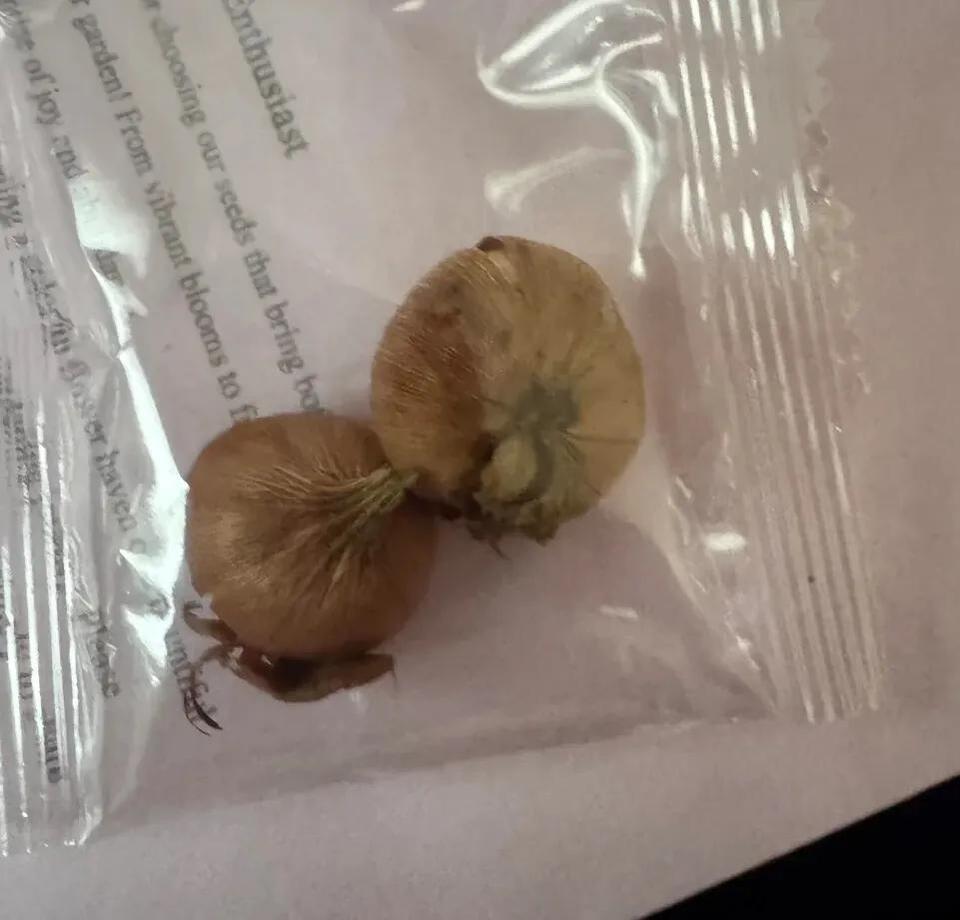
evanshaley+FollowMysterious Seeds in the Mail? Major Red FlagsImagine getting a random package of seeds in the mail—would you plant them? Reddit is losing it over a homeowner who asked what to do with some mystery seeds. The internet’s verdict: destroy them ASAP! Turns out, these could be part of a scam or, worse, an invasive species that wrecks local ecosystems. Lesson learned: if you don’t know what it is or where it came from, don’t plant it! #Home #PlantSmart #InvasiveSpecies00Share
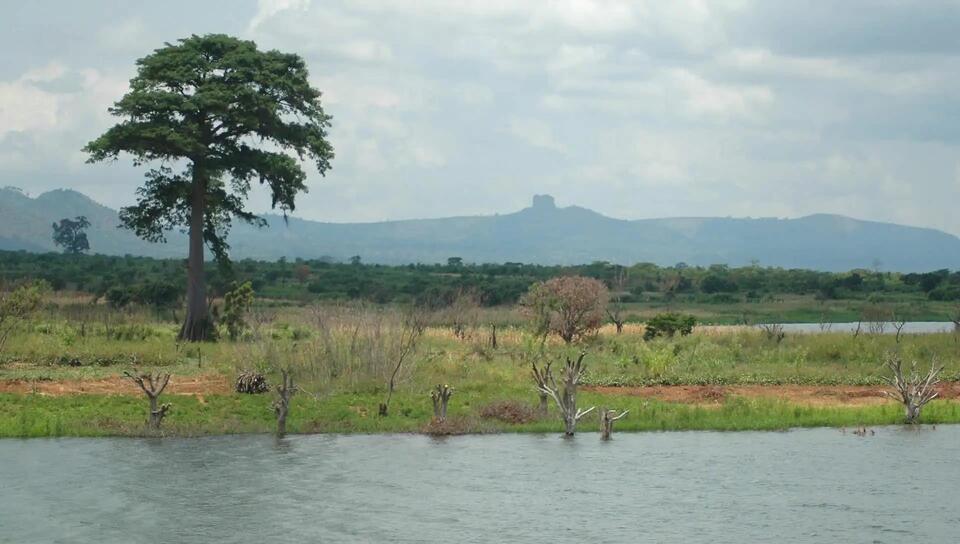
Jamie Brown+FollowThis Plant Could Wreck a Whole Country?!Water hyacinth might look pretty, but it’s causing chaos in Ghana’s waterways. It’s choking out fish, blocking boats, and even messing with power generation. Experts say if they don’t get it under control, it could seriously hurt the nation’s food supply and economy. Crews are mowing it down by the ton, but it’s a race against time. Would you support banning certain plants to protect local ecosystems? #Home #InvasiveSpecies #EcoAlert00Share
John Fitzgerald+FollowInvasive Grass Supercharges Tick SurvivalDid you know a sneaky invasive grass is making disease-carrying ticks stick around way longer in the Southeast? Researchers found that cogongrass, which isn’t even from the US, is helping lone star ticks survive over 100 days longer than usual. That means more time for them to spread illness! If you’re planting anything new, try native plants—your garden (and your health) will thank you. Wild how one plant can shake up the whole ecosystem! #Home #InvasiveSpecies #EcoAlert00Share
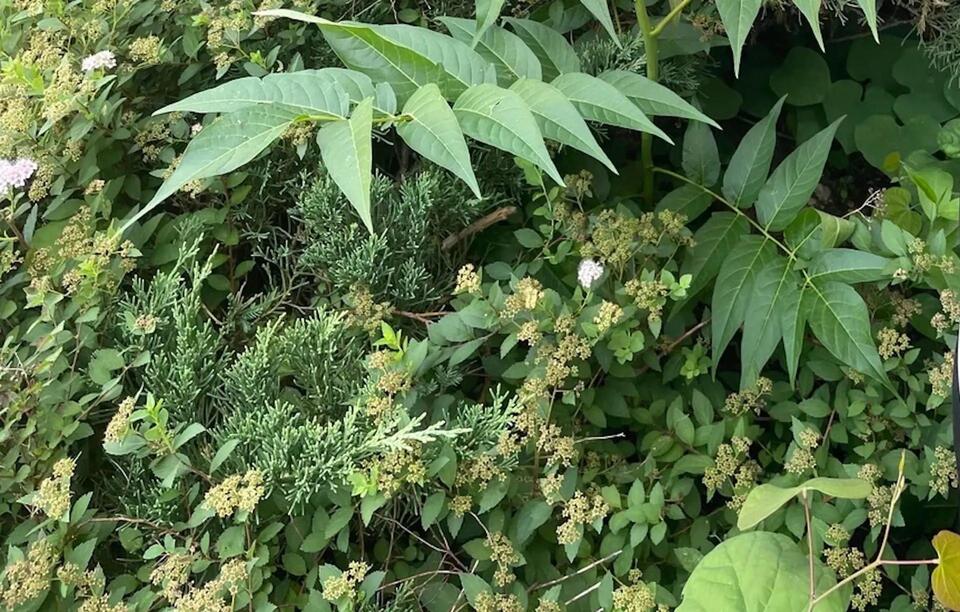
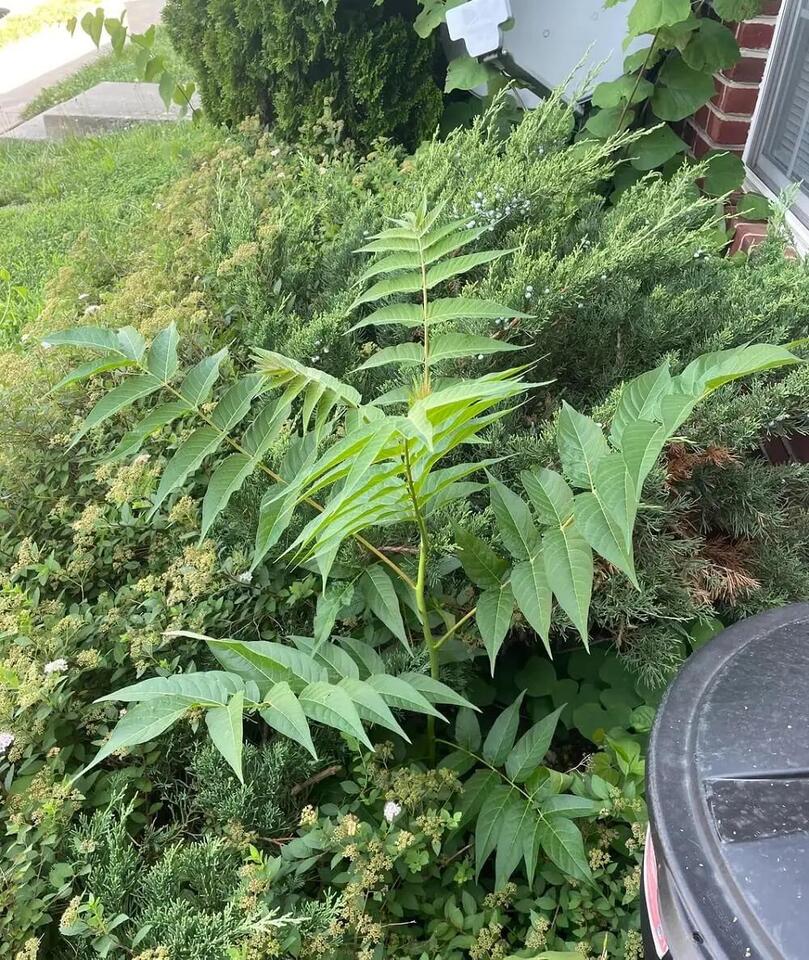
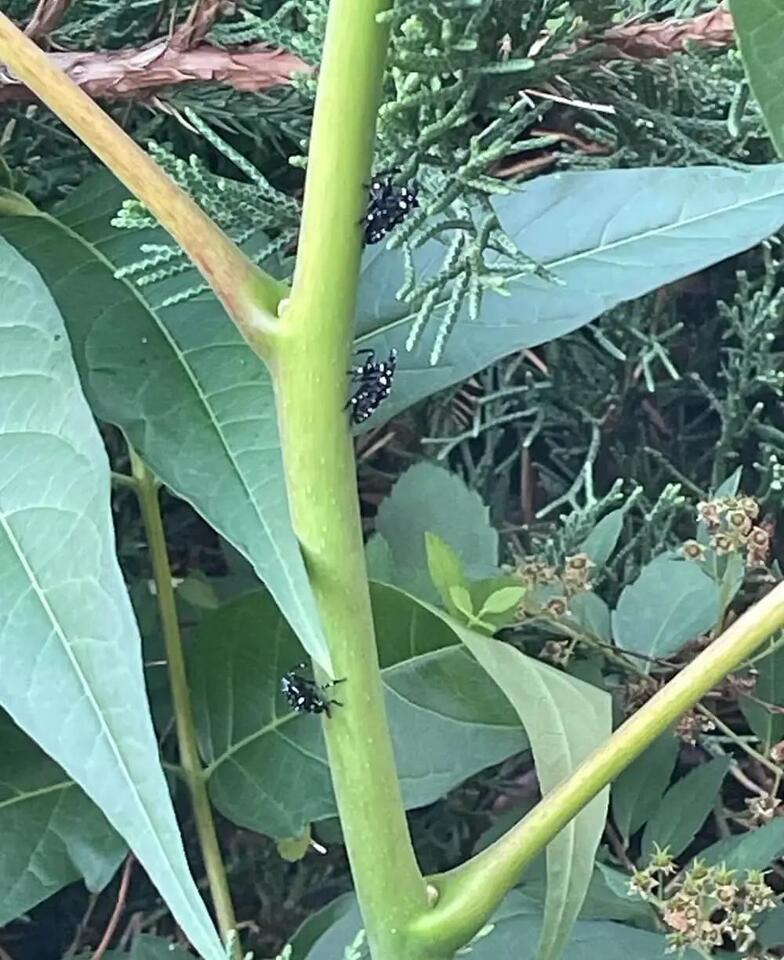
John Fitzgerald+FollowYikes, That’s Not Just a Weed!Ever spotted a weird plant in your yard and shrugged it off? One Redditor did, but turns out it was the infamous tree of heaven—aka an invasive nightmare! Commenters freaked out, urging them to kill it ASAP because it attracts spotted lanternflies and spreads like wildfire. Pro tip: yank those seedlings before they take over. Bonus—switching to native plants or clover lawns can save you cash and help the planet. Anyone else battling mystery plants? #Home #InvasiveSpecies #GardeningFails438234Share
Richard Vaughan+FollowBluff Harbour on alert after giant worm foundA massive 2-foot-long Mediterranean fanworm was just discovered under Bluff Harbour’s wharf, and it’s got the whole community on edge. This invasive marine pest can form dense colonies, outcompeting local sea life like mussels and oysters—bad news for anyone who loves fresh seafood or cares about our local ecosystem. Officials are ramping up surveys to see how far it’s spread, but they’re also asking everyone to keep an eye out and report any sightings. If you’re out boating or fishing, double-check your gear and hulls to help stop the spread. Have you spotted anything unusual in the water lately? #Science #BluffHarbour #InvasiveSpecies477142Share