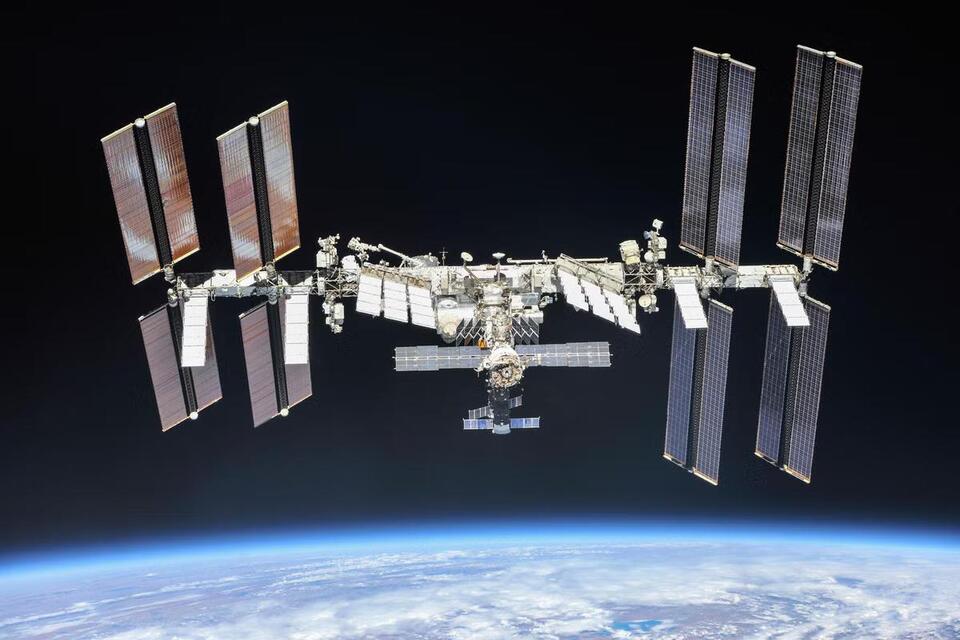
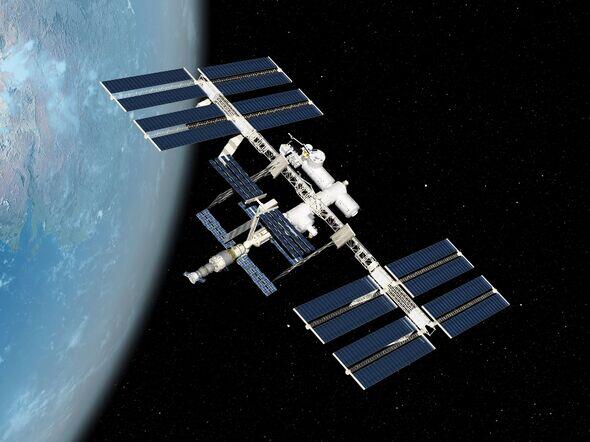
Nicholas Coleman+FollowNASA Astronaut Faces Medical Emergency in SpaceImagine being stuck at work with no way to call in sick—except your office is the International Space Station! NASA might have to send an astronaut home early due to a mystery health issue, which could mean the first-ever medical evacuation from orbit. Spacewalks are on hold, and the whole mission could get cut short. Just a reminder: even in space, health can throw a curveball, so always have a backup plan! #Business #Industry #NASA70Share
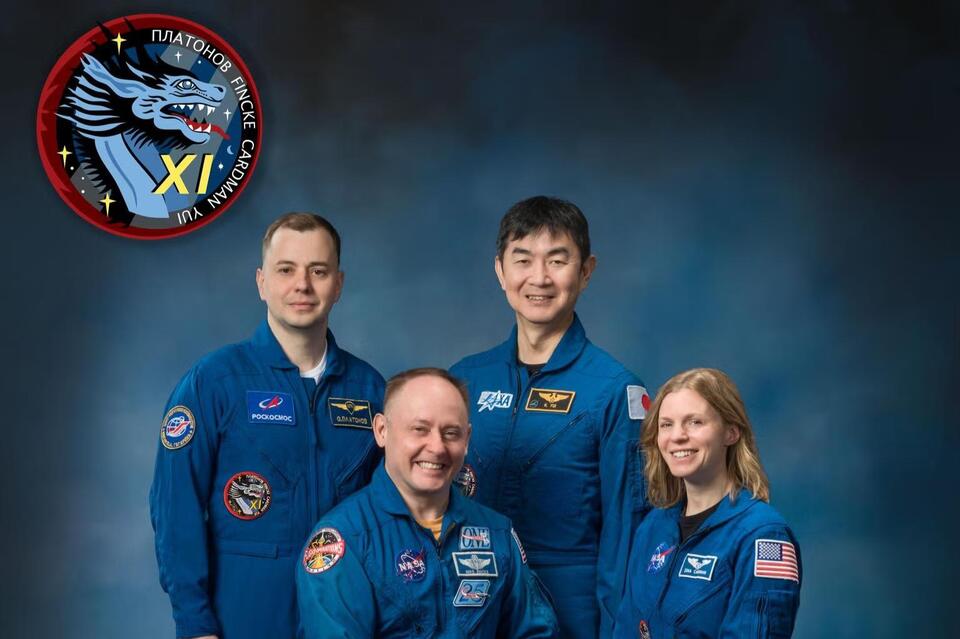
peterfoster+FollowNASA Astronauts Cut ISS Trip Short—Here’s WhyCoffee break scoop: NASA’s Crew 11 is coming home early from the International Space Station after one astronaut had a health scare (don’t worry, they’re stable). It’s the first time NASA’s done a planned medical return from orbit. The crew’s quick thinking and training kicked in, showing that even in space, you need a solid backup plan. For anyone planning big adventures, remember: always have an exit strategy, even if you’re not leaving the planet! #Business #Industry #NASA22Share
awaters+FollowNASA Astronaut Drama: Space Sick Day?Coffee break buzz: NASA just hit pause on a planned spacewalk because one astronaut on the ISS is feeling under the weather. While the crew’s safe for now, NASA’s even considering an early trip home—something that almost never happens. It’s a rare reminder that even in space, sick days can throw off the whole schedule. If you ever thought your work-from-home setup was tough, imagine calling in sick from orbit! #Business #Industry #NASA30Share
awaters+FollowNASA Astronauts Might Come Home Early!Space drama alert: NASA is thinking about bringing one of its astronauts back from the International Space Station ahead of schedule because of a medical issue. While the crew member is stable, NASA isn’t taking any chances—they’ve even postponed a planned spacewalk. It’s a reminder that even in space, health comes first. If you ever feel under the weather at work, just remember: even astronauts get sent home early sometimes! #Business #Industry #NASA00Share
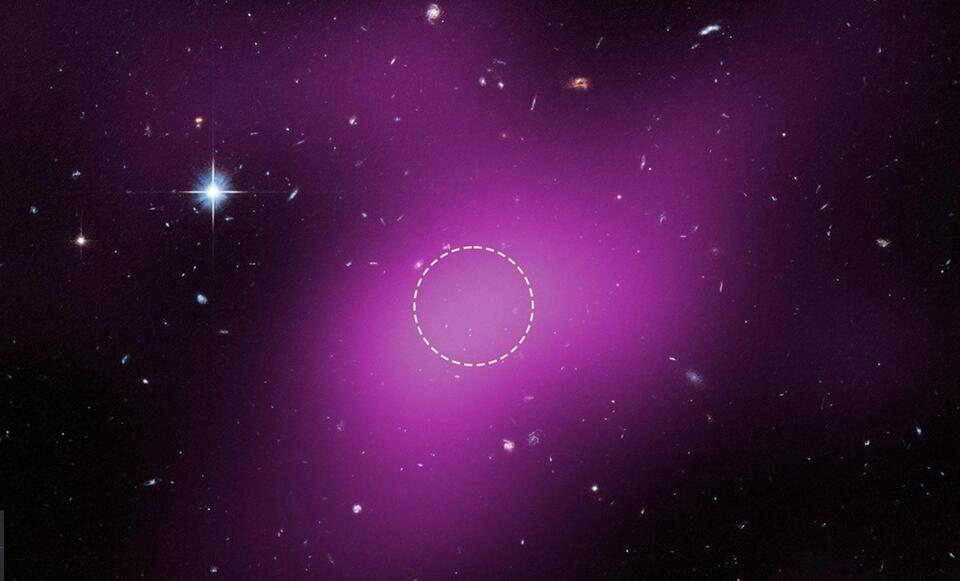
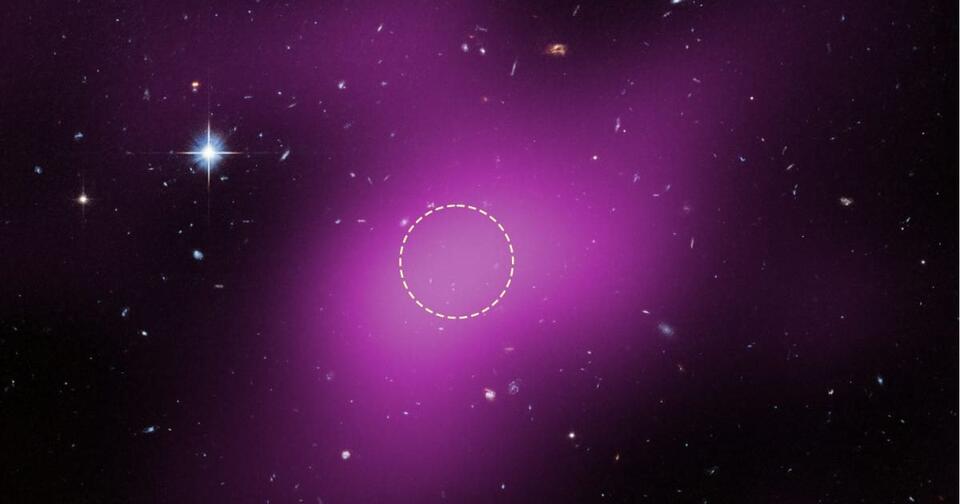
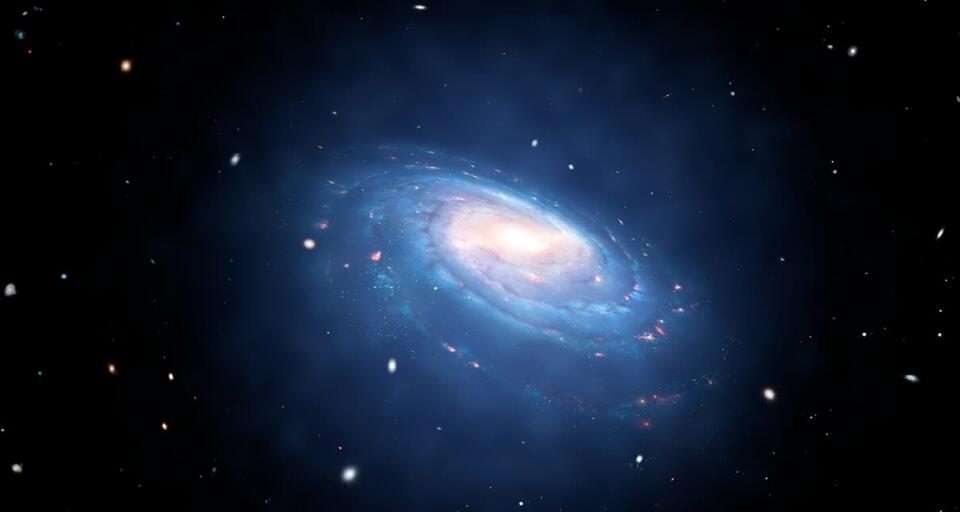
Alexandria Simmons+FollowNASA Just Found a 'Failed Galaxy'!Space fans, get this: NASA just spotted a cosmic oddball called 'Cloud-9'—a starless, gas-filled cloud that’s basically a galaxy that never turned on the lights. Instead of shining with stars, it’s a ghostly blob full of dark matter, giving scientists a peek at what the universe was like before galaxies formed. Imagine a city that never got built—Cloud-9 is that, but in space! This could mean there are way more 'invisible' galaxies out there than we thought. #Business #Industry #NASA00Share
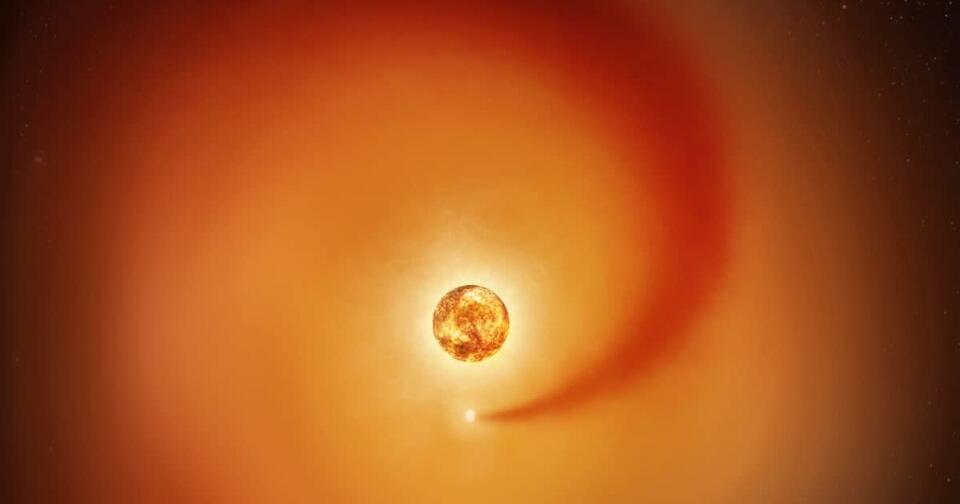
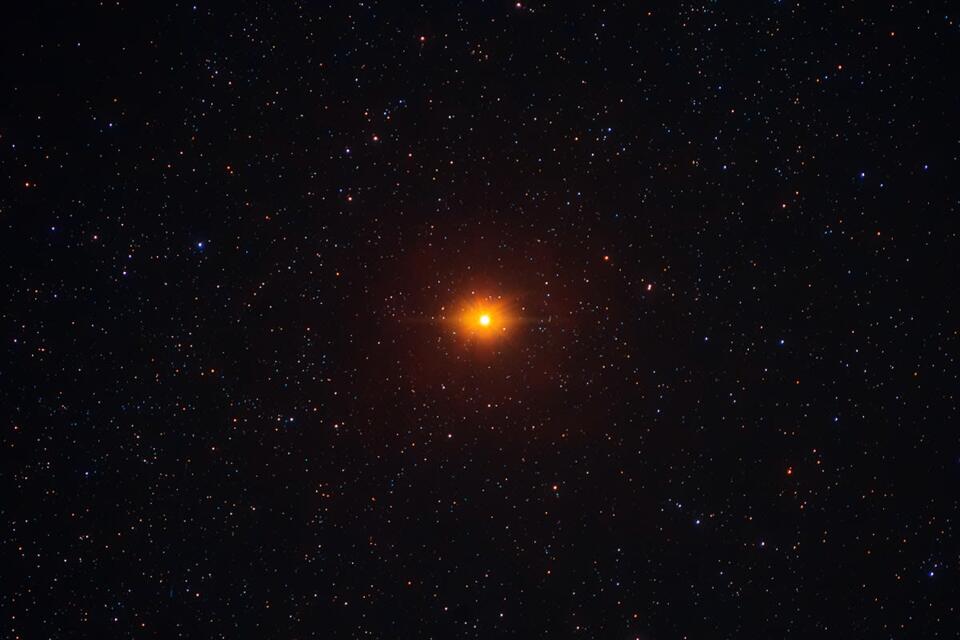
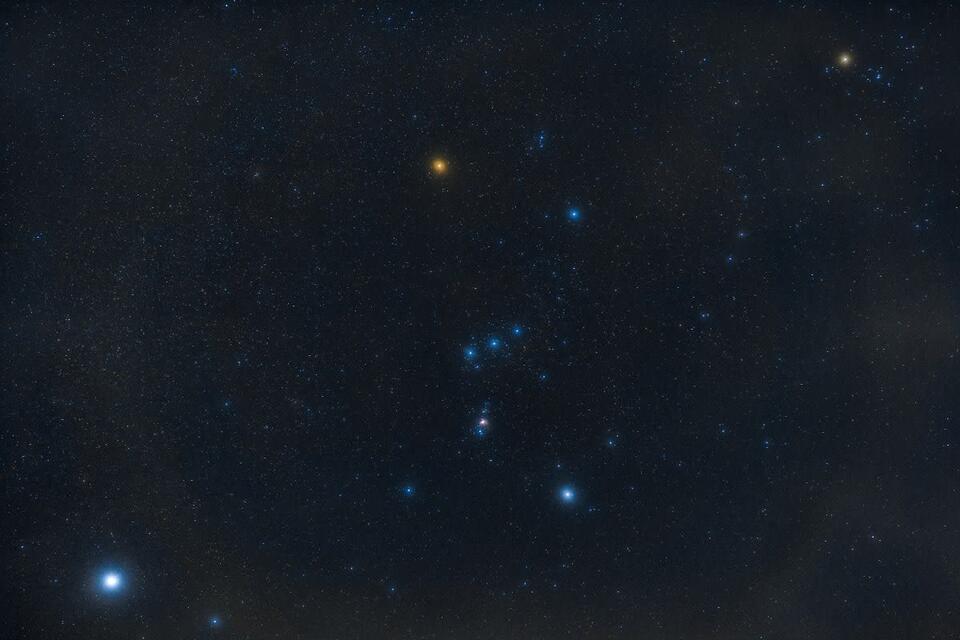
Michael Flores+FollowBetelgeuse’s Secret Star Finally Revealed!Betelgeuse’s wild mood swings finally make sense! NASA’s Hubble just confirmed the giant star has a sneaky companion, Siwarha, that’s been stirring up its atmosphere for years. Think of it like a cosmic boat making waves—those weird brightness changes? All thanks to this hidden sidekick. Astronomers have been suspicious for ages, but now there’s proof. Space drama at 650 light-years away, and we’re getting a front-row seat! #Science #Betelgeuse #NASA20Share
Michelle York+FollowNASA Just Found a 'Failed Galaxy'Astronomers just confirmed the existence of a bizarre, starless object called Cloud-9—basically a giant hydrogen cloud loaded with dark matter, floating 14 million light-years away. It’s like a galaxy that never got its act together and made stars! Scientists are calling it a “window into the dark universe” and think there could be tons more of these cosmic misfits hiding out there. Imagine: abandoned houses in space! #Science #NASA #Cloud900Share
James Brady+FollowNASA Just Found a Ghost Galaxy?!NASA’s Hubble just spotted something wild: a massive cloud of gas and dark matter with zero stars, nicknamed “Cloud-9.” Scientists are calling it a “failed galaxy”—basically, it’s a galaxy that never got its act together to make stars. This is the first time we’ve ever confirmed something like this exists! It could be a missing puzzle piece for understanding dark matter and how galaxies form. The universe is way weirder than we thought! #Science #NASA #Hubble20Share
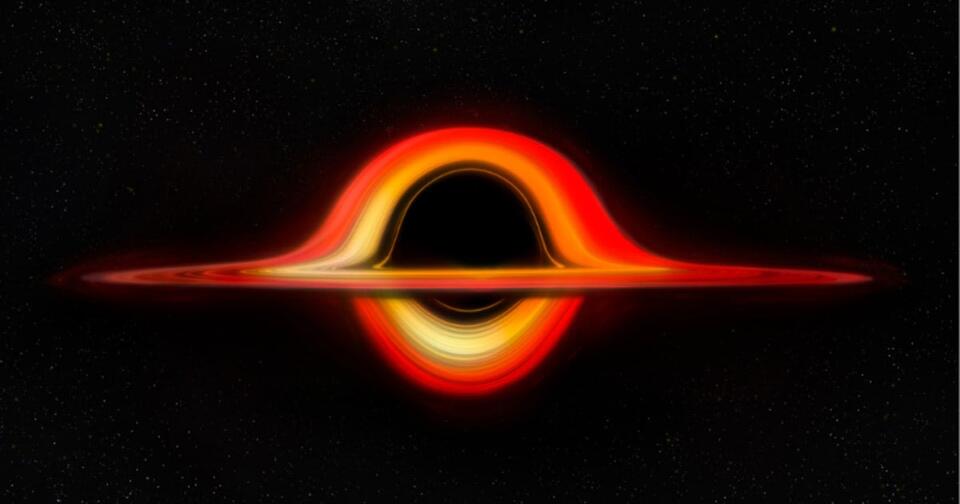
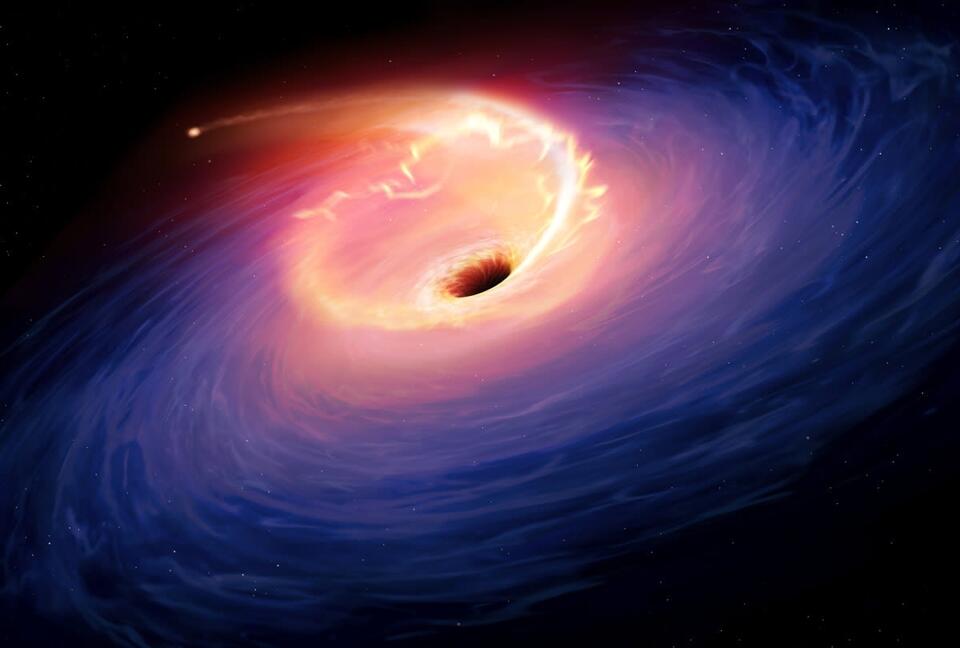
Richard Vaughan+FollowA Black Hole That Breaks All the RulesNASA just found a black hole that’s basically the cosmic equivalent of a lone wolf—and it’s 50 million times the mass of our Sun! What’s wild? This beast, called Abell 2744-QSO1, is hanging out all by itself, with no stars orbiting it, and it might have formed way before stars even existed. Scientists are shook because this discovery totally challenges what we thought we knew about how black holes are born. Space just got a lot weirder! #Science #NASA #BlackHole30Share
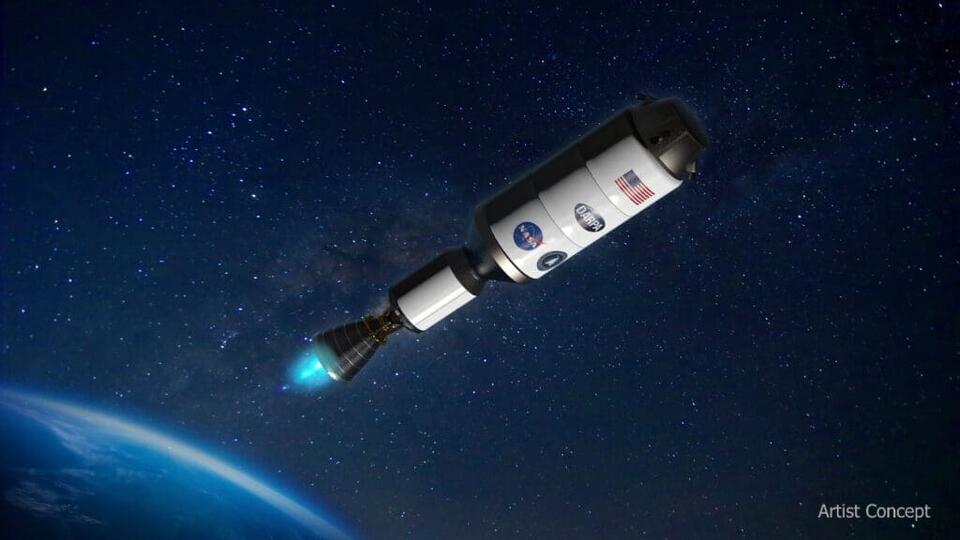
Jerry Clark+FollowNASA’s Nuclear Rocket: Mars in Months?Imagine booking a round-trip to Mars and getting there in months, not years. NASA’s new nuclear rocket engine could make that a reality, using atomic energy instead of old-school rocket fuel. This isn’t just a tech upgrade—it could totally change how we explore space, letting us send more stuff, get there faster, and keep astronauts safer. The real drama? Private startups and other countries are racing to build their own nuclear engines, so the space race just got a nuclear twist. #Business #Industry #NASA30Share