Tag Page psychology

#psychology
NotYoMama

Etiquette - I Wasn’t Asking “You are so built of societal norms, the way you’re so polite giving me permission to stop, it’s hilarious.” That comment landed harder than it sounded. It exposed something most people never question: why modern humans act like they need approval to disengage, to leave, to decide, to act. The response was uncomfortable because it was accurate. Politeness scripts, consent language, soft exits — these aren’t signs of emotional maturity. They’re remnants of survival wiring. Early humans lived or died by group acceptance. Break norms, get expelled, and you didn’t just feel awkward — you died. That conditioning didn’t disappear. It evolved into etiquette. Today, permission isn’t about respect. It’s about fear management. Who’s allowed to speak. Who’s allowed to move. Who decides when something is “over.” When people ask for permission, they’re outsourcing authority. They’re saying, “Tell me it’s safe to choose for myself.” “That feels archaic to me.” Exactly. Modern society rewards non-threatening behavior. Ask nicely. Don’t disrupt. Make others comfortable. People who move without permission unsettle systems, because they expose how arbitrary the rules are. Permission culture isn’t about kindness. It’s about conditioning. And once you see it, you can’t unsee it. The real divide isn’t polite vs rude. It’s internal authority vs inherited fear. That conversation wasn’t about manners. It was about evolution. #Psychology #HumanBehavior #SocialConditioning #Evolution #CriticalThinking #Society #SelfAuthority

LataraSpeaksTruth

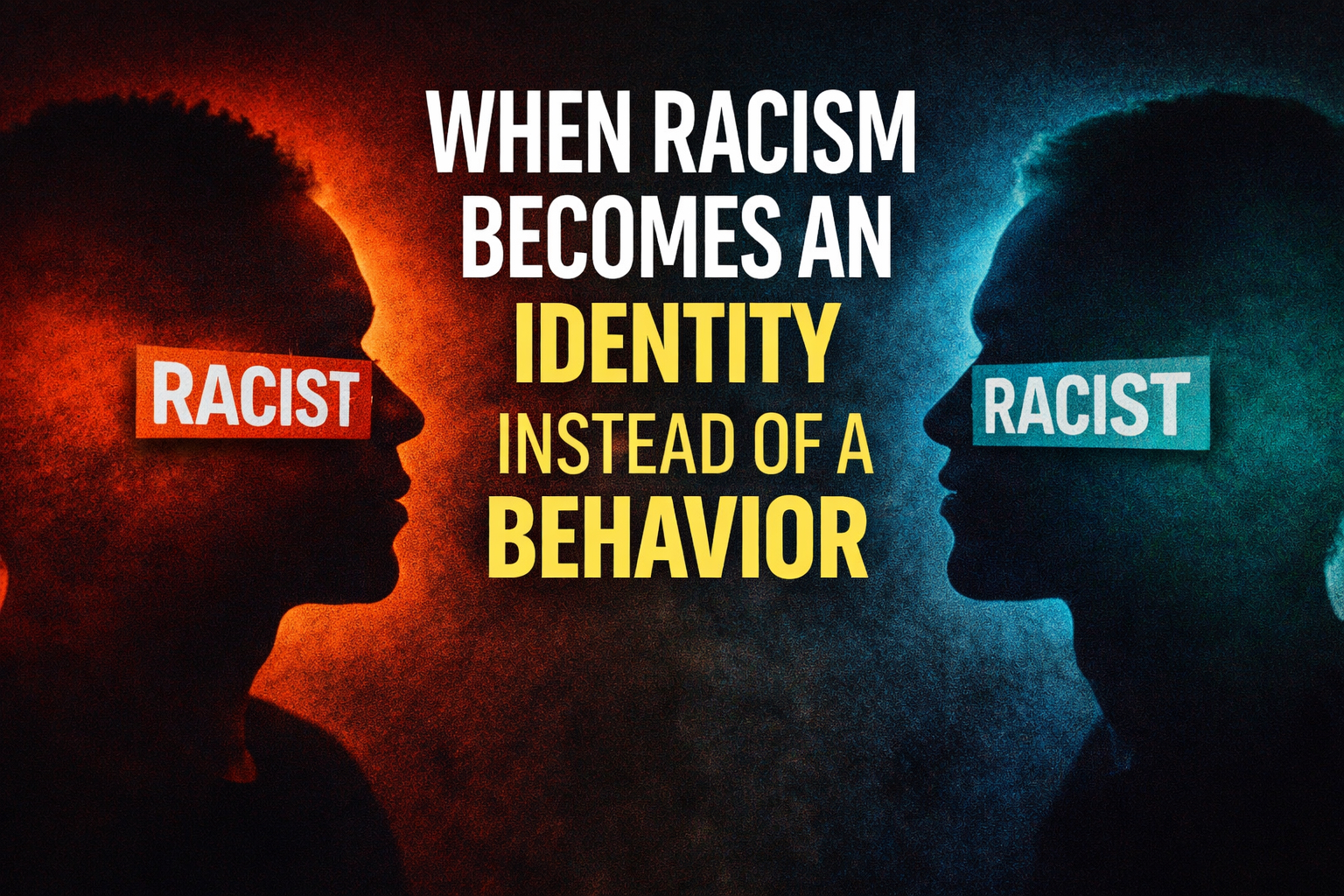
Something interesting happens every time racism is named. Not pointed at a person. Not assigned to a race. Not wrapped in insults. Just named. The moment the word shows up, some people hear something that wasn’t said. Racism stops being a behavior to examine and turns into an accusation they feel personally targeted by. Suddenly, it’s not about systems, patterns, or history. It’s about defending themselves. That’s how a conversation shifts without anyone changing the topic. When a Black person speaks about racism, some listeners automatically assume the target is white people. That assumption isn’t stated out loud, but it shows up fast. In the tone. In the defensiveness. In the accusations that follow. “You hate America.” “You hate white people.” “You’re the real racist.” None of that comes from what was said. It comes from what was projected. Racism is not a race. It’s a behavior. A system. A pattern of harm that exists across countries, cultures, and communities. Rejecting racism does not mean rejecting a nation. Critiquing racism does not equal hatred. Those connections are being made internally, not verbally. What’s revealing is how quickly the conversation escalates. Disagreement becomes insult. Insult becomes mockery. Mockery turns personal. At that point, the claim that this is “just debate” falls apart. You can’t argue against something calmly while proving its existence emotionally. And yet, buried beneath the noise, something else appears. A few people slow down. Ask questions. Admit misunderstanding. Those moments matter. They show the difference between engaging an idea and protecting an identity. If the word racism feels like a personal attack, that discomfort is worth examining. Not because anyone is accusing you… but because reactions often reveal what words threaten. Naming racism isn’t hatred. It’s clarity. What people do with that clarity tells the real story. #Society #Culture #Psychology #PublicDiscourse

LataraSpeaksTruth

After I posted about Christmas in the 1800s for Black Americans, the comment section shifted quickly. Instead of engaging the history, several responses dismissed it altogether. “Ancient history.” “Get over it.” “Nobody alive did this.” Some even claimed everyone celebrated Christmas the same way back then. This reaction is a classic example of defensive minimization. Defensive minimization occurs when information feels uncomfortable or threatening, so its importance is reduced rather than addressed. Instead of questioning the facts, people shrink the relevance. Time becomes the shield. Discomfort becomes irritation. Statements like “that was a long time ago” aren’t arguments. They are coping mechanisms. They allow people to avoid sitting with what history might suggest about power, inequality, or continuity. Minimization makes it easier to dismiss the subject than to reflect on it. This response also protects identity. Even when no one is being personally accused, historical truth can feel like a personal attack. The distinction between “I didn’t do this” and “this still matters” collapses. Dismissing the conversation becomes a way to defend the self, not examine the past. At its core, defensive minimization isn’t about history. It’s about comfort. History that refuses to stay quiet challenges the belief that certain traditions exist outside of context. When that belief is disrupted, irritation replaces curiosity. The pushback isn’t loud because the history is wrong. It’s loud because the memory won’t shrink. #Psychology #DefensiveMinimization #HistoryAndMemory #WhyPeopleReact #SocialPsychology

LataraSpeaksTruth

The Psychology of Gullibility Gullibility is often mistaken for a lack of intelligence, but that’s not what it is. Gullibility is about how people process information, not how smart they are. People are more likely to believe something when it fits what they already think, feel, or want to be true. Familiar talking points, confident delivery, repetition, and the appearance of authority make claims feel credible, even when they aren’t supported by facts. Once a belief settles in, questioning it feels uncomfortable, so many people avoid examining it closely. Instead of asking questions, they defend the belief emotionally. This is why misinformation spreads so easily. It doesn’t rely on logic, it relies on comfort. People trust what sounds right, what feels familiar, and what aligns with their identity or group. When beliefs are tied to pride, politics, or self meaning, challenging them feels like a personal attack. That’s when critical thinking shuts down and defensiveness takes over. Gullibility thrives in environments where people confuse confidence with truth and agreement with accuracy. The problem isn’t curiosity. The problem is when curiosity stops and certainty takes its place. #psychology #criticalthinking #misinformation #beliefsystems #cognitivebias

LataraSpeaksTruth

The Psychology of Playing the Victim While Holding the Power Every time one of these lists pops up pretending that white people “don’t have anything,” it follows the same psychological pattern. It is not confusion. It is selective memory performed like a script. These posts flip the story by turning the dominant group into the victim and hoping nobody notices how upside down it is. Psychologists call it zero sum thinking. If someone else gains visibility or protection, they believe something is being taken from them. That fear grows into resentment, and resentment grows into memes like this. They claim white people lack an anthem or institutions while living in a country where those things have always centered them. They know the truth. The discomfort comes from admitting it. Calling others “victims” is projection. When people feel their comfort slipping, they accuse everyone else of whining so they never have to confront the real issue. And when you counter their argument with context, they suddenly flip again. Now you are the racist. Now you are the one causing division. Not the person who posted a list designed to stir conflict. Not the meme built to bait an argument. The blame shifts instantly because it protects their illusion. This is the psychology. These posts are not about facts. They are about maintaining the feeling of innocence while ignoring the reality in front of them. That is why the tone changes the moment you introduce history. You did not insult them. You interrupted the story they tell themselves. #Psychology #OnlineBehavior #HumanBehavior #Identity #CommunityTalk