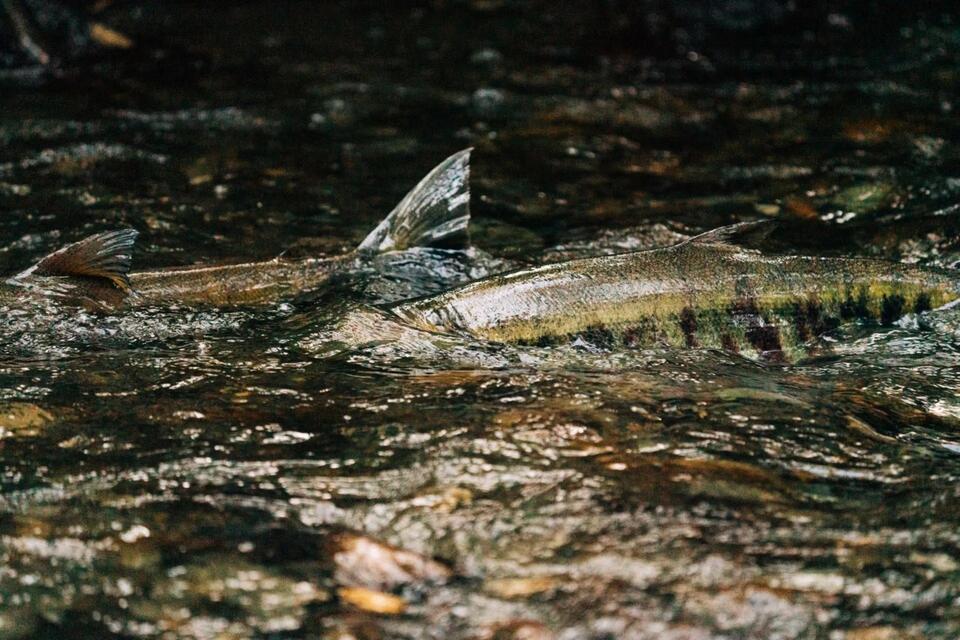
Jessica Hodge+FollowSalmon Spotted Way Up North?!Wild twist: chum salmon are now spawning in Arctic rivers, way outside their usual zone. Scientists say it’s a big red flag for climate change—the Arctic is heating up so fast, even the fish are moving in. No one’s sure what this means for local wildlife, but more salmon eggs could shake up the food chain. Plus, all this change could speed up permafrost melt and release more methane. Nature’s sending us a serious warning sign! #Science #ClimateChange #Arctic20Share
martinezlaura+FollowMarch Is the Real New Year? Mind BlownEver feel like January’s “new year, new me” energy just isn’t hitting? Turns out, you’re not alone—and you’re not wrong! Ancient calendars, astrology, and even your own biology say the real new year doesn’t start until March. Think about it: plants and animals are still hibernating in January, but by March, everything’s waking up. Maybe it’s time to let yourself chill in winter and save those big goals for spring! #Science #NewYear #SpringVibes10Share
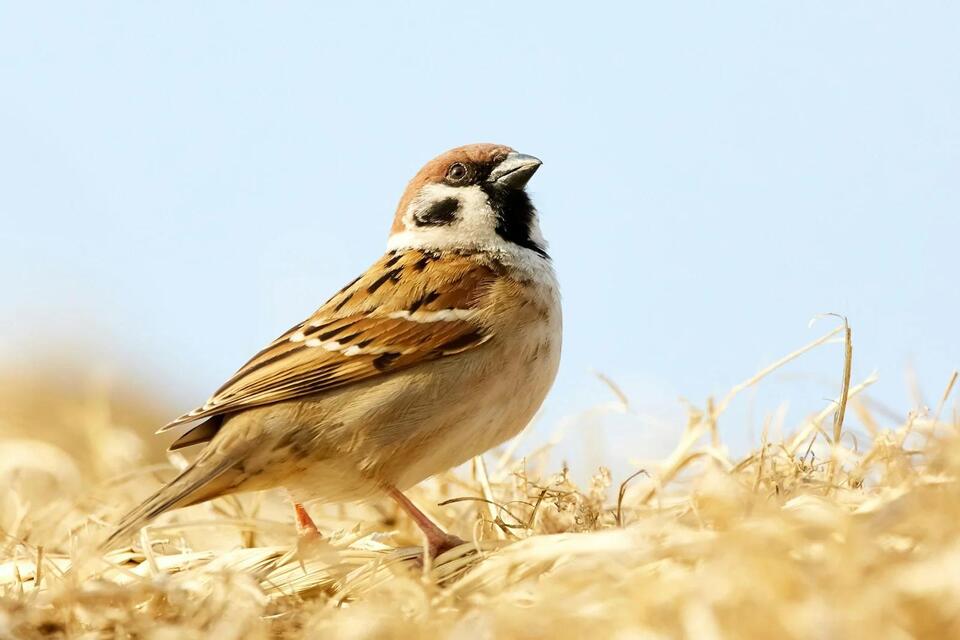
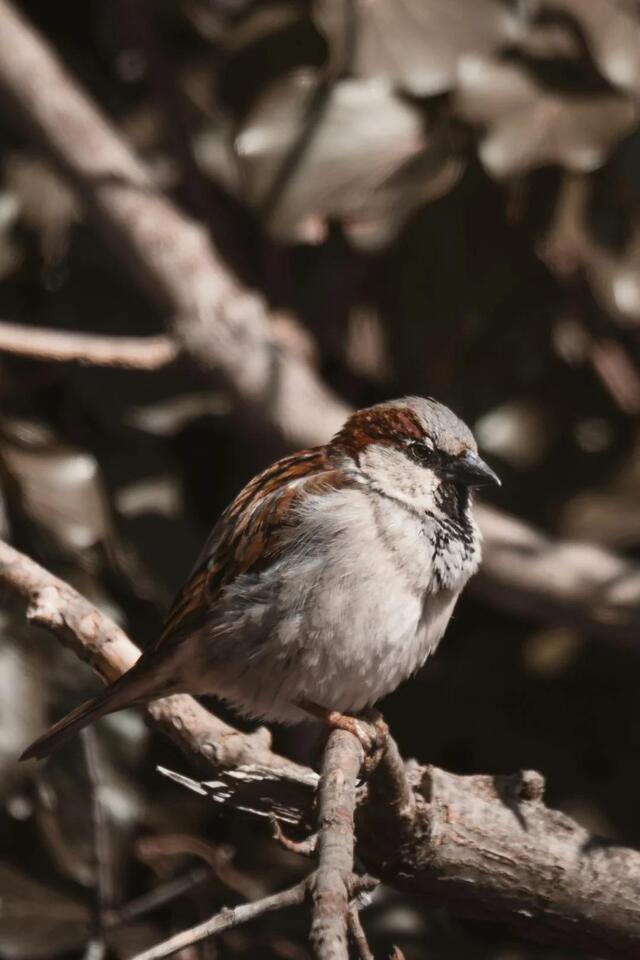
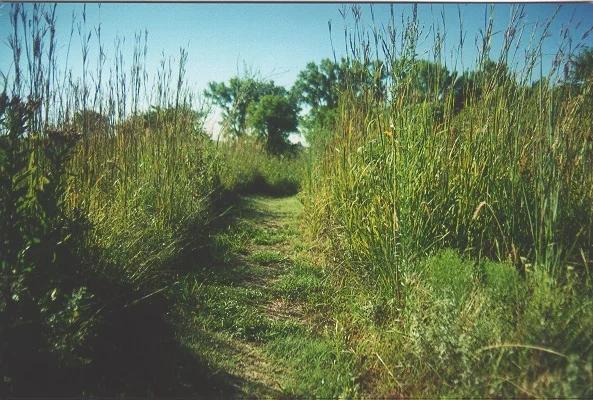
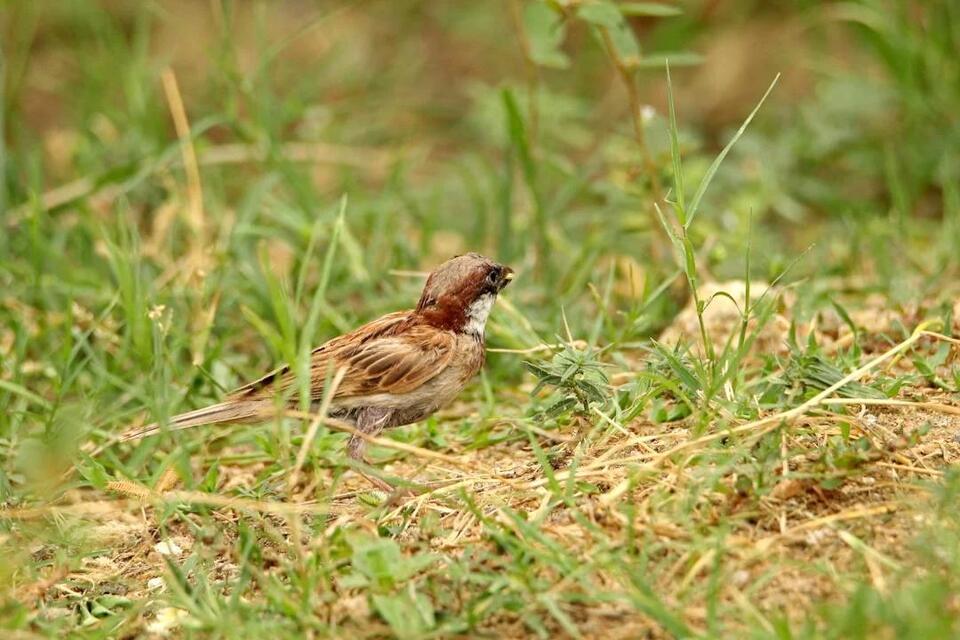
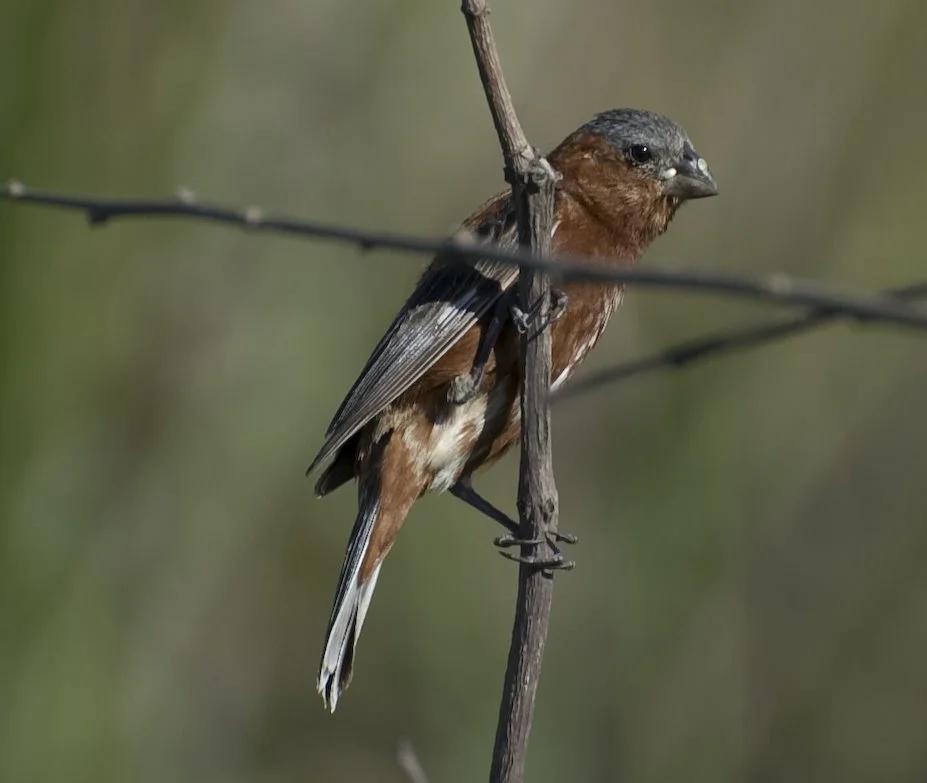
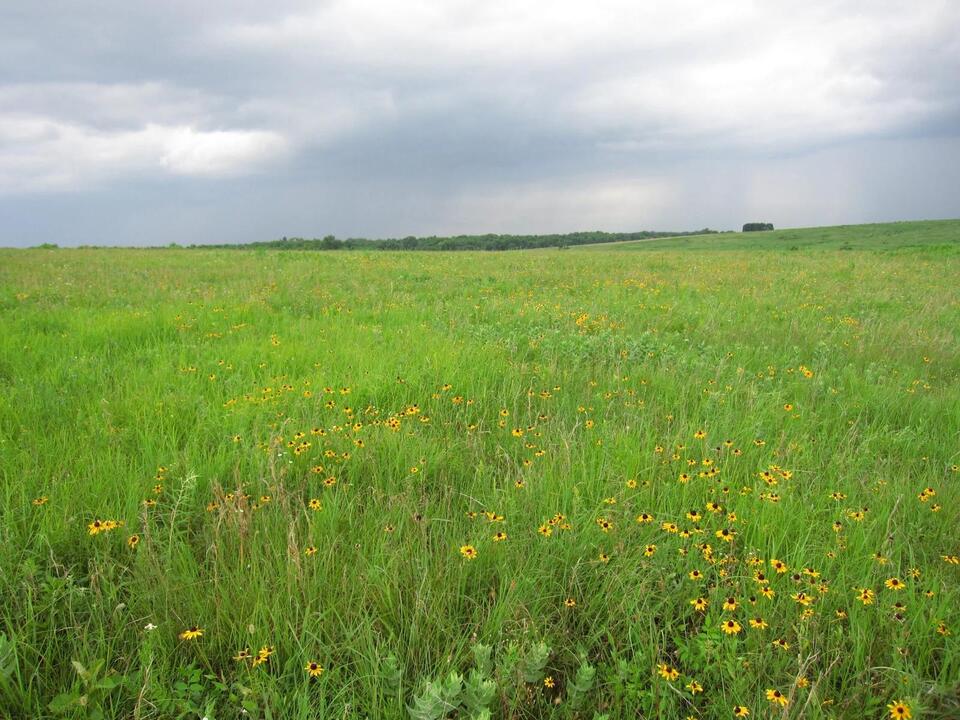
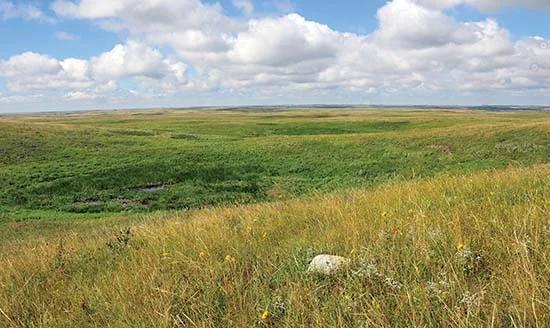
Patrick Simmons+FollowWhy Midwest grasslands are falling silentSunrise on the Midwest prairies isn’t what it used to be—these days, the dawn chorus of grassland birds is fading fast. It’s not just nostalgia; scientists are tracking this silence with high-tech sensors and finding that species like meadowlarks and bobolinks are vanishing as farms and towns expand. The loss isn’t just about birdsong—it signals deeper trouble for the land, water, and even local economies. But there’s hope: smarter farming, prairie strips, and community science can help bring back the music. What changes would you support to keep our prairies alive and singing? #Science #Midwest #Grasslands20Share
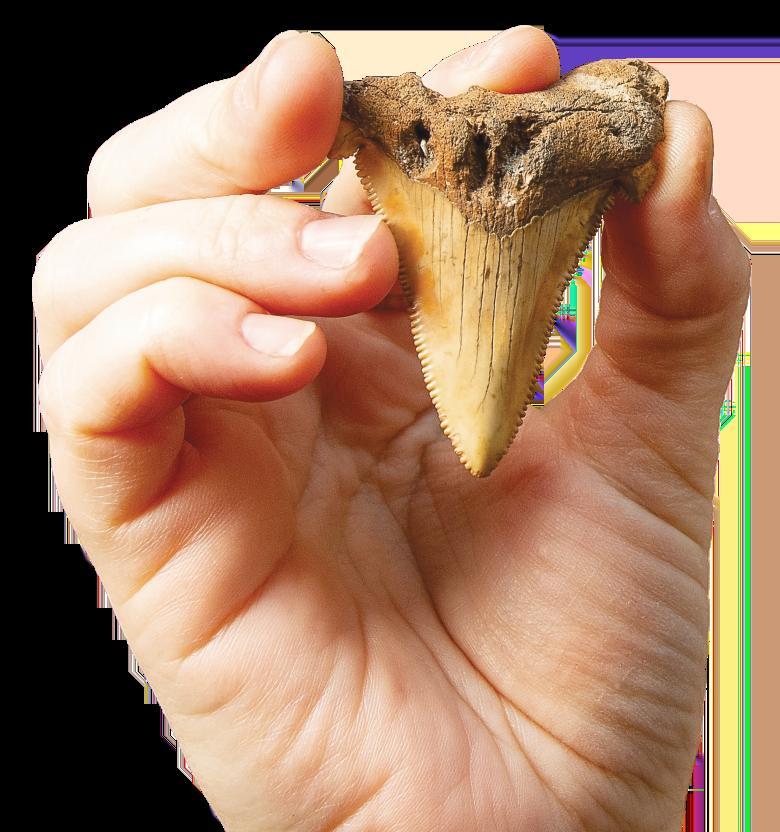
martinezlaura+FollowCharleston’s hidden shark tooth goldmineCharleston’s waterways are packed with ancient shark teeth and fossils, making local beaches and rivers a real-life treasure hunt for anyone willing to look. Folks like Grant Martin have turned this passion into a lifestyle, diving and scouring for everything from megalodon teeth to centuries-old bottles. But it’s not just about collecting—these finds often become unique jewelry or art, connecting us to the city’s deep history. South Carolina even has special rules for hobbyists, so if you’re thinking of joining in, remember to respect the environment and leave some treasures for others. Have you ever found something amazing on a Charleston beach? #Science #Charleston #SharkTeeth10Share
Richard Vaughan+FollowGreen Crabs Are Taking Over Our Coast!Did you know European green crabs are invading Quebec’s coast, and scientists say getting rid of them is nearly impossible? These little troublemakers chow down on 150+ marine species and are tearing up seagrass habitats—bad news for young lobsters and the whole food web. Their numbers exploded in 2023 thanks to warmer waters, and they’re spreading fast. If you’re out on the water, double-check your gear so you don’t accidentally help them hitch a ride! #Science #InvasiveSpecies #GreenCrab00Share
Patrick Simmons+FollowOctopus boom surprises South Coast localsOctopus are suddenly everywhere along England’s south coast—fishermen in Cornwall are hauling in 13 times more than usual, and experts are calling 2025 “the year of the octopus.” The last time this happened was back in the 1950s! Milder winters and a warm spring seem to have set the stage for this marine comeback, but no one’s sure how long it’ll last. While octopuses help balance the ecosystem, some worry about their impact on crab catches. Have you noticed any changes at your local beach or seafood market? What do you think this means for our coastal communities? #Science #Cornwall #Octopus20Share
Tamara Jones+FollowRussian Rivers Are Making Arctic Clouds?!Get this: scientists just found out that rivers in Russia are basically cloud factories for the Arctic! All the organic stuff—like soil and leaves—gets washed into the ocean, releases gases, and those turn into aerosols that help form clouds. These clouds are brighter, last longer, and even cool the region down. It’s a wild new twist in the climate change story, and could totally change how we predict the Arctic’s future. Who knew river runoff could be this powerful? #Science #Arctic #ClimateScience00Share
Michael Flores+FollowTestosterone Isn’t One-Size-Fits-All?!Turns out, what we call “normal” testosterone might just be a Western thing. A new study looked at Indigenous Shuar men in the Amazon and found their hormone levels change totally differently than what doctors expect in the US. Factors like food, physical labor, and even relationship status all play a role. Basically, your body adapts to your environment—so the idea of a universal testosterone level is kinda bogus! Wild how much context matters, right? #Science #Testosterone #HealthNews11Share
Melvin Mosley+FollowLionfish Are Taking Over the Med!Did you know lionfish are basically throwing a wild breeding party in the Mediterranean? Thanks to warmer waters, these spiky invaders are outcompeting local fish, spawning for most of the year while native species get just a few months. Scientists are worried this could wreck local fisheries and biodiversity. Some folks are fighting back by eating them (lionfish tacos, anyone?), but experts say we need bigger solutions. Would you try lionfish if it helped the ocean? #Science #LionfishInvasion #Mediterranean30Share
megangibson+FollowBarcelona’s Beaches Hit by Fake Grass Plastic?!Did you know artificial grass is now a major plastic polluter in Barcelona’s seawater? Scientists found that 15% of larger plastic pieces floating near the city’s coast are actually from fake turf! Turns out, all those sports fields and lawns are shedding plastic fibers into the ocean, and it’s harming marine life. Maybe it’s time to rethink that perfect green lawn and go for native plants instead. Wild, right? #Science #PlasticPollution #Barcelona10Share