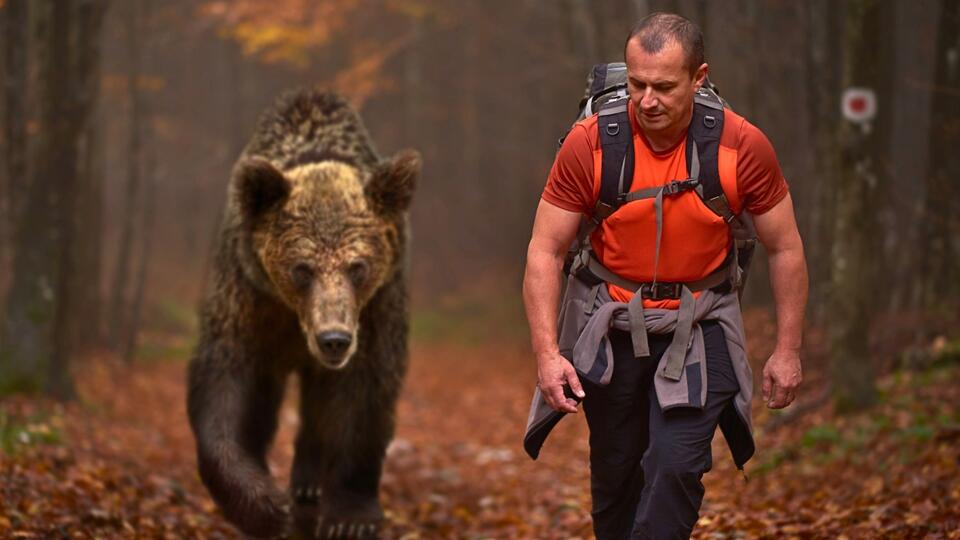
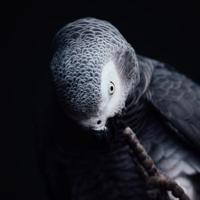
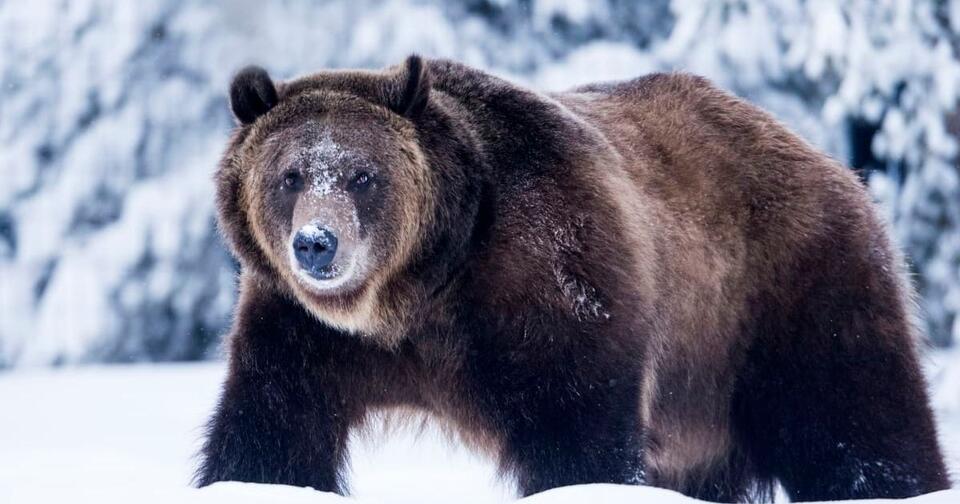
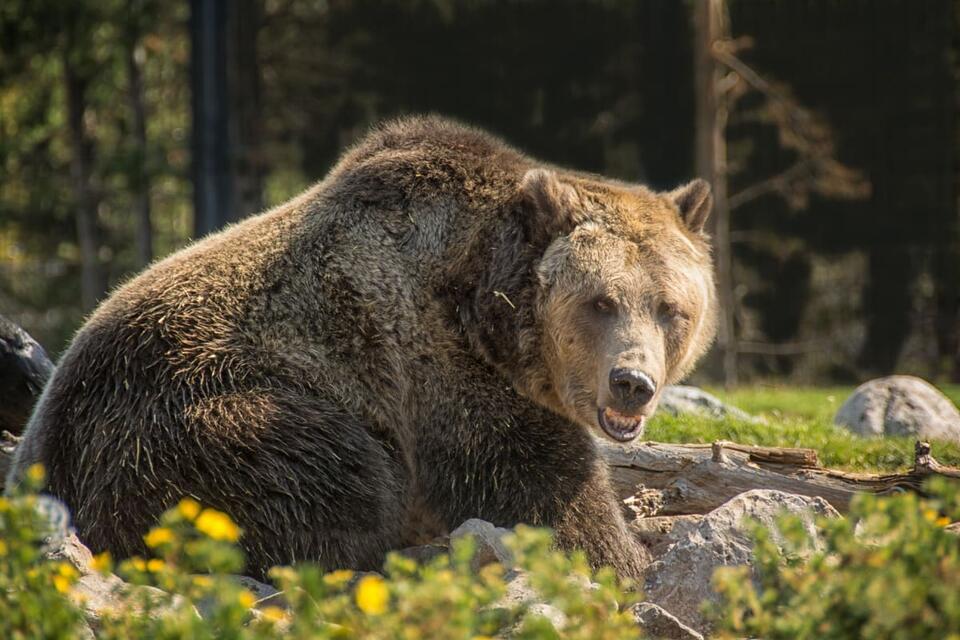
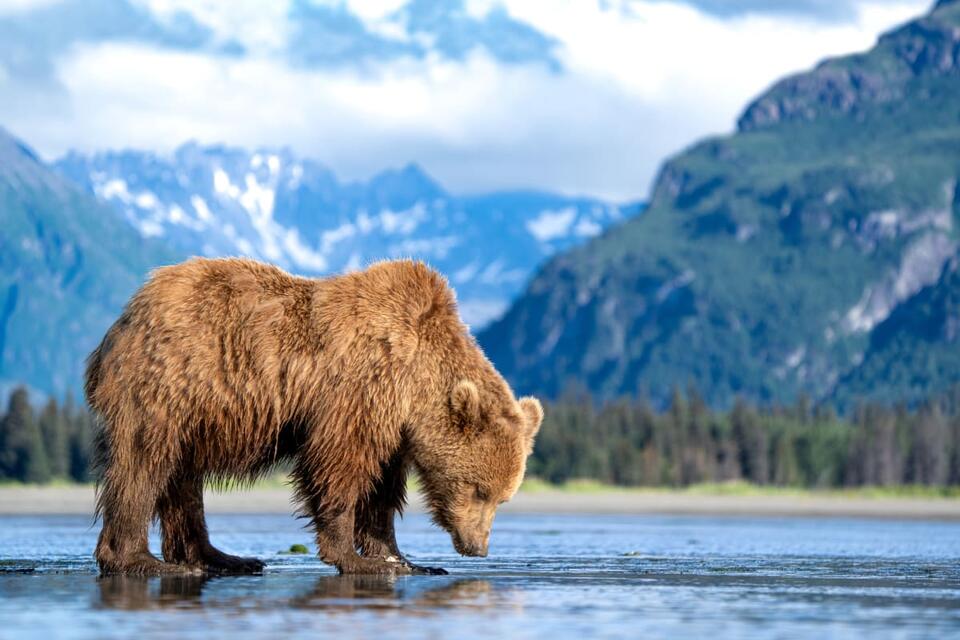
Richard Vaughan+FollowBrown Bears: The Real Danger?Everyone thinks grizzlies or polar bears are the deadliest, but stats say brown bears (which include grizzlies) are actually linked to the most human fatalities worldwide. It’s not because they’re out hunting people—most attacks happen when someone surprises a bear, gets too close to cubs, or stumbles onto a carcass. The real risk? More people and more bears crossing paths, especially in places like Alaska, Romania, and Japan. Want to stay safe? Hike in groups, make noise, and keep your snacks locked up! #Science #brownbears #wildlife10Share
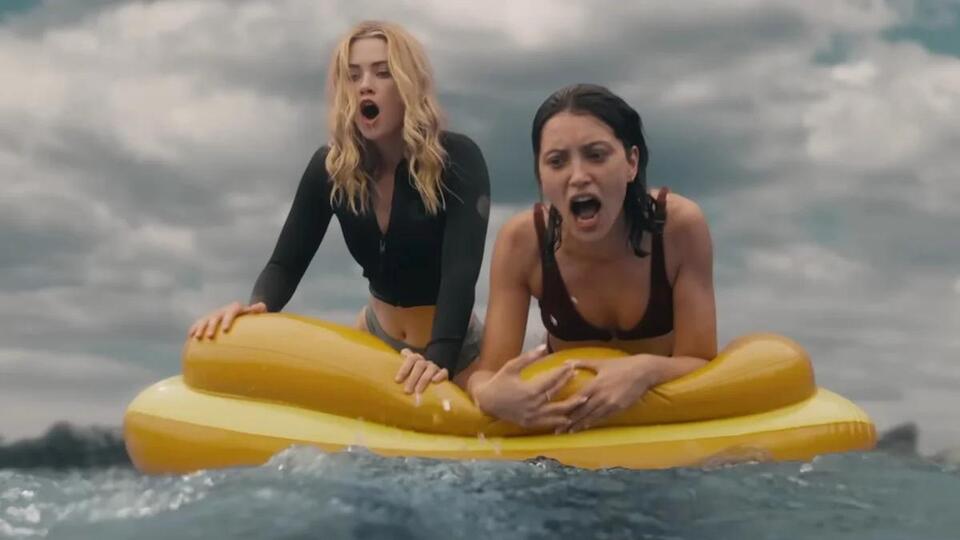
James Brady+FollowKiller Whale Goes Full Jaws?!Who knew orcas wanted to be horror icons? The new flick 'Killer Whale' tries to give these black-and-white beauties their 'Jaws' moment, but it’s more remix than revolution. Think: stranded friends, a vengeful orca, and a whole lot of blood in the water. It’s campy, familiar, and honestly, kinda fun if you’re into animal attack movies. But let’s be real—Ceto the killer whale still isn’t scaring anyone off Free Willy reruns. #Science #KillerWhale #MovieReview00Share
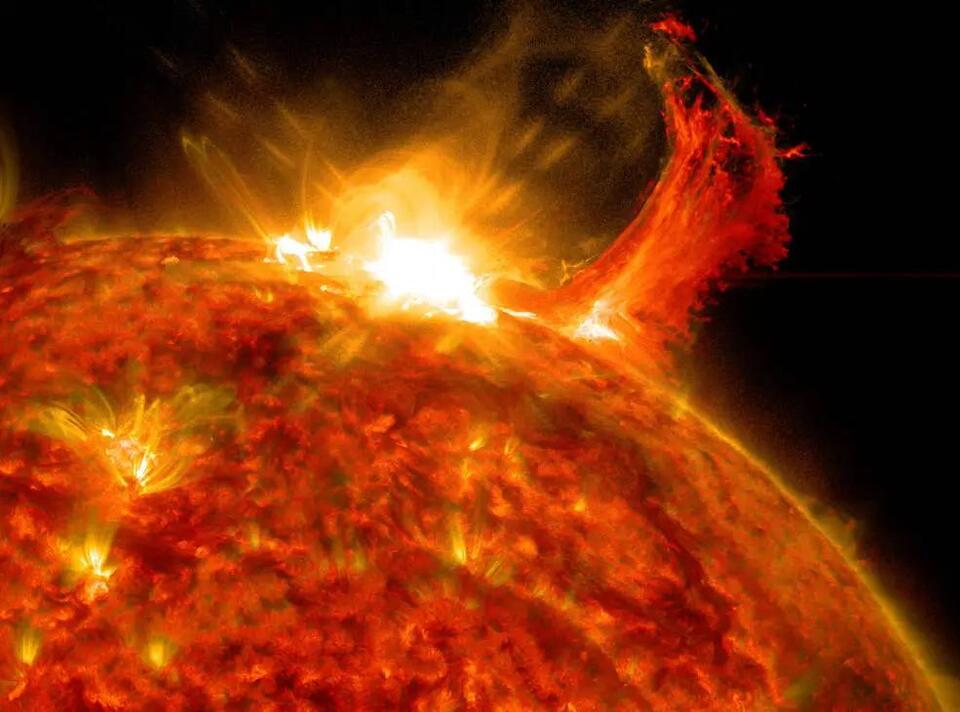
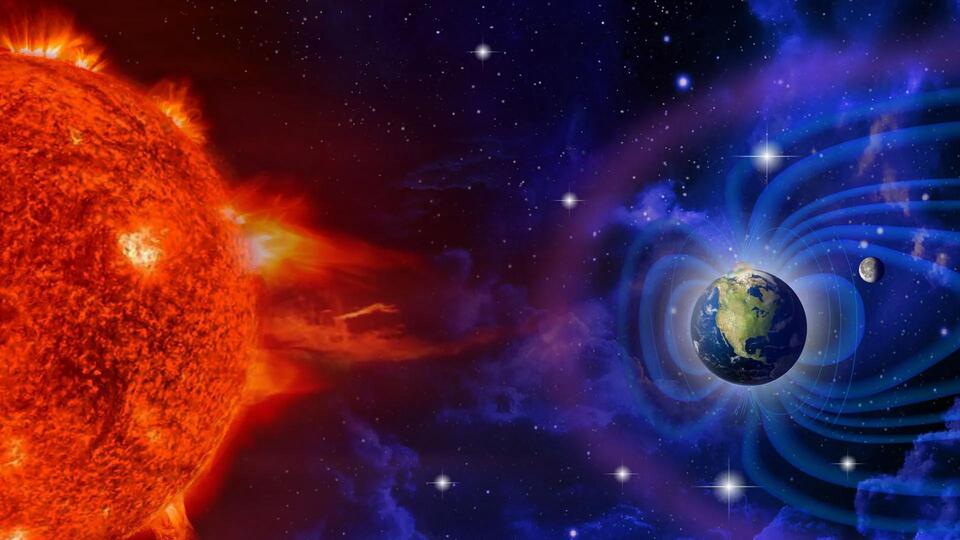
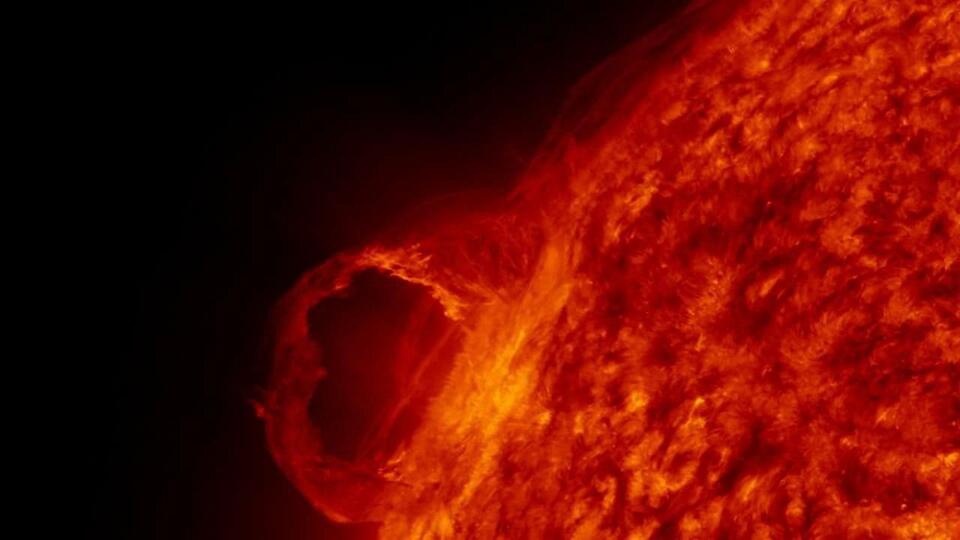
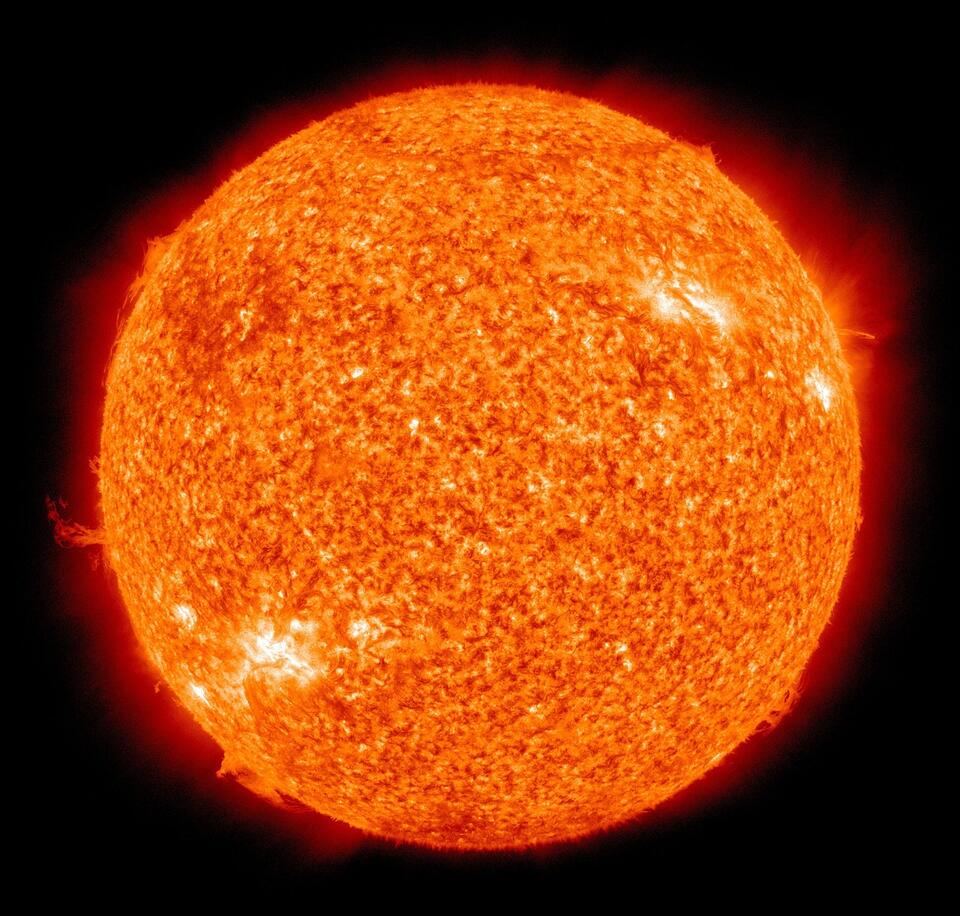
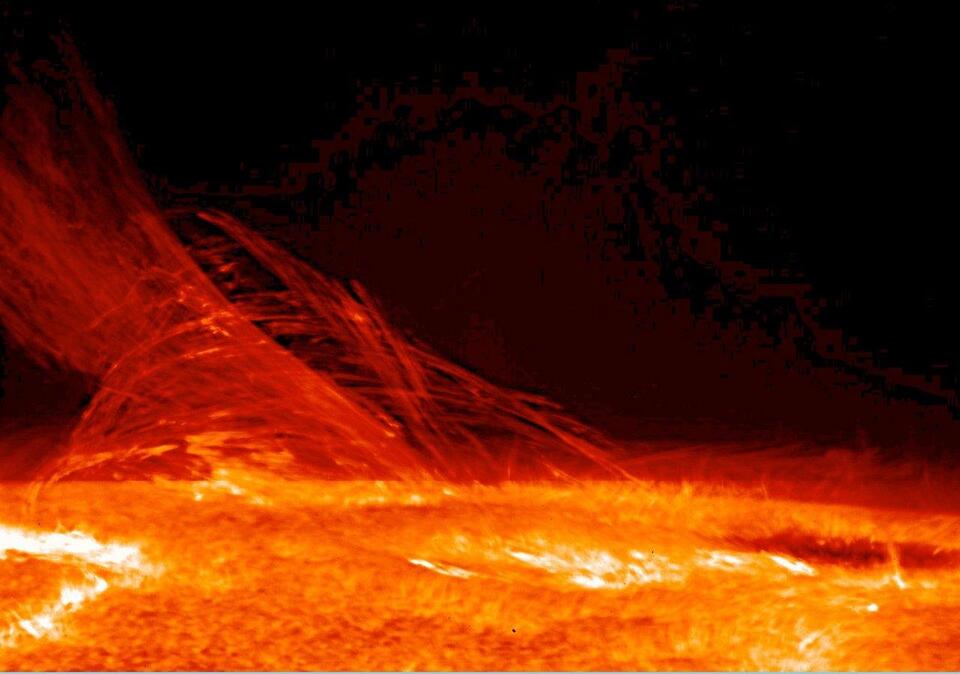
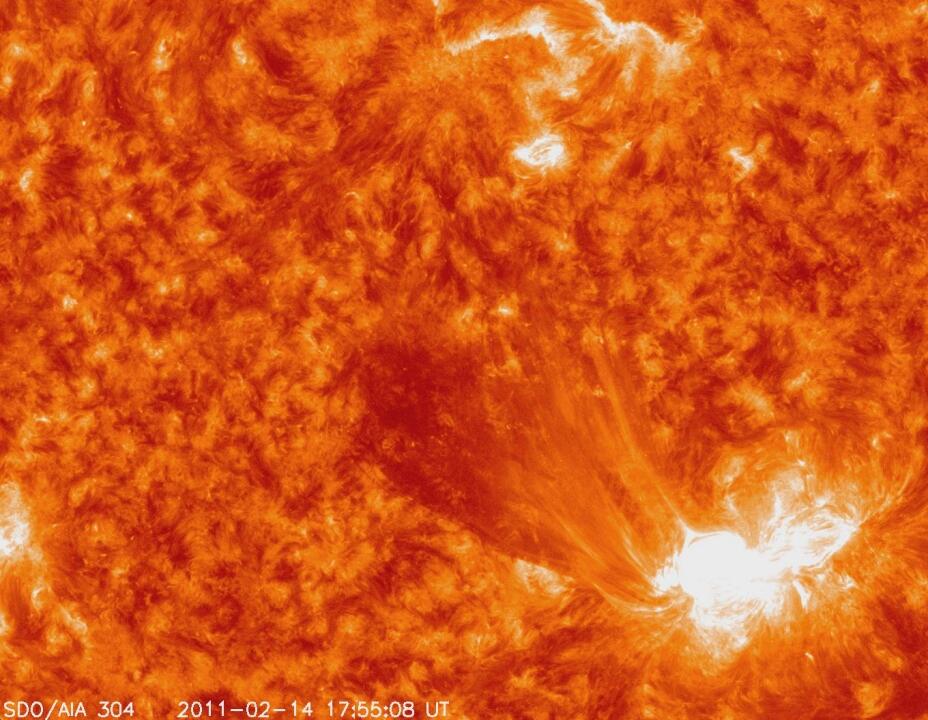
Michelle York+FollowThe Sun’s Acting Up—And NASA’s StumpedPlot twist: scientists thought our Sun was heading for a chill phase, but it’s suddenly more hyper than expected! Since 2008, sunspots and solar flares are spiking way past predictions. NASA’s scratching their heads, and nobody really knows what’s causing this solar mood swing. The wild part? All this extra activity could mess with satellites, power grids, and even boost those gorgeous auroras. Space weather just got way more interesting! #Science #NASA #SpaceWeather111Share
Tamara Jones+FollowThe hidden plastic threat beneath Greek shoresBeneath the surface of Greece’s beautiful coastlines, abandoned fish farms are quietly polluting the sea with plastics and ‘ghost gear’ that trap wildlife and break down into microplastics. These microplastics can end up in the fish we eat, raising real health concerns for everyone. Local volunteers and groups like Healthy Seas are stepping up to tackle this mess, but the cleanup is tough and expensive—and companies often aren’t held accountable. What do you think: Should stricter rules force fish farms to clean up after themselves, or is it up to the community to take action? #Science #Greece #OceanPollution00Share
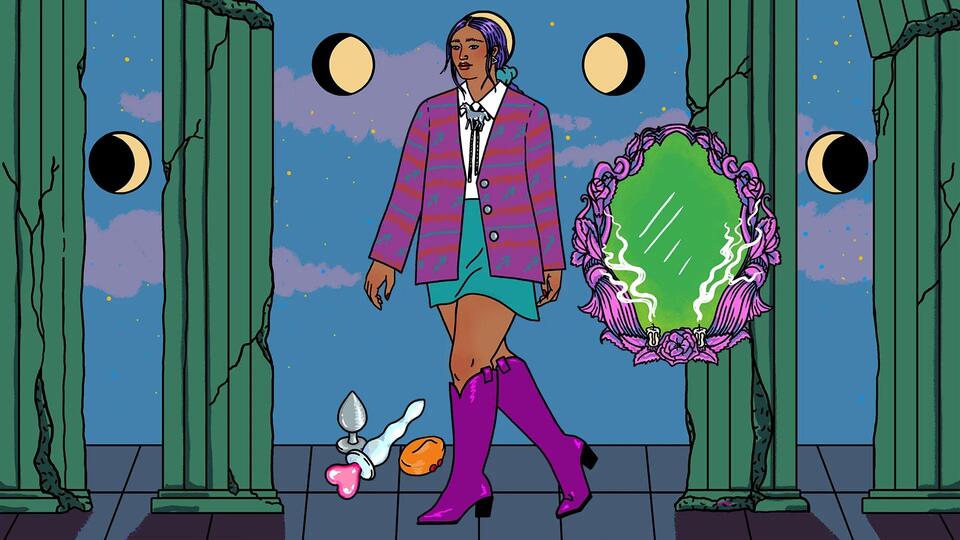
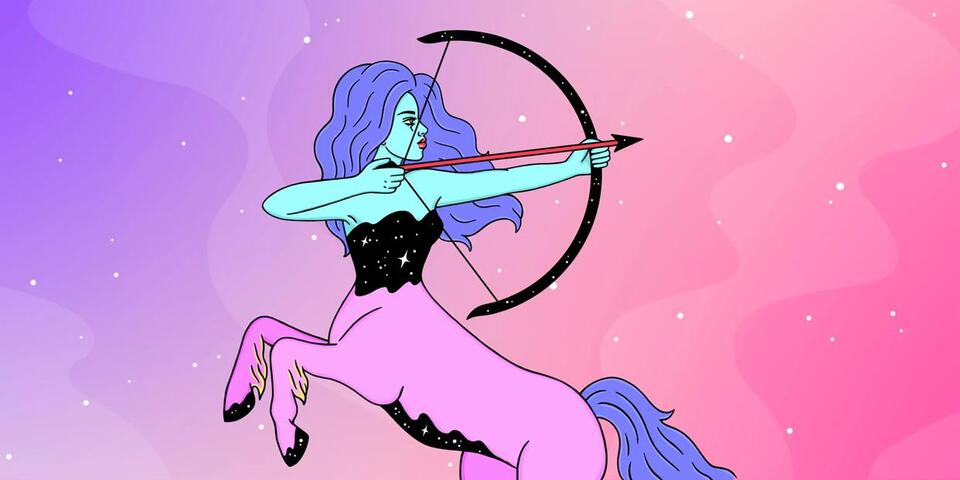
Jessica Hodge+FollowWhy the Moon’s Disappearing TonightThe moon’s playing hide and seek! Tonight’s waning crescent is only 9% lit, so it’s barely a sliver in the sky. In Sagittarius, this phase is all about letting go, reflecting, and prepping for a fresh start. If you’re feeling tired or extra introspective, blame the moon. Time to ditch old habits and get ready to manifest those 2026 dreams! Anyone else love tracking the moon’s moods? #Science #MoonPhase #WaningCrescent20Share
megangibson+FollowWhy Mosquitoes Are Targeting Us MoreDid you know mosquitoes are biting humans way more now? Scientists in Brazil found that as forests shrink and animals disappear, mosquitoes are running out of options and turning to us for their next meal. This means a higher risk of catching diseases like dengue and Zika. Basically, the less wildlife around, the more we’re on the menu. Time to double up on bug spray! #Science #mosquitoes #biodiversity40Share
Richard Vaughan+FollowWhat grizzly bears really do all dayStrapping cameras onto wild grizzlies in Alaska has given researchers a front-row seat to the bears’ daily dramas—think caribou hunts, tree rubs, berry feasts, and even surprising moments of play and romance. The footage, dubbed "Bear TV," is more than just binge-worthy; it’s helping scientists crack the code on how these massive animals survive the harsh Arctic, especially when food is scarce. Turns out, calories are everything for these bears, and their choices impact the whole ecosystem. What do you think—should we use more wildlife cams to understand nature, or does it cross a line? #Science #Wildlife #GrizzlyBears10Share
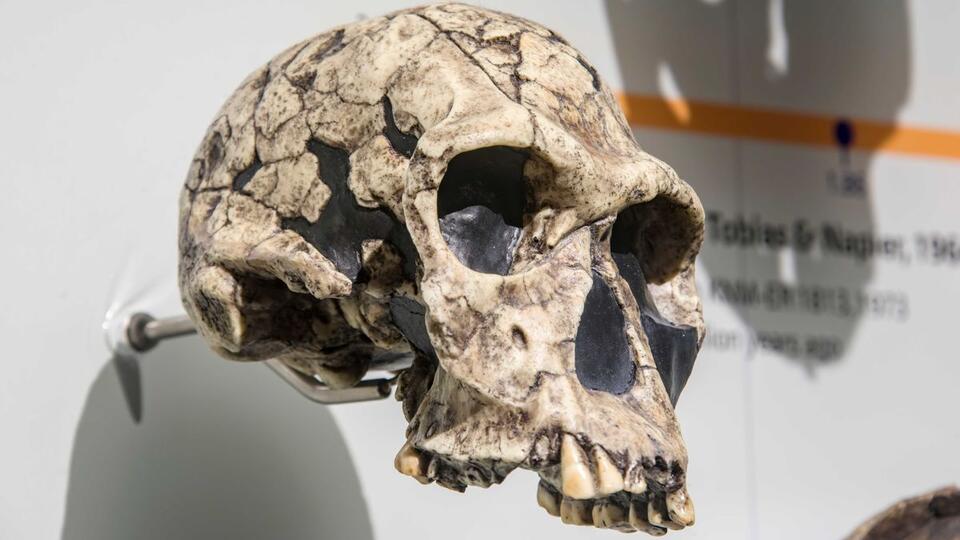
Michelle York+FollowEarly Humans Looked Way More Ape-Like?!Turns out, our earliest human ancestors weren’t as ‘human’ as we thought! Scientists just found the most complete Homo habilis skeleton ever, and it’s blowing minds. This 2-million-year-old hominin had super long arms (think gorilla vibes) and a body more like Lucy than us. Even though they were smart, they probably spent a lot of time in trees. Basically, the first humans looked nothing like us—and the mystery of how we got here just got deeper. #Science #HumanEvolution #ScienceNews00Share
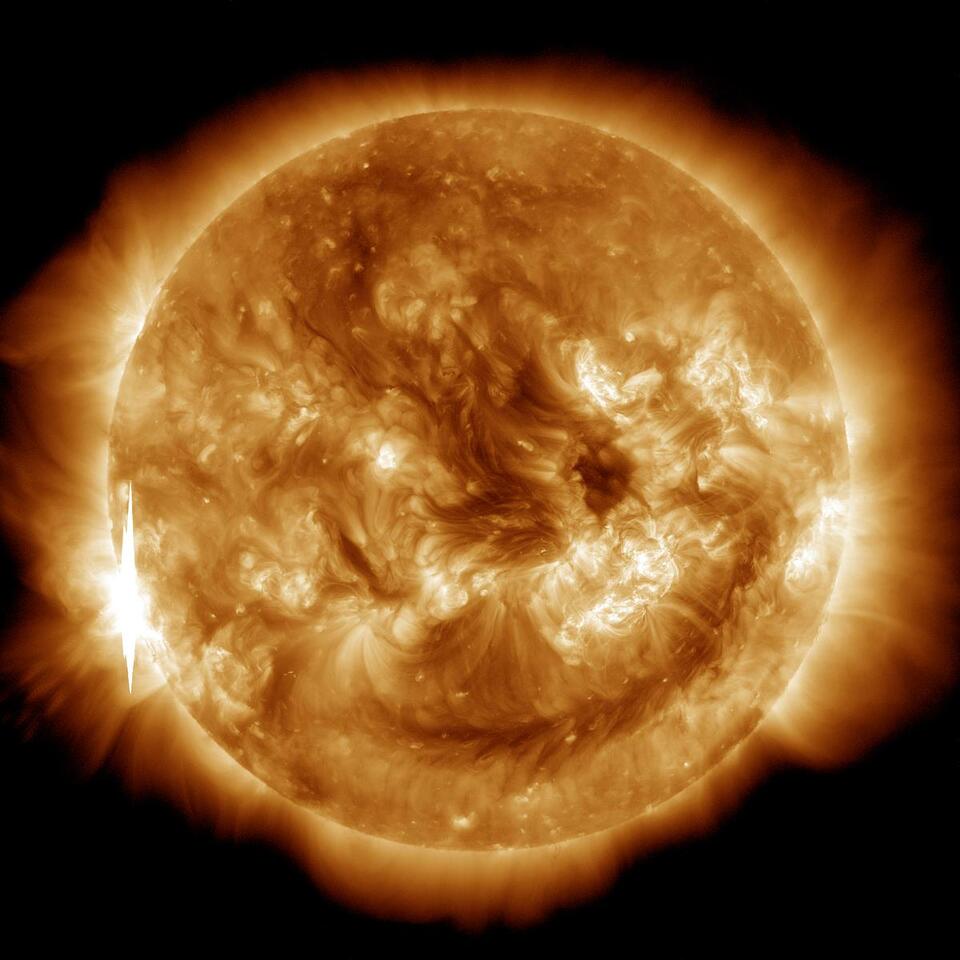
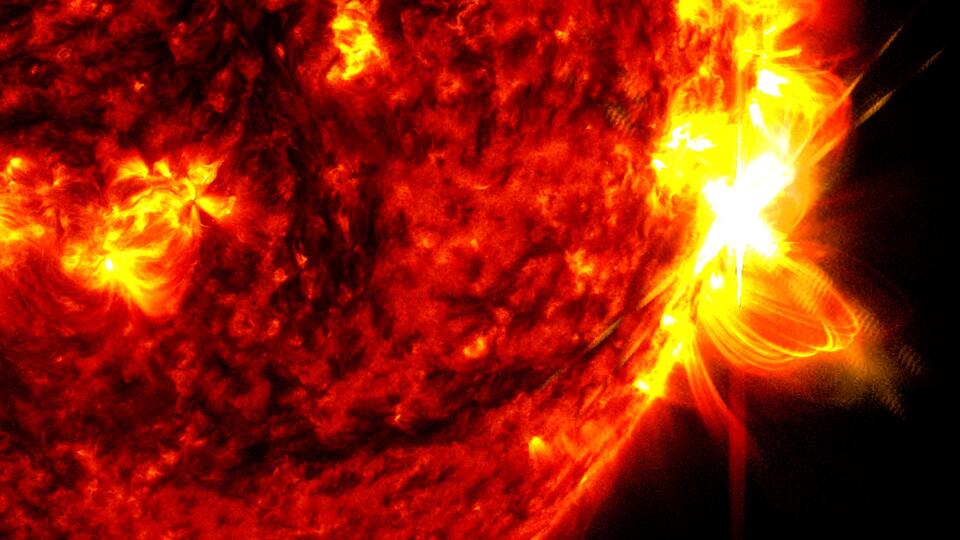
James Brady+FollowSolar Flare Drama: Sun’s Out, Tech’s Out?Scientists are on high alert as a giant solar flare is heading straight for Earth! This X-class flare could mess with radio signals, GPS, and even power grids. Think auroras in weird places and maybe some tech chaos. It’s like the sun’s throwing a cosmic tantrum, and we’re just hoping our WiFi survives. Anyone else low-key excited to see some wild northern lights? #Science #SolarFlare #SpaceWeather10Share
Richard Vaughan+FollowCapricorn Vibes: Patience Pays Off!Capricorns, the stars are serving a glow-up! If you’ve been dragging through health stuff, today’s all about slow but steady recovery—think less stress, more self-care. Money-wise, playing it safe with your cash could actually boost your confidence (boring investments FTW). Relationships might get a little moody, but open chats can smooth things over. And don’t sleep on networking—someone inspiring could totally change your game plan. What’s your biggest win today? #Science #Capricorn #Horoscope22Share