Tag Page ushistory

#ushistory
LataraSpeaksTruth

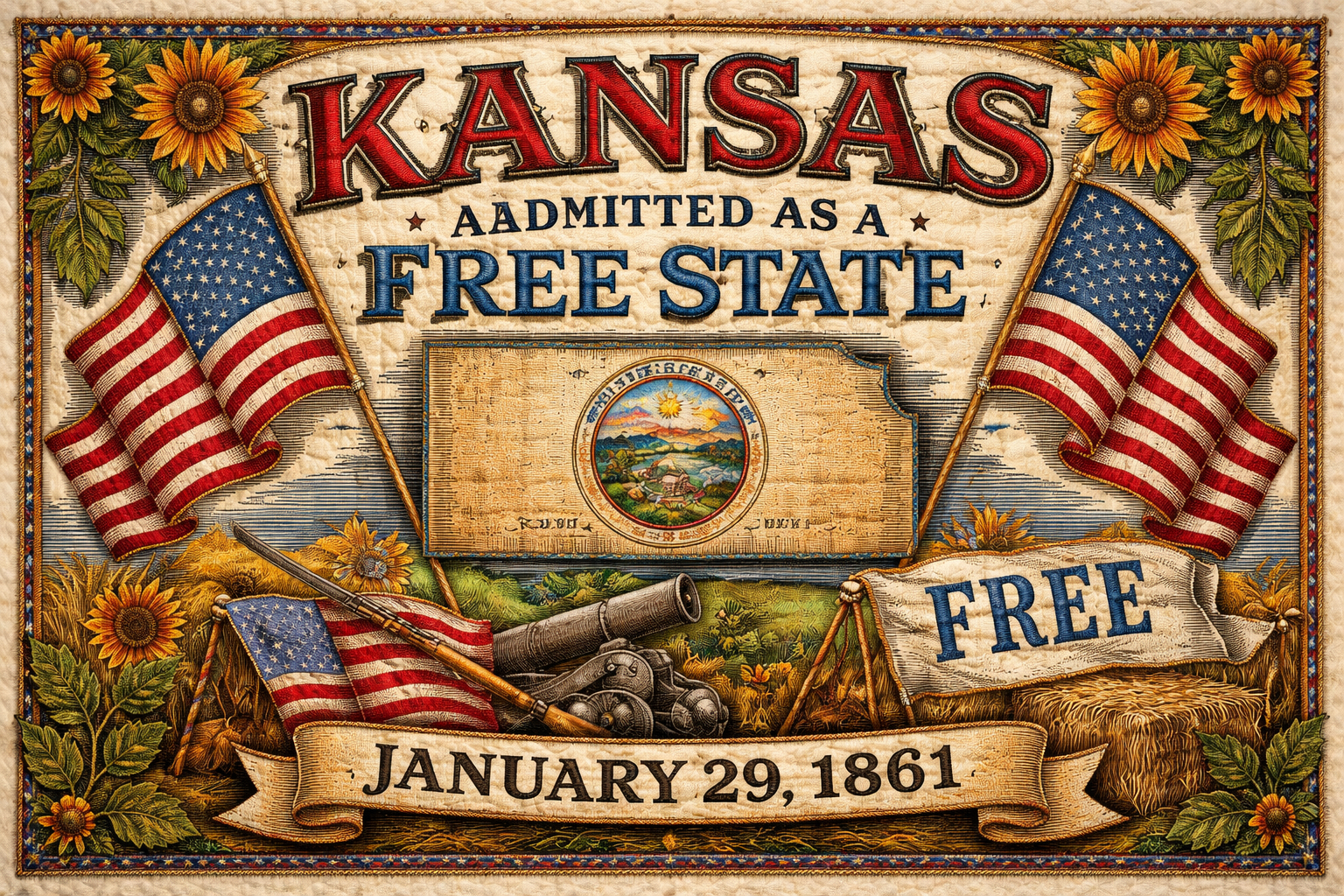
On January 29, 1861, Kansas was admitted to the Union as the 34th state, entering as a free state after years of violent political struggle that foreshadowed the Civil War. Its admission marked a turning point in the national conflict over slavery and revealed how deeply divided the country had become. Kansas was not a typical territory seeking statehood. After the Kansas–Nebraska Act of 1854 allowed settlers to vote on whether slavery would be legal, pro-slavery and anti-slavery factions flooded the region. Elections were disputed, rival governments formed, and armed clashes broke out. The violence was so severe that the period became known as “Bleeding Kansas.” Over several years, Kansas drafted multiple constitutions, some permitting slavery and others rejecting it. Each reflected the shifting balance of power and the pressure exerted by national political forces. The struggle in Kansas was closely watched across the country because it demonstrated that compromise on slavery was no longer holding. By the time Kansas was admitted as a free state, seven Southern states had already seceded from the Union. The decision further weakened the political influence of slaveholding states and intensified tensions between North and South. Just weeks later, the Civil War would officially begin with the attack on Fort Sumter. Kansas entered the Union bearing the marks of a conflict that could no longer be contained. Its path to statehood showed that the fight over slavery was no longer abstract or distant. It was unfolding in real time, on American soil, with consequences that would soon engulf the nation. #January29 #OnThisDay #KansasHistory #AmericanHistory #CivilWarEra #USHistory #Statehood #BleedingKansas #HistoricalMoments

LataraSpeaksTruth

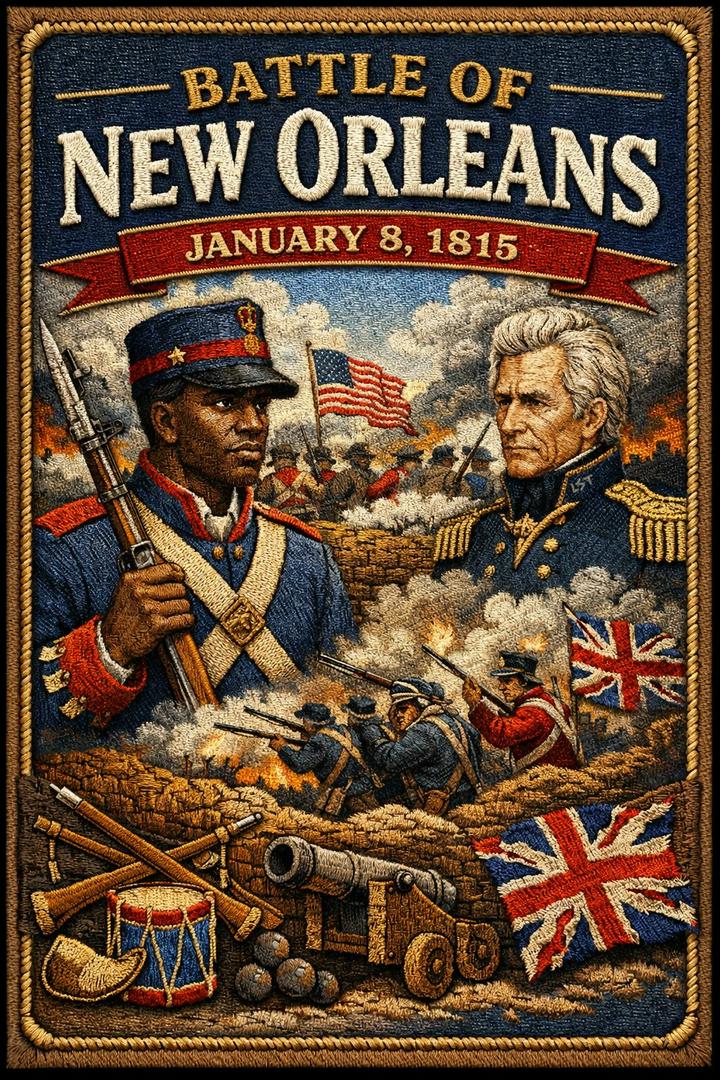
January 8, 1815. The Battle of New Orleans. The War of 1812 was technically over. The Treaty of Ghent had been signed, but word had not crossed the Atlantic yet. Slow communication changed everything. British forces attacked New Orleans anyway and were met by an American force led by Andrew Jackson. His army was not a traditional one. It included U.S. regulars, state militias, Native allies, free Black soldiers, local Creoles, and even pirates under Jean Lafitte. The result was one of the most lopsided victories in U.S. military history. Over 2,000 British casualties compared to roughly 70 American losses. The battle did not change the treaty, but it reshaped American identity. It boosted national confidence, made Jackson a national hero, and proved that the United States could stand up to the world’s most powerful empire. Free Black soldiers played a critical role in defending the city. Their bravery was undeniable. Their recognition afterward was not. This victory was not simple, clean, or fair. It was complex, coalition-driven, and built by people history often sidelines. #January8 #BattleOfNewOrleans #WarOf1812 #AmericanHistory #USHistory #MilitaryHistory #BlackHistory #HiddenHistory

LataraSpeaksTruth

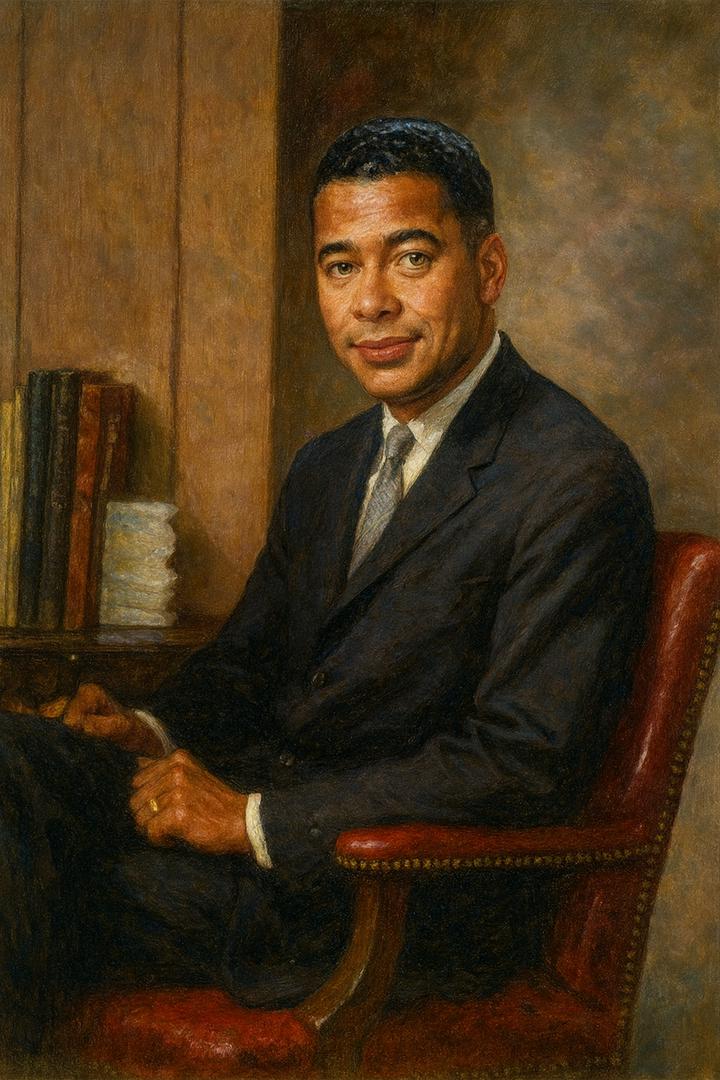
Edward Brooke’s journey didn’t begin with a viral moment or a spotlight. It began at Howard University, where he earned his undergraduate degree in 1941 at a time when Black excellence was expected to survive quietly, not be celebrated. Howard wasn’t just a campus. It was a proving ground for minds forced to understand systems never designed for them. Brooke left with discipline and direction, then stepped into World War II, serving as a U.S. Army officer and returning home with a Bronze Star and a sharper understanding of the country he was expected to serve. After the war, Brooke earned his law degree from Boston University School of Law in 1948. No shortcuts. No favors. Just credentials, patience, and persistence layered over experience. That steady climb carried him somewhere the system never expected him to land. In 1966, Edward Brooke became the first Black U.S. senator elected by popular vote. Not appointed. Not inherited. Voted in. By the people. In Massachusetts. His rise mattered because it wasn’t loud. It was deliberate. He didn’t break the system with spectacle. He forced it to acknowledge him through preparation and endurance. In a country built to block the stairs, he climbed them anyway. Step by step. Howard wasn’t the finish line. It was the foundation. And the rest of the story proves that history doesn’t always announce itself. Sometimes it shows up early, does the work quietly, and waits decades for the room to change. #OnThisDay #December11 #EdwardBrooke #HowardUniversity #BostonUniversityLaw #USHistory #PoliticalHistory #CivilRightsEra #BlackExcellence

LataraSpeaksTruth

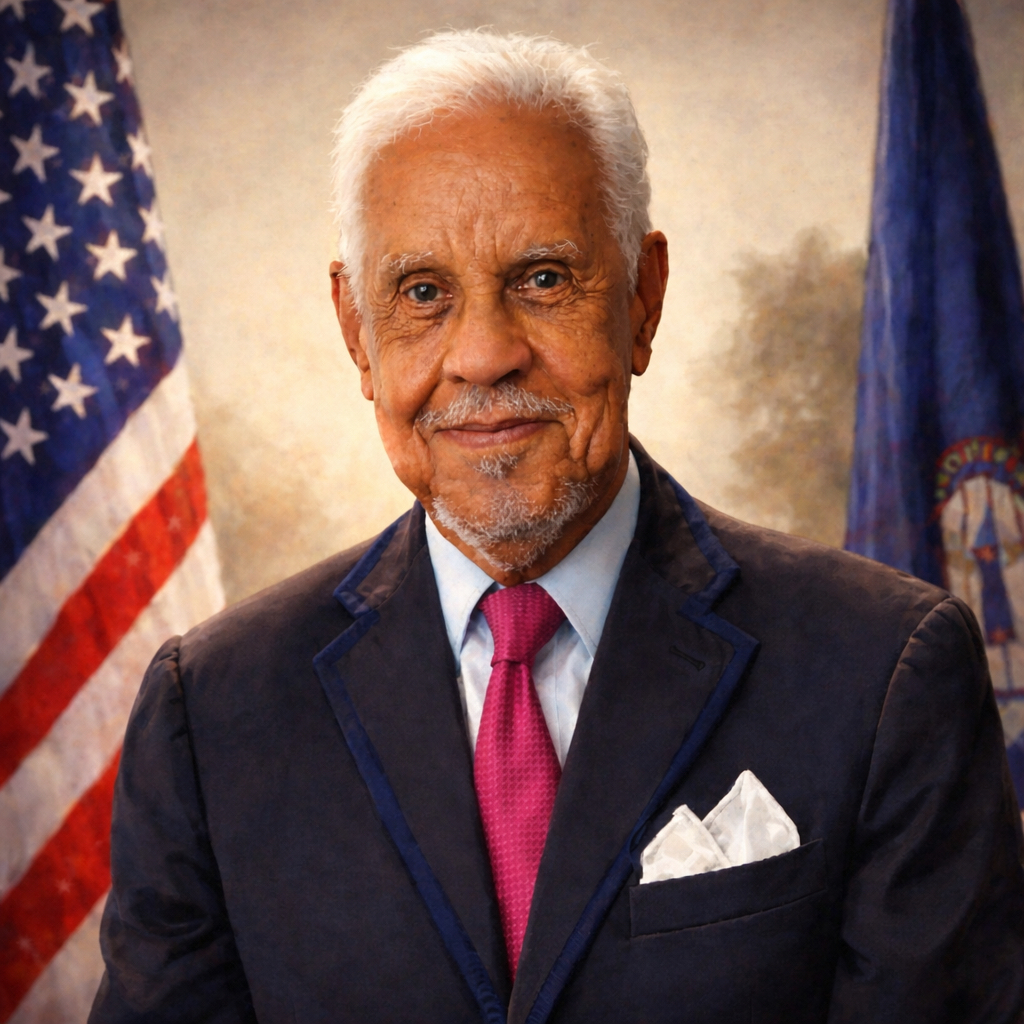
On January 13, 1990, L. Douglas Wilder was sworn in as governor of Virginia, becoming the first African American ever elected governor of any U.S. state. That moment did not arrive wrapped in celebration alone. It arrived heavy with history, expectation, and the quiet understanding that something permanent had just shifted. Virginia was not a neutral stage. It was a former capital of the Confederacy, a state shaped by laws and customs designed to keep power narrowly held. Wilder did not inherit that history. He confronted it directly by winning. No appointment. No workaround. Just votes, counted and certified, placing him in an office that had never before been occupied by someone who looked like him. The significance of that day stretched far beyond Richmond. Wilder’s inauguration challenged a long-standing assumption about who could govern at the highest levels of state power. It forced institutions to reconcile with the fact that progress was no longer theoretical. It was sworn in, standing at the podium, ready to lead. Being first came with scrutiny. Every decision carried symbolic weight. Every misstep risked being treated as confirmation rather than context. Yet Wilder governed with precision and restraint, focusing on fiscal responsibility, education, and public safety, refusing to perform history instead of making it. January 13, 1990 stands as a reminder that progress does not always arrive loudly. Sometimes it arrives formally, constitutionally, and undeniably. A door once closed did not creak open. It swung, and it stayed that way. #OnThisDay #January13 #USHistory #PoliticalHistory #VirginiaHistory #HistoricFirst #AmericanLeadership #BlackExcellence #HistoryMatters

Abraham Lincoln

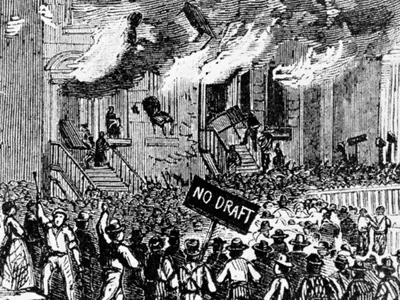
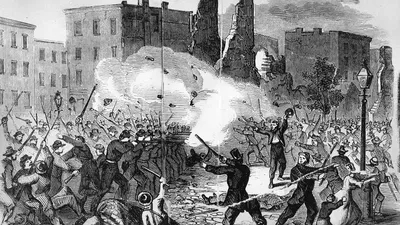
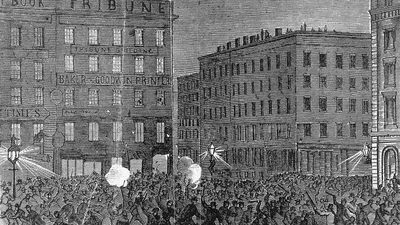
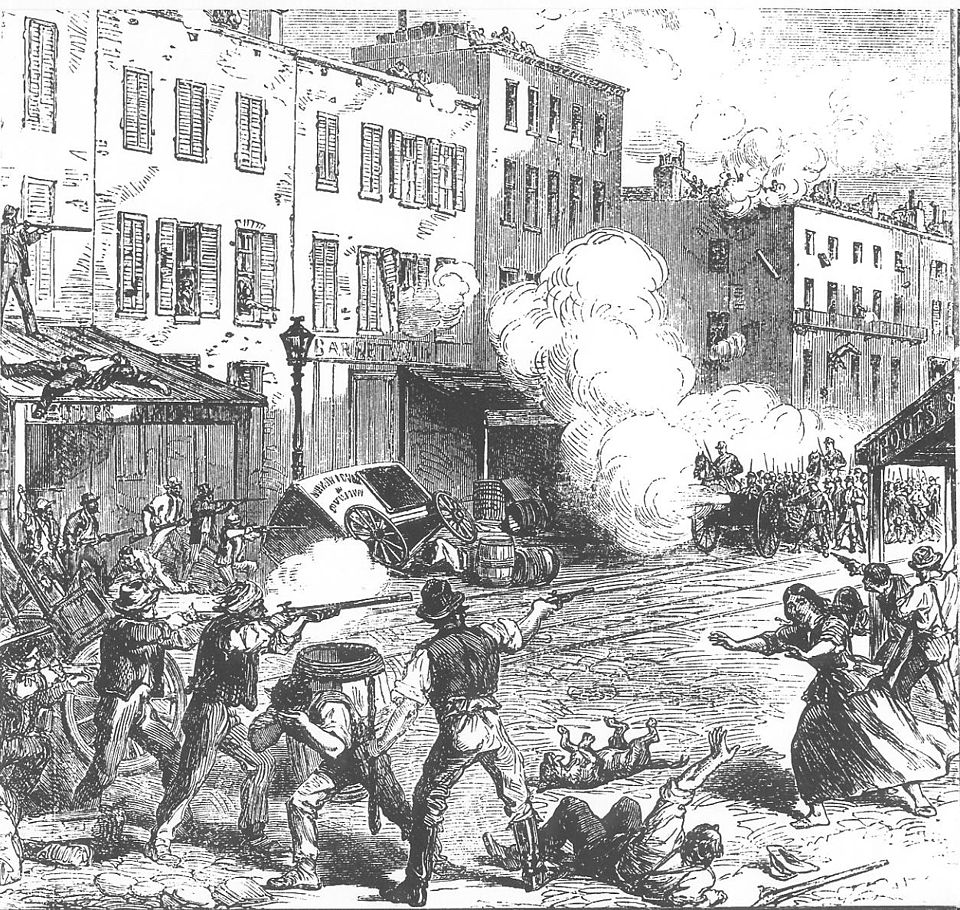
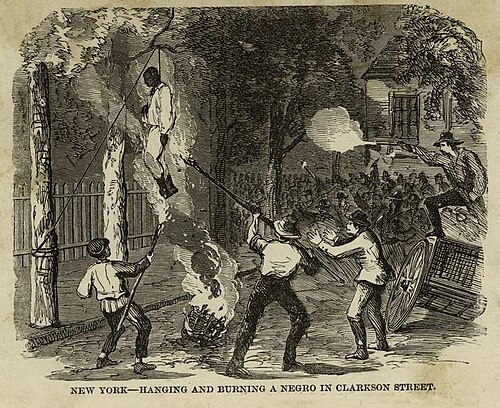
The Summer of Fire: Witnessing the New York Draft Riots- Historically Accurate I remember the summer of 1863 as if it were yesterday. The city was tense before the lottery began, with the war raging and families struggling to survive. When the federal government announced the Enrollment Act, requiring men of fighting age to register for the draft, anger filled every street and tenement. Wealthier men could pay $300 or hire a substitute, while the working poor had no choice. Many whispered this was a “rich man’s war but a poor man’s fight,” and I felt that resentment in every glance. Every alley, every crowded tenement seemed charged with tension, and whispers of fear and anger traveled faster than any messenger. On July 11, the lottery began; by July 13, anger erupted. Crowds surged through the streets, overturning police wagons, smashing windows of draft offices, and storming homes. Fear and fury carried men to deeds they might never have imagined. The worst came as mobs turned on African Americans. I watched in horror as the Colored Orphan Asylum was set ablaze, the children escaping just in time. Fires burned, cries rang out, and smoke filled the streets. Looting spread across neighborhoods, and the sound of breaking glass and shouting haunted the city for days; the chaos seemed endless, as if the city itself trembled under the weight of its anger. By July 16, federal troops from Gettysburg arrived, and the rioters dispersed, leaving behind bodies, rubble, and shattered lives. At least 119 were dead, countless wounded, and millions in damage. I saw fear in our eyes and in my own. Yet, even amidst destruction, the city endured. We had faced anger, sorrow, and violence, and we would rebuild. The draft riots revealed both our failings and our resilience. The city had been tested, and though we trembled and mourned, we had survived. We had learned that fear and courage often walk together, and that the Union, like the city, could endure. #History #USHistory #USA

1776 Patriot

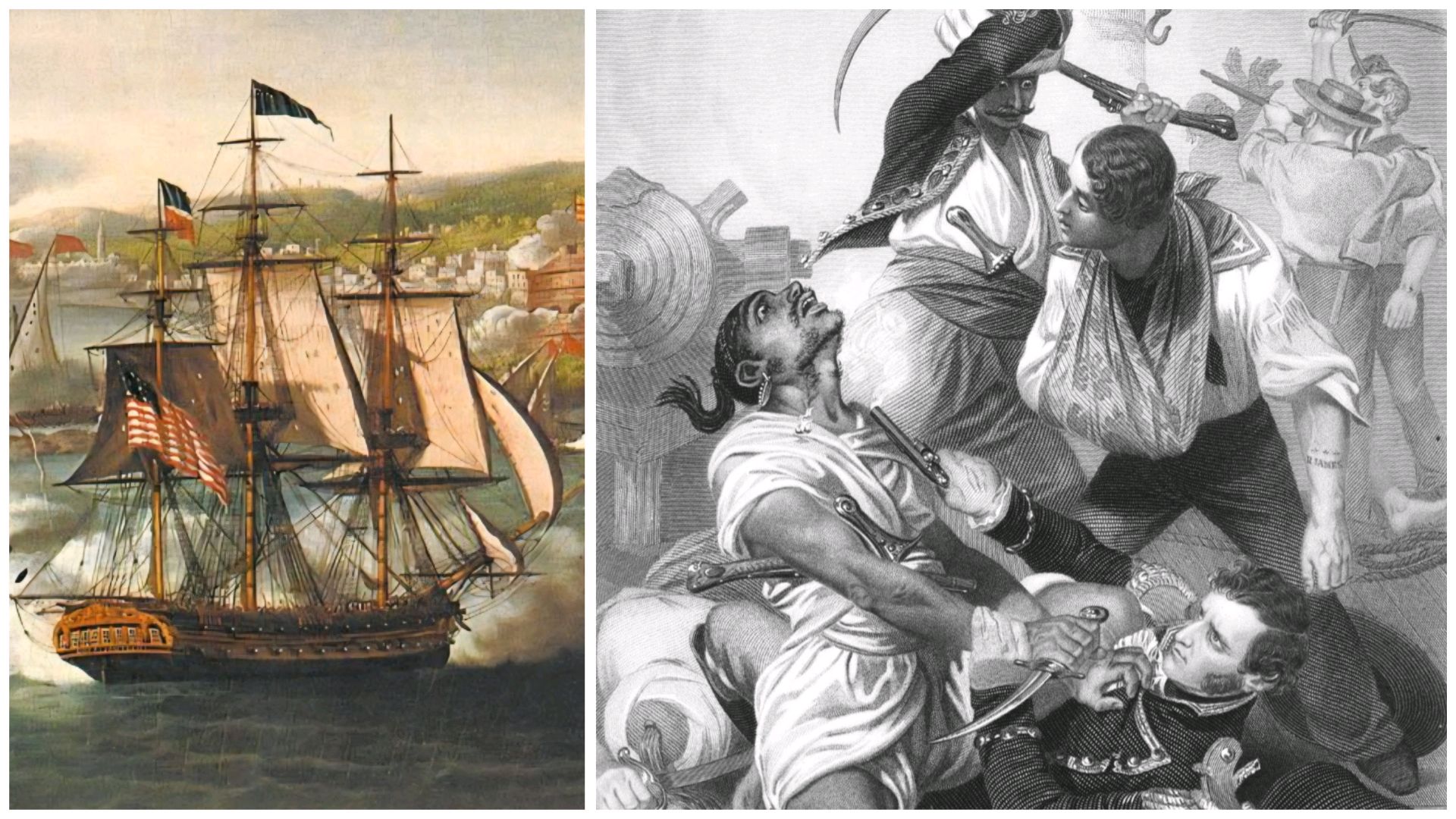
The Barbary Wars (1801- 1815): America’s First Fight to Protect Maritime Commerce from Foreign Attacks The Barbary Wars were America’s first major military conflicts after independence and began because North African states along the Barbary Coast attacked merchant ships in the Mediterranean and demanded tribute payments for safe passage. Before the United States had a strong navy, American ships were vulnerable to seizure, cargo theft, and crews being held for ransom or slavery. European powers often paid protection money, but many American leaders believed tribute made the young country look weak and encouraged more attacks on U.S. shipping and trade. In 1801, President Thomas Jefferson refused further payments to Tripoli, triggering the First Barbary War. The United States responded by sending warships across the Atlantic, marking one of the first times America projected military power far from home. The conflict included naval blockades, ship-to-ship combat, coastal bombardments, raids, and Marine-led desert expeditions across North Africa aimed at protecting American commerce and forcing Tripoli to negotiate. One of the war’s most famous moments came in 1804 when U.S. sailors and Marines secretly entered Tripoli harbor to destroy the captured American frigate USS Philadelphia so it could not be repaired and turned against American forces. British Admiral Horatio Nelson reportedly called it “the most bold and daring act of the age.” The wars helped transform the United States from a weak trading nation into a country willing to use naval power to defend commerce and freedom of navigation overseas. They strengthened the early U.S. Navy, shaped the identity of the Marine Corps, and demonstrated that the young republic could conduct sustained military operations thousands of miles from home. The Marine Corps hymn still references the conflict with the line “to the shores of Tripoli.” #America #history #ushistory #USNavy #USMC #military #usmilitary #USA

LataraSpeaksTruth

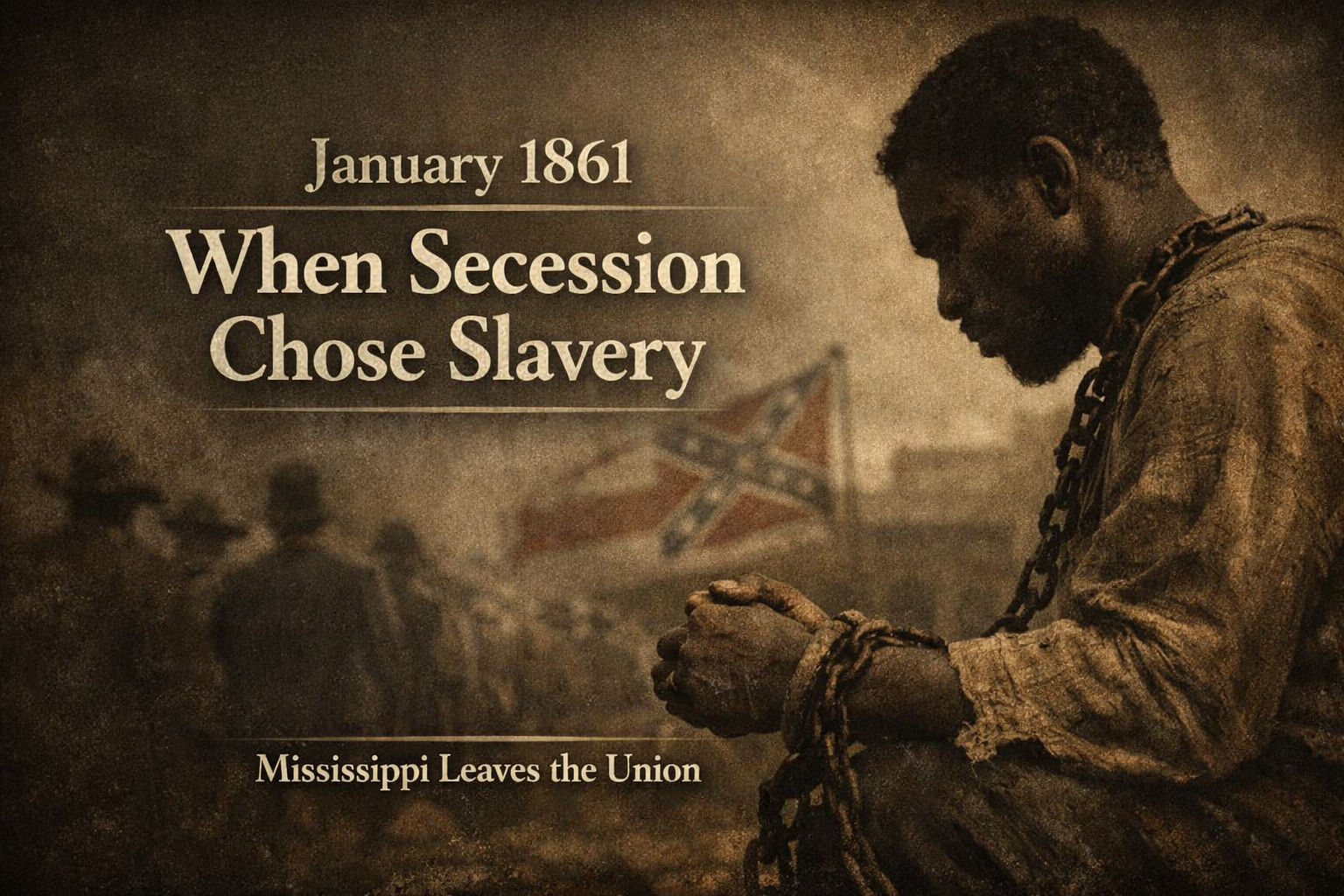
On January 9, 1861, Mississippi formally voted to secede from the United States, becoming the second state to leave the Union in the tense months leading up to the Civil War. This decision was not abstract politics or distant ideology. It was a direct declaration that slavery would be protected, expanded, and defended at all costs. For enslaved Black people across Mississippi and the broader Deep South, secession carried immediate meaning. It signaled that those in power were willing to fracture the nation rather than consider any future without human bondage. Families already living under brutal conditions understood that this choice hardened their reality and closed off any remaining hope that change might come without conflict. Mississippi’s leaders were explicit about their reasoning. In its secession declaration, the state named slavery as the central cause, tying its economy, social order, and political identity to the continued ownership of Black lives. This clarity matters, because it removes any doubt about what was being defended and who was being sacrificed. As the nation moved closer to war, decisions made in early 1861 reshaped the paths of millions. Enslaved people would later escape behind Union lines, resist through sabotage and survival, or enlist in the United States Colored Troops once allowed. These acts of courage were not spontaneous. They were responses to years of tightening control and to moments like Mississippi’s secession, when the stakes became unmistakably clear. January 9, 1861 stands as a reminder that the Civil War did not begin in confusion. It began with choices. And for Black Americans, those choices made by others turned the fight for freedom into a matter of survival, resistance, and eventual transformation through war. #AmericanHistory #CivilWarEra #MississippiHistory #DeepSouth #USHistory #HistoricalRecord #FreedomStruggles #SlaveryHistory

LataraSpeaksTruth

In July 1917, violence erupted in East St. Louis after months of rising racial tension fueled by labor competition, housing pressure, and inflammatory propaganda. During a labor strike, Black workers were hired by local industries, a move white labor leaders and newspapers framed not as employment, but as invasion. That framing mattered. It lit the match. On July 2, white mobs flooded Black neighborhoods. Homes were set on fire. Families were chased into the streets. People attempting to flee were shot, beaten, or forced back into burning buildings. Some tried to escape across bridges or hide in rail yards. Many did not make it. While estimates vary, historians agree that dozens were killed, hundreds were injured, and thousands were left homeless in a single day. Accountability never followed. Few arrests were made. Even fewer convictions occurred. Property losses went largely uncompensated. Officials minimized the violence, and survivors were expected to rebuild without justice. The message was clear, even if it was never written down. The massacre did not occur in isolation. It unfolded during the Great Migration, when Black families moved north seeking work and safety, only to face organized resistance once they arrived. East St. Louis became a warning. Opportunity was conditional. Safety was not guaranteed. That same month, thousands marched silently through New York City in the Silent Protest Parade, dressed in white and refusing to shout. Their quiet said what the country would not. This was not a riot. It was an attack. And it followed a pattern. Remembering East St. Louis is not about reopening wounds. It is about naming what happened so it does not disappear behind softer language. History becomes slippery when discomfort decides what is remembered. #EastStLouis #1917 #AmericanHistory #LaborHistory #GreatMigration #HistoricalMemory #UntoldHistory #USHistory

1776 Patriot

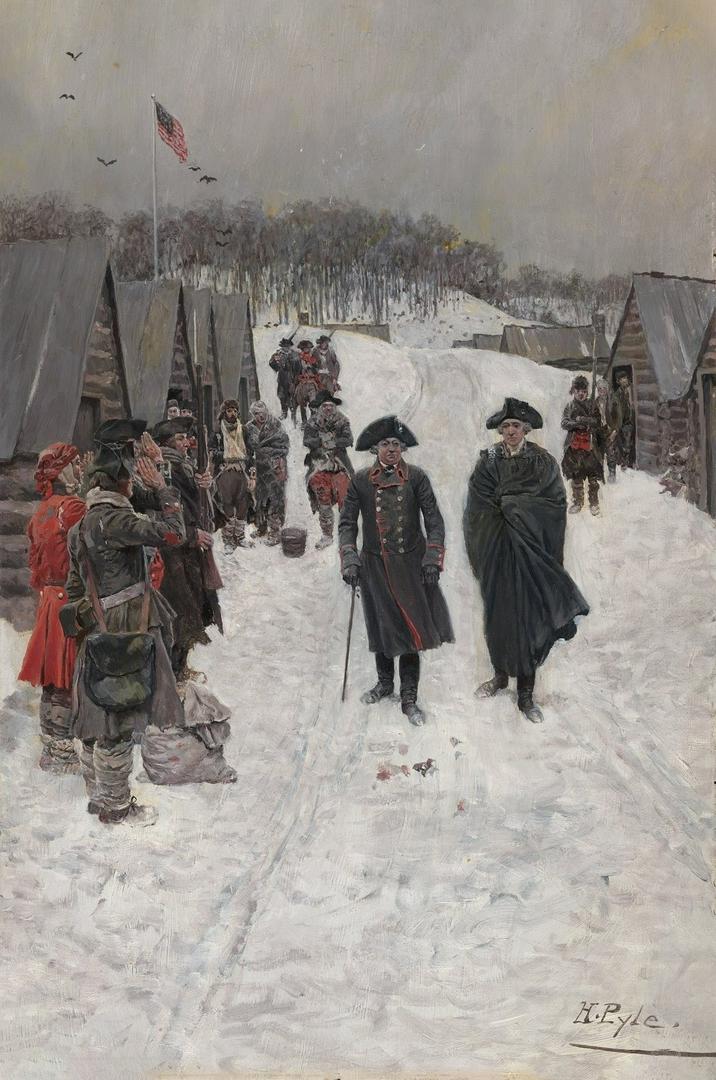
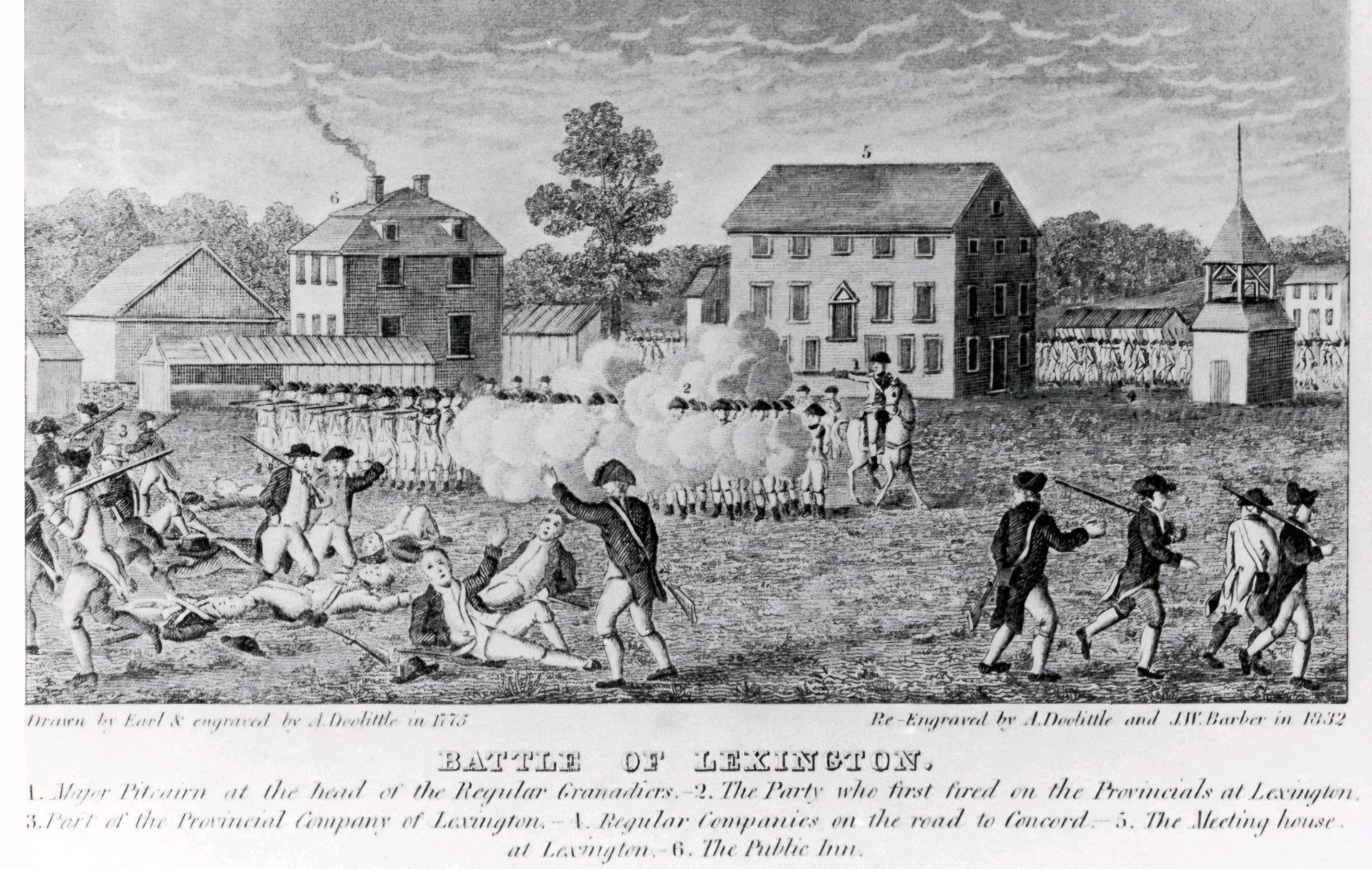
Today in History: News of Lexington and Concord Reaches Virginia, A Nation Begins to Rise Today marks 251 years since April 29, 1775, when news of the first shots of the American Revolution reached Virginia, accelerating a chain reaction already underway. Just ten days earlier, on April 19, British troops clashed with colonial militias at Lexington and Concord in Massachusetts, marking the beginning of armed resistance. Word traveled quickly through riders and newspapers. By April 29, the Virginia Gazette, published in Williamsburg, carried early reports describing the fighting, confirming that blood had been shed and that colonial forces had surrounded British troops in Boston. Although some details were exaggerated, the core message was clear: open conflict had begun. The timing intensified tensions in Virginia. Only days before, Royal Governor Lord Dunmore had ordered the removal of gunpowder from Williamsburg’s public magazine, fearing it could fall into colonial hands. The move alarmed residents, who viewed it as a direct threat to their rights and security. As news from Massachusetts arrived, anger grew. Militia units mobilized, and leaders such as Patrick Henry used the moment to rally resistance. Couriers and printed broadsides ensured the reports spread rapidly beyond Williamsburg into surrounding counties, reaching plantation communities and frontier settlements within days. The Powder Incident, combined with confirmed fighting in the North, shifted public opinion toward open defiance. These events helped unify the colonies. What began as isolated clashes quickly became a shared cause, pushing Virginia and others closer to revolution and, ultimately, independence. Committees of safety began coordinating local responses, strengthening communication networks and preparing communities for sustained resistance. #History #USHistory #America #USA #RevolutionaryWar #Independence