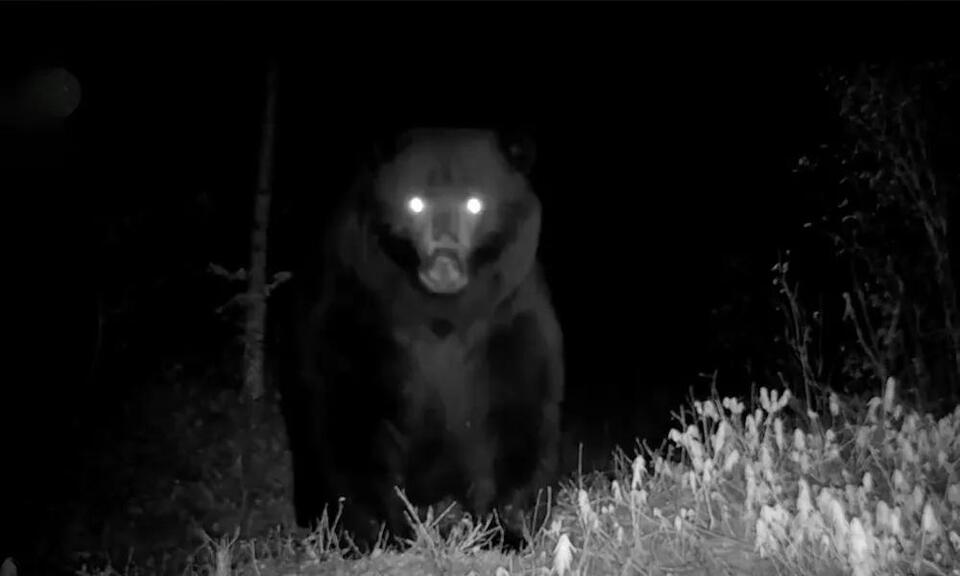
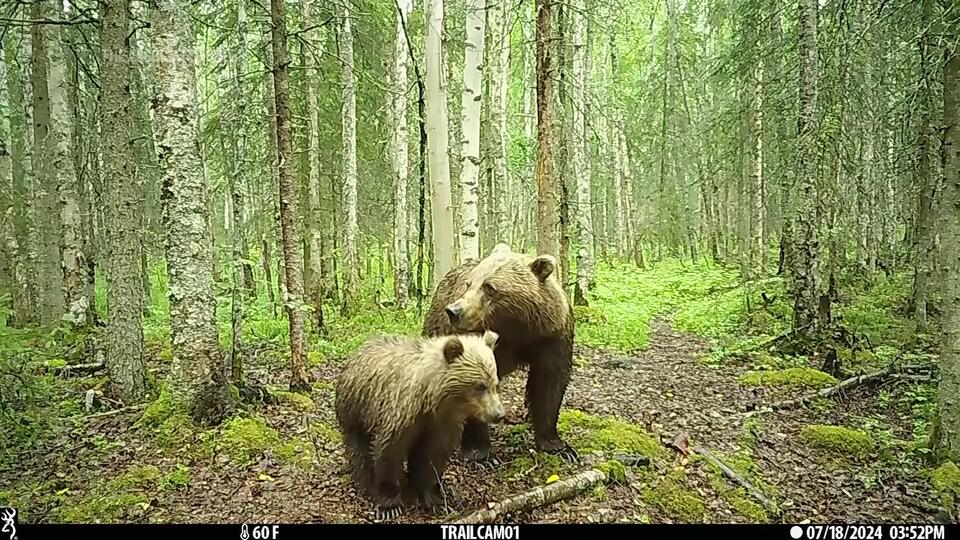
Patrick Simmons+FollowGrizzly Bear vs Trail Cam: Wild Showdown!Ever seen a grizzly bear totally lose it over a trail cam? This Yukon bear went full detective—ripping off the rain cover, pawing at the camera, and even playing with the gear before wandering off. The best part? No one knows why it freaked out so much! Maybe it hated the Velcro or heard something weird. Nature cam drama is real, and honestly, I can’t stop watching these animal reactions! #Science #grizzlybear #wildlife30Share
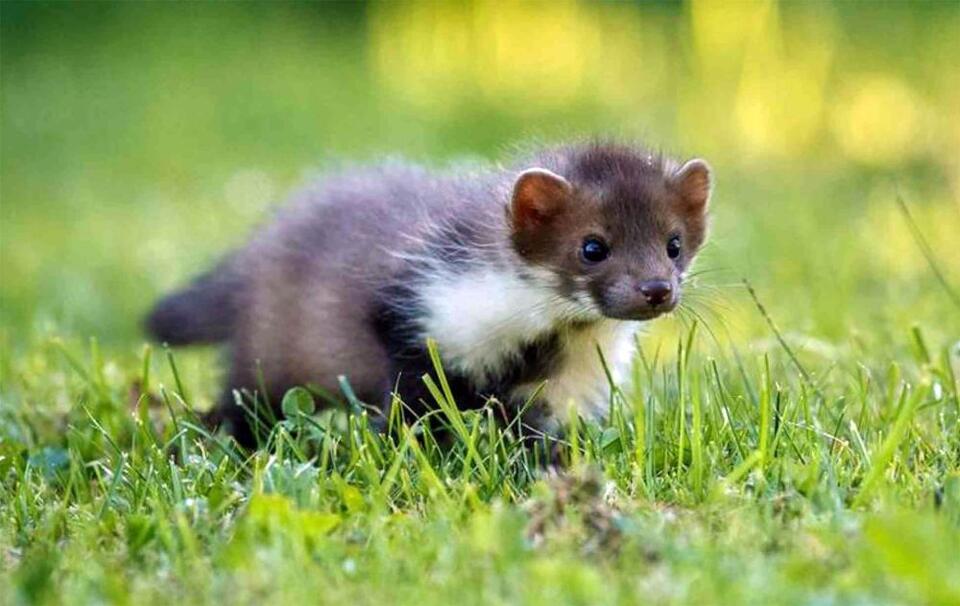
Patrick Simmons+FollowRare fisher returns to Cleveland after 100+ yearsA fisher—a member of the weasel family not seen in Cuyahoga County since the 1800s—was just caught on camera in Cleveland Metroparks! This is a huge win for local conservation, showing that efforts to restore native wildlife are actually working. Fishers vanished from Ohio long ago due to overhunting and habitat loss, but now they’re making a comeback alongside otters, bobcats, and swans. It’s wild to think these animals are roaming our forests again. What do you think this means for our parks and neighborhoods? Have you spotted any unusual wildlife lately? #Science #Cleveland #Wildlife00Share
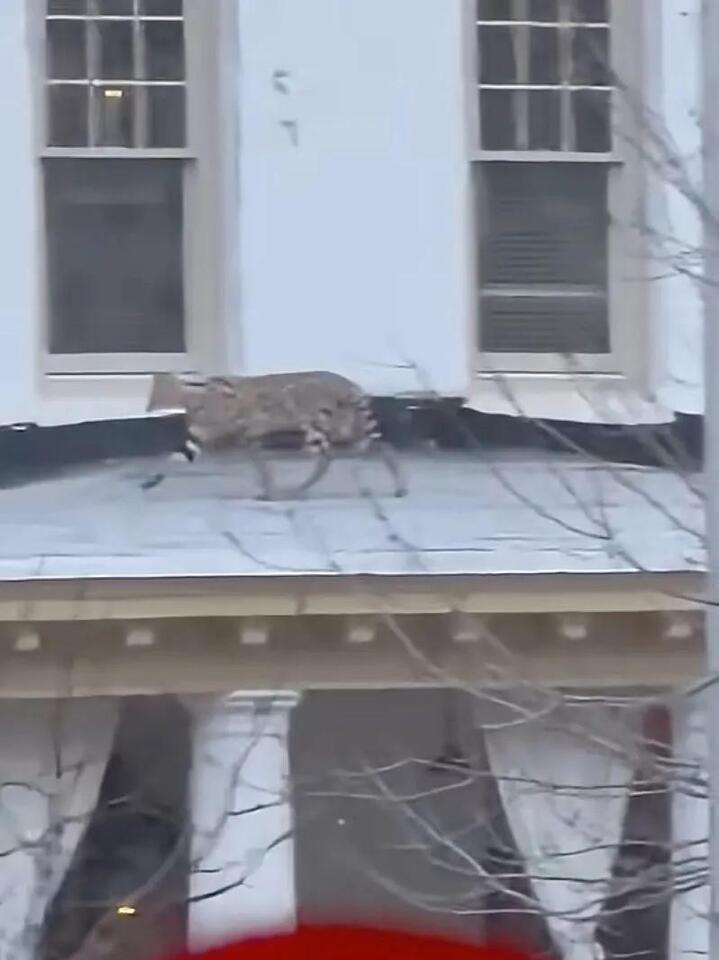
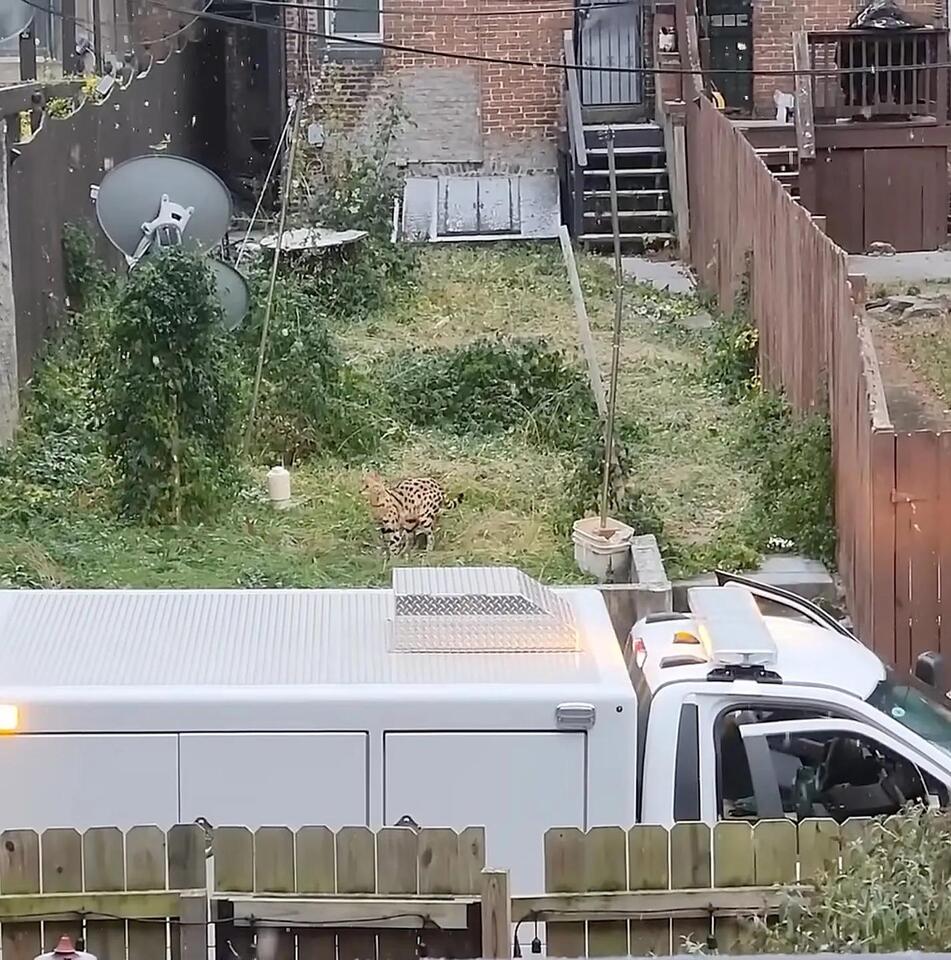
Cassandra Snyder+FollowWild servals spotted roaming West BaltimoreImagine stepping outside in West Baltimore and seeing what looks like a leopard prancing down your street! That’s exactly what happened when two African serval cats—each as big as a medium-sized dog—escaped from the home of former NY Jets player Brandon Haw. These exotic cats, which aren’t even legal to own in Maryland, caused quite a stir as neighbors shared videos of their snowy adventures. Thankfully, animal control safely captured both cats, and no one was hurt. What do you think about keeping wild animals as pets in the city? #Pets #Baltimore #Wildlife34Share
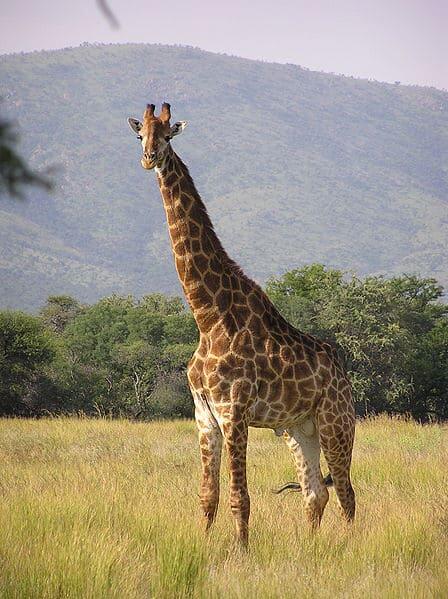
Daniel Barajas+FollowSpotless giraffe’s sudden death stuns zooThe world’s only known spotless giraffe, Kipekee, died unexpectedly at just two years old at Brights Zoo in Tennessee. This rare giraffe, with her solid brown coat and no spots, had captured hearts worldwide. Experts say her unique look likely wasn’t to blame, but her early passing is still a mystery as we wait for necropsy results. Giraffes usually live much longer, so this loss hits hard for both the zoo and animal lovers. It’s a reminder of how unpredictable nature can be, even with the best care. What do you think—should zoos do more for rare animals, or is this just nature at work? #Pets #giraffe #wildlife80Share
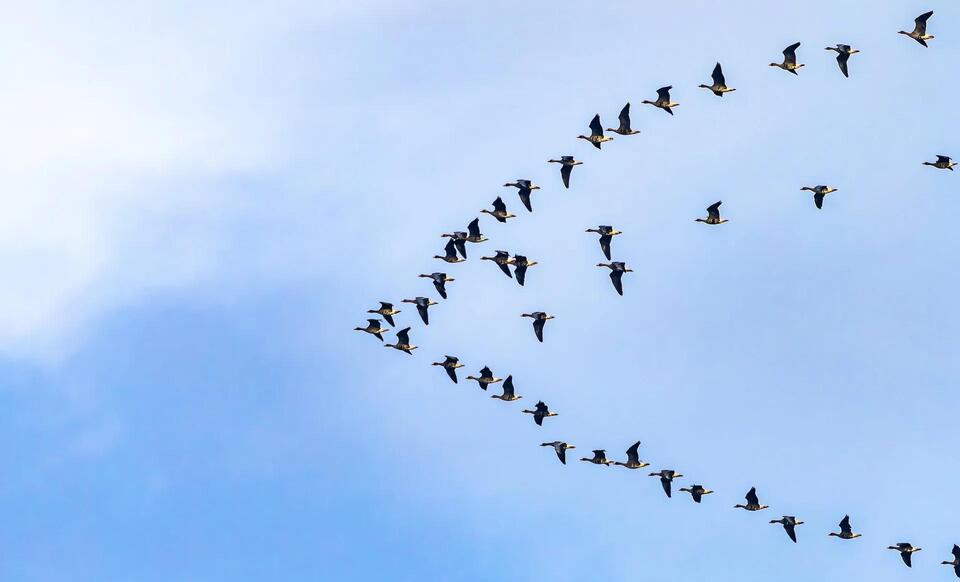
Jessica Hodge+FollowBirds Are Racing Against Climate ChangeWild update: Arctic birds are literally speeding up their migrations to keep up with rapid warming. Researchers tracked geese and swans with GPS and found they’re cutting down on rest and meals just to arrive at breeding grounds on time. Some species are adapting better than others, but the clock’s ticking—scientists say they’ve only got a couple decades before this strategy stops working. If they can’t keep up, we could see fewer birds and less successful breeding. Nature’s on the clock! #Science #ClimateChange #Wildlife11Share
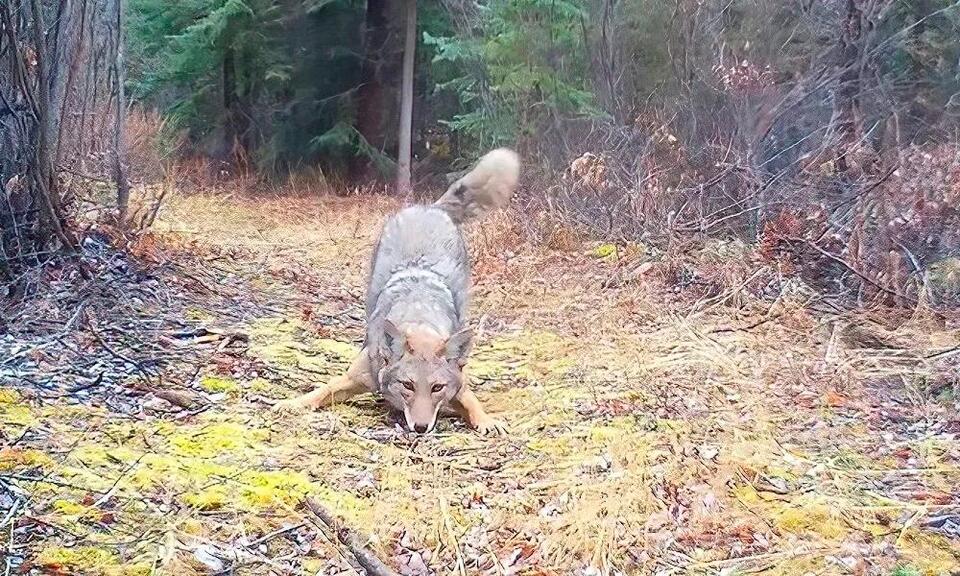
megangibson+FollowWild gray wolf confirmed in upstate NYA wild gray wolf traveled over 500 miles from the Great Lakes region and was found in Cherry Valley, New York—the first confirmed sighting south of the St. Lawrence River in decades. DNA tests proved it wasn’t a coyote or hybrid, but a true wolf, stirring up big questions about wildlife in our area. With wolves legally protected but often mistaken for coyotes, local hunters and officials are rethinking how to track and report these rare visitors. Could this mean wolves are starting to return to New York’s forests? What would that mean for our ecosystem and local communities? #Science #NewYork #Wildlife40Share
Richard Vaughan+FollowAncient Wildcat Bones Found in Ireland!Did you know wildcats once prowled Ireland? Archaeologists just uncovered 5,500-year-old wildcat bones in a cave, proving these fierce felines were around way before anyone thought. This is the first time prehistoric cat remains in Ireland have been radiocarbon dated, and it’s blowing experts’ minds. Now everyone’s wondering how these wildcats got there and what else we don’t know about Ireland’s ancient wildlife. Imagine what else could be hiding underground! #Science #archaeology #wildlife20Share
Patrick Simmons+FollowTiny new weasel species found in SichuanA wildlife survey in Sichuan’s Meigu Dafengding Reserve just turned up a surprise: a brand-new weasel species, Mustela mopbie, with a body built for squeezing into the tiniest cracks and burrows. This little hunter’s slim build and unique fur pattern set it apart from any weasel known in China, and DNA tests confirmed it’s a species all its own. Because it hunts insects and rodents that other predators can’t reach, it plays a key role in the mountain ecosystem. Discoveries like this remind us how much we still have to learn about the wildlife in our own backyard. What do you think this means for conservation in the region? #Science #wildlife #Sichuan101Share
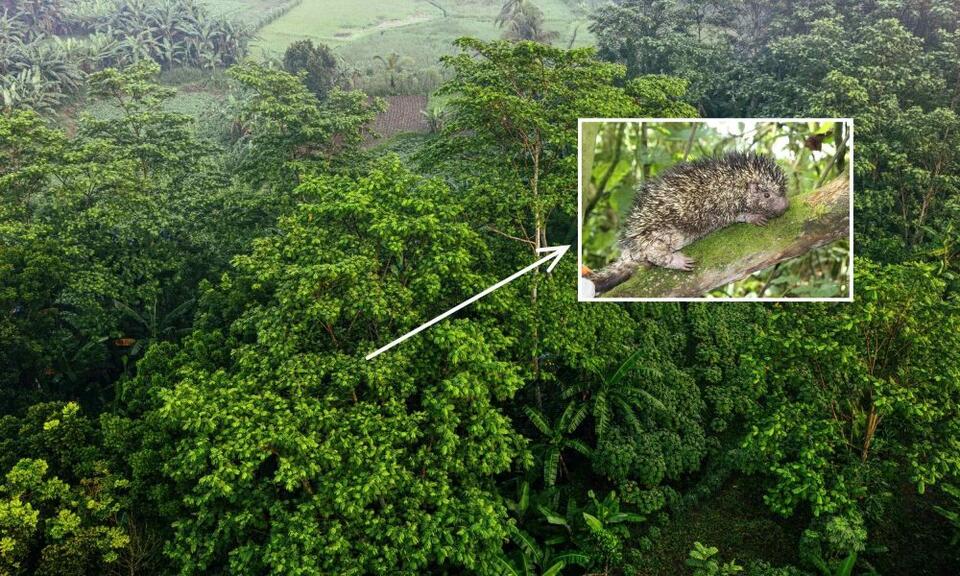
Patrick Simmons+FollowColombia’s Spiky New Mystery MammalWild science alert: researchers just ID’d a brand new porcupine species in Colombia! Meet Coendou vossi—a 2-foot, tree-climbing, quill-covered mammal that’s been hiding in plain sight. For years, it was mistaken for a common cousin, but after digging through museum drawers and blurry trail cam pics, scientists proved it’s totally unique. Its spiny tail and secretive habits make it super hard to spot, but it’s a big deal for biodiversity. Who knew forests still had surprises like this? #Science #wildlife #biodiversity00Share
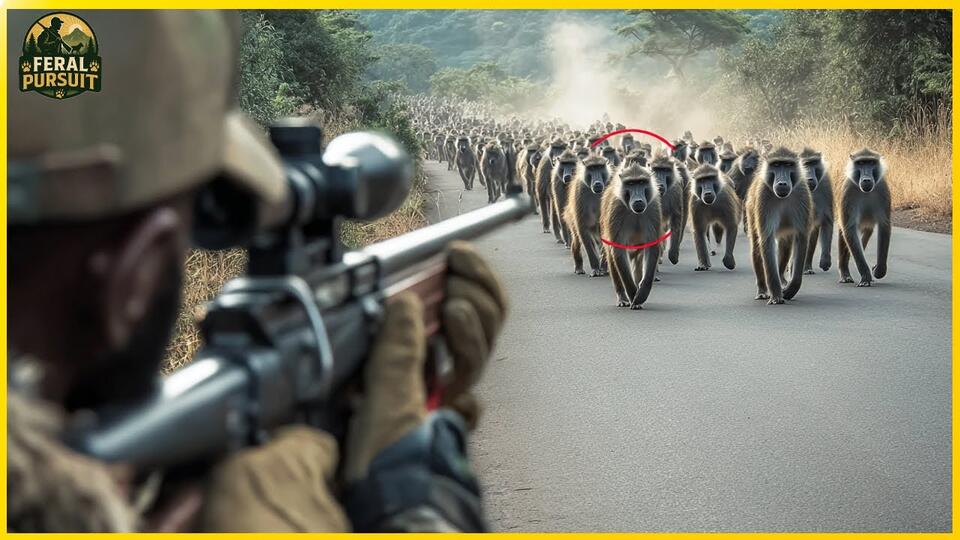
Daniel Barajas+FollowBaboons Take Over: Sahara Drama!Imagine waking up to baboons running wild in your neighborhood! That’s what’s happening near the Sahara, where these cheeky invaders are causing chaos. But here’s the twist: locals and wildlife teams are teaming up to handle the situation with kindness, not cruelty. It’s all about keeping everyone safe—both people and baboons—while trying to bring back some peace. Would you be able to handle a baboon invasion? #Pets #wildlife #Sahara40Share