Tag Page wildlifeconservation

#wildlifeconservation
Zack D. Films

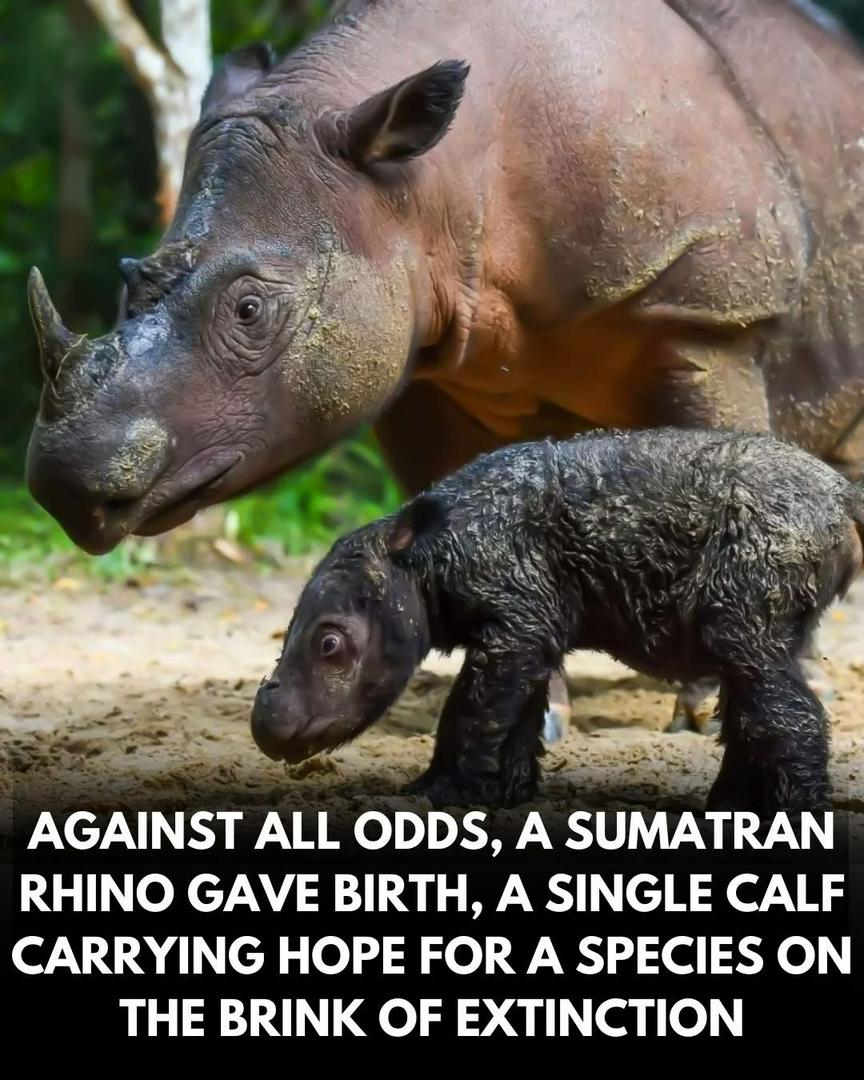
In a world where extinction headlines arrive far too often, this moment felt like a quiet miracle. A critically endangered Sumatran rhinoceros has given birth to her first calf—an event so rare it immediately captured the attention of conservationists worldwide. With fewer than 80 individuals believed to remain, every birth is more than good news. It is a lifeline. Sumatran rhinos are the smallest and most ancient of all living rhino species, survivors of a lineage that once spread across Asia. Covered in coarse hair and adapted to dense rainforest, they are elusive, solitary, and incredibly difficult to protect. Decades of habitat loss and historic poaching pushed them toward the edge faster than they could recover. That is what makes this birth extraordinary. Female Sumatran rhinos face serious reproductive challenges, especially after long periods without breeding. Many develop conditions that prevent pregnancy altogether. For a first-time mother to successfully carry and deliver a healthy calf is a major biological and conservation achievement. This calf represents more than a single new life. It reflects years of careful monitoring, veterinary expertise, protected habitat, and international cooperation. Managed breeding programs and safe sanctuaries remain among the last tools standing between survival and extinction. For conservation teams, this birth is proof that effort still matters—that protection can lead to recovery, even when the numbers feel impossibly small. For the species, the calf carries genetic diversity that could one day help stabilize a population teetering on the brink. This is not a guarantee of survival. The challenges ahead remain immense. But hope, like extinction, often begins with one moment. In this case, it began with new life. #wildlifeconservation #kindnessmatters 🌱🦏

Hatter Gone Mad

🐾🥚 THE PUGGLE PUZZLE: The Bizarre Beginnings of the Baby Platypus! ⚖️🏛️ Nature’s Oddball! 🦁🛡️ In the world of wildlife, few creatures are as delightfully confusing as the platypus. 🏛️📜 When a baby platypus, affectionately known as a puggle, enters the world, it starts life in a way that defies most mammalian rules. 🌊💎 Born from a small, leathery egg—one of only two mammals to do so—the puggle hatches in a state of total vulnerability: blind, hairless, and completely dependent on its mother. 📉🛡️ It’s a beginning more akin to a reptile than a furry forest-dweller. 🛰️✨ One of the most peculiar aspects of puggle life is how they eat. 🏗️🌊 Unlike other mammals, the mother platypus has no nipples. Instead, she secretes milk through specialized pores on her abdomen. 📉📈 The puggle simply laps up the milk as it pools on her skin or fur, a process that sounds strange but provides all the nutrients needed for growth. 🔬🧼 Because they spend their early months hidden deep within a complex system of riverside burrows, puggles are rarely seen by humans in the wild. 🌡️📈 Sadly, these "living fossils" face significant modern challenges. 🌡️📈 Habitat loss and climate change are shrinking the freshwater streams they call home. 🌡️📈 Conservationists are working hard to protect these unique habitats, as the platypus is a vital indicator of river health. 🌡️📈 By understanding the delicate life cycle of the puggle, we can better appreciate why protecting their environment is so critical. This news encourages us to celebrate the weird and wonderful parts of nature and to take action to ensure these shy, swimming enigmas thrive for centuries to come. A world with puggles is a much more interesting world! 🌈👑🙌✨ #Platypus #fblifestyle #Puggle #WildlifeConservation #NatureFacts #AustralianWildlife #Monotremes #AnimalBiology

Tag: wildlifeconservation | LocalAll